
Acrylic caulk vs silicone caulk: Discover their unique strengths for your next project! Learn which works best for your needs and seal those gaps perfectly!
Acrylic caulk vs silicone caulk is a common debate for DIYers and professionals alike, and choosing the right sealant can save time, money, and headaches on any project. This guide explains how these two popular options differ, where each shines, and practical tips to help you pick the best sealant for interior, exterior, wet, and dry environments.
What these sealants are and how they behave
Acrylic caulk is a water-based sealant made from acrylic polymers. It adheres well to interior surfaces like drywall, plaster, wood, and metal, and it’s prized for its paintability and easy cleanup with water. It’s a reliable choice for indoor projects where staying within a color-accurate aesthetic matters, such as sealing gaps around baseboards, crown molding, or interior window frames. Acrylic latex caulk is cost-effective and best for dry environments or areas with minimal moisture exposure.

Silicone caulk is a 100% silicone sealant known for its exceptional elasticity, waterproofing, and resistance to temperature changes, UV exposure, and weathering. It performs best in areas that experience frequent moisture or outdoor exposure, such as bathrooms, kitchens, exterior windows, doors, and outdoor seams. Silicone remains flexible and durable over time, but it is not paintable, and cleanup often requires solvents before it cures.
Movement, moisture, and where they shine
Movement and expansion are a key consideration. Silicone’s elasticity lets it stretch and rebound with joints that move, while acrylic caulk tends to be less forgiving in high-movement scenarios. If a joint experiences significant movement, silicone generally maintains a seal longer. In terms of moisture, acrylic offers water resistance but not waterproofing; silicone provides superior moisture resistance and is effectively waterproof once cured.
- Water resistance vs waterproofing: Acrylic protects against minor moisture intrusion but isn’t a guaranteed barrier in continuous wet conditions. Silicone blocks water more reliably over time.
- Dry interior spaces: Acrylic caulk is often preferred where paint color and finish matter and moisture is low.
- High-moisture environments: Silicone shines in showers, sinks, exterior seams, and outdoor areas exposed to rain and sun.

Durability and longevity
Silicone caulks tend to last longer than acrylic caulks, especially under UV light and temperature fluctuations. In many typical indoor/outdoor settings, silicone seals can endure 20 years or more with minimal maintenance. Acrylic caulk may require replacement sooner in humid or sun-exposed conditions where cracking or mildew can occur over time. If you’re sealing areas with ongoing moisture or big seasonal shifts, silicone is generally the safer long-term choice.
Choosing between acrylic and silicone caulk
When deciding which caulk to use, consider the project’s moisture exposure, paint needs, and movement expectations.
- Acrylic caulk — Ideal for interior work, caulking around baseboards and molding, wall and ceiling cracks, and surfaces where you want to paint to match surrounding surfaces. Great for budget-conscious interior jobs with low moisture.
- Silicone caulk — Best for bathrooms and kitchens to minimize mold and withstand moisture, exterior window and door perimeters, joints with significant movement, and areas exposed to sun and weather. It’s durable and waterproof but not paintable.
Hybrid options: siliconized acrylic
Siliconized acrylic blends offer a middle ground, combining paintability and easier application with improved flexibility. They’re useful in areas with light-to-moderate movement where you also want to paint later.
- Siliconized acrylics provide more flexibility than standard acrylics while remaining paintable.
- They’re commonly used where some movement occurs and aesthetics matter.
- Always read product data sheets for cure times, movement capability, and cleaning requirements.
Practical guidance and product considerations
When choosing a brand or type, your project’s moisture exposure, painting needs, and expected joint movement should guide your decision. For areas with both painting requirements and moderate movement, a siliconized acrylic or a dedicated silicone product with paintable options may fit your needs. Always follow the manufacturer’s cure times and surface preparation guidelines for the best seal.
Product examples and practical guidance
Here are commonly used options that cover interior, high-moisture, and mixed-use scenarios. These examples illustrate the balance between paintability, movement tolerance, and durability:
| Product | Type | Notes |
|---|---|---|
| HY-973 Gap Filler Acrylic Silicone Sealant | Silicone/Hybrid | Balanced performance for gaps with moderate movement; some paintability depending on brand |
| HY-2100 General Use Neutral Silicone Sealant | 100% Silicone | Durable, waterproof, ideal for high-moisture areas and outdoor use; not paintable |
| HY-3300 Weatherproof Neutral Silicone Sealant | 100% Silicone | Excellent outdoor durability and weather resistance; great for perimeters and exterior seams |

Common questions and practical tips
- Can I paint silicone? Most 100% silicone caulks are not paintable. Look for paintable silicone or choose a siliconized acrylic for paintable options.
- Do caulk and silicone cure at the same rate? Cure times vary by product and environment. Acrylics often dry to the touch faster but may take longer to fully cure in humid spaces. Silicone typically cures slower but forms a robust, long-lasting seal.
- What about cleanup? Acrylic caulk cleans up easily with soap and water. Silicone requires solvent-based cleaners before it cures, and curing silicone is harder to remove.
- Are there environmental or health considerations? Check VOC content and mold/mildew resistance claims relevant to your project. Indoor-use products are usually designed with these considerations in mind.
- How do I prepare the surface? Clean and dry the area, remove old sealant if needed, and tape off a clean edge for a neat finish. Follow the product’s prep guidelines for best adhesion.
Understanding the basics in a nutshell
Acrylic latex caulk is a water-based sealant prized for paintability, ease of cleanup, and interior use where moisture is not constant. Silicone caulk, with its rubbery, highly elastic nature, delivers waterproof sealing and durability in moisture-prone or outdoor environments, but it isn’t paintable and requires careful cleanup with solvents before curing. Hybrid siliconized acrylic products offer a compromise for projects that need both paintability and some flexibility.

The Quick guide for your next project
If your project is interior with low moisture and you want to paint the sealant to match trim or walls, acrylic caulk is a solid, economical choice. If you’re sealing areas with constant moisture, UV exposure, or significant movement—like bathrooms, kitchens, windows, or exterior seams—silicone caulk offers superior durability and water resistance. For projects that demand both, consider siliconized acrylic or a silicone with paintable options, and always verify surface compatibility and cure requirements from the manufacturer.
Which approach do you prefer for your next project: the ease and paintability of acrylic or the long-term durability of silicone? Share your experiences, questions, or the specific job you’re tackling in the comments below. Let’s learn from each other’s journeys!
Historical context and practical takeaway
Caulk has evolved from traditional fibrous sealing in boats and early piping to modern flexible compounds that seal gaps against water, air, dust, and insects. Today, the main types you’ll encounter are acrylic latex, silicone, and hybrids. Understanding the basic properties—paintability, moisture handling, movement, and longevity—helps you choose the right product for any project. For a quick overview on caulk, visit Caulk - Wikipedia.
| Aspect | Acrylic Caulk | Silicone Caulk |
|---|---|---|
| Base material | Water-based acrylic polymers (acrylic latex) | 100% silicone |
| Flexibility | Less flexible, more rigid | Highly flexible and rubbery |
| Moisture handling | Water-resistant but not waterproof; can be compromised by constant moisture | Completely waterproof and highly resistant to moisture |
Looking for specific project guidance? Share your scenario in the comments, and we’ll tailor recommendations based on moisture exposure, color-matching needs, and movement expectations. For those in need of purchasing options, check out Acrylic latex caulk on Amazon.
[FETCHED_IMAGES_HTML]
[FETCHED_IMAGES_SCREENSHOT]
https://hcti.io/v1/image/019f88c9-cb23-7e45-9776-b980c33bbad1
Acrylic vs Silicone Showdown: DAP Alex Plus Acrylic Latex Caulk, White (10.1 Oz) See current pricing on Amazon

DAP Alex Plus Acrylic Latex Caulk, White, 10.1 Oz — Pre-mixed, paintable acrylic latex with silicone for improved sealing.
Key facts: Paintable, low odor acrylic latex caulk with silicone for better flexibility; suitable for interior gaps, trim, and non-wet applications. Dry time is generally faster than traditional acrylic caulk, allowing quick re-painting. Works well on most common indoor materials such as wood, drywall, and plaster.
- Pros: Easy water clean-up, flexible finish, good sandability.
- Cons: Not ideal for continuous water immersion or exterior wet areas without additional sealant protection.
Silicone-Infused Acrylic Caulk: Red Devil 0408 Silicone Acrylic Caulk & Sealant, Clear (10.1 oz) See current pricing on Amazon

Red Devil 0408 Silicone Acrylic Caulk & Sealant, 100% Waterproof and paintable, clear finish.
Key facts: A silicone-acrylic hybrid designed for moisture-prone spaces; provides 100% waterproof seal and paintability. Clear color makes it suitable for visible joints in kitchens, bathrooms, and windows.
- Pros: Water resistance, paintable, durable for daily humidity.
- Cons: Application may require smoothing; can be pricier than basic acrylic caulk.
GE Advanced Silicone Caulk for Window & Door, Clear (2.8 fl oz) See current pricing on Amazon

GE Advanced Silicone Caulk for Window & Door, Clear, 100% Waterproof Sealant.
Key facts: Silicone-based, designed for high-mumidity window and door joints; offers strong adhesion and weatherproofing. Ideal for exterior applications and areas with temperature fluctuation.
- Pros: Long-lasting seal, excellent adhesion to glass and metal.
- Cons: Removal can be more challenging than acrylic-based caulks.
GE All Purpose Silicone Caulk, Clear (10 fl oz) See current pricing on Amazon

GE All Purpose Silicone Caulk, Clear, 10 oz — 100% waterproof with strong adhesion.
Key facts: All-purpose silicone sealant suitable for kitchens, bathrooms, and other moist areas. Provides a flexible, watertight seal that resists shrinking and cracking over time.
- Pros: Superior waterproofing, silicone durability, good for non-porous substrates.
- Cons: Can be harder to clean up and tooling may require silicone tools or mineral spirits.
DAP Acrylic Latex Caulk with Silicone, White (Alex Plus, 10.1 oz) See current pricing on Amazon
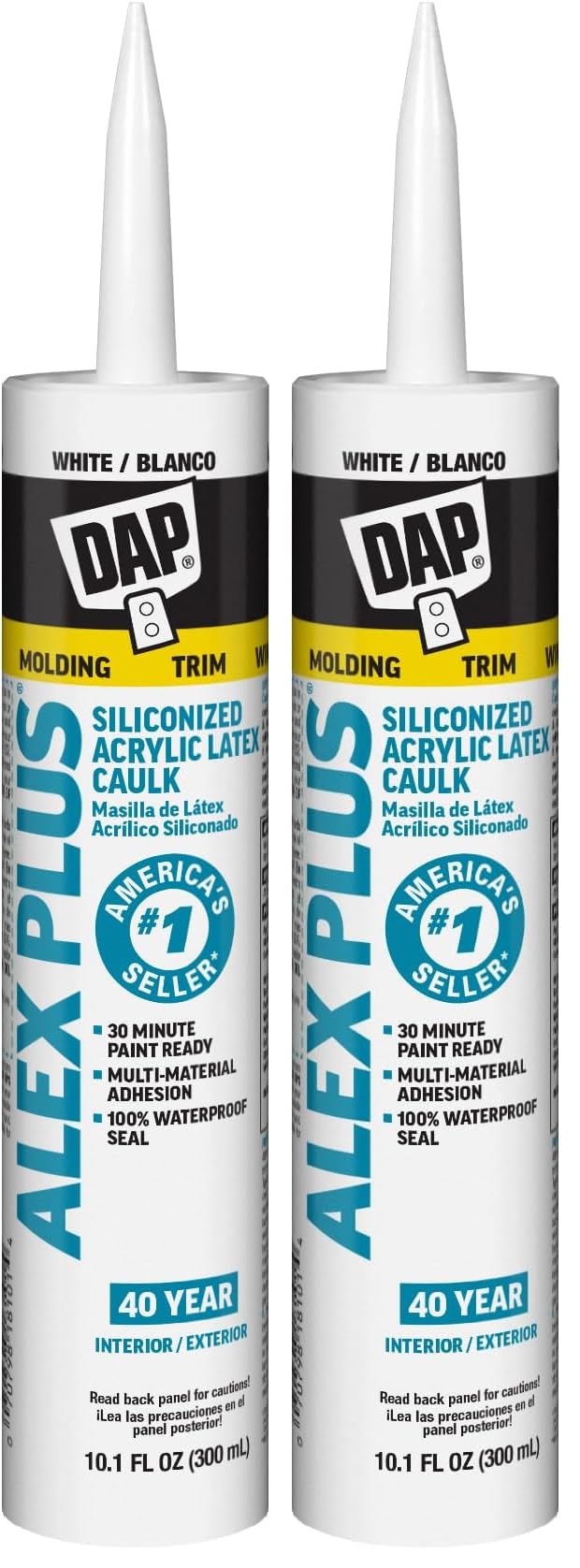
DAP Acrylic Latex Caulk with Silicone (Alex Plus) — Combines acrylic ease with silicone durability.
Key facts: Acrylic latex base enhanced with silicone for added flexibility and water resistance; great for trim, baseboards, and interior gaps. Easier cleanup with water, paintable after curing.
- Pros: Easy to apply, sands smoothly, compatible with most interior paints.
- Cons: Not the best choice for areas with continuous water exposure.
Red Devil 0876 Window & Door Silicone Acrylic Clear Caulk, 10.1 oz See current pricing on Amazon

Red Devil 0876 Window & Door Silicone Acrylic Clear Caulk — Waterproof, order-controlled packaging for precise applications.
Key facts: Silicone-acrylic blend designed for windows and doors; provides waterproof seal while remaining paintable. Useful for DIY installations and quick repairs around framing and trim.
- Pros: Moderate price, paints well, durable in fluctuating temperatures.
- Cons: Performance varies with substrate porosity; may require priming in some cases.
GE Advanced Silicone Caulk for Kitchen & Bath, White (2.8 fl oz) See current pricing on Amazon

GE Advanced Silicone Caulk for Kitchen & Bath, White — 100% waterproof with 5X stronger adhesion.
Key facts: Silicone-based sealant optimized for kitchens and bathrooms; highly resistant to moisture and temperature swings. Shrink and crack resistance helps maintain a clean look over time.
- Pros: Superior waterproofing, flexible performance, easy-to-clean surface.
- Cons: Cannot be painted after full cure in some formulations; follow label instructions for painting compatibility.
12 Pack of 10.1 oz DAP 18071 Alex Plus Clear All Purpose Caulk Plus Silicone See current pricing on Amazon

DAP 18071 Alex Plus Clear All Purpose Caulk Plus Silicone — Value pack for multiple rooms and projects.
Key facts: Multi-pack of acrylic latex caulk with silicone for interior use; provides a versatile sealant option for various surfaces including wood, drywall, and metal.
- Pros: Economical per unit, consistent quality across cans, paintable after curing.
- Cons: Availability of exterior-use performance varies by brand; check label for outdoor suitability.
DAP Alex Painter's Acrylic Latex Caulk, White (10.1 Oz) See current pricing on Amazon
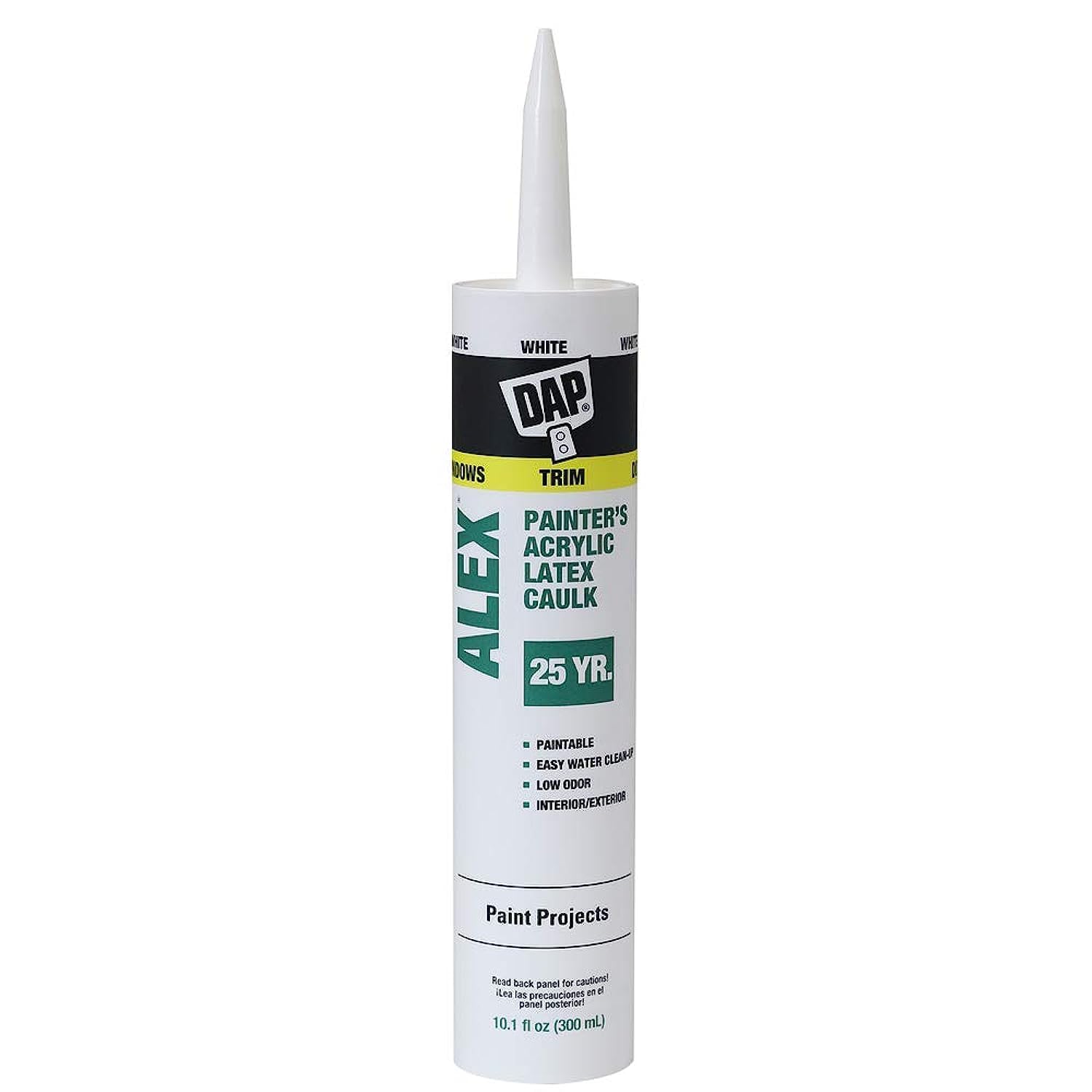
DAP Alex Painter's Acrylic Latex Caulk, White — Painter-friendly option for trim and interior edges.
Key facts: Acrylic latex formula designed for painters; easy to sand and paint; suitable for interior use, especially on trim and around windows.
- Pros: Excellent for DIY painting projects, smooth finish.
- Cons: Not ideal for continuous water exposure areas or exterior sealing without additional protection.
Gorilla 100% Silicone Caulk Kitchen & Bath Sealant, White (10 oz) See current pricing on Amazon
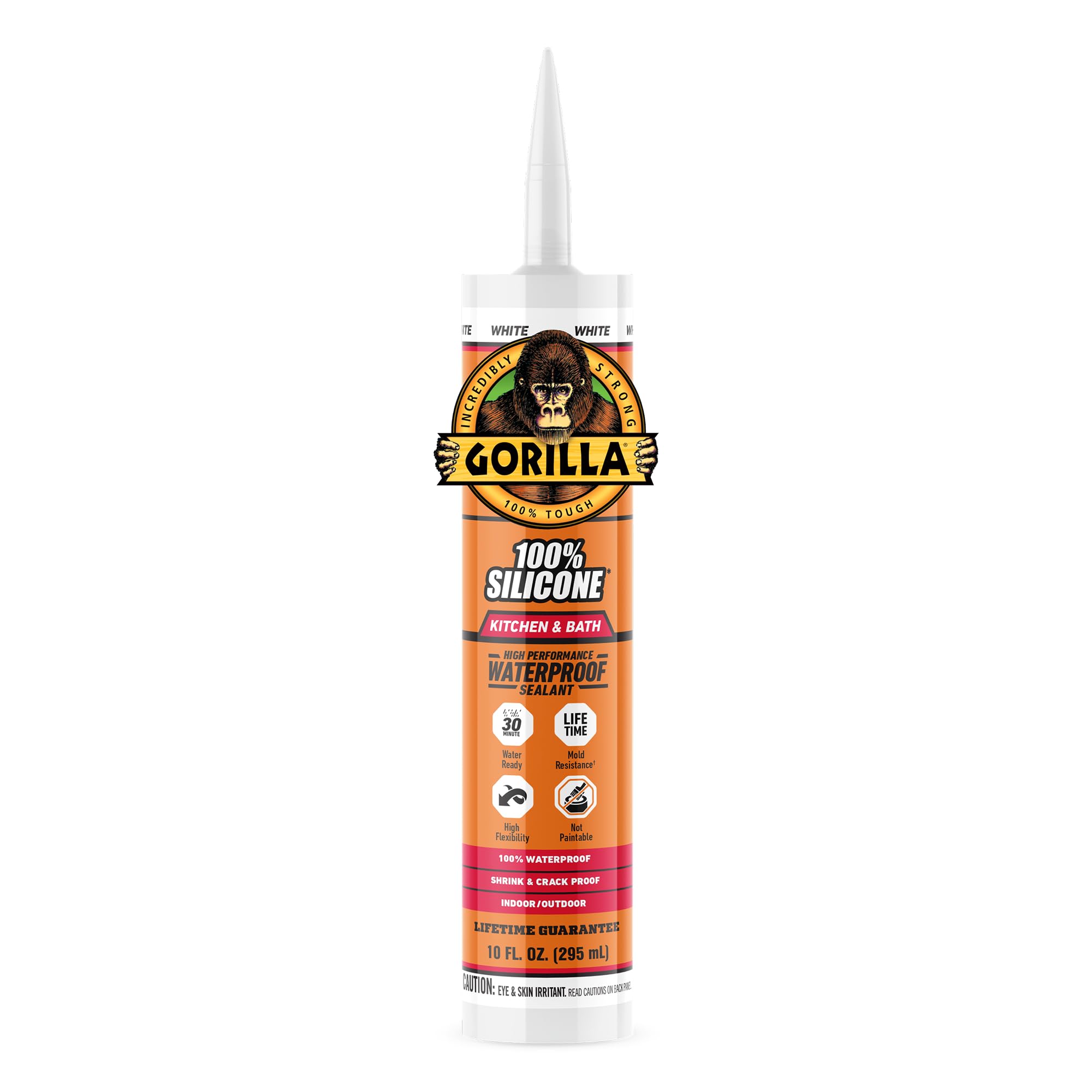
Gorilla 100% Silicone Caulk — Mold-resistant sealant for kitchens and bathrooms.
Key facts: Pure silicone sealant offering maximum flexibility and water resistance; designed for high-moisture areas and long-lasting seals with high durability against cracking.
- Pros: Superior mold resistance, long lifespan, excellent adhesion on non-porous substrates.
- Cons: More difficult tooling and cleanup; not paintable after cure.
As we wrap up this deep dive into acrylic caulk versus silicone caulk, it's clear that both have their unique strengths and drawbacks. Acrylic caulk is fantastic for interior projects where you want a paintable surface, while silicone caulk shines in areas exposed to moisture and extreme temperatures. The choice really comes down to your specific needs—whether you're tackling a DIY home renovation or simply sealing up those pesky gaps around your windows. Remember, taking the time to choose the right caulk will save you headaches down the line!
Stay Connected for More Tips!
I hope this comparison has shed some light on your caulking journey! If you're eager to explore more tips on home improvement and DIY projects, don't hesitate to stay connected. Check out our latest updates and ideas on Instagram here—it's a great way to stay inspired and get the inside scoop on all things architecture and design. Happy sealing, and may your projects turn out perfectly!
