
Understanding the attic insulation cost with permit is vital for homeowners planning an upgrade. The total expense can fluctuate significantly, ranging from a few hundred dollars for simple DIY projects to several thousand for professional installations that adhere to local building codes. It's interesting to note that permit fees and inspections can add anywhere from 10 to 25 percent to the overall cost, making it essential to plan and budget accordingly. Ensuring compliance with regulations not only facilitates a safer living environment but also enhances your home's energy efficiency, ultimately leading to savings on utility bills.
Factors influencing attic insulation costs with permits
- Understanding how attic size and configuration impact your budget.
- Exploring the different types of insulation and their respective costs.
- Identifying necessary permits and potential inspection fees.
- Learning how to effectively qualify for available rebates.
By delving into the specifics of how permits affect pricing and project timelines, you’ll be better prepared to navigate the complexities of attic insulation. Let’s explore these cost determinants and tips for ensuring a smooth insulation process that aligns with your overall home improvement goals.
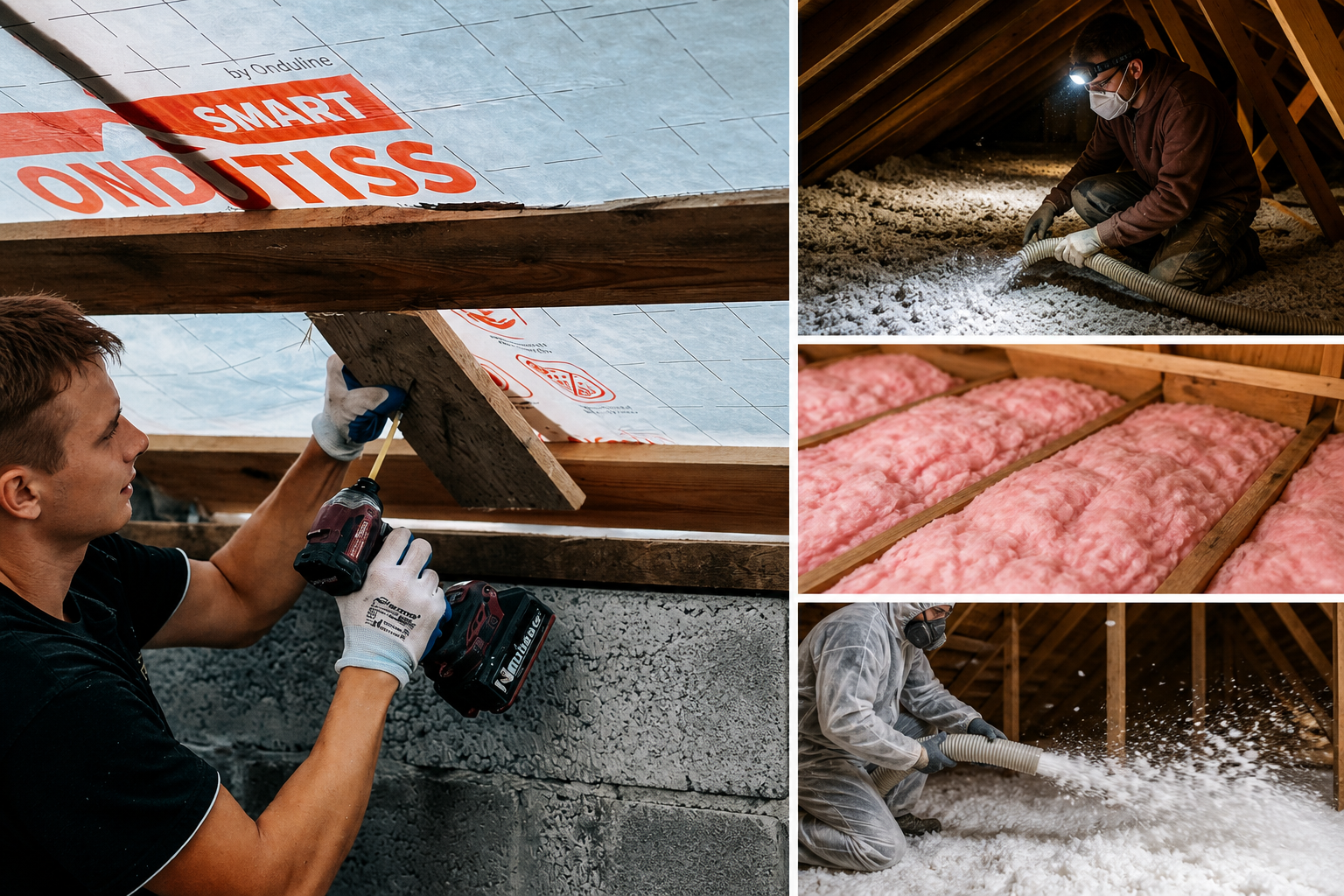
Attic insulation cost with permit typically ranges from a few hundred dollars for modest DIY upgrades to several thousand for full‑scale installations, with permit fees and inspections frequently adding 10–25% to the total when required by local codes. This guide explains how permits influence pricing, what to expect from each insulation type, and how rebates can trim the bottom line without compromising performance.
Permits matter because they ensure insulation work aligns with safety, moisture management, and energy standards established by local building codes. They help prevent moisture problems, vapor barrier missteps, and ventilation gaps that could undermine long‑term performance. Missing permits can result in fines, the need to redo work, or issues when selling the home. Plan for permit application fees and possible inspection charges when budgeting your project.
What drives the bottom line when a permit is involved
Several variables shape the final bill for attic insulation with a permit. The attic’s size and shape determine material needs and labor time, while the target R‑value drives the amount and type of insulation. If old insulation must be removed, you’ll incur disposal and cleanup costs. Access issues—tight crawl spaces or steep stairs—can add hours to labor. Finally, permits add application fees and inspection charges, and your local codes may require multiple inspection milestones that extend both cost and timeline.
| Cost Factor | Impact on Price | Helpful Tip |
|---|---|---|
| Attic size and geometry | Material quantities and labor hours scale with area and complexity | Have a measured plan of the attic before bidding |
| Insulation type and R-value | Higher R-values and advanced materials cost more upfront | Balance upfront cost with long-term energy savings |
| Old insulation removal | Disposal adds a separate line item | Ask contractors to itemize removal vs. installation |
| Access and installation difficulty | Specialized labor or equipment increases price | Request a site-access assessment during bids |
| Permits and inspections | Fees and inspection windows add time and cost | Get a permit-ready scope to minimize revision delays |
Why permits matter for attic upgrades
Permits ensure that any insulation work aligns with safety, moisture management, and energy standards established by local building codes. They help prevent moisture problems, vapor barrier missteps, and ventilation gaps that could undermine long‑term performance. Missing permits can result in fines, the need to redo work, or issues when selling the home. Plan for permit application fees and possible inspection charges when budgeting your project.
Rebates and incentives that can tighten the math
Rebates can meaningfully reduce net costs for attic insulation. Programs often vary by region but may offer per-square-foot incentives tied to the achieved R‑value. Examples include:
- Attic insulation rebates that tier by R-value, with higher incentives for greater resistance
- City or utility-sponsored programs for residential customers and property owners
When considering rebates, verify eligibility windows, required documentation, and postmark deadlines. Always confirm current program terms before planning your project. For guidance on how these incentives integrate with energy‑efficiency goals, consider ENERGY STAR Well-Insulated and Sealed Attic as a baseline reference.
How to estimate attic insulation cost with permit accurately
Start with a precise scope and then gather multiple bids. A practical workflow includes:
- Measure the attic area and determine the target R-value for your climate and home type.
- Select insulation type (batts, blown-in, or spray foam) and finish level.
- Ask at least three licensed contractors for line-by-line bids—materials, labor, old insulation removal, permit fees, and inspections.
- Confirm local permit requirements and expected inspection steps, including any rework.
- Estimate rebate amounts and how they offset total project cost.
When evaluating options, note that some insulation strategies pair best with venting configurations. For example, sealed roofs or vented roofs can influence moisture and energy performance depending on climate and attic layout. For detailed guidance on ventilation strategies, see Attic Insulation and Ventilation - FSEC® (UCF).
Choosing the right insulation type when a permit is in play
Different insulation materials offer different advantages under permitting rules. Fiberglass batts are budget-friendly and straightforward but may demand careful air sealing. Blown-in cellulose or fiberglass can better fill irregular spaces. Spray foam delivers high R‑value per inch and excellent air sealing but comes with higher material and labor costs. If a permit is required, ensure your choice complies with local vapor barrier rules and installation standards.
Typical cost ranges for attic insulation with permit
Costs vary by region, home size, and material. A broad range might include modest DIY upgrades in the low hundreds to several thousand dollars for professional spray foam installations that require a permit. When old insulation removal is needed, add disposal costs. Always request a detailed quote that itemizes materials, labor, permit, inspection, and any removal work.
How permits influence project timelines
Permits can add days or weeks to your schedule due to review times and inspection windows. Weather, contractor availability, and local backlog can stretch timelines further. Build a realistic calendar that cushions weather delays and aligns permit processing with your project milestones. If local incentives exist, plan for documentation and postmark deadlines to maximize rebates.
Common mistakes to avoid with attic insulation and permits
- Ignoring local permit requirements or misinterpreting code rules
- Skipping air sealing before insulating, which undermines performance
- Attempting DIY work that requires licensed installation for code compliance
- Overlooking ventilation, moisture control, and radiant heat considerations
Frequently asked questions
Q: Do I need a permit for attic insulation in my area?
A: In most jurisdictions, permits are required when insulation work involves structural changes, vapor barriers, or electrical/ventilation work. Check with your local building department.
Q: How much can I save with attic insulation rebates?
A: Rebates vary by program and area; incentives typically scale with the achieved R-value. Combine rebates with energy savings for a faster return on investment. For locality-specific guidance, see Attic Insulation Rebate (Charlottesville).
Q: Which insulation type is best when a permit is involved?
A: The optimal choice depends on your attic layout, climate, and local codes. A qualified contractor can recommend a code-compliant option that balances cost and performance. For general guidance on R-value targets and material options, see UMD Extension – Home Energy: Insulation, and consult local authority guidance such as the Charlottesville rebate page for permitting nuances.
What readers should consider next
To move forward confidently, obtain multiple itemized quotes that separate permit costs from installation. Verify eligibility for rebates and note any deadlines. Schedule a pre-inspection to catch code issues early and ensure the attic is ready for the chosen insulation method. If you’re considering DIY assistance or partial DIY installation, an attic insulation blower can be a practical reference point for equipment needs: attic insulation blower and related tools.
We’d love to hear about your attic insulation journey. Have you navigated permits, rebates, or contractor bids recently? Share your experiences, questions, or tips in the comments below to help fellow readers make smarter decisions. For broader context on energy‑efficiency incentives, see ENERGY STAR Well-Insulated and Sealed Attic and UMD Extension – Home Energy: Insulation.
To illustrate local incentive structures, you can review Attic Insulation Rebate (Charlottesville) as a practical example of how municipalities pair permitting with rebates to drive performance upgrades.
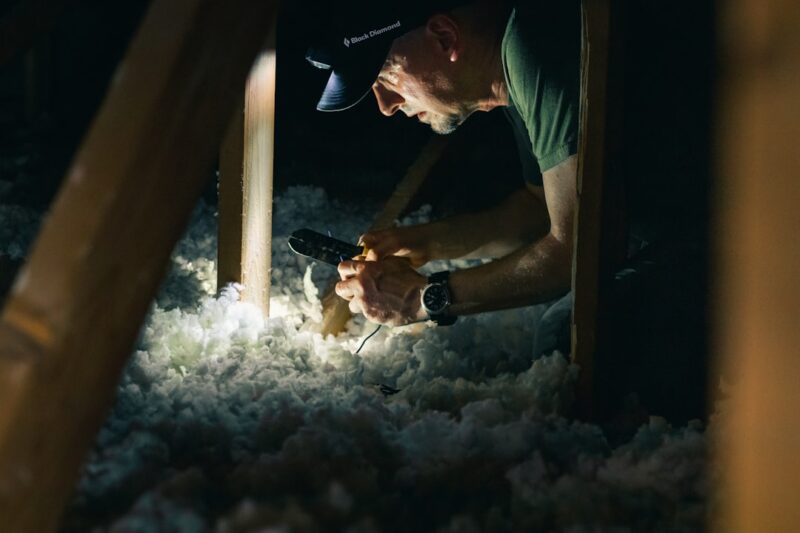

Ten Things You NEED to Consider Before Upgrading Your Attic Insulation!:
