Affiliate disclosure: some links below are Amazon affiliate links. If you buy through them we may earn a commission at no extra cost to you.
Hardwood is dense, and a blade that is fine for pine can burn, chip and tear out on oak, maple or walnut. The blade does more to decide your cut quality than the saw does. This guide explains what to look for in a circular saw blade for hardwood, then lists eight cordless circular saws that take good hardwood blades, since the blade has to be matched to a saw that can spin it with enough power.
- Quick answer: choose a carbide-tipped blade of about 40 to 60 teeth with an alternate top bevel (ATB) grind, in the diameter and arbor size your saw specifies.
- Saw picks: DEWALT DCS570B for the most power and depth, Makita XSS02Z or Bosch CCS180B for lightweight finish work, Ryobi PCL500B or Skil CR540602 for budget.
- Note: the saw links below go to Amazon searches for the saw, not to a specific blade. Pick your blade separately using the checklist.

What makes a good circular saw blade for hardwood
Four features decide how a blade behaves in dense wood. Both guides this article replaces, along with the manufacturer guides they cite, agree on the basics.
Carbide-tipped teeth
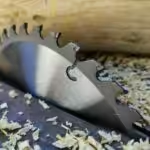
Hardwood dulls steel quickly. Carbide-tipped teeth hold an edge much longer and are the standard choice for dense wood. A dull blade shows up as burn marks, rough cuts and slow feeding, and it is the point to sharpen or replace it.
Tooth count
For smooth cuts in hardwood, aim for roughly 40 to 60 teeth. More teeth mean a finer finish and less tear-out but a slower cut. Fewer teeth cut faster and clear chips better, which suits ripping along the grain, but leave a rougher edge. If you want one blade for both, a combination blade sits in the middle. Blade makers list the intended use on the package, so check it.
Tooth geometry
An alternate top bevel (ATB) grind alternates the angle of the teeth left and right so each one slices the wood fibers instead of tearing them. It is the common recommendation for clean crosscuts and finish cuts in hardwood.
Diameter, arbor and kerf
The blade has to match your saw. Most handheld circular saws take blades from 6-1/2 to 7-1/4 inches, and the arbor hole must fit your saw's spindle. Check the saw's manual for the maximum blade diameter and thickness. A thinner kerf removes less wood and asks less of a battery saw, but can flex more, so do not force it through thick stock.

Match the saw to the blade
A strong motor and a good blade work together. A weak saw bogs down in dense hardwood, which burns the cut and shortens blade life. Cordless saws in the 18V to 20V range now offer a good balance of power and portability for most hardwood work. For a bigger comparison of battery models, see our guide to the best cordless circular saw for home use.
Circular saws that take good hardwood blades
Both source posts reviewed the same eight saws, so the notes below combine their pros and cons. None of them ships with a hardwood-grade blade chosen for you: the saws are listed without blades, and batteries are generally sold separately. Confirm each saw's blade diameter and what is included on the current product listing before you buy.
1. DEWALT DCS570B 7-1/4 Circular Saw
A powerful cordless saw with a 7-1/4 inch blade, so it can take the largest common blade size and cut deepest. Both original reviews praised its motor and depth control.
Best for: Heavy-duty hardwood ripping and precision cuts for pros and serious DIYers.
Pros
- Strong brushless motor for dense hardwood
- Largest blade capacity of the group (7-1/4 inch)
- Accurate depth adjustment and a comfortable handle
Cons
- Heavier than the 6-1/2 inch competitors
- Battery and blade sold separately; higher price point
2. Makita XSS02Z 18V Circular Saw
A lightweight, compact 18V saw with a brushless motor and a 6-1/2 inch blade, good for smaller hardwood cuts.
Best for: Portability and precise cuts on hardwood sheets, trim and smaller jobs.
Pros
- Lightweight and easy to carry
- Brushless motor and good battery life
- Smooth cuts with an appropriate blade
Cons
- Smaller blade limits maximum cut depth
- Battery not included
3. Milwaukee 2730-20 6-1/2 Circular Saw
A compact, durable 6-1/2 inch cordless saw with an ergonomic, balanced feel.
Best for: Versatile, routine hardwood cutting on the jobsite.
Pros
- Robust build and easy to handle
- Good power for hardwood
- Accepts many 6-1/2 inch hardwood blades
Cons
- 6-1/2 inch blade limits cut depth
- Average battery runtime; battery and charger not included

4. Bosch CCS180B 18V 6-1/2 Circular Saw
A lightweight 18V saw with a brushless motor and accurate bevel adjustment, aimed at clean cuts in trim and finish work.
Best for: Finish work, trim and bevel cuts in hardwood.
Pros
- Accurate bevel adjustment
- Brushless motor for efficiency
- Compact and lightweight
Cons
- Smaller blade limits depth
- Battery and blade sold separately
5. Ryobi PCL500B 18V Circular Saw
An affordable 18V saw with a comfortable grip, suited to light and medium hardwood work.
Best for: Budget hardwood projects and DIY tasks.
Pros
- Affordable
- Comfortable, user-friendly design
- Fine for occasional use
Cons
- Less power for thick hardwood
- Blade changes could be more convenient; battery and blade sold separately
6. Skil CR540602 20V 6-1/2 Circular Saw
A lightweight 20V saw with a comfortable grip and decent runtime for occasional hardwood jobs.
Best for: Budget-conscious buyers who cut hardwood occasionally.
Pros
- Good value
- Lightweight and easy to maneuver
- Comfortable grip
Cons
- Not ideal for very thick hardwood
- Battery and blade not included
7. WORX WX531L 20V Circular Saw
A compact, affordable cordless saw that is easy to use and quick to change blades on.
Best for: Casual users who want a light cordless saw for trimming and small cuts.
Pros
- Portable and light
- Affordable cordless option
- Easy blade changes
Cons
- Lower torque for thick hardwood
- Battery and blade sold separately
8. BLACK+DECKER BDCCS20B 20V Circular Saw
A compact, beginner-friendly 20V saw that balances power and portability.
Best for: DIY beginners and light hardwood crosscuts and small rip cuts.
Pros
- Lightweight and compact
- Easy to operate
- Ergonomic handle
Cons
- Shallow cutting depth and limited torque for dense wood
- Battery and blade sold separately
Quick comparison
Voltage and blade size below are the figures both source posts agree on. Treat them as a starting point and check the current listing.
| Model | Battery | Blade size | Best for |
|---|---|---|---|
| DEWALT DCS570B | 20V Max | 7-1/4 in | Heavy-duty hardwood ripping |
| Makita XSS02Z | 18V | 6-1/2 in | Precision cuts on hardwood sheets and trim |
| Milwaukee 2730-20 | 18V | 6-1/2 in | Versatile, routine hardwood cutting |
| Bosch CCS180B | 18V | 6-1/2 in | Smooth cuts and bevels on hardwood trim |
| Ryobi PCL500B | 18V | See listing | Budget light to medium work |
| Skil CR540602 | 20V | See listing | Occasional hardwood cutting on a budget |
| WORX WX531L | 20V | See listing | Light trimming and small cuts |
| BLACK+DECKER BDCCS20B | 20V | See listing | Beginners and light work |
Tips for cleaner hardwood cuts
- Start with a sharp carbide-tipped blade of 40 to 60 teeth for finish cuts.
- Set the blade depth just slightly deeper than the thickness of the board.
- Keep a steady feed speed. Forcing the saw or stalling mid-cut causes burn marks and chipping.
- Use a zero-clearance insert or a sacrificial backing board to reduce tear-out on the underside of the cut.
- Support the work so the offcut does not pinch the blade, and clamp it down.
- Wear eye and hearing protection and keep the guard working. See OSHA's power tool safety pages for general guidance.

Frequently asked questions
What tooth design is best for hardwood?
An alternate top bevel (ATB) grind is the usual recommendation. It slices the wood fibers for clean, low tear-out cuts, especially across the grain.
Can I use a blade with fewer teeth on hardwood?
You can, particularly for ripping, but fewer teeth cut faster and leave a rougher edge with more tear-out. For finish quality, use 40 teeth or more.
How do I know a blade fits my saw?
Match the blade diameter and arbor size to the saw, and check the manual for the maximum blade diameter and thickness. Most handheld saws use 6-1/2 to 7-1/4 inch blades.
How often should I sharpen or replace a blade?
It depends on how much you cut and what wood. Hardwood dulls blades faster. Sharpen or replace the blade when you see burning, rough cuts, or it takes more effort to feed.
Related guides
- Best cordless circular saw for home use
- Best miter saw for crown molding
- Best tool to cut laminate flooring without damage
Sources
- Diablo Tools: circular saw blade guide: manufacturer overview of blade types and tooth counts.
- OSHA: power tools: general power tool safety.