
Find the best cutting mat for architectural models to elevate your crafting experience. Discover how the right tools enhance precision and creativity!
The best cutting mat for architectural models combines precision, protection, and longevity—so you can cut cleaner, work more confidently, and protect your work surface across projects.
What makes a cutting mat ideal for architectural models
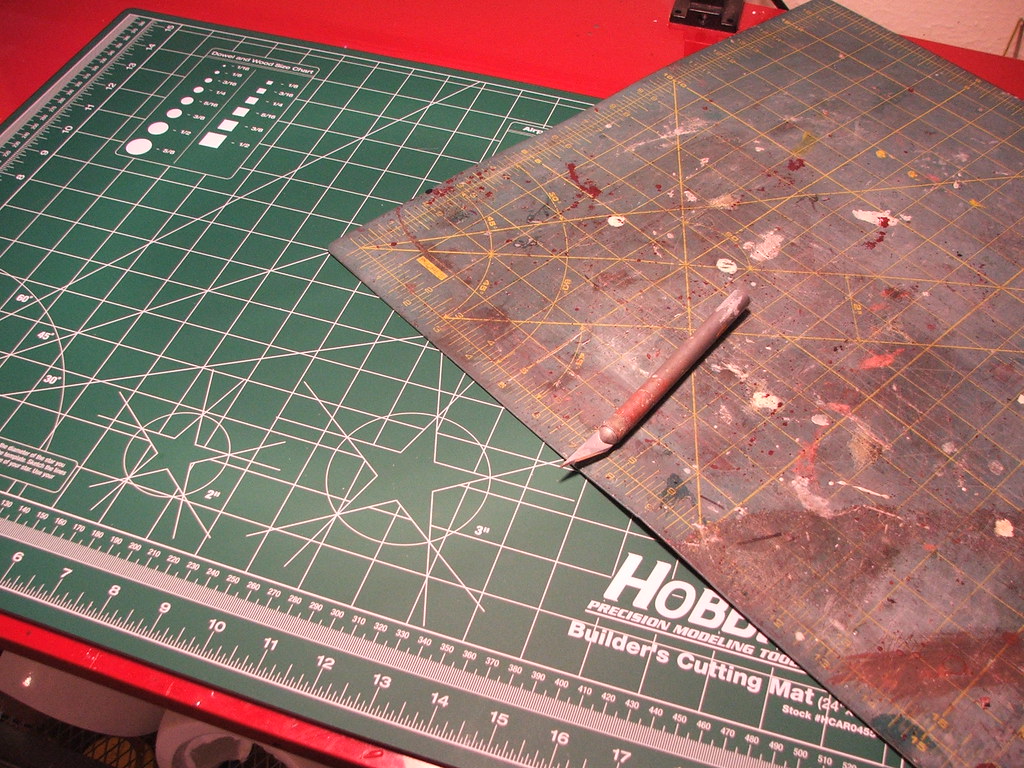
Architectural modeling thrives on accuracy and smooth surfaces. A self-healing surface is essential because it closes up minor cuts after each blade pass, keeping the surface smooth and ready for future cuts. A double-sided design extends the mat’s lifespan by offering two distinct cutting surfaces—one side optimized for cutting and another for gluing or drafting—so you can tailor the surface to the task at hand. Built-in grid lines help you align with both metric (cm) and imperial (in) measurements for quick layout checks. The typical 3 mm thickness provides sturdy support without sacrificing portability or ease of transport. A non-slip base prevents creeping during cutting, which is critical when making precise architectural joins.
- Self-healing surface for longevity
- Double-sided with different guides or textures
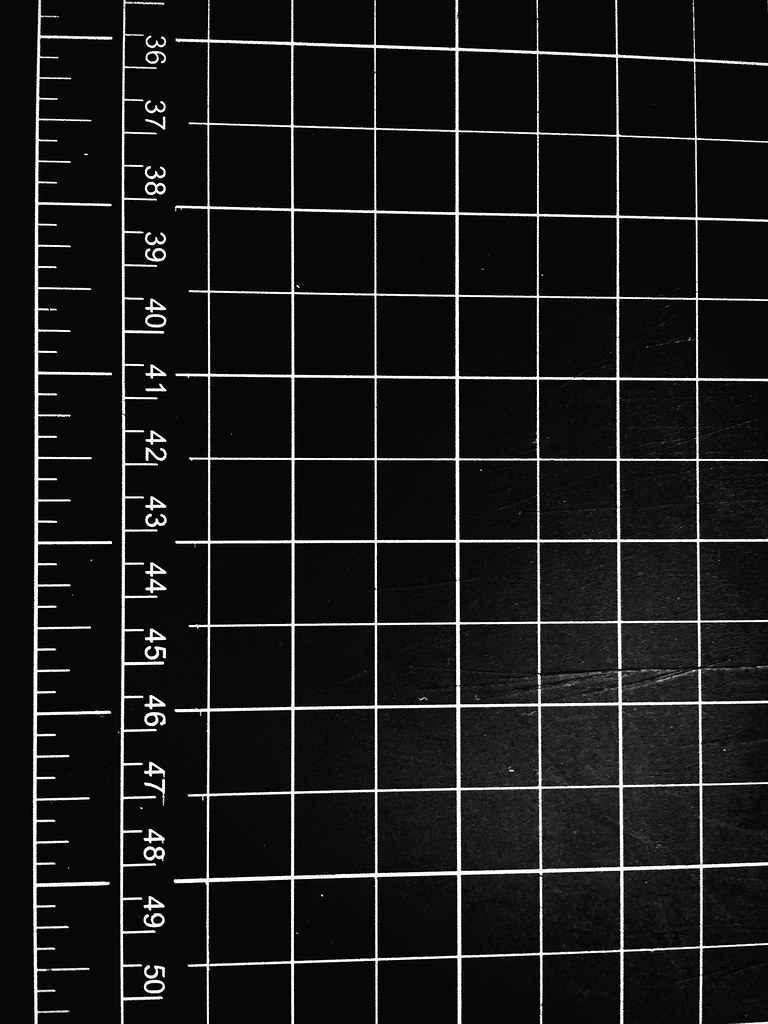
- Clear grid marks in cm and inches for precision
- Moderate thickness around 3 mm for stability
- Non-slip base to prevent shifting
- Durable, multi-layer construction (often PVC)
Size and format: which mat should you choose?
Size choice often depends on workspace and project scale. Mats are commonly available in four sizes that align with standard paper formats, with A4 through A1 being the most practical for study and studio work. A1 and A2 mats are frequently shipped rolled in protective cylinders to prevent transit damage, while smaller mats ship flat for easy handling.

- A4 (30 x 22 cm) — compact and portable for small detail work
- A3 (45 x 30 cm) — versatile mid-size for a range of models
- A2 (60 x 45 cm) — ideal for mid-to-large scale models
- A1 (90 x 60 cm) — best for expansive layouts and large sheets
When shopping for academic or studio use, larger mats are great for reducing repositioning, while smaller mats offer portability. If you’re shipping mats for a class or studio, expect A1 and A2 to arrive rolled, with others usually shipped flat.
Materials and durability: what to expect
Most high-quality cutting mats are multi-layer PVC, designed for durability and self-healing properties. A 3 mm thickness is a practical balance between stability and portability, making it suitable for grey board and similar architectural modeling materials. Mat textures can vary between sides, and many mats include a non-slip base to keep the surface stable during cutting. Some double-sided mats offer different textures or grid patterns on each side, enabling switching between cutting, gluing, or drafting tasks without swapping mats.

In some setups, you might encounter magnetic cutting mats for securing small metallic components during assembly. Larger mats can be trimmed to fit specific workspaces, which is helpful in studios with custom desks or drafting tables.
Practical workflow: using a cutting mat effectively
A well-used cutting mat becomes a core part of your workflow. Here’s a practical approach that leverages a cutting mat’s strengths:
- Secure the mat on a stable, clean desk or worktable to prevent shifting.
- Use the grid side up when precise measurement and alignment are required.
- Rotate the mat to a comfortable cutting angle if needed, keeping the ruler aligned with the grid for accuracy.
- Replace or maintain blades regularly to ensure clean cuts and reduce surface wear.
- Use a sharp scalpel or utility knife with steady, controlled pressure.
- Wipe the mat with a damp cloth after use to remove debris; avoid harsh solvents that can degrade the surface.
- Store the mat flat or rolled (if designed for rolling) to protect the surface when not in use.

Working with grey board and other model materials
Grey board is a staple in architectural modeling, prized for its strength and versatility. It commonly ranges from about 1 mm to 2 mm for structural elements, with thicker options adding rigidity. The color and thickness of grey board influence both the model’s visual quality and its light management, making it a popular choice for both conceptual and final models. A cutting mat protects both the board and your blades while helping align pieces to scale with its grid.
Larger mat sizes cover more surface area, reducing the need to reposition pieces as you work, which improves accuracy and reduces waste. A mat’s grid helps ensure clean, square joints and consistent cuts across all components.
Cost considerations and buying tips
Cutting mats vary in price by size, thickness, and feature set. Typical ranges you can expect (illustrative, may vary by retailer):
- A4 mats: around $22.95
- A3 mats: around $39.90
- A2 mats: around $59.50
- A1 mats: around $96.90
When choosing, consider:
- The size that best fits your workspace and projects
- Whether a double-sided surface offers added longevity and flexibility
- The grid density and whether measurements in both cm and inches meet your needs
- The ease of rolling or flat-pack shipping and storage
Frequently asked questions
- Why should I use a self-healing cutting mat? It minimizes visible marks after cuts, extending the mat’s life and keeping surfaces smooth for precision work.
- What thickness is best for architectural modeling? About 3 mm provides a sturdy cutting surface while remaining portable and forgiving for a range of common model materials.
- Are double-sided mats worth it? Yes, they double the usable life and let you tailor surfaces for different tasks, such as cutting on one side and gluing on the other.
Working with kits, tools, and accessories
The right cutting mat is part of a broader toolkit for architecture students and professionals. In addition to mats, consider good-quality cutting knives, pliers for shaping, glue, and pins for secure assembly. A mat’s grid and non-slip base pair with a reliable ruler to help you lay out and execute precise cuts on grey board and other model materials. For larger or more intricate projects, magnetic mats or larger, customizable mats can help manage multiple components at once.
What makes a cutting mat worth it for architecture students?
From the perspective of practice, a double-sided, self-healing mat with clear cm and inch grids is the most versatile choice. One side can be reserved for cutting, the other for gluing or drafting, effectively doubling your usable surface. The 3 mm thickness provides a stable cutting platform without being overly bulky, and a non-slip base keeps your work aligned as you cut complex shapes and joints.
SVG and table: quick reference for sizes and features
| Size | Dimensions (cm) | Notes |
|---|---|---|
| A4 | 30 x 22 | Compact, portable; good for small detail work |
| A3 | 45 x 30 | Versatile mid-size; balanced for detail and larger sheets |
| A2 | 60 x 45 | Large enough for mid-to-large scale models; common in studios |
| A1 | 90 x 60 | Best for expansive layouts; often shipped rolled |
Closing thoughts: choosing the best mat for your studio
The best cutting mat for architectural models blends durability with practical features that support a precise, efficient workflow. A high-quality mat with a self-healing surface, a double-sided grid, and a comfortable thickness helps you cut confidently, protect your work surface, and maintain accuracy across projects. If you’re working with grey board, pair your cutting mat with sharp blades, reliable glue, and careful handling to create consistent, high-quality results. What features do you value most in a cutting mat for architecture—grid density, thickness, or one of the dual-surface options? Share your favorites, tips, or questions in the comments and tell us how a great cutting mat has improved your modeling process.
For a concrete example of a commonly used cutting mat in architectural-modeling workflows, consider the Alvin 18" x 24" Green/Black Professional Self-Healing Cutting Mat – UH Manoa Bookstore, noting its size and dual-sided grid for alignment.
Readers can also explore the Cutting Mats - University of Minnesota Bookstores for budget-friendly mat options, including sizes and pricing, to facilitate their selection process.
For an academic insight into cutting mats as designed surfaces, visit Separating the Work from the Surface: Typology of CFA Cutting Mats. This reference will illustrate the relevance of mat typologies in how models are built and presented.
If you are seeking a compact cutting mat option, consider the Cutting Mat | The Leather Guy, which is 12" x 18" and could be useful for smaller architectural models or workspace constraints.
For general background on cutting mats, including their uses and common features, refer to the cutting mat - Wikipedia page.
For broader consumer-focused insights, The Cutting Mat Podcast offers a supplementary resource discussing practical usage of cutting mats.
If you are considering alternative purchasing options, you can explore this widely available Alvin Cutting Mat 18 x 24 – Blick Art Materials or consult another reference point with a different visual option: the Alvin Cutting Mat 18 x 24 – Translucent (Blick).
Another supplier option for readers seeking 18x24 self-healing mats is the Alvin 18x24 Self-Healing Cutting Mat – Midwest Technology.
For a concise product search, direct yourself to self-healing cutting mats 18x24 for architectural models (Amazon).
1) Fiskars Self Healing Cutting Mat for Quilting, Arts and Crafts, 24" x 36" Grid
The Fiskars 24" x 36" self-healing cutting mat is a popular choice for architectural modelers who need a large, durable surface that resists cuts and scratches. The gridlines help with precise scale planning and cutting, making it ideal for large-scale foam core or card stock work used in architectural presentations.
Key details:
- Size: 24" x 36" with grid for measurement accuracy
- Self-healing surface that minimizes visible cuts
- Suitable for heavy-duty craft work, drafting, and model making
- Durable construction designed for frequent cutting with hobby knives
- Product page: see current pricing on Amazon

2) Density-upgraded 24" x 36" Large Self Healing Sewing Mat (Idemeet), Green
The Idemeet 24" x 36" self-healing cutting mat offers a multi-ply construction that yields a sturdier tool for repetitive cuts—useful when building large architectural mockups or assembly lines of models. The green mat reduces glare and provides a clear contrast for clean scoring and trimming of materials like foam board, matboard, or acrylic sheets.
Key details:
- Size: 24" x 36"
- 5-ply construction for enhanced durability
- Self-healing surface suitable for rotary cutters and hobby blades
- Green color reduces glare during long drafting sessions
- Product page: see current pricing on Amazon

3) anezuS Self Healing Sewing Mat, 12" x 18" Rotary Cutting Mat (Double Sided)
The anezuS 12" x 18" double-sided cutting mat provides a compact option for detailed model work on smaller architectural pieces. Its double-sided 5-ply construction offers resilience for repeated scoring and trimming on small-scale mockups, making it suitable for detailed sections or intricate facades.
Key details:
- Size: 12" x 18"
- Double-sided cutting surface with 5-ply build
- Great for precise miniature or model detailing
- Lightweight and portable for on-site or desk use
- Product page: see current pricing on Amazon

4) Gundam Model Builder's Cutting Mat 12" x 18" (A3)
Though marketed for model builders, the 12" x 18" Gundam cutting mat is well-suited for precise cuts on architectural model components such as small-scale facades, trim details, or miniature interiors. The A3-size mat provides a sharp cutting surface with a non-slip base for controlled accuracy.
Key details:
- Size: 12" x 18" (A3)
- Self-healing surface designed for hobby blades
- Suitable for fine-detail model work and trimming
- Lightweight and portable
- Product page: see current pricing on Amazon

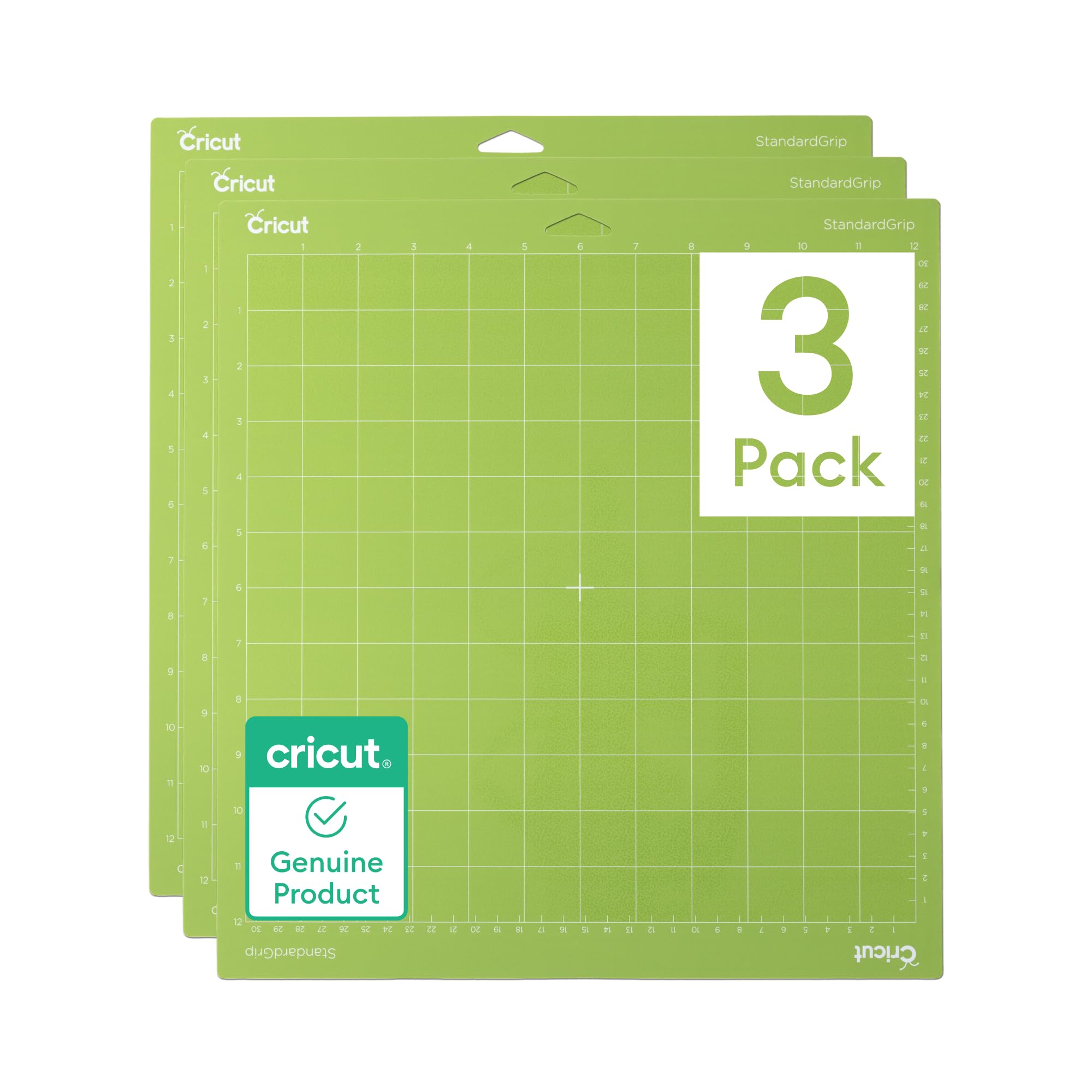
5) Cricut StandardGrip Cutting Mat (12in x 12in) – 3 Pack, Green
The Cricut StandardGrip mats are a versatile option for modelers who also fabricate with vinyl, paper, or thin foam sheets. While not a traditional cutting mat for rigid architectural materials, its stable grip helps with clean lines on lighter components, especially when making presentation boards or decorative elements.
Key details:
- Size: 12" x 12" per mat; sold in 3-pack
- Green StandardGrip surface for secure adhesion
- Suitable for lightweight projects and prototyping
- Product page: see current pricing on Amazon
6) Fiskars 18" x 24" Folding Cutting Mat for Travel and Storage
This folding cutting mat from Fiskars is ideal for modelmakers who travel to client sites or need a portable cutting surface in a compact footprint. Despite its travel-friendly design, the mat still delivers a self-healing surface suitable for precise cuts on small to mid-size model components.
Key details:
- Size: 18" x 24" (folding)
- Self-healing surface designed for repeated cuts
- Easy to fold and store for on-site work
- Gray color with anti-slip properties
- Product page: see current pricing on Amazon

7) The Army Painter Self-Healing Cutting Mat, A4 (PVC, 3-layer) for Miniatures
While marketed for miniature assembly, The Army Painter A4 self-healing mat provides a stable, non-slip surface with multi-layer PVC construction. For architectural modelers, it offers a compact option for detailed trimming of small parts, such as miniature façade elements or model interiors.
Key details:
- Size: A4
- 3-layer PVC, self-healing
- Anti-slip surface for precise cuts and assembly
- Lightweight, easy to transport
- Product page: see current pricing on Amazon

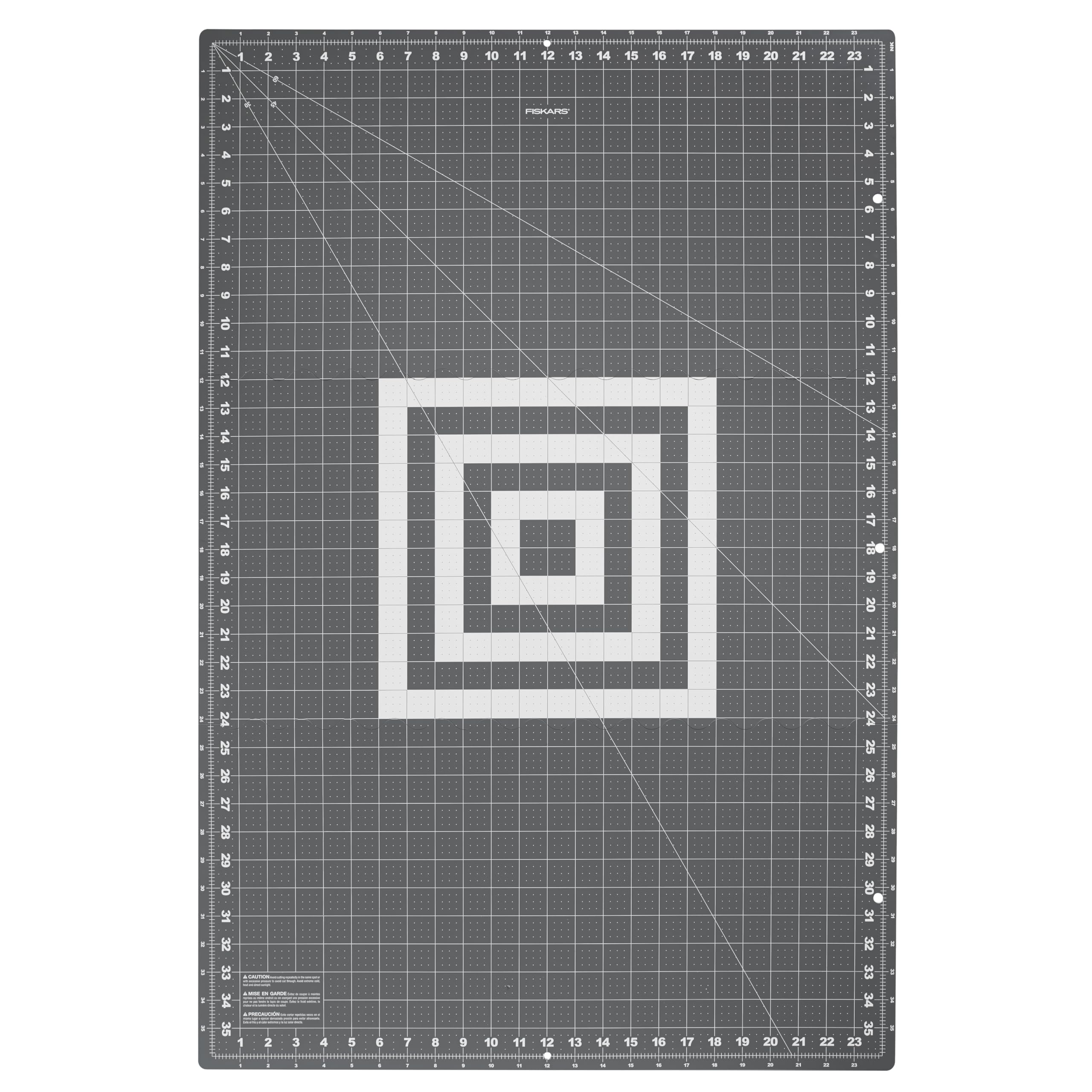
8) Fiskars 24" x 36" Folding Cutting Mat for Travel and Storage
For professionals who frequently transport materials between offices or on-site sessions, this 24" x 36" folding cutting mat offers a large cutting surface that folds for convenient storage. It combines the stable grid-based layout with portability for field-based architectural model work.
Key details:
- Size: 24" x 36" (folding)
- Self-healing surface for long-term use
- Portable design with secure folding mechanism
- Gray color for low glare during drafting
- Product page: see current pricing on Amazon
9) DIYSELF Cutting Mat 12" x 18" (A3) – Double Sided for Craft Work
The DIYSELF 12" x 18" double-sided mat is a budget-friendly option with a reliable self-healing surface. It’s well-suited for smaller architectural projects, such as detailed paneling or interior mockups, where a compact cutting area is preferred.
Key details:
- Size: 12" x 18"
- Double-sided, self-healing
- Great for desk-based, detail-oriented model work
- Lightweight and easy to store
- Product page: see current pricing on Amazon
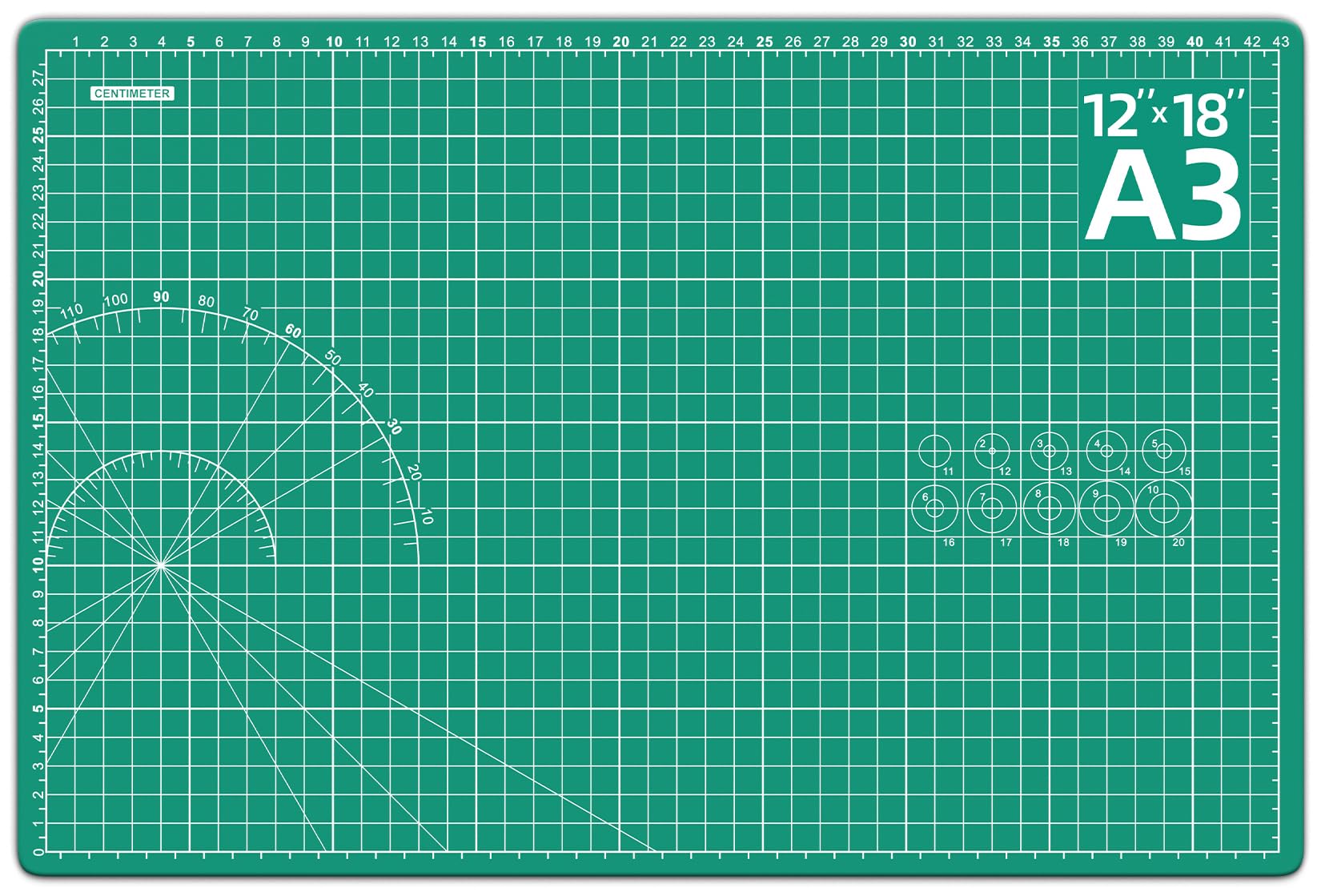
10) Ecraft Large Self Healing Cutting Mat: 24" x 36" (Grey/Black)
The Ecraft large cutting mat offers a 24" x 36" self-healing surface in a dual-tone grey/black pattern. Its robust, multi-ply construction makes it a strong candidate for large architectural model components like base boards, intricate facades, and multi-part assemblies.
Key details:
- Size: 24" x 36"
- Double-sided 5-ply construction
- Grey/black surface helps reduce glare during long drafting sessions
- Durable mat designed for heavy use
- Product page: see current pricing on Amazon

When it comes to crafting architectural models, having the right cutting mat can truly elevate your experience. Not only do these mats protect your surfaces and tools, but they also ensure precise and clean cuts, which are essential for achieving that professional finish. So whether you’re a seasoned architect or just stepping into the world of model-making, choosing a cutting mat that fits your needs will undoubtedly make the process smoother and more enjoyable. After all, there’s nothing quite like working on a great project with the perfect tools at your disposal.
Stay Connected for More Inspiration!
We’d love to hear about your experiences with different cutting mats and any tips you might have for your fellow creators. Don’t hesitate to share your thoughts! Plus, if you’re looking for more inspiration or architectural tips, make sure to follow us on social media. You can check out our Pinterest board for loads of creative ideas, like the ones found here. Let’s keep the conversation going, and happy model-making!
