
If you’re aiming for a clean, durable exterior, the best saw for cutting vinyl siding is the tool that delivers precise, chip-free edges while handling long runs with minimal effort. For sourcing hardware or recommended tools for vinyl siding installation, you can check the Amazon search for vinyl siding saws to compare models, reviews, and pricing.

| Tool | Advantages | Considerations |
|---|---|---|
| Sliding Miter Saw | Precision, repeatable crosscuts and bevels; reduces tear-out with proper technique | Requires ample workspace; heavier; blade choice and settings impact results |
| Circular Saw | Highly versatile and portable; great for long, straight cuts with a straightedge guide | Higher risk of chipping without guides; needs solid PPE and proper technique |
| Jigsaw | Excellent for openings and trim; lightweight and easy to maneuver | Not ideal for long, straight runs; slower for large siding jobs |
Understanding Different Saws
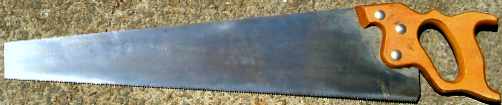
These tools vary in operation and ideal use cases. Each type has strengths for different aspects of vinyl siding installation, from precise crosscuts to openings and long straight runs.
What makes vinyl siding cuts different
Vinyl siding expands and contracts with temperature, so you want clean edges that allow a touch of movement. Oversized yet controlled cuts help prevent buckling and cracking, especially in heat, while preserving a seamless look around windows and corners.
Best saw options for vinyl siding
For most homeowners, a sliding miter saw is the go-to for its accuracy and efficiency with repeat cuts. If a sliding miter saw isn’t available, a circular saw with a straightedge guide can still produce excellent results, while a jigsaw excels for openings and trim after the main panels are in place.
Sliding miter saw: why it shines for siding
These saws let you pull the blade through the vinyl, reducing backside tear-out and chipping. Look for positive stops, clear cut lines, and a sturdy base to keep long pieces stable during cutting.
Other practical options
When space or budget are tight, a circular saw with a straightedge can handle long, straight cuts. Choose a corded or cordless model with a sharp blade designed for vinyl or plastics. For openings, a sharp jigsaw provides precise control without damaging surrounding material.

Choosing the right blade and settings
The blade determines edge quality and heat management. Opt for blades designed for plastics or vinyl with fewer teeth and a positive rake angle. Practical tips include:
- Use carbide-tipped blades with a clean tooth profile for vinyl.
- Set the correct cutting angle and use a high-quality straightedge for straight cuts.
- Avoid climbing cuts; cut with the material moving away from you to minimize tear-out.
- Support long siding with stands or clamps to prevent sagging and binding.
Step-by-step: cutting vinyl siding with a sliding miter saw
- Measure carefully and mark the line, accounting for expansion gaps per installation guidelines.
- Clamp the siding securely to prevent movement during the cut.
- Choose the appropriate blade and adjust speed for vinyl; ensure the blade is sharp and clean.
- Make a smooth, steady cut, pulling the blade through to minimize top-surface chipping.
- Inspect the edge for burrs; lightly sand or trim with a utility knife if needed, avoiding nicks.
Common mistakes and how to avoid them
- Cutting without proper support—use clamps and stands for even backing.
- Ignoring expansion gaps—sun exposure can cause buckling if gaps aren’t left.
- Using the wrong blade—a wood blade won’t yield clean vinyl edges; use plastics/vinyl blades.
- Improper feed technique—pull the saw through for cleaner cuts and less tear-out.
Safety tips
Safety matters as you cut vinyl siding. Follow these guidelines:
- Wear eye and hearing protection.
- Keep hands away from the blade and clamp the workpiece securely.
- Work in a well-ventilated area to avoid inhaling vinyl particles.
- Unplug the saw when changing blades or making adjustments.
Frequently asked questions
Common inquiries about cutting vinyl siding include:
- Can I cut vinyl siding with a handheld circular saw? Yes—with care and a straightedge guide; use a clean blade and proper support.
- Should I cut siding on the ground or a workbench? A stable, flat surface is best for precision and preventing warping.
- Do I need to pre-cut pieces longer for expansion? Yes—account for expansion gaps per manufacturer or code guidelines.
- How do I handle corner pieces and J-channel? Cut corner pieces slightly oversized if needed and use J-channel to guide and secure edges.
Choosing the right saw for vinyl siding comes down to control, edge quality, and managing long runs. A sliding miter saw often delivers the best balance of precision and efficiency, especially for straight cuts and consistent repetition. If you’re working in a tighter space or on a smaller project, a circular saw with a straightedge and a sharp vinyl blade can still do the job well. If you’ve tackled a vinyl siding project, share which saw you used and the tips that helped you achieve clean, professional edges. What’s your experience with cutting vinyl siding, and what trick would you pass along to fellow DIYers?
When it comes to choosing the best saw for cutting vinyl siding, it's all about finding the right balance of precision, power, and ease of use. Remember, vinyl siding can be a little tricky to work with, so selecting the right tool will make your project not only easier but also more enjoyable. Whether you opt for a traditional hand saw, a power miter saw, or even a circular saw, just be sure to prioritize features like blade sharpness and safety mechanisms. Ultimately, the right saw will allow you to cut clean lines and create a professional-looking finish that you can be proud of.
Stay Connected for More Tips!
I hope you found this guide helpful and informative as you embark on your vinyl siding projects! If you're looking for more tips and inspiration, don’t hesitate to follow along on my journey over on Instagram. I love sharing insights, project updates, and even the occasional behind-the-scenes look at my own home improvement adventures. Let's stay connected, and happy cutting!
1. SKIL 15 Amp 7-1/4 Inch Circular Saw with Single Beam Laser Guide (5280-01)

The SKIL 5280-01 is a corded circular saw that pairs a 15-amp motor with a 7-1/4 inch blade, delivering solid cutting power for vinyl siding installations and framing tasks. The built-in single beam laser guide helps you line up straight cuts quickly, which is especially helpful when trimming siding pieces to fit tight panels and vents. Its relatively lightweight design makes it manageable for overhead or vertical cuts when installing siding along exterior walls.
- Key specs: 15A motor, 7-1/4" blade, laser guide
2. Skil 5080-01 13-Amp 7-1/4" Circular Saw (Red) with 7-1/4" blade

This Skil 5080-01 model provides a robust 13-amp motor in a compact frame, ideal for vinyl siding projects where you need precise long rip cuts or perpendicular edge trims. The 7-1/4" blade size is common for decking and siding materials, allowing you to handle most standard siding thicknesses with ease. The red tool is built for durability and user-friendly operation on job sites.
- Key specs: 13A motor, 7-1/4" blade
3. DEWALT Circular Saw, 7-1/4 inch, Pivoting with up to 57 Degree Bevel (DWE575SB)

The DEWALT DWE575SB offers a pivoting design with a bevel capacity up to 57 degrees, making it versatile for angled siding cuts and trimming. Its sturdy construction and smooth bevel adjustments help ensure clean, accurate cuts along vinyl siding profiles, especially when you need to make bevel cuts around corners or trim the edge precisely for a tight seal.
- Key specs: 7-1/4" blade, up to 57° bevel, corded
4. DEWALT 20V MAX Cordless Reciprocating Saw (DCS387B) Bare Tool

The DCS387B is a compact cordless reciprocating saw offering good cutting versatility for vinyl siding removal or trimming tasks where access is restricted. Being battery-powered, it’s convenient for ladder work or overhead cuts without a cord crowding the workspace. It’s a practical option when you need to trim or cut siding pieces in tight spots.
- Key specs: 20V MAX, cordless, compact design
5. DEWALT 20V MAX XR Reciprocating Saw (DCS367B) with Brushless Motor
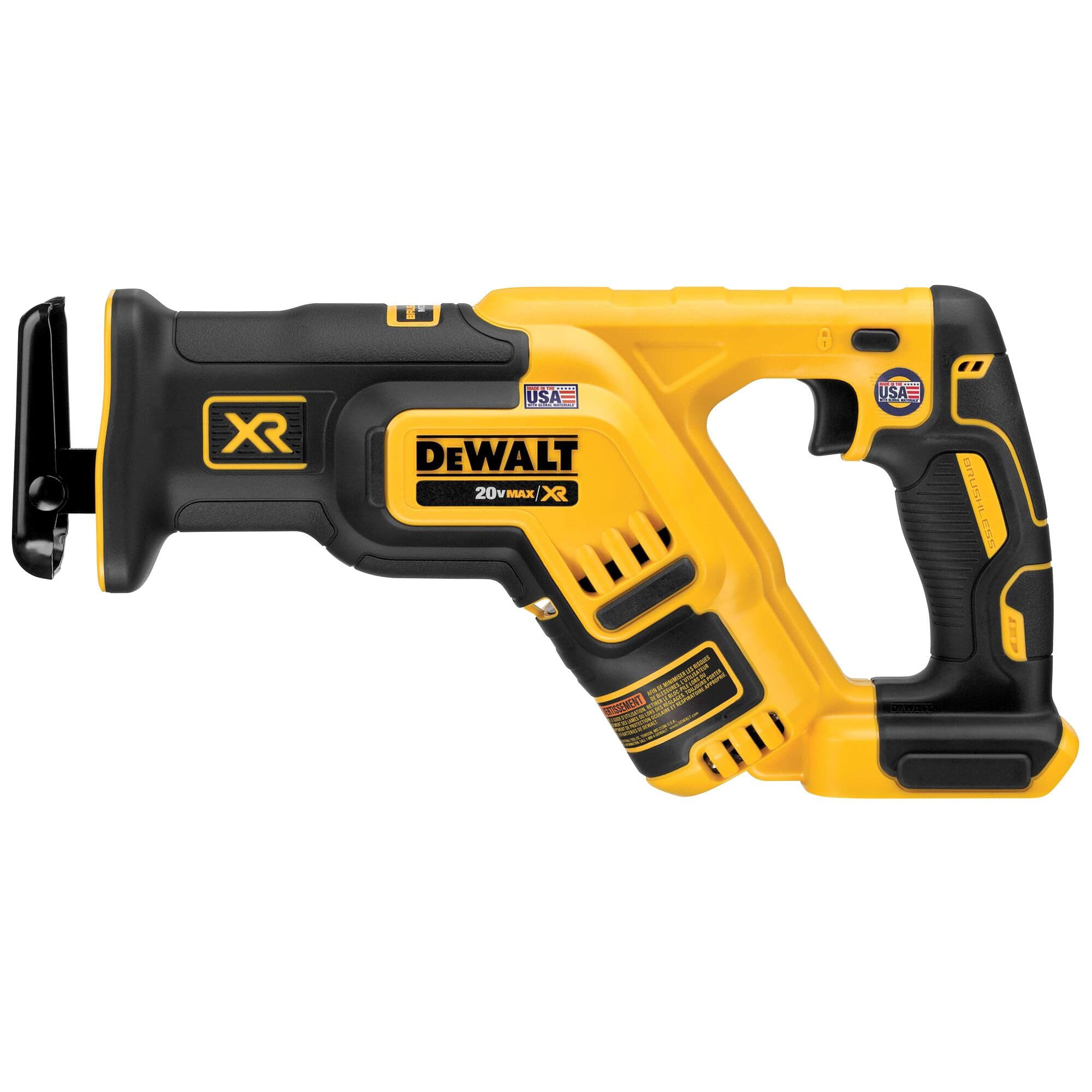
This XR variant from DEWALT leverages a brushless motor for longer life and efficiency, ideal for frequent cutting of vinyl siding edges or removing nails from old siding pieces. The compact form factor and variable speed help tailor performance to the material density you’re working with, ensuring cleaner cuts and less vibration during long cutting sessions.
- Key specs: Brushless motor, 20V MAX, variable speed
6. MARSHALLTOWN Ultra-Lite Flooring Cutter 13 Inch (Vinyl Siding, Plank, Laminate) – Assembled in USA
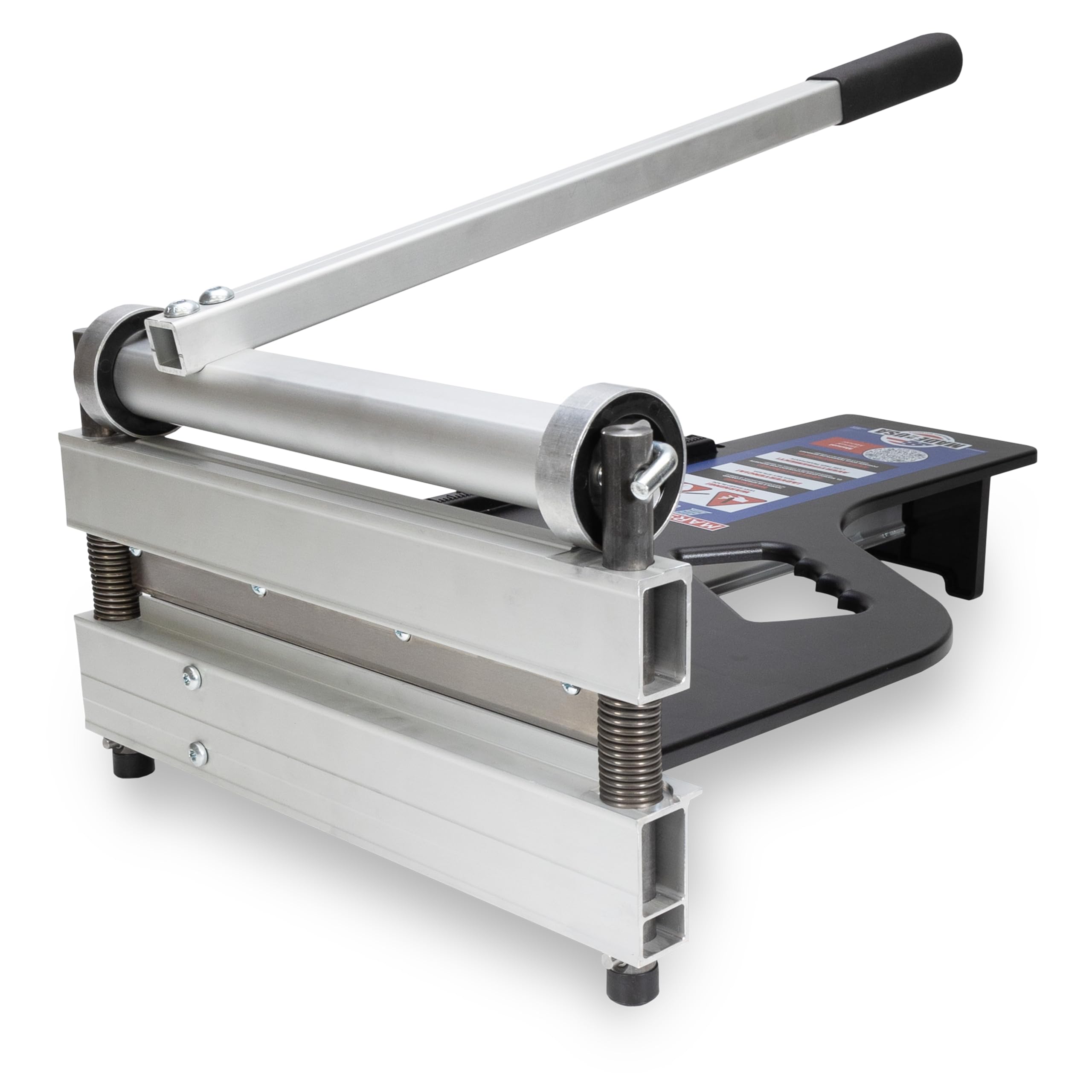
Although marketed for flooring and siding, the MARSHALLTOWN Ultra-Lite Cutter is a practical tool for vinyl siding professionals when you need square, precise cuts through vinyl planks or boards. Its 13-inch cutting capacity and included honing stone make it a handy companion for rough trimming and achieving clean edges before installation or sealing gaps.
- Key specs: 13" capacity, assembled in USA, includes honing stone
7. DEWALT ATOMIC 20V MAX Reciprocating Saw (DCS369B) One-Handed Cordless
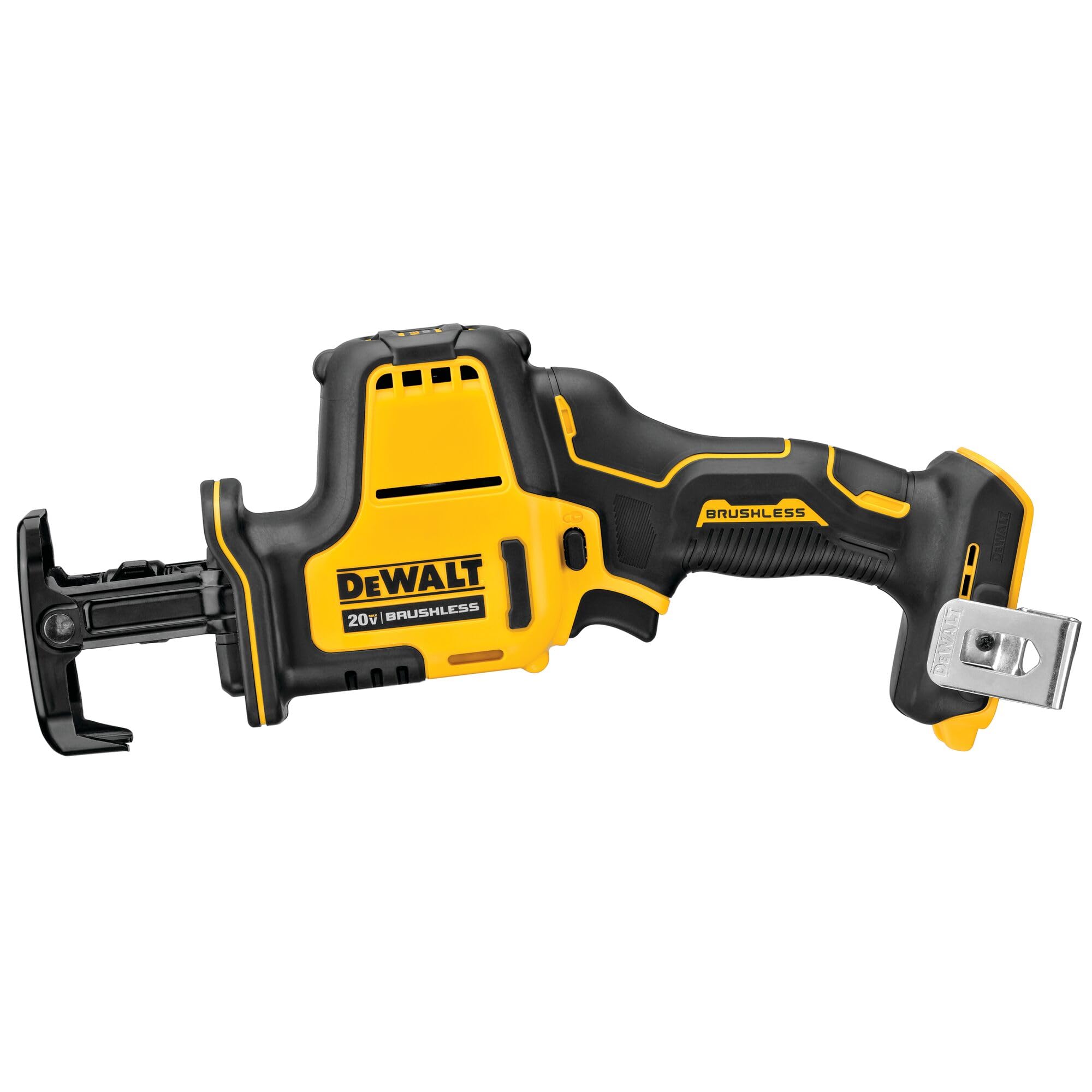
The DCS369B Atomic line emphasizes one-handed operation and compact design for ease of use in siding projects where agility matters. This cordless tool is suitable for trimming and pruning pieces to fit curved siding sections or making quick cuts in tight spaces around vents and windows. Its tool-only configuration makes it a versatile upgrade for existing 20V MAX kits.
- Key specs: 20V MAX, one-handed, cordless
8. BLACK+DECKER Jig Saw (BDEJS300C) – 4.5-Amp
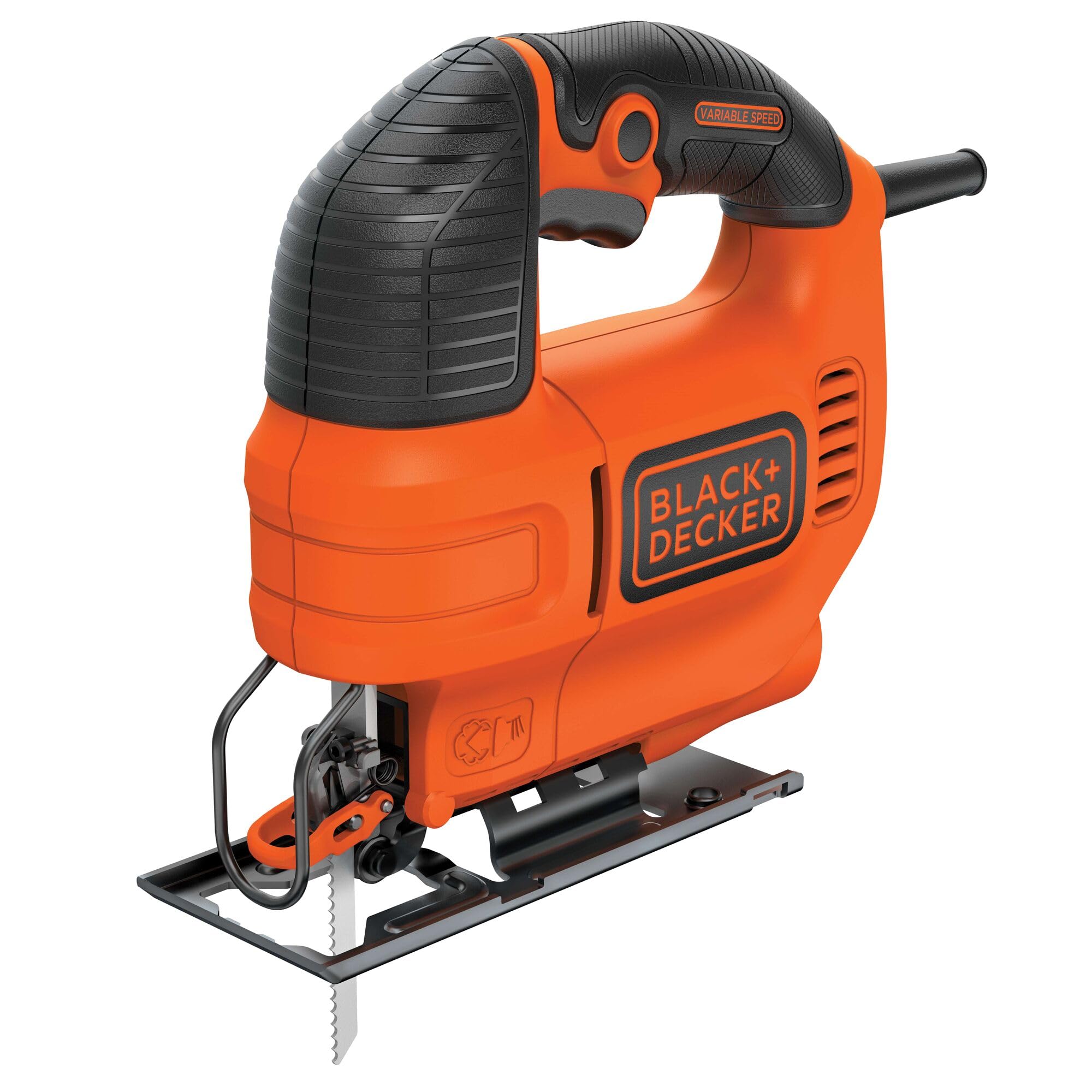
The BLACK+DECKER BDEJS300C is a budget-friendly jig saw that can handle curved and contour cuts needed for intricate siding profiles or trim pieces. While not a heavy-duty option for thick siding, it’s a reliable tool for finishing touches, decorative cuts, or making precise cutouts around outlets and fixtures on exterior surfaces.
- Key specs: 4.5A, variable speed, lightweight
9. 12" PVC Saw (B01BMVZX84)
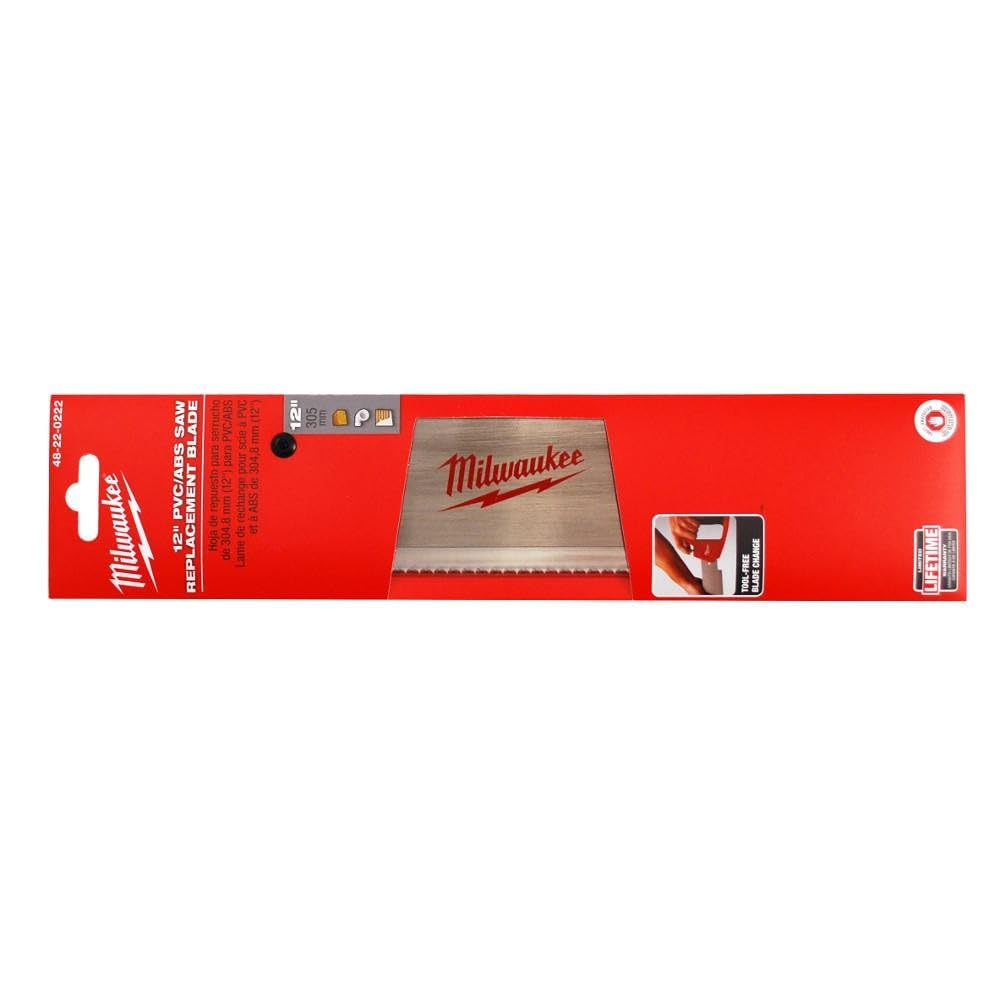
The 12" PVC saw is a specialized option for cutting PVC materials commonly used in vinyl siding installations. It provides a large cutting capacity and is well-suited for long, straight cuts in PVC trim or siding panels. While it’s a more niche tool, it’s valuable for projects requiring precise PVC cuts and clean edges.
- Key specs: 12" PVC blade, optimized for PVC trim/siding materials
10. Milwaukee 2420-21 12-Volt Hackzall Saw Kit
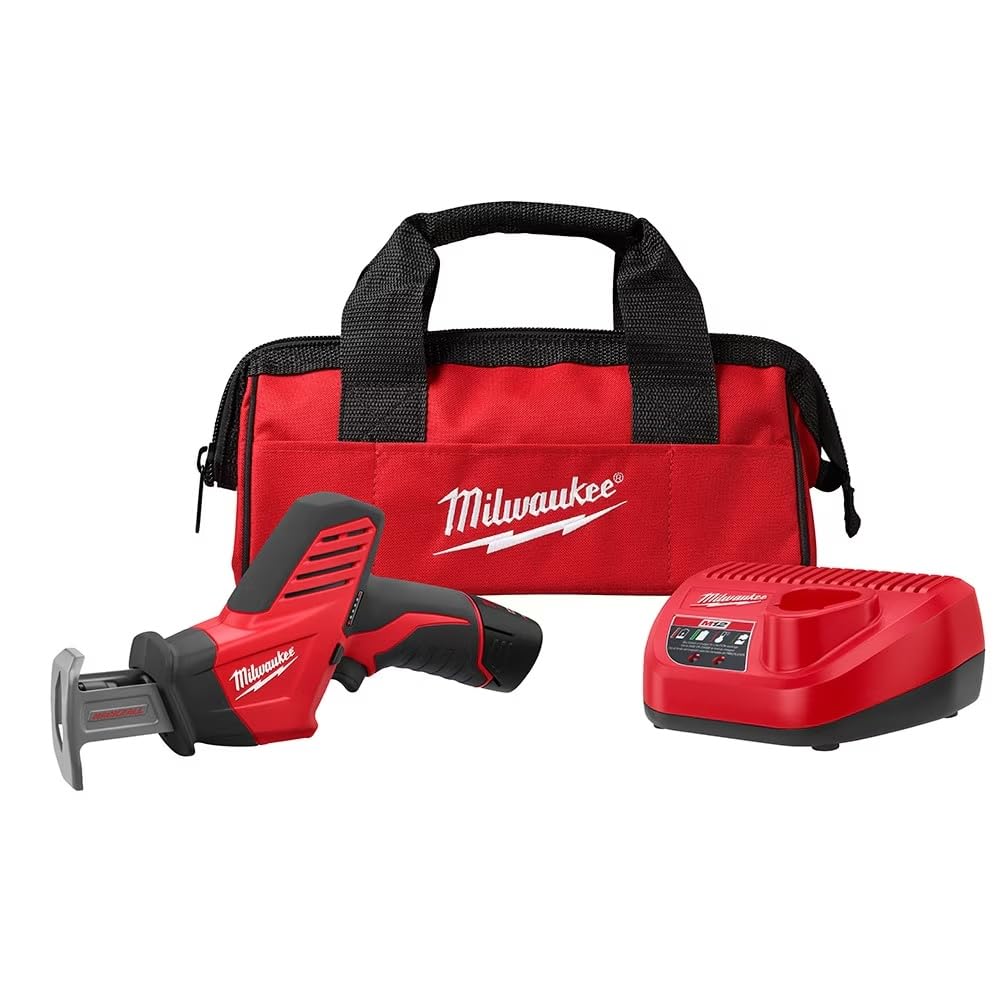
The Milwaukee Hackzall is a compact, saw-zall style tool that excels in tight spaces and overhead work on siding installations. It’s a practical choice for trimming pieces around corners, outlets, and fixtures without the bulk of larger reciprocating saws. The 12V platform keeps weight down while delivering decent cutting performance for vinyl siding tasks.
- Key specs: 12V, compact, versatile for tight spaces
