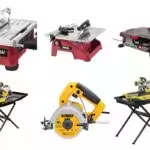
A bathroom is a tough place to cut tile. Rooms are small, porcelain and ceramic chip easily, and dry cutting fills the air with fine dust. A tile saw that uses water to cool the blade solves most of that, but the right model depends on how much tile you have, how big the tiles are and where you will set the saw up. This guide pulls together the tile saws, cutters and accessories we recommend for bathroom renovation and sorts them by use case, so you can find your match quickly.
Affiliate disclosure: some links below are Amazon affiliate links. If you buy through them we may earn a small commission at no extra cost to you.

What to look for in a bathroom tile saw
Wet versus dry cutting
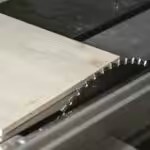
A wet tile saw runs water over the blade. That keeps the blade cool, cuts down airborne dust and helps prevent chipping and cracking, which is why it is the usual choice for porcelain, ceramic and natural stone. Dry cutting is quicker to set up but throws more dust and heat, so it suits small or light jobs. In an enclosed bathroom, water-fed cutting is the safer, cleaner option.
Blade size and motor
Larger blades handle bigger and thicker tile; smaller blades are lighter and easier to store. A 7-inch saw is often enough for typical bathroom wall and floor tile, while 10-inch and larger saws suit large-format tile and bigger projects. A stronger motor cuts dense material faster and with less bogging down.
Portability and cutting capacity
Bathrooms are tight, so weight and footprint matter. Compact saws are easy to carry and tuck away. Saws with their own stand are steadier and kinder to your back but bulkier. Check the maximum tile size and cutting depth against your tile, especially if you are using large-format tile or cutting diagonals.
Water containment and dust control
Look for a splash guard or containment system and a reservoir that is easy to fill and empty. If you are working indoors, this matters as much as raw power.
Corded or cordless
Corded saws deliver steady power for long sessions. Cordless saws are convenient where outlets are far away, but run time is limited, so they suit smaller jobs.
Our picks by use case
The saws below are grouped by the kind of project they suit. We have left prices out because they change often; check the current price on Amazon before you buy.
Budget and compact wet saws
Hoteche 4-1/2-Inch Portable Wet Tile Saw
A compact 4.5-inch wet saw with a hidden water reservoir and 0 to 45 degree bevel cutting. It is easy to handle in tight spaces and well suited to quick cuts and angled cuts on small jobs.
Best for: small bathrooms, quick cuts and bevels.
SKIL 7-Inch Wet Tile Saw 3540-02
A straightforward 7-inch wet saw for budget-minded DIYers. It is a no-frills option for typical bathroom tile projects and a sensible first saw if you are new to cutting tile.
Best for: first-time DIYers and small renovations. Keep in mind: a smaller blade limits capacity, and it has a less powerful motor than larger saws.
DEWALT 4-3/8-Inch Wet Tile Saw (DWC860W)
A compact DEWALT wet saw with a 4-3/8-inch blade, aimed at detailed tile and masonry cuts in tight spaces.
Best for: fine, precise cuts in small areas.
QEP 22400Q 10-Inch Manual Tile Cutter
A manual score-and-snap cutter. It makes no dust and almost no noise, is lightweight and needs no power, which makes it a cheap way to make straight cuts on standard ceramic or porcelain tile.
Best for: beginners and straight cuts on small jobs. Keep in mind: it only makes straight cuts and is not suited to large or thick tile.
Mid-range 7-inch saws
SKIL 7-Inch Wet Tile Saw 3550-02 with HydroLock
This SKIL adds a HydroLock water containment system to a 7-inch wet saw, which keeps mess to a minimum indoors. The 7-inch blade covers most bathroom tile.
Best for: homeowners who want a tidy, mid-range wet saw.
PORTER-CABLE PCE980 Wet Tile Saw
A 7-inch wet saw with an on-board cutting guide that helps you make straight, accurate cuts. It is easy to transport and a good step up for DIYers who want more control.
Best for: detailed bathroom layouts where cut accuracy matters.
Cordless option
Makita XPS01Z 18V LXT Brushless Cordless Tile Saw
A cordless saw with a brushless motor and a wet cutting system, so you can work where there is no convenient outlet. It is quiet and mobile for medium-sized jobs.
Best for: medium projects where cordless flexibility matters more than continuous heavy cutting. Keep in mind: battery life is limited and it is not ideal for continuous heavy use. Battery and charger availability varies, so check what is included.
Stand-mounted saws for bigger projects

DEWALT 10-Inch Wet Tile Saw with Stand (D24000S)
A 10-inch corded wet saw with a stand. The larger cutting capacity and sturdy stand give stability and a professional-level result for ambitious bathroom renovations, and the stand makes it easier to move around the work area.
Best for: larger bathroom remodels where you want pro-level results without renting. Keep in mind: it is heavier than compact models and needs an outlet.
DEWALT 10-Inch 15-Amp Wet Tile Saw with Stand (D36000S)
A higher-end 10-inch corded DEWALT with a 15-amp motor, built for thick or dense tile and demanding projects.
Best for: serious DIYers and pros handling dense tile. Keep in mind: it sits at the top of the price range in this guide.
Bosch TC10 10-Inch Wet Tile Saw
A heavy-duty 10-inch wet saw with an effective water system for controlling dust and blade temperature, balancing power and portability for serious renovation work.
Best for: larger or professional bathroom tiling jobs. Keep in mind: it is heavier and less portable, with a higher price point.
Professional-grade saws
Husqvarna TS 60 RE 14-Inch Tile Saw
A top-tier saw with a large 14-inch blade for big tiles and excellent dust and water management. It is built for frequent professional use.
Best for: tilers working with large-format tile every day. Keep in mind: it is significantly heavier and carries a premium price.
Rubi TX-S 125 Tile Saw
A professional-grade wet saw with an effective water system for accurate cuts on medium to large tile. Serious DIYers and professionals both use this class of saw.
Best for: precise work on medium to large tile. Keep in mind: it takes some experience to get the best from it and is heavier than manual cutters.
Angle grinder blades and accessories

3-Piece Turbo Diamond Blade Set, 7-Inch
If you already own an angle grinder, a diamond blade set is a low-cost way to make occasional cuts, such as around pipes. These 7-inch blades have a 7/8-inch arbor and are listed for dry or wet cutting on tile, stone and masonry. A grinder is less stable than a saw for long, straight cuts.
Best for: owners of an angle grinder who need a few cuts.
Rubbermaid Commercial WaveBrake 36-Gallon Wet/Dry Vacuum
Not a saw, but worth owning for tile work. A wet/dry vacuum clears slurry, dust and offcuts from the work area quickly and makes the whole job cleaner.
Best for: dust and debris cleanup. Keep in mind: it is large and needs storage space.
Not suited to tile: circular saws and jigsaws
You will see ordinary circular saws and jigsaws recommended for tile cutting. We do not recommend them. They are built for wood and softer materials, have no water cooling and are not designed for the hardness of porcelain or ceramic. If you need to cut tile, use a dedicated wet tile saw, a manual cutter or, for occasional small cuts, an angle grinder with a diamond blade.
How to choose
- One small bathroom, a few cuts: a manual cutter such as the QEP, or a compact wet saw such as the SKIL 3540-02 or Hoteche.
- A full bathroom with mixed tile: a 7-inch wet saw with containment, such as the SKIL 3550-02 or PORTER-CABLE PCE980.
- Large-format or dense tile: a 10-inch saw with a stand, such as the DEWALT D24000S, D36000S or Bosch TC10.
- No power nearby: the cordless Makita XPS01Z, accepting limited run time.
- Professional daily use: the Husqvarna TS 60 RE or Rubi TX-S 125.
Also consider how often you will use the saw. For a single bathroom, renting a large saw or buying a mid-range 7-inch model often makes more sense than a professional-grade machine.
Tips for cutting bathroom tile

- Wear safety glasses, hearing protection and gloves, and keep hands clear of the blade.
- Fill the water reservoir before cutting and refill as the manufacturer directs.
- Match the blade to the tile material and check it for wear. Replace a dull blade rather than forcing the cut.
- Feed the tile slowly and let the blade do the work to avoid chipping glazed edges.
- Do dry-fit cuts and plan the layout before you cut, so you waste less tile.
- After each session, empty the reservoir and clean the tray, table and blade of slurry and debris.
- Keep a wet/dry vacuum nearby and cover or move anything you do not want splashed.
Frequently asked questions
What is the best tile saw for a beginner?
For simple straight cuts on standard ceramic or porcelain, a manual cutter such as the QEP 22400Q is easy to use. For more complex cuts, a compact wet saw such as the SKIL 3540-02 is a sensible first step.
Why choose a wet tile saw over a dry saw?
Water cools the blade, reduces dust and helps prevent chips and cracks, which matters most indoors, where dust control and clean edges are important.
Can I use a circular saw or jigsaw to cut bathroom tile?
Not well. They are made for wood and softer materials and lack water cooling. Use a wet tile saw, a manual cutter or an angle grinder with a diamond blade.
Can I use an angle grinder instead of a wet tile saw?
For smaller or detailed cuts, yes, with a diamond blade. A wet tile saw is more stable, cuts cleaner and is easier to control on larger pieces.
Can a cordless tile saw handle a whole bathroom?
Cordless saws such as the Makita XPS01Z are convenient but have limited run time and capacity compared with corded saws. They suit medium-sized jobs rather than extensive renovations.
Do I need a wet/dry vacuum?
It is not mandatory, but it makes cleanup of dust, slurry and debris much easier, particularly when working indoors.
What tile can these saws cut?
Wet tile saws handle ceramic, porcelain, glass and natural stone. Always check the blade and the manufacturer's guidance for the specific material.
How do I maintain a wet tile saw?
Clean the reservoir and remove debris from the blade and table after each use, check the blade for wear and make sure the pump is working so the blade stays cool.
Related guides
- Best tile adhesive for shower walls
- How to clean grout without damaging tile
- Best portable wet tile saws for bathroom and kitchen remodeling
- Bathroom remodel cost calculator