
Can you buy a house in another country without citizenship? Discover the process and challenges, and learn how to navigate international real estate today!
Investing in Property Abroad
Buying a house in another country without citizenship is more accessible than many people realize, and today’s market shows a clear path for non-citizens to purchase property across popular destinations—especially in Europe. In this guide, you’ll learn how non-citizens can buy abroad, what financing options are available, residency or visa pathways tied to real estate, and practical steps to navigate country-specific rules.

Is it possible to buy property abroad without citizenship?
Yes. Across many countries, non-citizens can own real estate, with rules that vary by asset type, location, and whether a residency or visa pathway accompanies the purchase. In the European Union, foreign buyers often enjoy open ownership rights, but local taxes, due-diligence requirements, and potential residency links can shape the overall process and total cost of ownership. It’s essential to verify current local laws and any residency programs before acting, as these programs can change significantly over time.

How ownership works for non-citizens
In most EU countries, non-citizens can own properties either as freehold owners or under long-term leasehold arrangements. Key considerations include:
- Ownership rights: Freehold or leasehold options are common, subject to due diligence, title checks, and tax obligations.
- Title and notaries: A notary or equivalent official typically oversees the transfer, ensures a clean title, and records the transaction.
- Ongoing costs: Expect annual property taxes, maintenance fees, and possibly local charges or community fees depending on the jurisdiction.
- Transfers and currency: Consider currency exchange implications, cross-border transfer costs, and potential capital gains taxes when you sell.
- Residency ties: Some destinations offer residency or visa options linked to real estate purchases, which can provide benefits like easier travel within the Schengen Area or longer-stay privileges.

Financing options for overseas property
Financing a property abroad typically falls into several practical buckets. Your choice will depend on your home country, the destination country, the asset type, and your longer-term plans.

- Overseas mortgage with a local bank: You can borrow from a bank in the country where the property is located. Benefits include a process in the local language and familiarity with local repayment practices, though qualification can be strict and documentation extensive.
- Mortgage from a lender in your home country: Domestic banks may offer cross-border or international mortgage programs. This can simplify language and document handling but may come with higher down payments, stricter conditions, or different rate structures.
- Equity release on your current home: Leveraging existing equity can finance an overseas purchase, often with favorable borrowing terms if you’re a strong borrower with a solid repayment plan.
- Paying cash: Buying outright avoids mortgage hurdles and currency risk, but requires substantial liquidity and can limit opportunities to diversify liquidity elsewhere.
Step-by-step guide to buying abroad as a non-citizen
- Clarify your goals: Is the property a vacation home, a rental investment, a retirement base, or a long-term residence?
- Research eligibility and residency ties: Check whether the destination offers residency or visa programs linked to real estate investments and understand any restrictions for non-residents.
- Set a budget and financing plan: Decide between local or home-country financing or cash, and outline closing costs, ongoing carrying costs, and potential currency exposure.
- Engage local professionals: Hire a local real estate agent experienced with foreign buyers, a qualified lawyer or notary, and an accountant who understands cross-border tax issues.
- Conduct due diligence: Verify title, confirm local taxes, review any HOA or strata rules, and check for liens or encumbrances.
- Make an offer and formalize the sale: Work with your attorney and agent to draft a purchase agreement and complete the closing with proper witnesses or notaries.
- Plan for ongoing obligations: Budget for taxes, insurance, property management if you won’t reside full-time, and currency risk if your mortgage or rent is in another currency.
Step-by-step: residency and visa pathways linked to real estate
Many EU destinations have investor-based residency or visa schemes, commonly referred to as Golden Visas. These programs have evolved in recent years and are subject to policy changes, so it’s crucial to verify current rules with official sources. When they’re available, such programs typically require a minimum real estate investment, a residence requirement, and a pathway (temporary residency → renewal → permanent residency or citizenship) that can vary widely by country.
Country table: openness and practical considerations for non-citizens
| Country | Feasibility for non-citizens to buy | Notes / Restrictions |
|---|---|---|
| Spain | Open to non-EU buyers | No blanket bans; due diligence required; residency options have existed but are subject to policy changes. Recent reforms have affected residence pathways tied to real estate. |
| Greece | Open to non-EU buyers | Residency options exist; straightforward process for many property types and price ranges. |
| Portugal | Favorable to foreign buyers | Golden Visa and other investor pathways tied to real estate; program structure has evolved and may change minimums or eligible asset types. |
| France | Generally open to foreigners | Regional variations; standard purchase process with due diligence and notary involvement. |
| Hungary | Possible with local financing | Financing often requires local arrangements; investment thresholds may apply for certain programs. |
Practical considerations and tips
- Work with trusted professionals who have experience helping foreign buyers. Local knowledge matters because laws and procedures can vary significantly, even within a region.
- Choose properties aligned with your long-term plans—think rental demand, seasonal occupancy, and maintenance needs as part of your return calculus.
- Account for currency fluctuations, especially if your income or future mortgage payments will be in a currency different from your home currency.
- Ask about residency or visa pathways that may accompany property investment, as these can offer meaningful personal and financial benefits. For more resources, consider Buying property abroad.
Common questions foreigners ask about buying property abroad
- Do I need to be a citizen to buy property in the EU?
- Are there residency or visa options tied to property purchases?
- What are the typical fees and taxes for foreign buyers?
- How does currency risk affect foreign mortgage payments?
- What should I know about property management from abroad?
Financing notes and citations to official guidance
The guidance and examples cited draw on official EU resources, market analyses, and country-specific policy reports. Always verify current conditions with official portals or licensed professionals before making a purchase, particularly for residency programs tied to investment. Useful starting points include the Your Europe guide on buying a home, EU-level briefings on residency-by-investment schemes, and recent reporting on how Golden Visas have been evolving across member states.
Would you like me to create a country-by-country quick-reference table for a short list of popular destinations (for example: Spain, Portugal, Greece, France, Italy, Cyprus) with current notes on foreign ownership openness, typical mortgage availability, and status of residency or Golden Visa programs? I can also pull the latest official pages for a specific country to confirm current rules as of today.
Ready to dive deeper? Share your target country, budget, and whether you’re more interested in a primary residence, a vacation home, or a rental investment, and I’ll tailor the guidance to your situation.
If you’ve bought property abroad as a non-citizen or are in the process, your experience can help others. Please drop a comment with your challenges, questions, or successes to spark a practical discussion.
1.
Best for Beginners
The Ultimate USA Property Buying Guide for Foreign Buyers: Everything You Need to Know About Purchasing, Owning, and Selling US Real Estate as a Foreign National
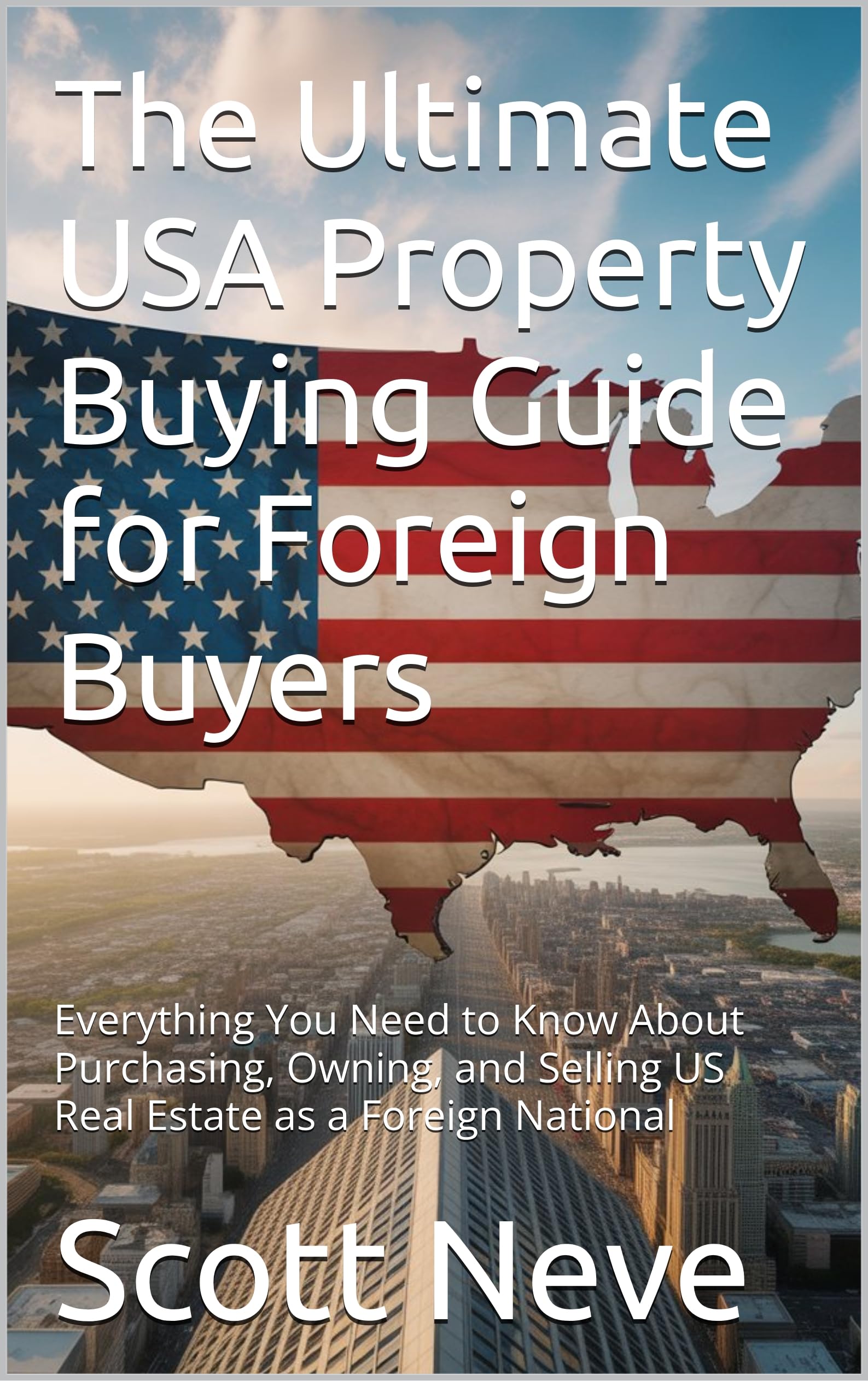
The Ultimate USA Property Buying Guide for Foreign Buyers provides essential insights for foreign nationals looking to purchase real estate in the United States, covering purchasing, ownership, and selling processes. This book-like resource is ideal for first-time international buyers seeking a clear roadmap and practical guidance.
Best for: Best for Beginners
- ASIN: B0G62W6RZV
- Image URL: https://m.media-amazon.com/images/I/81I47C8b0QL.jpg
Why pick this: Provides a structured guide for foreign buyers entering the U.S. real estate market, aligning with the need to understand cross-border property purchases.
Skip if: You’re seeking a primary focus on residency programs or relocation visas rather than real estate purchase guidance.
2.
Best Premium
Citizenship for Sale: How Foreign Money Buys American Residency
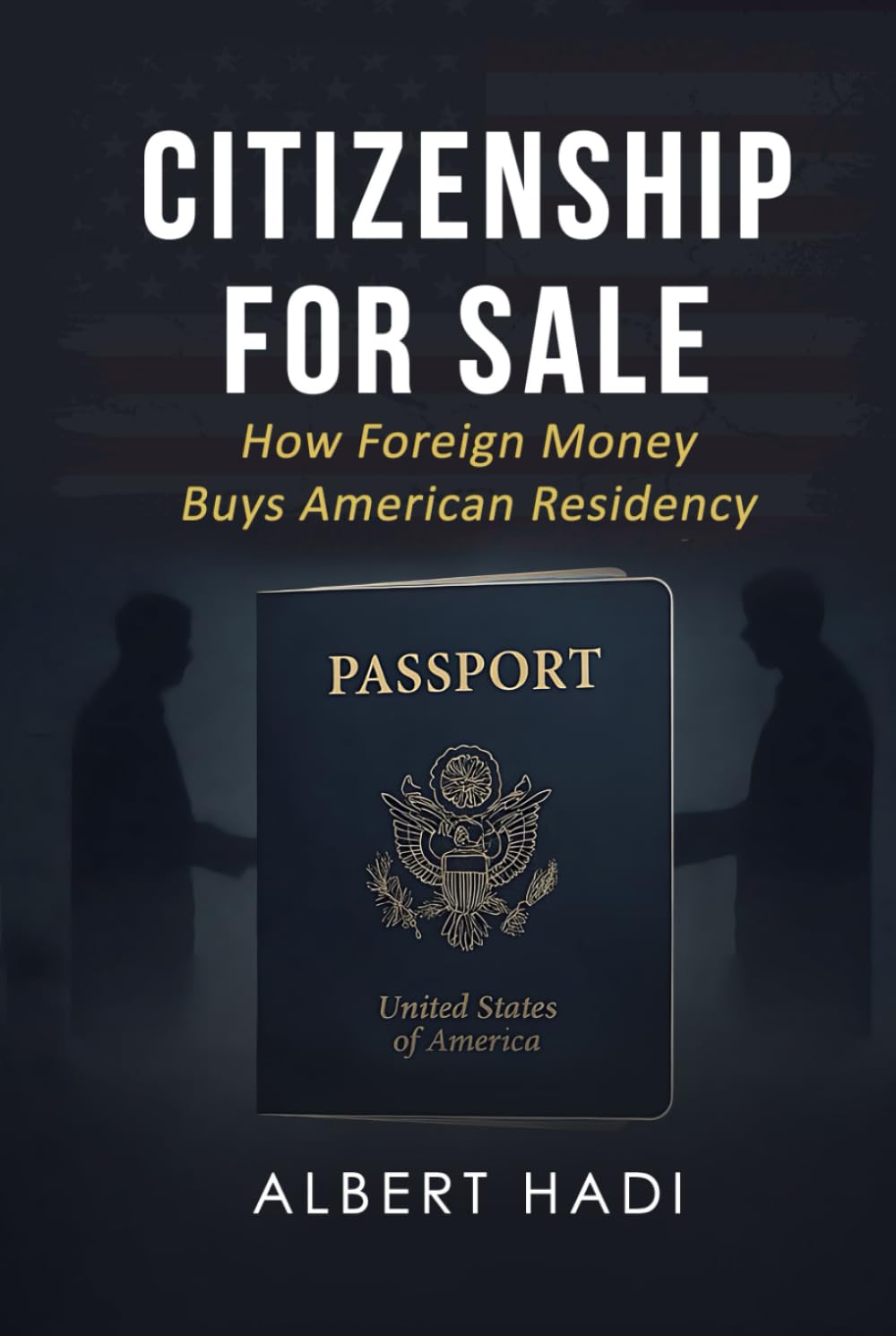
Citizenship for Sale examines how foreign investment relates to residency pathways, offering insights relevant to international buyers considering long-term property and residency options as part of their overseas purchasing decisions.
Best for: Best Premium
- ASIN: B0FG16359X
- Image URL: https://m.media-amazon.com/images/I/61BYPP4U3sL.jpg
Why pick this: Suitable for buyers evaluating higher-end strategies that involve residency considerations tied to investment or property ownership.
Skip if: You are primarily seeking straightforward property purchase guidance without residency implications.
3.
Best Value
The Hidden Legal Risks of Buying Property Abroad: How to Buy Property Abroad Without Losing Control

The Hidden Legal Risks of Buying Property Abroad highlights legal considerations and potential pitfalls when purchasing overseas real estate, helping international buyers assess risk and plan carefully before committing to a cross-border purchase.
Best for: Best Value
- ASIN: B0GHHVB24J
- Image URL: https://m.media-amazon.com/images/I/71OWwjw-TcL.jpg
Why pick this: Focuses on legal considerations and risk mitigation for buyers considering property abroad, aligning with the needs of risk-aware, international purchasers.
Skip if: You prefer a practical, procedure-focused guide on purchasing overseas real estate without emphasis on legal risk.
Navigating the process of buying a house in another country without citizenship can be both exciting and overwhelming. It opens up a world of possibilities, whether you're looking for a vacation home, an investment property, or a new place to call home. While the journey might come with its own unique set of challenges, stay informed about specific local laws, engage with real estate professionals, and think about how this decision fits into your long-term plans.
Stay Connected for More Insights
As you embark on this adventure, remember that you’re not alone in this journey! There are plenty of us out here exploring the wonderful world of international real estate, and I’d love to keep the conversation going. Feel free to follow along for inspiration, tips, and more stories by checking out our Instagram page. Let’s dive into this exciting experience together, and who knows? You might just find that dream home abroad that you’ve always envisioned!
