
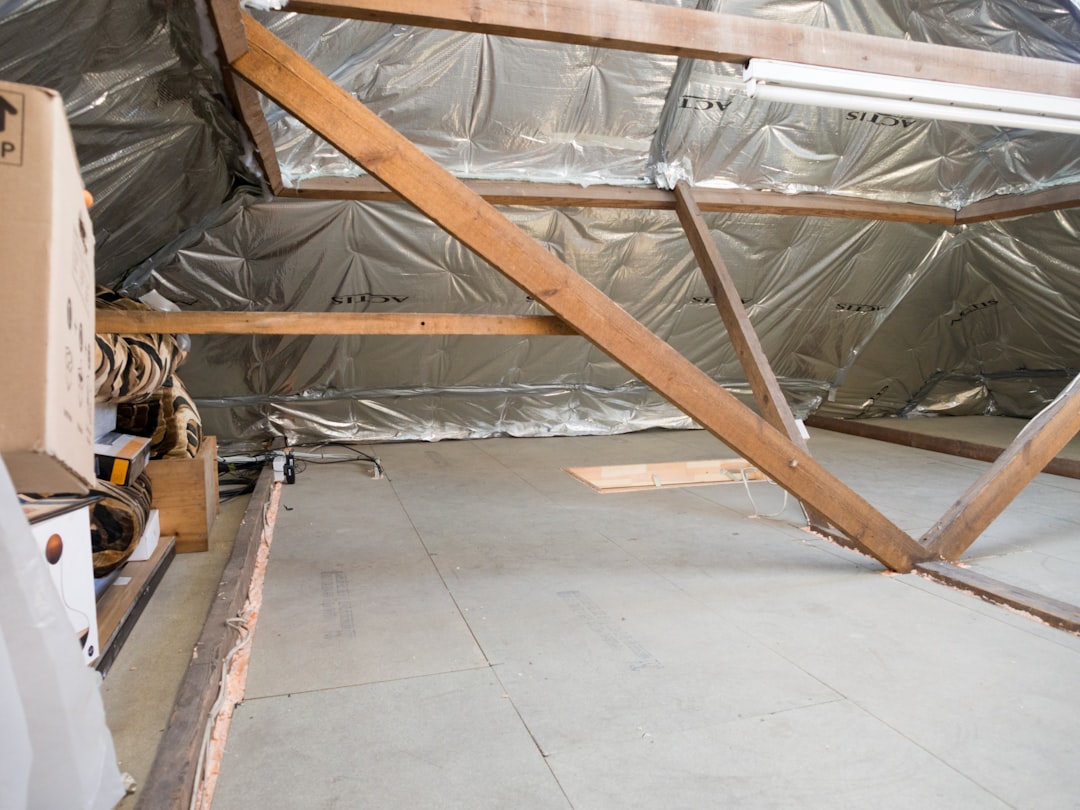
Closed cell spray foam crawlspace insulation typically costs between $2,100 and $3,600 for an average 500 to 1,000 square foot crawlspace. Prices vary based on crawlspace size, foam thickness, accessibility, and contractor rates. Expect $1.50 to $4.00 per square foot for closed cell foam material and installation. Additional costs may apply for prep work, vapor barriers, moisture mitigation, and local permits.
Insulating your crawlspace with closed cell spray foam is a superior method to improve your home's energy efficiency, moisture control, and air sealing. The process involves professionally applying a dense, impermeable foam that adheres tightly to crawlspace walls and floors, creating an effective thermal barrier. Costs vary depending on the size and condition of your crawlspace, material thickness, and labor complexity. Understanding local permit requirements and contractor standards is critical to ensure a safe, code-compliant installation that provides long-term value.
When planning your project, keep in mind that your local building department may require permits or inspections for spray foam work due to fire and ventilation regulations. The cost scope also includes potential prep work such as debris removal, mold remediation, or addressing existing moisture issues before foam application. This guide offers a clear, practical cost overview and a step-by-step approach to hiring qualified contractors within your service area who meet licensing and insurance criteria.
Cost Snapshot for Closed Cell Spray Foam Crawlspace Insulation
Below is a comparison table outlining typical cost ranges for closed cell spray foam crawlspace insulation by project scope and crawlspace size. These ranges help homeowners budget and compare quotes effectively.
| Project Scope | Crawlspace Size (sq ft) | Material & Labor Cost Range |
|---|---|---|
| Basic Insulation (1-2 inch foam thickness) | 300 - 500 | $1,500 - $2,400 |
| Standard Insulation (2-3 inch foam thickness) | 500 - 750 | $2,400 - $3,600 |
| Comprehensive Insulation (3+ inch + vapor barrier/sealing) | 750 - 1,200 | $3,600 - $5,000+ |
| Prep Work and Repairs (mold/rot treatment, debris removal) | Any | $500 - $1,500 (additional) |
Note: Costs depend greatly on crawlspace accessibility, regional labor rates, and foam thickness. Prices shown include both materials and professional installation but exclude permitting or unforeseen repairs.
Board-Foot Calculator For Spray Foam Estimates
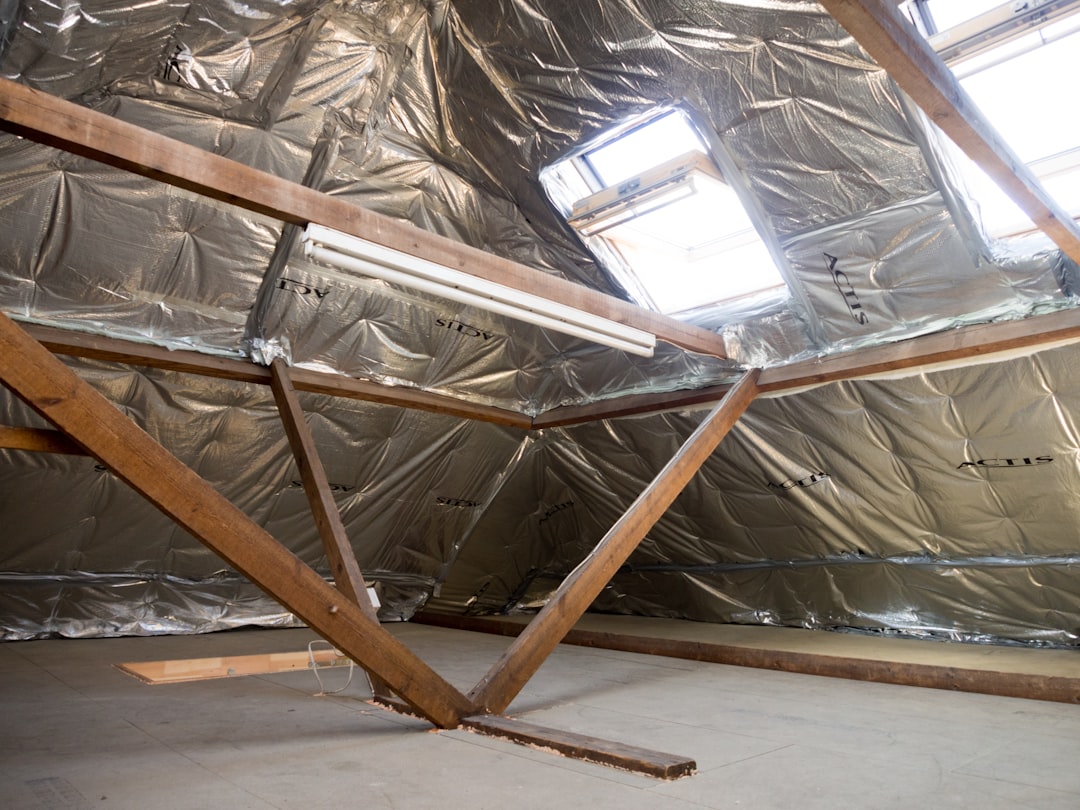
Spray foam is commonly priced by the board foot, not just by room size. A board foot is one square foot at one inch thick. Use this formula before comparing bids: square feet x foam thickness in inches = board feet. Ask each contractor whether the quote includes prep, masking, ventilation, trimming, disposal, ignition barrier or thermal barrier work, and return trips.
| Area | Target Thickness | Board-Foot Math | Planning Use |
|---|---|---|---|
| 500 sq ft attic plane | 3 inches | 500 x 3 = 1,500 board feet | Useful for open-cell roof deck planning or thin closed-cell applications. |
| 1,000 sq ft wall area | 2 inches | 1,000 x 2 = 2,000 board feet | Helps normalize wall-cavity bids when contractors quote different depths. |
| 1,200 sq ft crawlspace | 2.5 inches | 1,200 x 2.5 = 3,000 board feet | Use when comparing crawlspace encapsulation and rim-joist spray work. |
Open-Cell Vs Closed-Cell Spray Foam Cost Examples
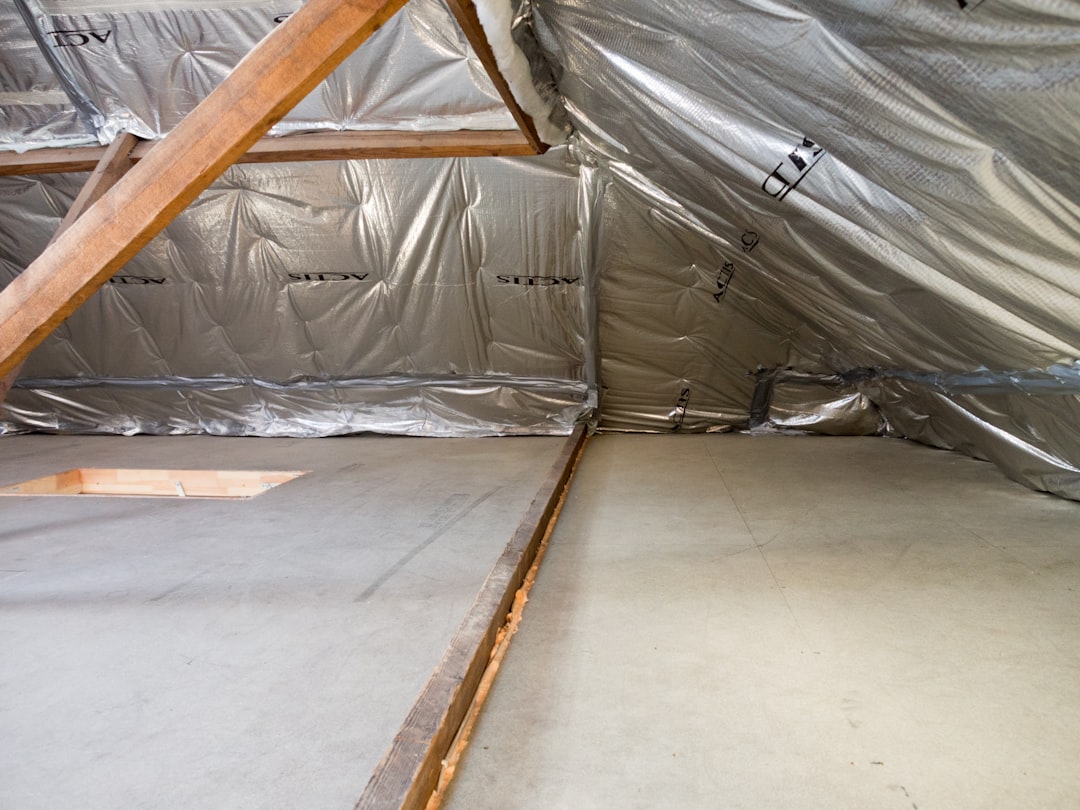
Open-cell foam usually costs less per board foot and expands aggressively, so it can be useful for roof decks, interior cavities, and sound control where vapor performance is not the main requirement. Closed-cell foam usually costs more, but it provides higher R-value per inch, stronger air sealing, and better moisture resistance. The right bid depends on code requirements, climate zone, cavity depth, roof assembly, and whether the contractor must add an ignition or thermal barrier.
| Foam Type | Typical Planning Range | Best-Fit Uses | Bid Questions |
|---|---|---|---|
| Open-cell | Lower cost per board foot; often quoted for thicker applications | Attics, roof decks, interior sound control, deep wall cavities | Ask about vapor control, drying path, thickness, and trimming. |
| Closed-cell | Higher cost per board foot; often thinner for the same target R-value | Crawlspaces, rim joists, exterior walls, moisture-prone assemblies | Ask about lift thickness, ventilation, fire coating, and code documentation. |
Three Spray Foam Project Scenarios To Price Separately
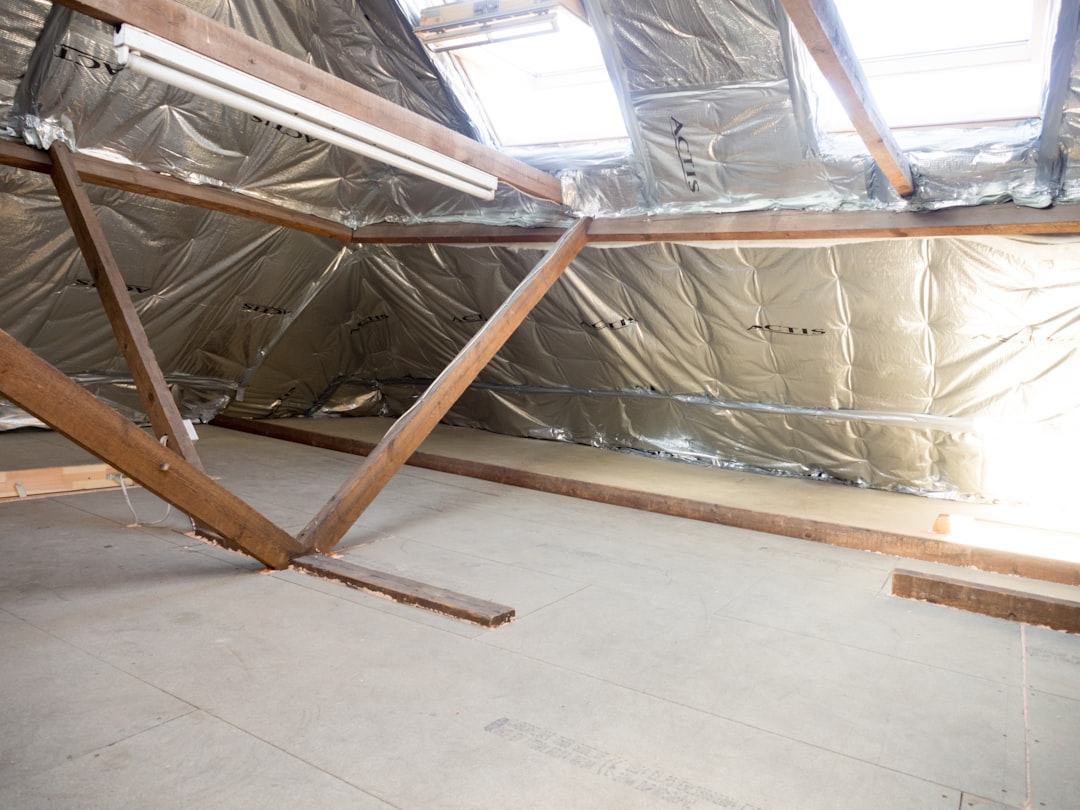
Attic Or Roof Deck
Attic work is driven by roof pitch, access, ventilation strategy, existing insulation removal, air sealing, and ignition-barrier requirements. Ask whether the bid includes baffles, mechanical ventilation adjustments, and cleanup.
Crawlspace Or Rim Joist
Crawlspace bids can change quickly if the contractor must address moisture, ground vapor barriers, pests, drainage, or limited clearance. Separate spray foam pricing from encapsulation and dehumidification so quotes stay comparable.
Exterior Wall Or Open Stud Cavity
Wall work depends on whether cavities are already open, whether old insulation must be removed, and whether drywall, sheathing, or siding repair is included. Require the bid to state foam depth, R-value target, and finish repair exclusions.
Closed Cell Spray Foam Crawlspace Insulation Contractor Bid Comparison Checklist
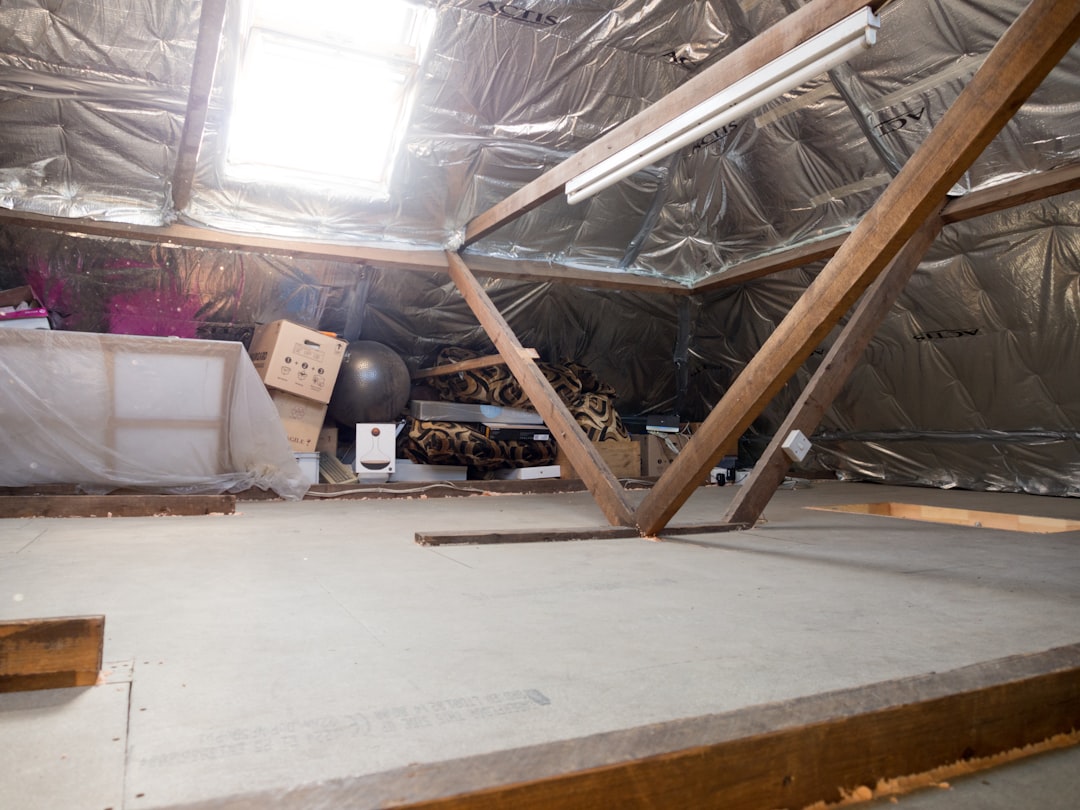
This keyword does not specify a city, so this guide avoids showing a location-specific contractor table that could mismatch the title. Use the checklist below to compare qualified contractors in your own service area.
- Ask each contractor to price the same square footage, foam type, target thickness, board-foot quantity, R-value target, prep, masking, ventilation, trimming, and cleanup.
- Confirm whether old insulation removal, air sealing, ignition barrier, thermal barrier, fire coating, permit fees, and inspection documentation are included or excluded.
- Compare open-cell and closed-cell options separately so a cheaper bid is not simply using less foam or a lower-performance assembly.
- Require product data sheets, safety/ventilation instructions, warranty terms, and a written change-order process for moisture, mold, pest, or framing issues found during prep.
Key Cost Factors Affecting Closed Cell Spray Foam Crawlspace Insulation
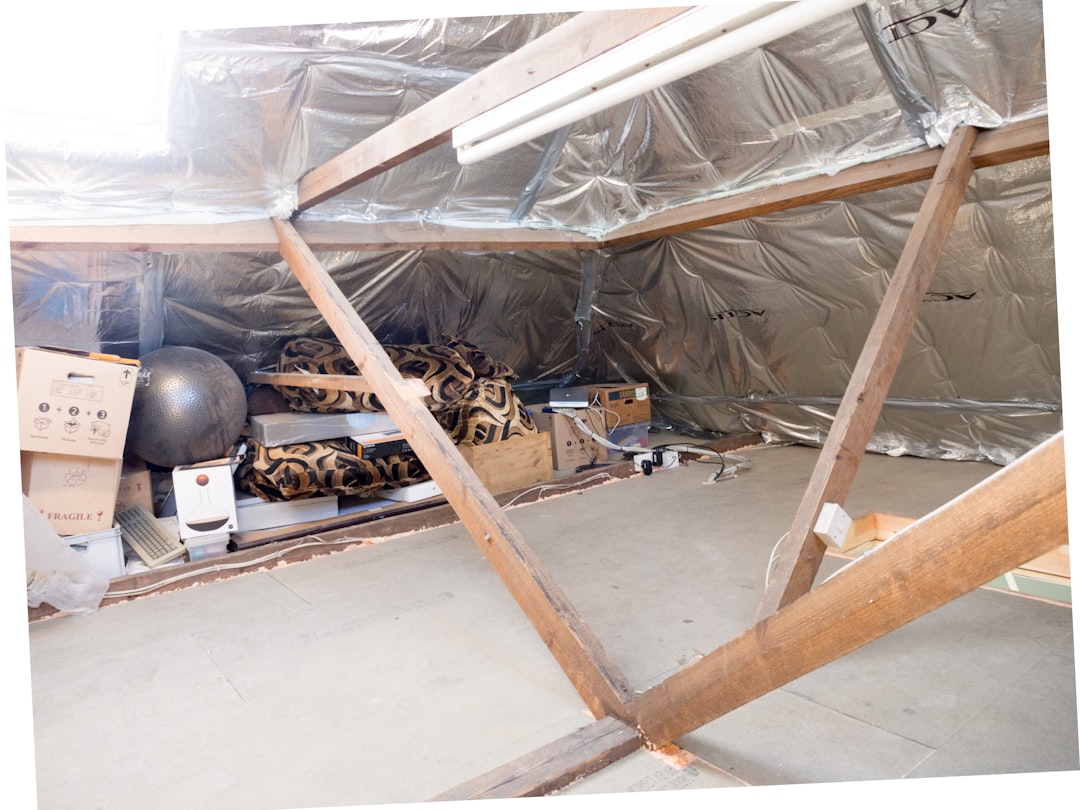
Several variables influence the total cost of insulating a crawlspace with closed cell spray foam. First, material choice and thickness are major determinants. Closed cell foam typically costs between $1.50 to $4.00 per square foot, increasing with foam depth to achieve higher R-values (typically R-6.5 per inch).
Labor can vary widely based on crawlspace accessibility. Tight or cluttered spaces increase installation time and may require specialized equipment, raising costs. Prep work such as moisture mitigation, mold remediation, and cleaning can add several hundred to over a thousand dollars depending on damage severity. Vapor barriers installed under or over the foam layer are often recommended and factor into the price.
Disposal costs for construction debris or removed materials vary regionally. Additionally, your local building department may require permits and inspections for spray foam installation, typically costing between $100 and $300. Hidden repair contingencies, such as damaged joists or soil contamination, should also be budgeted for—a good contractor will disclose these after inspection.
Finally, pricing differs by local market labor rates and contractor experience. Normalizing quotes by confirming foam thickness, preparation scope, disposal, and any included warranties is essential when comparing estimates.
Checklist for Hiring a Local Closed Cell Spray Foam Crawlspace Insulation Contractor
- Verify Licensing and Insurance: Confirm the contractor holds proper state or local licenses for spray foam application and carries liability insurance and workers' compensation to protect your property and themselves.
- Check Experience and Specialization: Choose contractors specializing in crawlspace spray foam, with documented projects and positive customer reviews focused on crawlspace applications.
- Request Multiple Quotes: Obtain at least three detailed bids specifying foam thickness, prep work scope, vapor barrier installation, disposal, and permit handling to fairly compare pricing.
- Confirm Compliance and Permitting: Ensure the contractor manages local building permits and adheres to energy codes and fire safety requirements, including proper foam fire retardants or coverings.
- Discuss Warranty and Post-Installation Support: Favor contractors offering clear workmanship warranties and willing to conduct follow-up inspections to maintain crawlspace integrity.
- Ask About Environmental and Health Safety: Confirm use of low-VOC or odor-minimized foam, appropriate ventilation during installation, and protocols to minimize disruption.
- Review Contractor’s Preparation and Cleanup Plans: Understand how debris, mold, or moisture issues will be addressed before foam application and how the site will be restored after completion.
- Request References and Verify Past Work: Contact previous clients to inquire about timeliness, professionalism, and quality of crawlspace insulation projects completed by the contractor.
Following this checklist helps you select a competent, trustworthy local contractor who provides a safe, code-compliant closed cell crawlspace insulation installation that meets your budget and performance expectations.
Typical Timeline for Closed Cell Spray Foam Crawlspace Insulation Projects
The duration of a crawlspace spray foam insulation project depends on the crawlspace size, condition, and prep work required. Generally, most projects take between 1 to 3 days from start to finish.
Day 1: Inspection and Preparation
Contractors begin with a detailed crawlspace inspection to identify moisture issues, mold presence, structural concerns, and access constraints. Any necessary cleaning, debris removal, or minor repairs such as sealing cracks or installing drainage may happen this day or extend to a second day if needed.
Day 2: Foam Application
Professional application of closed cell spray foam to crawlspace walls and sometimes under the floor decking occurs next. Foam is applied in layers to reach target thickness, ensuring proper adhesion and seamless coverage. Vapor barriers or additional moisture seals are installed as specified.
Day 3: Curing and Final Inspection
The foam typically cures within hours, but some contractors prefer to return the following day to inspect the installation, verify coverage, and address any missed spots or cleanup requirements. Your contractor should also coordinate final inspections if permits were involved.
Complex projects involving significant repairs or mold remediation may lengthen timelines. Scheduling your project outside wet seasons or extreme weather can also improve efficiency and foam performance.
Permits and Local Regulations for Closed Cell Spray Foam Crawlspace Insulation
Many local jurisdictions require permits for spray foam insulation installation due to fire safety, ventilation, and energy code compliance concerns. Check with your local building department or state energy office to understand specific requirements in your service area.
Closed cell spray foam generally must meet International Residential Code (IRC) standards, including fire resistance and thermal barrier provisions. Installation over crawlspaces often triggers inspections to verify foam thickness, proper application, and adequate vapor barrier systems to prevent moisture buildup and mold.
Some areas mandate the use of ignition barriers (such as drywall or approved coatings) to protect foam from accidental ignition. Since codes and permit processes vary widely, contractors experienced with local regulations can streamline permit acquisition and scheduling inspections on your behalf.
Typical permit fees are modest, ranging from $100 to $300, but the cost of non-compliance or missed inspections can be substantial, including required foam removal or costly repairs. Always ensure your contractor submits permit applications and coordinates official inspections to safeguard your investment and maintain code compliance.
Spray Foam Insulation FAQs
What is a board foot in spray foam insulation?
A board foot is one square foot of foam at one inch thick. Multiply square feet by target thickness in inches to estimate board feet before comparing contractor quotes.
Is spray foam priced per board foot or per square foot?
Contractors may advertise per-square-foot ranges, but the more precise comparison is per board foot because thickness changes material volume, labor time, and code performance.
What is the difference between open-cell and closed-cell spray foam?
Open-cell foam is usually less expensive and expands more, while closed-cell foam costs more but provides higher R-value per inch and stronger moisture resistance.
Is spray foam insulation worth it?
It can be worth it when air leakage, comfort, moisture control, or limited cavity depth matter, but the payoff depends on climate, assembly design, utility costs, and installation quality.
Local Pricing, Permit, And Source Quality Check
This guide treats closed cell spray foam crawlspace insulation cost as a contractor bid-planning problem, not a single national average. The estimate logic separates trip minimums, labor hours, material tier, access difficulty, disposal, permit or inspection fees, and a hidden-repair contingency so quotes can be compared on the same scope. The local comparison set used for bid sanity checks includes Groundworks, Toledo Foundation Repair Specialists, Toledo Basement Repair, Acculevel.
For Toledo, OH 43614 projects, verify whether the work triggers a building permit, energy-code requirement, historic-district review, lead-safe rule, or final inspection before signing. Ask each contractor to state who pulls the permit, who schedules inspection, and how change orders are priced if concealed damage appears.
