
When considering a new hot water solution for your home, understanding the electric tankless water heater installation cost is essential. This investment not only promises endless hot water on demand but also offers potential long-term savings on energy bills. Did you know that switching to a tankless system can reduce your water heating costs by up to 30 percent compared to traditional tank systems? In this post, we will explore the various factors that influence installation costs and provide practical advice on securing the best quotes.
What you need to know about installation costs
- Key factors affecting your installation expenses.
- What to expect for unit prices and labor costs.
- Common pitfalls to avoid during installation.
- Steps to take for an accurate and detailed estimate.
As you navigate the specifics of electric tankless system installations, understanding the cost elements will empower you to make informed decisions. Let’s dive into the details so you can confidently assess the financial implications of adopting this modern water heating solution.
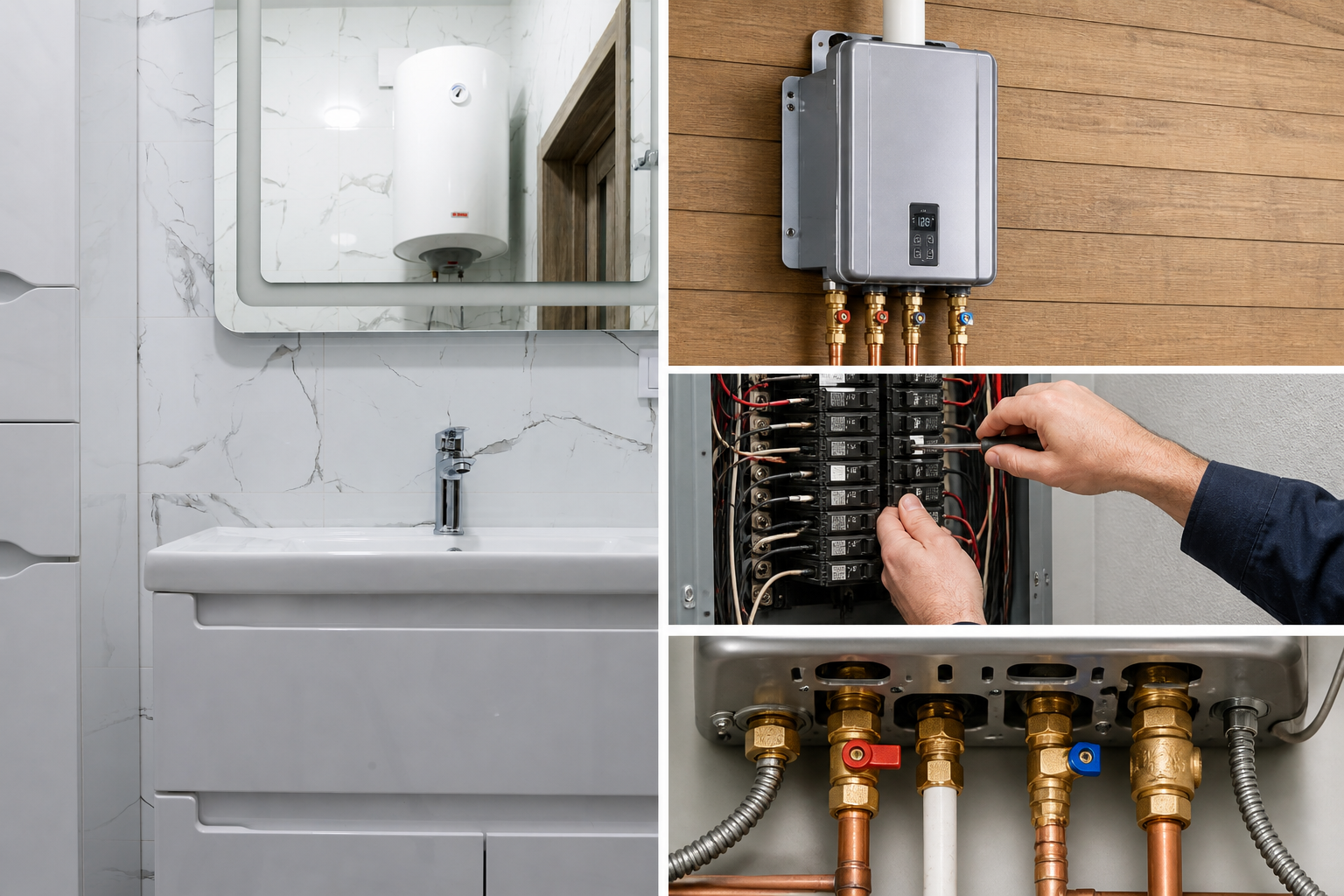
Electric tankless water heater installation cost is a practical concern for homeowners weighing the long-term savings against a higher upfront price. This guide breaks down what you can expect to pay, the factors that drive the total, and concrete steps to get accurate quotes for a whole‑home or point‑of‑use setup. For readers exploring cost-saving considerations, see Water heater choice and maintenance can reduce energy costs for context on insulation, thermostat settings, and maintenance impacts on operating costs.
What you’re paying for: the cost at a glance
Here’s a concise snapshot of the main cost components you’ll encounter when installing an electric tankless system. The heater itself is just part of the picture—the electrical work, potential panel upgrades, and any necessary plumbing changes can significantly influence the final total. See cost frameworks and budgeting guidance from industry references such as Tankless water heater installation cost and Tankless water heater installation cost for typical installed-cost ranges and driving factors.

| Heading | Considerations | Typical Ranges |
|---|---|---|
| Unit Price | Capacity and features vary; higher flow models command higher upfront costs. | $600–$1,000 for the heater itself |
| Installation Labor | Electrical wiring, potential panel upgrades, permits, and any minor plumbing adjustments. | $800–$2,000 (typical basic install) |
| Total Installed Cost Range | Depends on home electrical capacity and scope of work. | $1,400–$3,000 (basic) to $4,500–$8,000 (major upgrades) |
Electric tankless water heaters: how they work and who they’re for
An electric tankless unit heats water on demand as it flows through the device, eliminating the need for a stored reservoir. These systems can be wired as point‑of‑use units or configured as a whole‑home solution. They excel at efficiency by avoiding standby heat loss, but they often require substantial electrical service to support multiple fixtures running simultaneously. For longer-term cost considerations, see practical cost analyses such as Tankless water heater cost.
Cost overview: what affects the bottom line
Expect a broad cost range for electric tankless installations. A typical basic setup often falls in the $1,400 to $3,000 range, with the heater itself generally priced between $600 and $1,000. If the project includes panel upgrades, extensive wiring, or multiple units, total costs can climb toward $4,500 to $8,000. Site conditions, unit capacity, and local labor rates all shape the final figure. For broader budgeting perspectives, refer to industry references such as Tankless water heater installation cost (This Old House) and Tankless water heater installation cost (ConsumerAffairs).
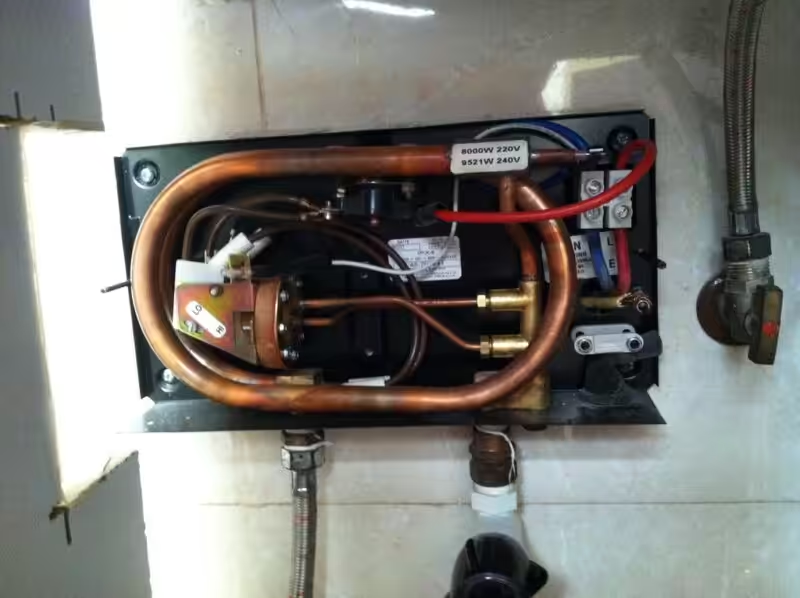
Key cost drivers you should plan for
- Electrical service upgrades or panel work to handle high current draws.
- Flow rate requirements (GPM) and the number of fixtures you expect to run at once.
- Whether the installation is point‑of‑use or whole‑home, plus any plumbing modifications.
- Local labor rates and permit requirements that vary by location.
Sizing and configuring your system: getting it right the first time
To size an electric tankless system, assess peak hot water demand and your plumbing layout. A single bathroom or small apartment may only need a point‑of‑use unit, while a larger home might require multiple models or a larger central unit. A licensed electrician or plumber who specializes in tankless systems can calculate the necessary capacity and recommend the best configuration for your home. For related guidance on electrical planning and permitting, you can consult Electrical Panel Replacement Price for context on panel upgrade considerations.
Electric vs. gas: cost and trade-offs
Electric tankless options often have a lower upfront price and easier installation if your home lacks gas lines or venting requirements. Gas units can offer lower operating costs in areas with affordable natural gas, but they demand venting and potential gas‑line upgrades. In many scenarios, the absence of venting with electric units reduces installation complexity and can keep overall costs lower than a comparable gas installation. If you’re evaluating broader fuel-cost tradeoffs, note how regional energy markets influence operating expenses over the system’s life.
Scenarios and practical examples
Replacing a standard 50‑gallon tank with an electric tankless system typically requires upfront planning for panel capacity and potential minor electrical work. For smaller homes or apartments, a point‑of‑use setup can minimize wiring runs. In larger homes, a central electric tankless configuration may be the most economical long‑term option, provided the electrical service can support it. For context on related remodel cost framing, see Seattle-focused electrical-wiring cost discussions and permit considerations in Architecture Adrenaline.
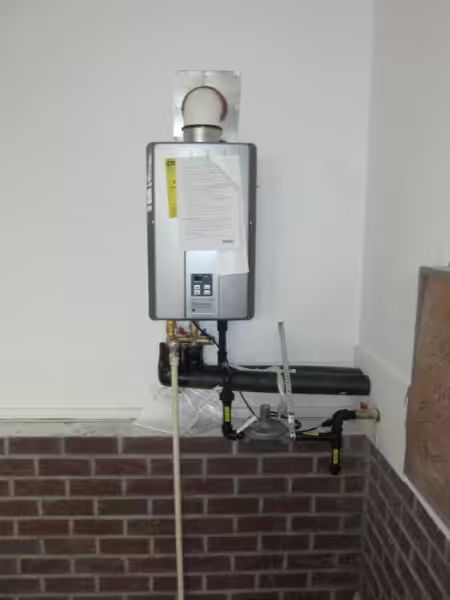
Where to shop and what to ask
Retailers and local plumbing/heating pros offer electric tankless options. When requesting estimates, ask for a detailed, itemized quote that clearly lists the unit, wiring, panel work, permits, and any required upgrades. Having a line‑by‑line comparison helps you evaluate electric tankless water heater installation cost across providers and avoid hidden charges. For cross‑reference on broader building-cost topics, see related architecture-adjacent cost articles such as Bathroom Remodel Cost Seattle and Electrical Panel Replacement Price.
Average cost to install a tankless electric water heater
Across markets, the typical installed cost tends to hover around $2,400, with a broad range from about $1,600 to $3,800. In more complex installs—especially those involving panel upgrades or extensive rewiring—it's not unusual for totals to reach $4,000 to $6,500 or more in certain areas. For related cost context, consider how different remodeling scenarios influence totals in other articles such as Downspout Gutter Installation Cost Breakdown.
Practical steps to secure an accurate quote
- Check your current electrical panel capacity (amps and available slots).
- List all hot water demands and estimate the combined flow rate (GPM) you may use at once.
- Obtain on‑site assessments from licensed electricians or tankless‑specialist plumbers.
- Request a written, itemized quote that breaks out unit cost, labor, wiring, permits, and upgrades.
Frequently asked questions
- What’s the typical installed cost range for an electric tankless water heater?
- Most basic installs fall between $1,400 and $3,000, with higher costs if electrical upgrades are required, sometimes reaching up to $8,000 in edge cases.
- Is electric or gas cheaper to install?
- Electric often costs less upfront and is simpler to install if you lack gas lines or venting. Gas can be cheaper to operate where natural gas is affordable, but requires venting and gas‑line work.
- What influences the install cost?
- Unit size, desired flow rate, electrical panel capacity, wiring runs, permits, and any required plumbing changes.
What readers should consider next
- Obtain multiple written quotes to compare total costs and identify hidden charges.
- Explore local rebates or incentives for energy‑efficient electric systems.
- Factor in a potential panel upgrade if pursuing a whole‑home installation.
- Get a professional assessment to determine whether a single unit or a multi‑unit setup best fits your home and hot‑water habits.
If you’d like a quick, personalized estimate for your home, share your location, expected hot‑water usage, whether you want point‑of‑use or whole‑house, and the size of your current electrical panel. I can help you compare options and outline the average cost to install electric tankless water heater for your area.
Readers are invited to share their experiences with electric tankless installations—what surprised you, what you wish you knew beforehand, and any tips for someone considering this upgrade. Your practical insights can help others make informed decisions.
Internal reference and further guidance
- For broader, project-specific electrical-cost context beyond water heating, see Electrical Wiring Inspection Cost Insights.
- Explore related cost analyses such as Main Sewer Line Camera Inspection Cost for interpretation of camera-inspection cost drivers in building projects.
- For bathroom remodeling and related cost framing that influences overall renovation budgets, see Bathroom Remodel Cost Seattle.
Current date, time, and timezone (ISO): 2026-08-21T03:50:02.736-05:00
How Much To Install a Tankless Water Heater?:
In conclusion, while the initial investment for electric tankless water heater installation might seem higher than traditional systems, the long-term savings on energy bills and the added convenience make it a worthwhile consideration for many homeowners. Plus, with various factors such as your home's location, the unit's size, and local labor rates influencing the overall cost, it's essential to do your homework to find the best solution that fits your budget and needs. Taking the plunge into this upgrade can lead to endless comfort and satisfaction.
Stay Connected for More Tips
I hope this article has shed some light on what you might expect when considering an electric tankless water heater! If you’re eager to learn more fantastic tips about home improvements and energy efficiency, be sure to check out our journey on Instagram. We love sharing inspiration and connecting with you, so don’t hesitate to follow along for updates and more tips!
