
The Eureka Lemon Tree is a classic, everbearing citrus variety prized for year‑round fruiting, fragrant white blossoms, and tart, juicy lemons that are ideal for culinary and household use.
| Characteristic | Quick Reference | Notes |
|---|---|---|
| Origin | California-based seedling lineage; Frost nucellar clones preserve the type | Early California selection with nucellar propagation helps maintain true-to-type fruit |
| Size & Habit | Standard 15–20 ft; semi-dwarf 6–12 ft; upright, spreading evergreen | Semi-dwarf forms are ideal for patios and containers |
| Climate & Zones | USDA zones 9–11 outdoors; containers for cooler climates with indoor winter protection | Best in mild climates; protect in cold winters |
| Fruit Season | Nearly year‑round in mild climates; peak flushes vary by region | Continuous harvests make it reliable for culinary use |
| Uses | Juice, zest, cleaning, aromatherapy, ornamental screening, patios | Versatile for cooking and home care |
Key Facts About The Eureka Lemon Tree
The Eureka Lemon Tree (Citrus limon 'Eureka') is a widely grown true-lemon cultivar known for steady, often continuous production of medium-sized bright yellow lemons with a thin rind and tart juice. It appeals to commercial growers and home gardeners for dependable yields and classic lemon flavor, with relatively low seed count compared with some other lemons.
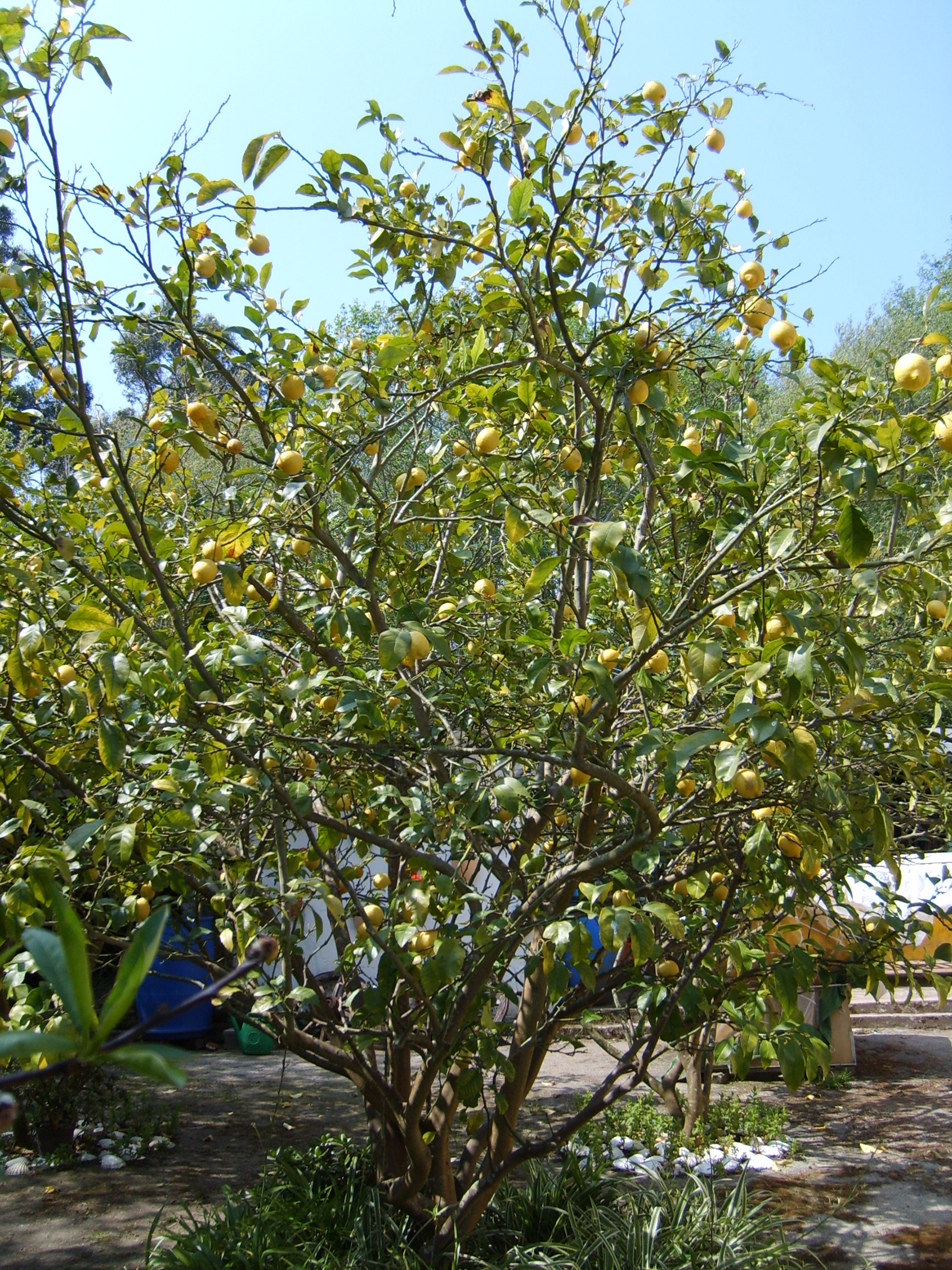
History And Origins Of The Eureka Lemon Tree
Historical records point to Eureka’s California origins in the 19th century, beginning from Italian fruit seedlings grown in Los Angeles. Nurseries and researchers later developed nucellar clones (such as Frost) to ensure true-to-type propagation, supporting consistent performance in commercial and home gardening contexts.
How The Eureka Lemon Tree Differs From Meyer Lemon Tree
Compared with a Meyer lemon tree, the Eureka typically offers:
- More tart, classic lemon flavor; Meyer lemons are sweeter and less acidic.
- Thinner rind with fewer aromatic oils in zest than Meyer.
- A broader presence in supermarkets; Meyers are popular for indoor or small-space use due to greater cold tolerance and sweeter flavor.
Climate, Cold Hardiness, And Best Growing Zones For Eureka Lemon Tree
Eureka lemon trees thrive in Mediterranean to subtropical conditions. Outdoors, plant in USDA zones 9–11 where winter minimums stay above roughly 25–30°F. In marginal zones, grow Eureka in containers and move indoors or into a sunny greenhouse before temperatures dip below 40°F.
Planting And Establishing Your Eureka Lemon Tree
Choose a sunny site with well‑draining soil. For in‑ground planting, amend heavy clay with organic matter and coarse sand. Space standard trees 12–18 feet apart and semi‑dwarfs 8–12 feet. When planting from a container:
- Dig a hole twice the width of the root ball but no deeper than the pot.
- Set the graft union a few inches above soil level (if present).
- Backfill, water deeply, and mulch with a 2–3 inch ring, keeping mulch 2–3 inches from the trunk.
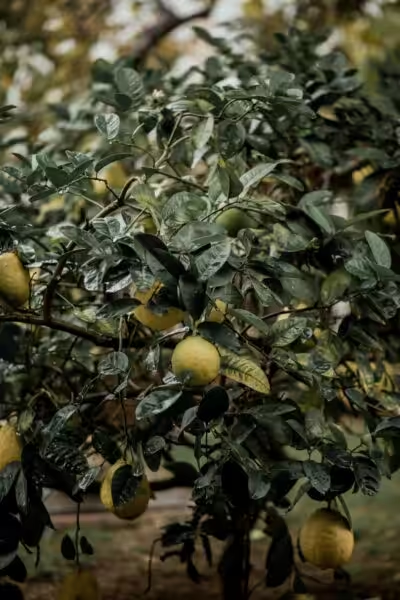
Watering, Seasonality, And Container Care For Eureka Lemon Tree
Water regularly but avoid waterlogging. General guidelines:
- New plantings: deep water 1–2 times per week in heat and dry soils.
- Established in ground: every 7–14 days in dry spells; increase in sandy soils or extreme heat.
- Containers: water when the top 1–2 inches of potting mix dry; containers may require 2–3× more frequent irrigation than in-ground trees.
In winter, reduce watering but never allow roots to freeze; bring potted trees indoors if frost is expected.
Fertilizing And Nutrition Schedule For Eureka Lemon Tree
Use a citrus-specific fertilizer with micronutrients (iron, zinc, manganese) to prevent chlorosis. A practical schedule:
- Feed monthly during active growth (spring through early fall).
- Split annual nitrogen into 3–4 smaller doses rather than a single large application.
- Address yellowing between veins with iron chelate or foliar sprays if needed.
Pruning, Training, And Canopy Management For Eureka Lemon Tree
Prune lightly to shape, improve air circulation, and remove dead wood. Key steps:
- Prune in late winter after frost risk has passed but before major spring growth.
- Remove inward‑facing branches and any suckers from below the graft union.
- Thin congested areas to increase fruiting wood and reduce disease pressure.
Pest, Disease Management, And Common Problems
Eureka lemon trees face common citrus pests such as aphids, scale, citrus leafminer on new growth, and spider mites. An integrated approach helps:
- Encourage beneficial insects; use insecticidal soaps or horticultural oils for small outbreaks.
- Address nutrient deficiencies promptly—chlorosis from alkaline soils is common.
- Ensure good drainage to prevent root rot; avoid waterlogged conditions.
Harvesting, Storage, And Culinary Uses Of Eureka Lemons
Harvest lemons when they turn fully yellow with a slight give to pressing. Eureka lemons are ideal for juicing, zesting for desserts and dressings, and household uses such as cleaners and deodorants. They store well in the refrigerator for several weeks.
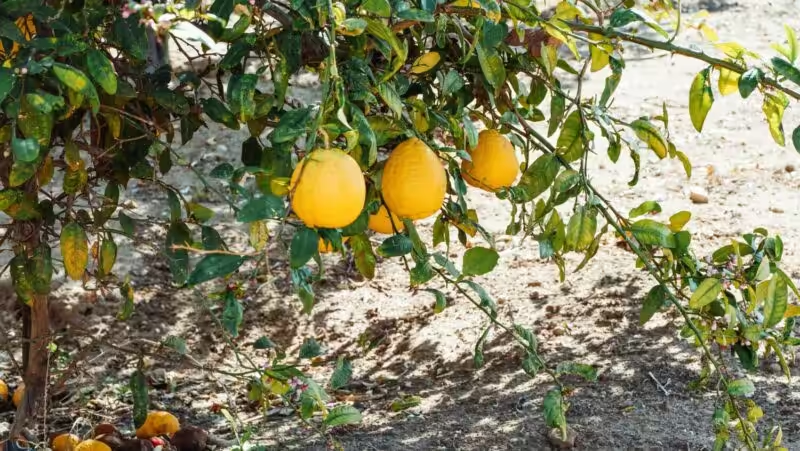
Varieties, Clones, And Where To Buy A Eureka Lemon Tree
Nurseries offer standard Eureka and semi‑dwarf selections, plus nucellar clones like Frost to preserve true‑to‑type fruit. Look for healthy buds and, where possible, certified budwood or clonal indexing to ensure plant health and variety fidelity. You can find Eureka lemon trees at local citrus nurseries, big-box retailers with potted citrus, or reputable online citrus nurseries.
Growing Eureka Lemon Tree Indoors And As A Patio Tree
Semi‑dwarf Eureka trees in large, well‑drained containers work well for cooler climates. Use a dedicated citrus potting mix, provide southern exposure or strong grow lights, and rotate the plant for even light. Over winter, keep temperatures above 50°F with bright light. Expect smaller yields but high‑quality fruit when grown in containers.
Practical Tips And Troubleshooting For New Growers
- Avoid overwatering: consistently wet roots lead to decline. Check soil moisture before irrigation.
- Watch for graft suckers: remove vigorous shoots emerging below the graft union to protect fruit quality.
- Choose a pot size that grows with the tree; upsize gradually (typically one pot size every 2–3 years for container trees).
- Protect blossoms from late frosts to prevent flower loss and reduced harvests.
Frequently Asked Questions About Eureka Lemon Tree
Is a Eureka Lemon Tree self-pollinating?
Yes—Eureka trees are self-fertile, though pollinators can improve fruit set.
How long until a Eureka Lemon Tree bears fruit?
Grafted nursery trees often fruit in 2–3 years; trees grown from seed can be longer and more variable in fruit quality.
Can you grow a Eureka Lemon Tree in zone 8?
Only with protection: containers indoors for winter or a heated greenhouse are recommended to avoid freeze damage.
We’d love to hear about your Eureka Lemon Tree experiences. Have you grown it in a container or in-ground? Share your tips, photos, and varieties in the comments to help other readers grow bountiful, flavorful Eureka lemons.
Grafting and rootstock behavior play a crucial role in how a Meyer lemon or Eureka lemon tree performs over time. Shoots arising from the rootstock can alter fruit quality and growth habit; remove these shoots to preserve the desired variety. For a deeper dive into grafting dynamics, see Is It a Lemon or Orange Tree? Maybe Both! – Under the Solano Sun and consider using a Citrus grafting knife for citrus tree grafting and pruning to improve precision and reduce damage to the scion. Citrus grafting knife for citrus tree grafting and pruning.
```
Eureka Lemon Tree: Pros, Cons, and What I Learned After 14 Years of Growing It. #fruitful tree:
As you venture into the delightful world of gardening, the Eureka Lemon Tree stands out as a vibrant addition that can truly elevate your outdoor space. Whether you're drawn in by the sweet-tart aroma of its fresh lemons or the striking appearance of its glossy leaves and white blossoms, this tree offers not just fruit, but joy and inspiration for your gardening journey. Just imagine stepping outside to pluck a lemon from your own tree and using it in your favorite recipe—it's the small, rewarding moments like these that make gardening so fulfilling.
Your Lemon Journey Awaits
So, if you’re excited to dive deeper into the enchanting realm of gardening and want to stay updated on the latest tips and trends, don’t hesitate to connect with us! We’re always sharing great content and inspiration on our social media platforms, like this one on Instagram. We love being part of your gardening adventures, so let’s grow together and make our gardens flourish!
