
Harriman State Park Island Park ID offers a year‑round escape where a working ranch history meets rugged wildlife and quiet, scenic backroads along the Henrys Fork of the Snake River.
| Quick Reference | Details |
|---|---|
| Location | 3489 Green Canyon Rd, Island Park, Idaho 83429 — roughly 30 miles from West Yellowstone and about 90 miles from Jackson, WY |
| Size & Setting | About 11,000+ acres along eight miles of the Henrys Fork, with river meanders, meadows, and forest edges |
| Common Activities | Hiking, mountain biking, horseback riding, fly fishing, cross‑country skiing, snowshoeing, wildlife viewing |
| Facilities | Historic Railroad Ranch buildings, Ranch Manager’s House, multiple yurts and rustic rental cabins |
| Fees & Contact | Daily vehicle entrance around $7; reservations required for rentals; park: (208) 558‑7368 |
Location, Access, And What You’ll Find In Island Park
From Island Park, Harriman State Park sits as a gateway to the greater Yellowstone region. The landscape blends river corridors with sage meadows and lodgepole forests, offering long vistas toward the Tetons on clear days. The park’s mix of public access and preserved ranch buildings creates an inviting setting for families and solo explorers alike, especially for anglers drawn to the Henrys Fork’s famed trout habitat. For an official overview of facilities, access, and guidelines, see the Harriman State Park official page.
For a broader environmental planning context and visitor resources, Harriman’s location within Idaho’s outdoor recreation framework is summarized on the official Harriman State Park official page and the state’s Get Outside hub.
From Ranch History To Today’s Experiences
The property began as the Railroad Ranch in the early 20th century, a retreat tied to railroad investors. In the 1970s, the Harriman family gifted the land to Idaho with wildlife protection covenants, and Harriman State Park opened to the public in the early 1980s. Visitors can still see many original ranch structures, which anchor guided and self‑guided explorations of the site’s conservation and ranching heritage. The enduring ranch‑to‑park transformation is a topic often explored in parkitecture narratives, such as discussions of rustic ranch architecture in regional contexts.
Visitors interested in the architectural and landscape context of similar sites can explore parallel coverage like Olana State Historic Site in Hudson, New York, and Belmont Lake State Park’s adventure guide, which illuminate how historic estates and park landscapes are documented and interpreted in editorial venues. See the Olana State Historic Site, Hudson, New York and Belmont Lake State Park Adventure Guide for comparative perspectives on parkitecture and landscape heritage.
Acres, Rivers, And The Landscape You’ll Encounter
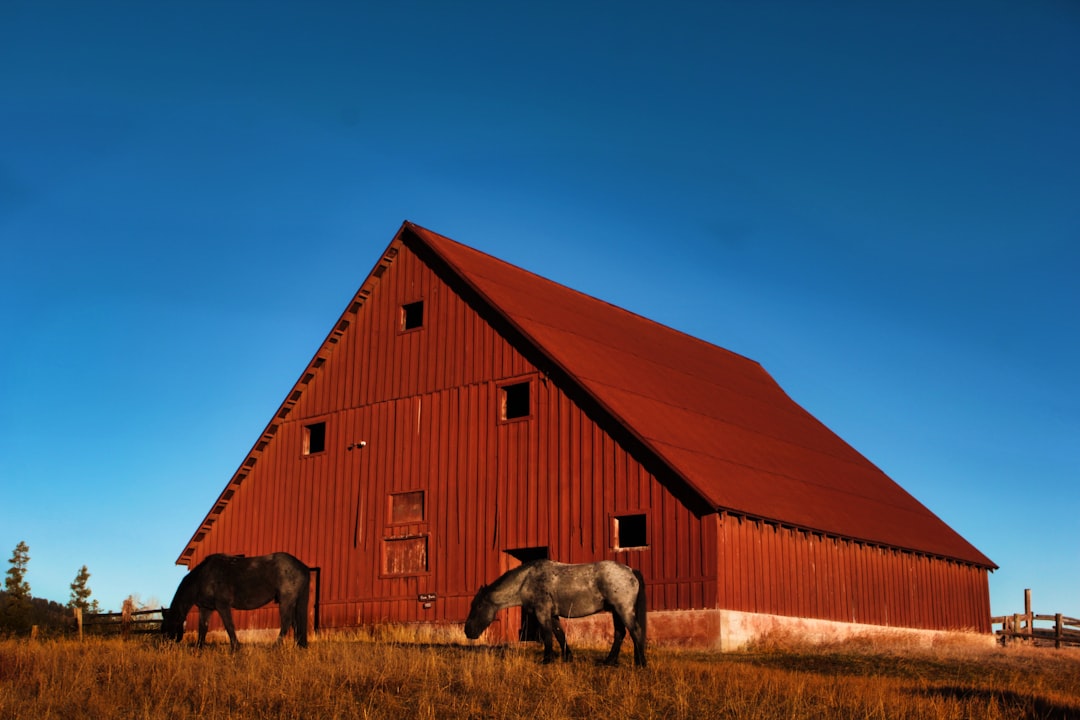
Spanning roughly 11,000 acres along eight miles of the Henrys Fork of the Snake River, the park showcases a mosaic of habitats—from riparian willow corridors to sage meadows and evergreen pockets. This diversity supports a dynamic array of wildlife and provides reliable scenery for hikers, birdwatchers, and photographers seeking river‑side compositions and broad open skies. The interplay of water, meadow, and forest edges is a recurring design consideration in riverine landscapes, as discussed in broader editorial coverage of parkitecture and landscape design.
Readers familiar with editorial explorations of rustic park architecture can also consult New York State Parks’ look at rustic park architecture, which delves into how such landscapes are composed and preserved in a regional context. See the article From A to T: A Look at Rustic Park Architecture in New York State and related architecture features.
Seasonal Activities And Trail Network
Whether you’re visiting in summer or winter, Harriman State Park offers a curated set of activities:
- Hiking and mountain biking on 20+ miles of multi‑use trails that connect meadows to river edges
- Guided or self‑led horseback riding aligned with the park’s ranch history
- World‑class fly fishing along the Henrys Fork Ranch section, with selective access to riffles and pools
- Wildlife viewing and birding opportunities, including moose, elk, eagles, and trumpeter swans
- Winter recreation with groomed cross‑country ski trails, snowshoe routes, and fat‑bike friendly corridors
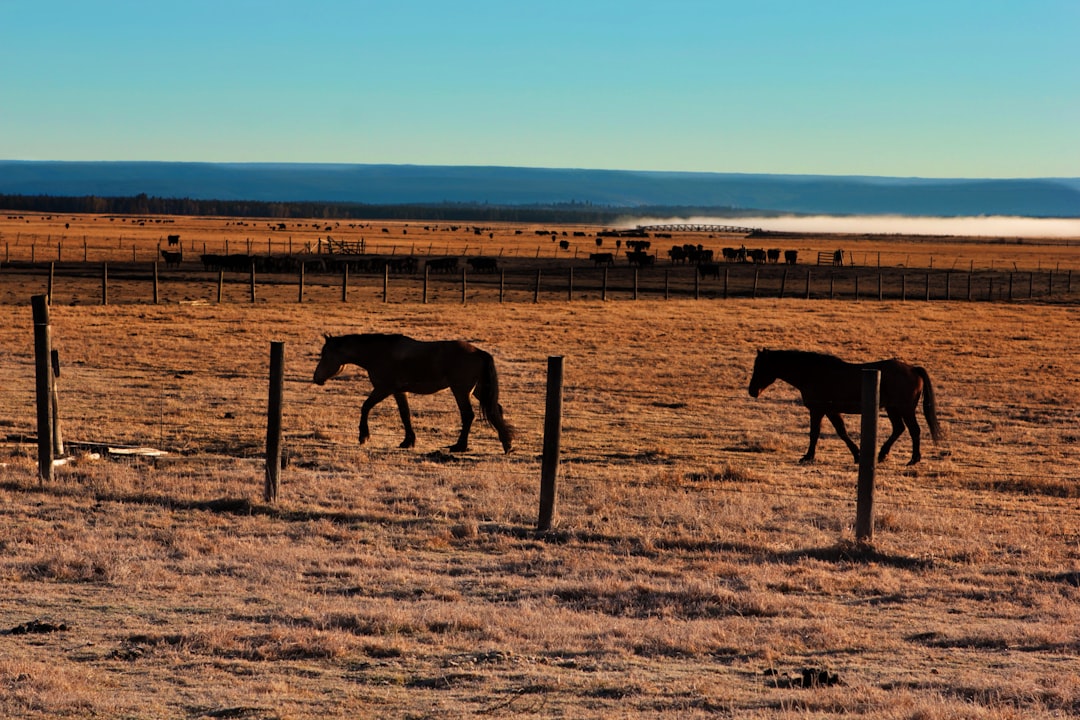
For readers who plan around conditions and seek editorial context on how seasonal access shapes experience, consider pairing with editorial notes from related park articles such as Rustic park architecture coverage and other park guides on Architecture Adrenaline.
Where To Stay: Yurts, Cabins, And Historic Rentals
Overnight options center on the Ranch Manager’s House and several yurts and rustic cabins. Rentals are available year‑round and typically include linens and wood for stoves. Plan ahead: summer weekends and winter holiday periods tend to fill, so reserve early via the Idaho State Parks system.
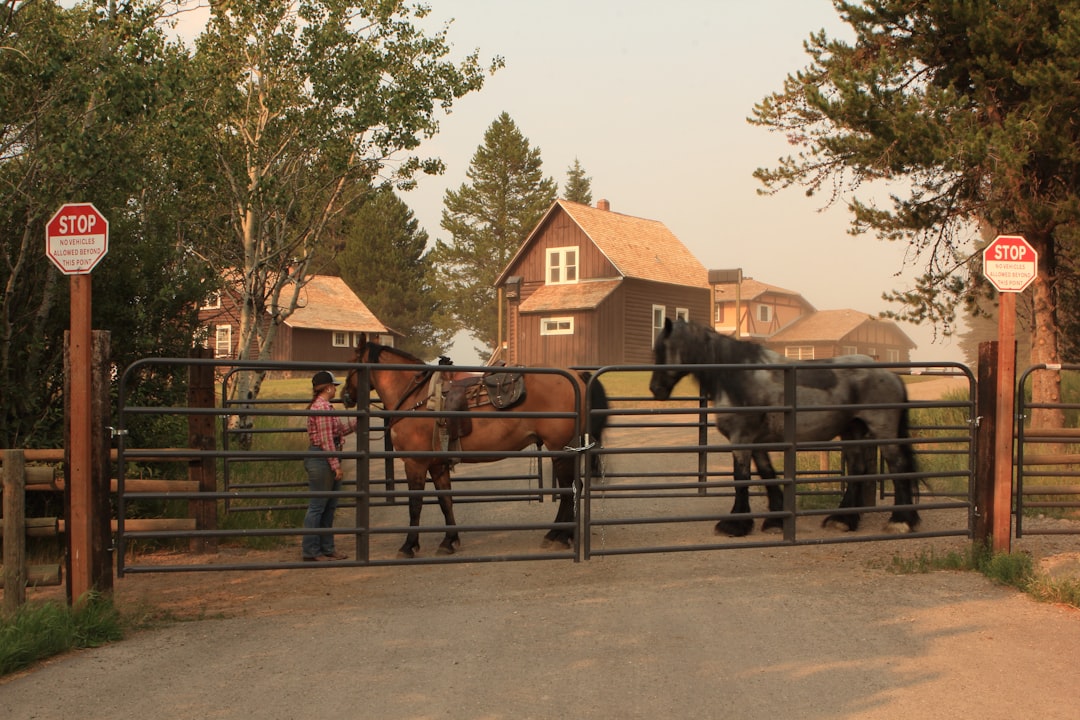
When evaluating lodging options in park settings, consider how proximity to the river, durability of historic buildings, and ease of access for maintenance and safety influence long‑term value. Readers may also find comparative examples in park lodging discussions visible in Architecture Adrenaline’s coverage of related properties, such as Olana’s historic settings or Belmont Lake’s park experiences.
Practical Planning: Fees, Rules, And Tips For A Smooth Visit
Expect a daily vehicle entrance fee (about $7) and consider an annual parks pass if you anticipate multiple visits. Helpful tips to maximize your time:
- Dress in layers; high elevations mean rapid weather changes
- Protect yourself from insects near the river edges in summer evenings
- Respect wildlife by keeping distance and avoiding feeding animals
- Pets are allowed in many areas but must be leashed where posted
- Dispersed tent camping isn’t available at the Railroad Ranch; use designated rentals or nearby campgrounds
For planning resources beyond the park, the Idaho Get Outside hub provides current visitor guidance and activity ideas that align with Harriman’s offerings.
Cross‑Country Skiing And Winter Use At Harriman
The park’s winter appeal centers on groomed ski trails that wind through meadows and along the Henrys Fork. A warming hut operates on select weekends, providing a comfortable pause during longer treks. Snow conditions dictate the core season, typically December through March, with midweek outings offering a quieter, wildlife‑rich experience.
Winter‑season readers may find visual inspiration in rustic winter landscapes featured in park‑oriented architecture coverage, which often discusses how snow, light, and material durability influence editorial conclusions about design and use.
Horseback Riding Opportunities From The Park
Local outfitters operate guided rides from Harriman, including half‑, full‑day, and multi‑day itineraries. Booking ahead in summer is wise, as this is a popular way to explore remote riverbanks and expansive meadows without bringing your own gear.
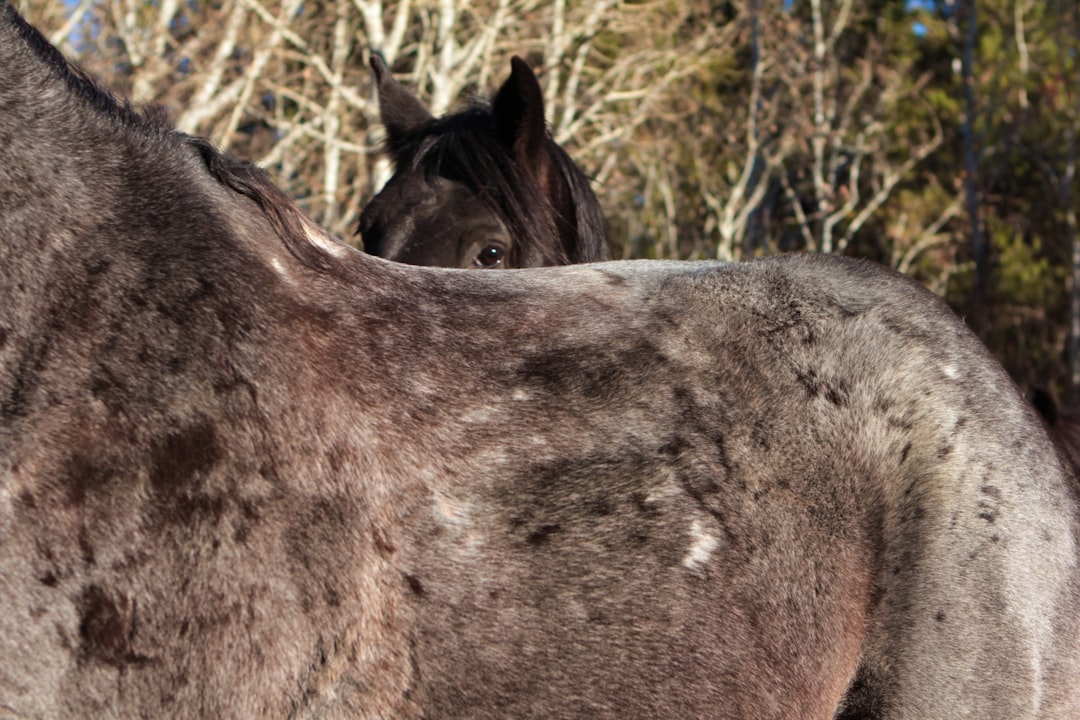
For a sense of how guided experiences are framed within park contexts, see the discussions of guided programs and historic ranch settings in related Architecture Adrenaline features.
Wildlife Watching In The Greater Yellowstone Corridor
Positioned within the Greater Yellowstone ecosystem, Harriman is a hotspot for big‑game and aquatic birds. Expect frequent sightings of moose and elk in open meadows, and seasonal appearances by trumpeter swans and bald eagles along the river. Dawn and dusk yield the richest wildlife viewing opportunities.
These observations align with broader discussions of habitat diversity and landscape design considerations in riverine park environments, as explored in related conservation and architectural‑landscape analyses.
Getting There: How To Plan A Smooth Route
Access is straightforward from Island Park, Idaho. If you’re heading toward Yellowstone’s West Entrance, use Green Canyon Road to reach the park. The area pairs nicely with stops at Mesa Falls or other Island Park attractions, turning a day trip into a multi‑stop adventure.
For context on how visitors coordinate routes with public lands and scenic byways, the Harriman pages and Idaho’s official tourism guidance provide practical routing and safety notes. See the Harriman State Park official page and Idaho Get Outside hub for planning details.
Common Questions About Harriman State Park Island Park ID
Do I need reservations for rentals? Yes—yurts and cabins require advance booking. Day use does not require a reservation, but check for any scheduled programs.
Are dogs allowed? Dogs are generally permitted but may be subject to leash rules in certain zones—verify current park signage.
Best season for different activities? Summer shines for hiking and fishing; winter is ideal for cross‑country skiing and wildlife viewing.
Is cell service reliable? Expect limited coverage; download maps and bring printed directions when possible.
For official guidance on rentals and park rules, consult the Harriman State Park page linked above. The state also provides a planning overview at the Get Outside site.
Planning Checklist For Your Harriman State Park Island Park ID Visit
- Reserve yurts or cabins well in advance, particularly for summer and winter holidays.
- Confirm trail grooming schedules and any special events before you go.
- Bring a fishing license and gear if you plan to fish the Henrys Fork.
- Pack layered clothing, binoculars, and bear‑safety gear if venturing into backcountry areas.
- Keep the park’s address (3489 Green Canyon Rd) and phone number on hand: (208) 558‑7368.
As you plan your Harriman State Park Island Park ID visit, share your own experience or tips in the comments—what secret trail, wildlife sighting, or lodge memory did you bring home? If you’ve stayed in the Ranch Manager’s House or tried a yurt, tell us what made your stay memorable. Your stories help others connect with this remarkable slice of Idaho’s landscape.
For further details on accommodations, consider visiting the Idaho parks reservations portal and the Friends of Harriman State Park, which supports park initiatives and volunteer programs. Links: Harriman rental facilities and Friends of Harriman State Park.
Planning resources and practical maps: Idaho hiking maps.
Harriman State Park Idaho - The Hidden Gem You’ve Never Heard Of!:
Harriman State Park is truly a gem in Island Park, ID, offering a stunning backdrop for both adventure and relaxation. Whether you're hiking the scenic trails, casting a line into the tranquil streams, or simply taking a moment to breathe in the stunning natural beauty, each visit feels like a refreshing retreat from the everyday hustle. The park provides an excellent opportunity for family bonding or a solo getaway, allowing you to reconnect with nature and create lasting memories. Don't forget to capture those inspiring moments—your next favorite photo might just be waiting for you along the water’s edge or shaded glades.
Stay Connected and Explore More!
As you plan your next visit to Harriman State Park or seek out new adventures, remember that there are always more experiences to discover. I’d love for you to join our growing community and share in the excitement! Follow us on Instagram to stay updated with beautiful photos and tips that will fuel your wanderlust. Here’s to many more adventures in this breathtaking corner of the world—can’t wait to see you out there!
