
How to Find Valuable Rocks in Your Backyard is a practical guide to researching local geology, spotting promising rock types, and safely testing specimens that could be worth money. This consolidated article blends proven tips from two existing posts, adds verified context, and preserves the images, tables, and step-by-step detail that help you identify valuable rocks in your own yard or nearby sites. Maine Geological Survey: Mineral Collecting - Frequently Asked Questions offers foundational guidance on what mineral collecting is, essential safety practices, and how to identify or locate mineral-rich areas while respecting permissions.
| Quick Reference | What To Look For | Typical Value Range |
|---|---|---|
| Common Backyard Targets | Agate banding, jasper color, quartz veins, geode nodules | $5–$200 for good specimens; rarer pieces much more |
| High-Value Possibilities | Gem-quality jade, large translucent agate, intact geodes, meteorites | $100s–$10,000s depending on quality and rarity |
| First Steps | Confirm land access, photograph finds, basic hardness/translucency tests | Free to low cost; investment in tools pays off |
Get permission and stay safe
Before you start digging, confirm you own the land or have written permission to collect. If your property overlaps protected zones, archaeological sites, or local ordinances, you may be restricted from removing specimens. Safety should come first with a simple checklist:
- Get permission in writing for private property if you don’t own it.
- Check local rules and federal guidance for public lands—meteorite collection and some sites may require permits.
- Wear eye protection, gloves, long pants, and sturdy boots; use tools safely and avoid undermining slopes or utility lines.
Research your area’s geology
Targeted searching starts with basic knowledge of what lies beneath. Use state geological maps, USGS resources, and county soil/bedrock maps to identify likely rock types nearby. Practical steps:
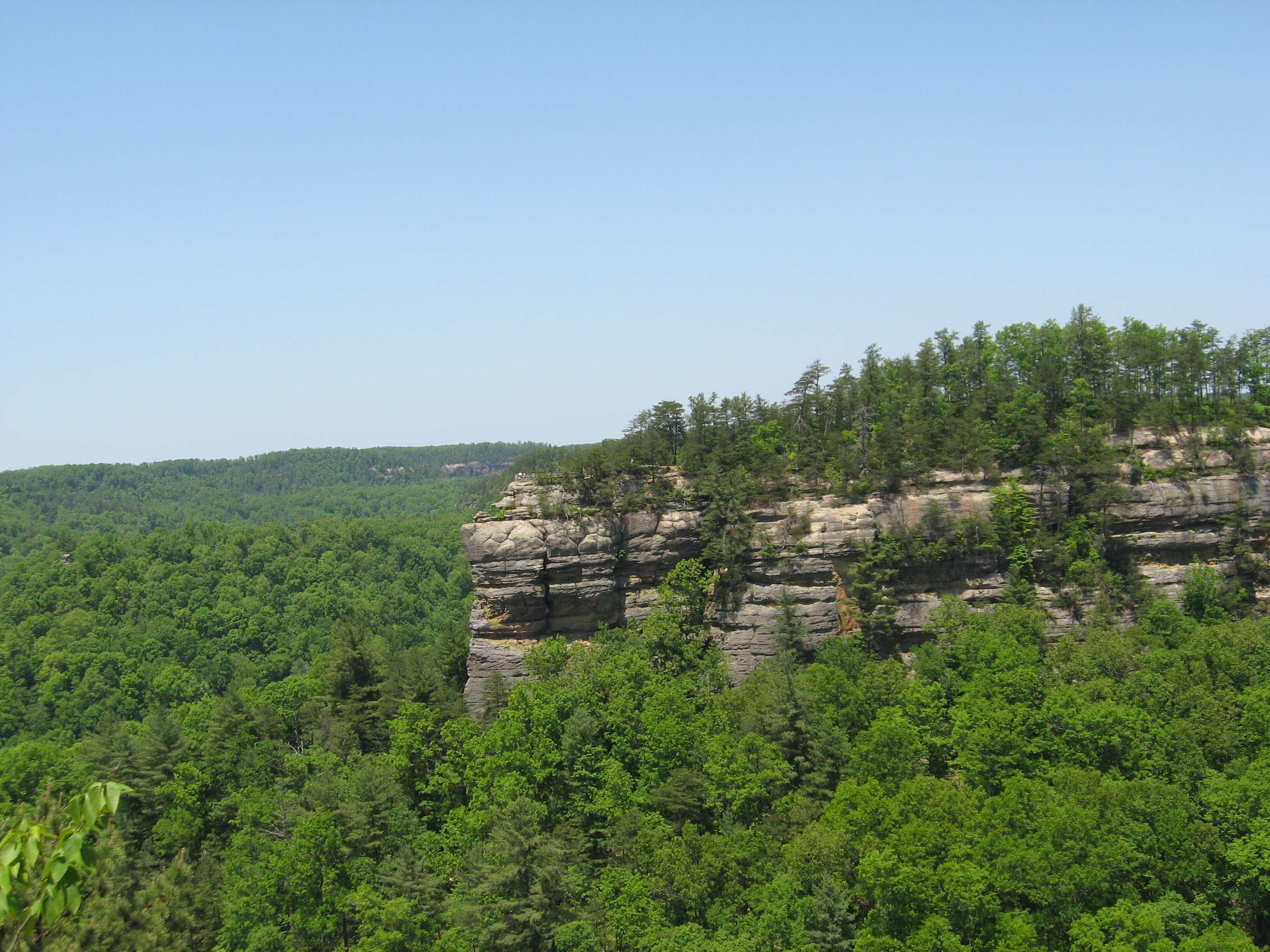
- Look for bedrock exposures, old fill areas, streambeds, or zones where topsoil is thin—these expose rocks more easily.
- Match rock types to deposits nearby: igneous rocks can host geodes and agates; metamorphic rocks can indicate jade in certain regions; sedimentary rocks may yield nodules that become geodes.
- Ask local rockhounding clubs or extension services what minerals are known in your county.
Where to search in your yard
Some micro-sites are more promising than others. Focus your efforts here:
- Near exposed rock outcrops, retaining walls, or garden beds cut into slopes.
- Along dry creek channels, drainage ditches, and under downspouts where soil has been disturbed.
- Road cuts, driveway edges, and recent landscaping excavations (with permission).
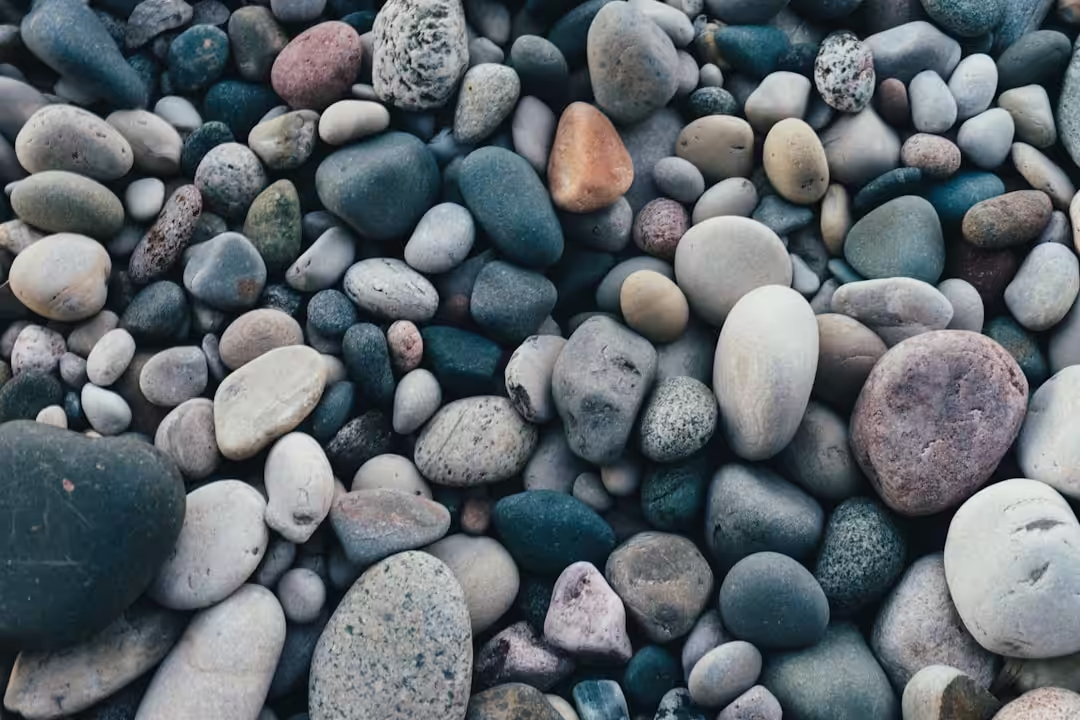
- Beach or riverfront areas if accessible from your property; look for smooth cobbles or boulders that may host jade or geodes.
Visual clues that signal value
Recognize promising specimens at a glance. Quick field indicators include:
- Agates: banded chalcedony, translucent at edges when held to light.
- Jasper: opaque with vivid colors or patterns, usually dense and smooth.
- Quartz pockets: glassy crystal faces or drusy coatings in broken rock.
- Geodes: rounded nodules that look ordinary outside but are hollow or drusy inside; a hollow sound when tapped can help confirm.
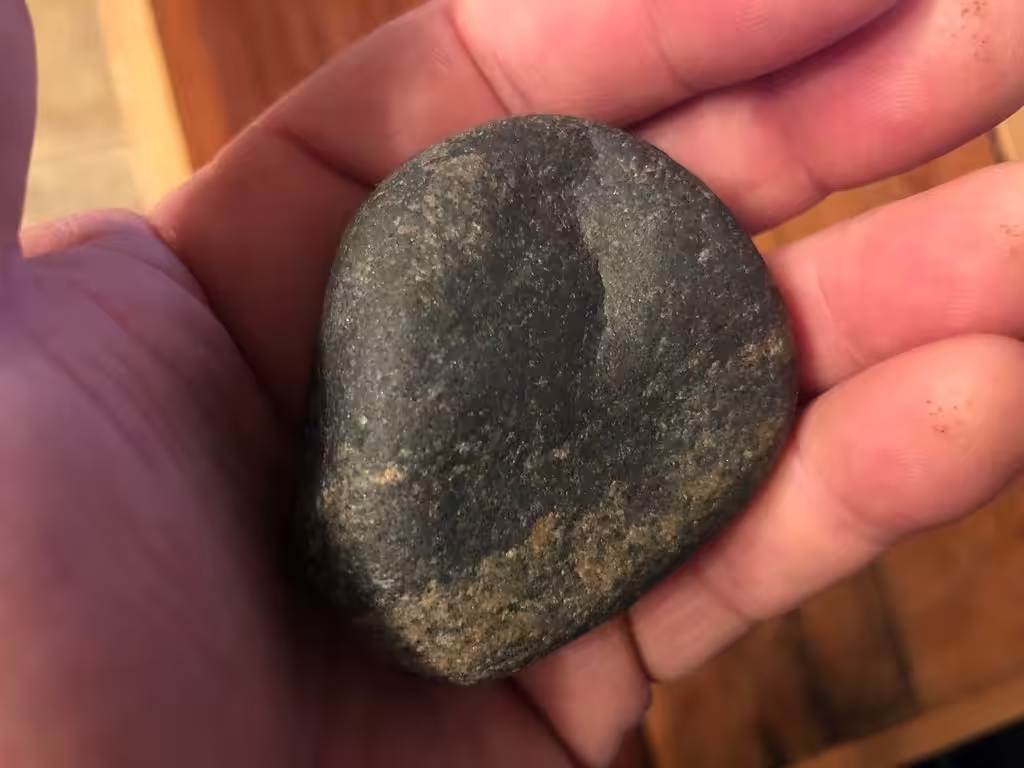
- Heavy metamorphic stones or jade-like cobbles: unusually dense and smooth; jade is particularly tough to chip.
- Meteorites: fusion crust, high density, and magnetic attraction; confirmation by an expert is advised.
Tools and methods for backyard prospecting
A small, safe toolkit and a steady method increase your chances. Starter gear includes:
- 10x loupe, rock hammer, cold chisel, screwdriver
- Safety glasses, gloves, dust mask for breaking rock, knee pads or small shovel
- Field notebook, camera for documentation, resealable bags and labels
Work in short sessions: photograph finds in place, collect surface samples, and label location and date. For larger digs, mark utilities and stay within legal digging depths.
For practical tool recommendations, many hobbyists also consider a dedicated rock-hunting kit such as a beginner-friendly option available online: rock hunting kit.
Simple field tests to prioritize samples
Use non-destructive tests to decide which specimens merit expert identification or sale:
- Translucency: hold to strong light; agates often transmit light through thin edges.
- Hardness: many agates and jasper will scratch glass (Mohs around 7); proceed with caution.
- Heft: heavier-than-expected rocks for their size can indicate valuable minerals like meteorites or jade.
- Surface texture: crystalline faces, drusy sparkles, or botryoidal textures signal potential value.
Backyard rocks worth pursuing
Realistic candidates that can be valuable, especially when well-formed, include:
- Agate and jasper for cabochons and displays
- Quartz crystals and drusy quartz
- Geodes with crystal interiors
- Nephrite- or jade-like cobbles in appropriate regions
- Meteorites (rare but valuable when verified)
Understanding market value
Prices vary widely, but a few guiding principles help you assess potential value:
- Quality over type: color, translucency, size, and intact crystal faces drive price more than species alone.
- Common polished agate slices may fetch $10–$100; museum-quality or large translucent agates can be much higher.
- High-grade jade or gem-quality stones can run into thousands, and exceptional pieces may reach five or six figures.
- Meteorites require professional verification; classification influences value substantially.
Processing rough finds: before and after
Preserve value by careful handling. A practical workflow:
- Photograph the specimen from multiple angles before cleaning.
- Clean gently with water and a soft brush; avoid acids unless you know the mineral.
- Label with location, date, and field notes—provenance adds value for collectors.
- Consult a local lapidary shop or club before any cutting or polishing to avoid devaluing the specimen.
Crystal rocks worth money: what makes crystals expensive?
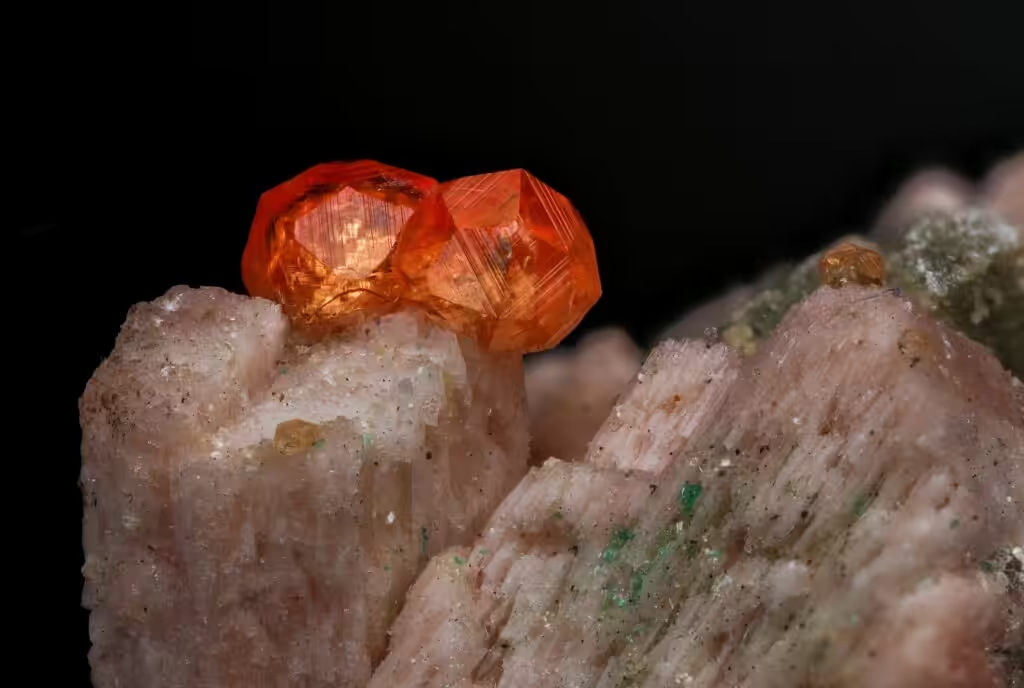
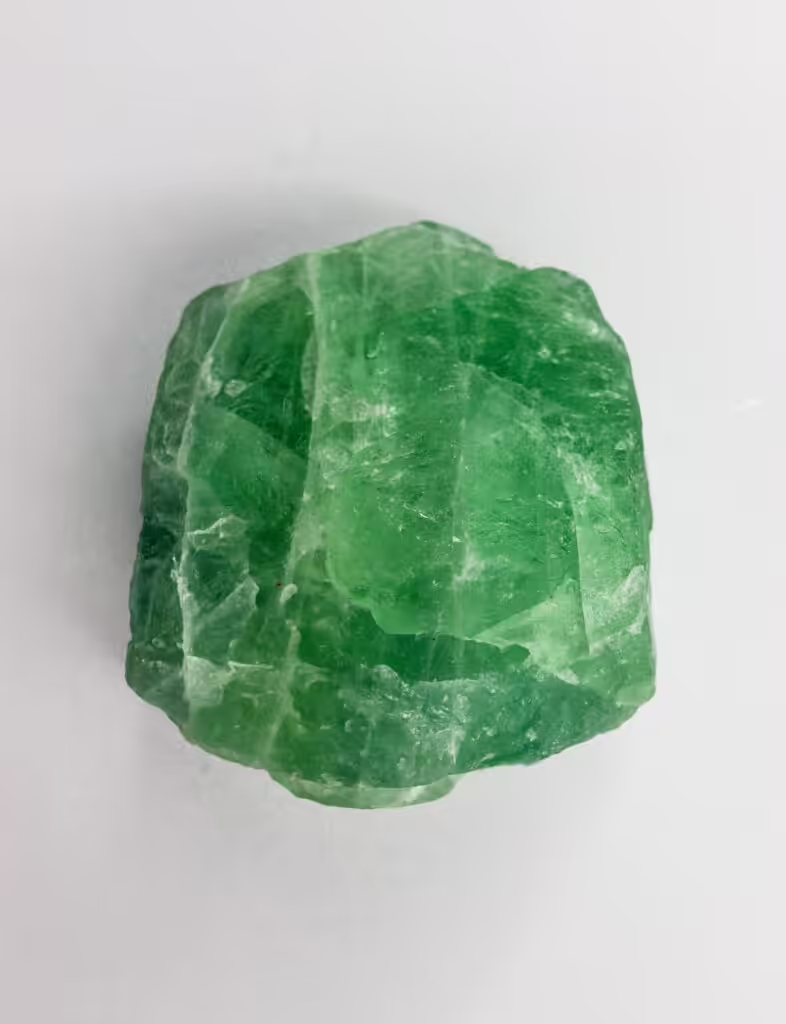
Crystal value comes from clarity, color, rarity, formation, and size. Examples include well-formed quartz crystals, gem-quality tourmaline, and rare minerals with grading and provenance. Professionally curated crystals for sale are usually accompanied by documentation.
When to involve an expert
If you suspect a high-value find (jade, meteorite, unusually large geode), take these steps:
- Seek in-person evaluation from a university geology department, state geological survey, or a reputable gem-and-mineral club.
- Do not alter or cut the specimen until it’s been examined; professional verification clarifies market class and provenance.
- For selling, obtain a written or photographed appraisal and consider reputable dealers or auctions for rare pieces.
Avoiding common missteps
New rockhounds often stumble on these pitfalls. Learn from them to protect value:
- Assuming shine or weight means meteorite—many terrestrial rocks resemble meteorites; verify with experts.
- Cutting or polishing potential museum-quality material before identification can wreck value and scientific context.
- Ignorance of local laws and landowner rights—always secure permission and follow rules for collecting.
Five backyard gems that can be worth money
These items are realistic targets when found in good condition:
- Banding agate
- Jasper
- Quartz crystals
- Intact geodes
- Coast-region jade cobbles (nephrite-like)
Where to sell or get appraisals
Options differ by specimen type and quality. Consider these avenues:
- Local gem and mineral clubs for swap meets and buyer referrals
- Specialized mineral dealers and reputable auction sites with strong provenance requirements
- For meteorites or scientifically significant items, consult universities or recognized meteorite dealers for testing before sale
Short, practical backyard prospecting routine
If you have 30 minutes, follow this quick routine to maximize results:
- Walk your yard’s perimeter and photograph intriguing rocks in place.
- Check creek beds, disturbed soil, and roots for nodules or unusual shapes.
- Perform basic field tests (translucency, magnetism, scratch test) and bag promising finds with labels.
- Review notes at home and plan a follow-up dig or expert consultation as needed.
Frequently Asked Questions
How common are valuable rocks in ordinary backyards?
Attractive semi-precious stones like agate, jasper, and quartz show up with some regularity; truly rare or highly valuable pieces are uncommon but possible in deposits known to occur in a region.
Can I find meteorites in my backyard?
Yes, it’s possible but rare. Keep documentation and seek verification from a qualified expert or state geological survey before selling or claiming value.
Is jade likely in random backyards?
True jade is regionally dependent; coastal and certain geologic settings are more promising. In jade-bearing areas, look for dense, heavy cobbles and consult local experts.
Resources and local help
Use these trusted resources to learn more and get specimen help:
- State geological survey maps and mineral occurrence data
- USGS FAQs and collecting guides for identification and legal guidance
- Local gem-and-mineral clubs and university extension services for hands-on assistance
```
HOW TO FIND PRECIOUS STONES IN ANY RIVER:
Finding valuable rocks in your backyard can be a fulfilling and delightful adventure. Whether you’re captivated by the idea of unearthing unique minerals or you're simply looking for a fun way to explore the great outdoors, immersing yourself in the world of rock hounding can lead to unexpected treasures. Remember to enjoy the process—sometimes it’s not just about what you find, but the journey that takes you there. So, grab a sturdy bag, head out on your next quest, and see what hidden gems await under your feet!
Stay Connected for More Rock Hounding Tips!
As you dive deeper into your rock-hunting journey, I'd love for you to stay connected and explore more tips and tricks. Follow my adventures and find inspiration on Instagram at Architecture Adrenaline. With every rock you discover, remember that each one tells a story, much like your own. Happy hunting, and may your backyard be filled with beautiful discoveries!
