
Paver walkway installation labor and materials cost is a critical factor for any homeowner aiming to enhance their property’s curb appeal with a stylish new entryway. As you embark on this project, understanding the components that contribute to the overall expenses can empower you to make informed decisions. Believe it or not, the average expense for installing a paver walkway ranges between $15 to $35 per square foot, but depending on your choices, it can soar over $40 for custom designs or premium materials. This blog post will help you navigate the intricacies of budgeting while ensuring your path not only looks stunning but also stands the test of time.
Breaking Down the Costs of Your Paver Walkway
- Choosing the Right Materials: The type of paver can significantly impact your budget and durability.
- Labor Expenses: Knowing local rates can help you gauge the cost of professional installation.
- Site Preparation Needs: Proper ground work ensures longevity and prevents future expenses.
Now that you're equipped with the foundational understanding of what influences the costs, let’s delve deeper into each aspect that affects your paver walkway installation, ensuring you can plan effectively without the fear of unexpected charges. Whether you’re considering a DIY approach or hiring professionals, you’ll find practical insights tailored to your budget and aesthetic goals.
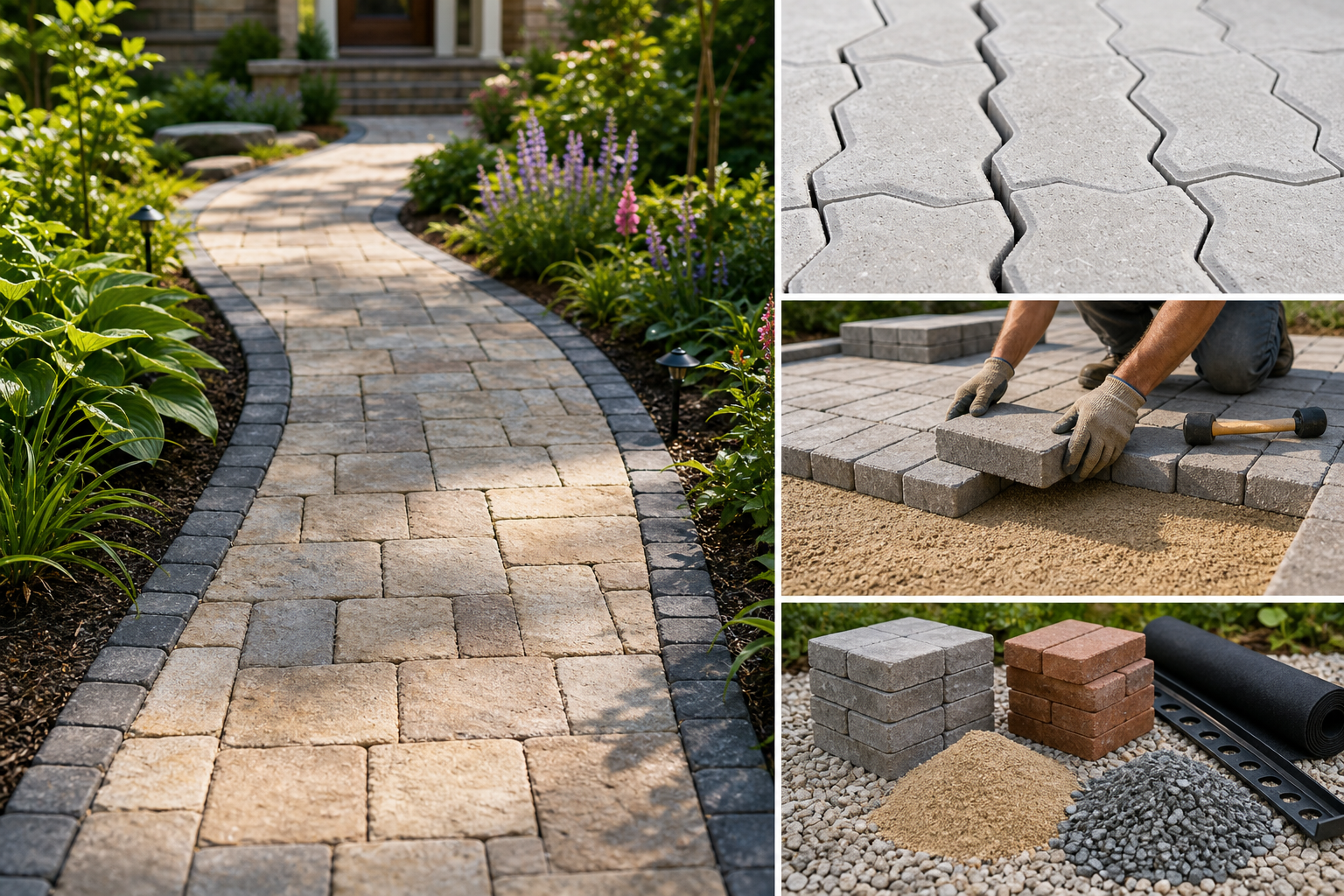
Paver walkway installation labor and materials cost is a practical consideration for homeowners planning an entryway upgrade. This guide breaks down what you’ll pay for materials, labor, and the essential steps to install a durable, attractive paver walkway without surprises, backed by typical industry ranges and practical budgeting tips.
The questions readers ask most often are: how much will it cost, and which choices drive the price? A solid understanding of base preparation, drainage, and material selection helps align the budget with long-term performance. For those seeking a concise procedural overview, see how professional installers approach paver steps design, which highlights the sequence from excavation through compacted base to jointing finishes. This helps ground the budgeting discussion in real-world installation logic. You can also explore how types of pavers influence cost and durability, useful when weighing concrete, brick, or natural stone options.
What defines the price tag for paver walkways
In most markets, you’ll see a broad price band that reflects material choice, project scope, and site conditions. A common range for paver walkway projects is approximately $15 to $35 per square foot, with premium materials or intricate designs reaching $40+ per square foot. Labor often represents a large portion of this total, as precise base preparation and proper drainage are essential for long-term performance.
For technical background on recommended paver units and installation standards professionals reference, see the Virginia DOT IIM-LD-218 guidance on paver units for sidewalks and crosswalks, which outlines unit sizing, jointing, and substrate considerations that affect material choices and long-term stability.
Cost components that matter most
Understanding where costs come from helps you budget more accurately and avoid surprises:
- Materials: Concrete, brick, or natural stone pavers, plus bedding sand, edge restraints, geotextile fabric, and joint filler. Basic options typically run around $2–$6 per sq ft, while higher-end pavers can push $8–$15 per sq ft.
- Labor: The largest single expense for many projects. Expect roughly $10–$20 per sq ft in many regions, with higher rates for complex curves, elevation changes, or steep sites.
- Supplies & tools: Compaction equipment, saws, and other hand tools required for a quality finish. This is a smaller share but critical for base stability and neat joints.
Site-preparation and drainage are critical not only for performance but also for controlling lifecycle costs. The Rutgers NJAES extension provides practical steps for design, excavation, base preparation, edging, and installation that underpin cost estimates and material selection in a walkway project.
Key factors that can swing the final cost
Several variables influence the final price of a paver walkway installation. Plan for these when estimating the paver walkway installation labor and materials cost:
- Walkway size and layout, including curves and borders
- Choice of paver material (concrete, brick, natural stone) and thickness
- Site preparation requirements, such as excavation depth and base depth
- Drainage needs and potential grading adjustments to prevent water pooling
- Elevation changes, steps, and retaining features
- Local labor market and contractor experience
Site prep and drainage: foundations that prevent future costs
A durable paver walkway starts with a solid foundation. Expect excavation, a compacted gravel base, bedding sand, and careful leveling. Proper drainage planning reduces movement, heaving, and costly repairs later on. In areas with heavy rainfall or coastal moisture, invest extra attention in slope and edge restraints to maintain stability.
As a real-world illustration of project scope and budgeting, Alabama A&M University’s Normalite Walkway Pavers Project provides a campus-scale example of costs and sponsorship options that help contextualize labor and material decisions in larger installations.
Table: Typical cost ranges by component
| Component | Typical Cost Range (per sq ft) | Notes |
|---|---|---|
| Materials (pavers + base) | $2–$15 | Concrete on the lower end; natural stone higher |
| Labor | $10–$20 | Depends on design complexity and site conditions |
| Supplies & tools | $1–$5 | Includes compaction plates, edging, and joint filler |
Choosing materials: how each option affects the budget
Your material choice drives both upfront cost and long-term value. Common options include:
- Concrete pavers: Most affordable among popular choices with broad pattern options.
- Clay brick pavers: Classic aesthetic; typically higher install time and price.
- Natural stone pavers: Premium look and durability; highest material cost but enduring appeal.

For broader guidance on how material choices affect installation strategy and budgeting, consider the Rutgers guidance linked above as a foundational reference for planning and cost estimation. In addition, a real-world campus example demonstrates cost variation across project scales and sponsorship structures.
Design complexity and its impact on the bottom line
Curved edges, ornate borders, decorative inlays, and multiple elevations require more cuts, additional drainage planning, and sometimes extra base work. Each design choice increases material waste and labor time, nudging the paver walkway installation labor and materials cost upward.
DIY vs. professional installation: weighing the trade-offs
Hiring a pro often ensures precise base preparation, drainage, and a long-lasting walkway, frequently accompanied by a warranty. DIY can trim labor costs but demands time, tools, and know-how. Mistakes in base prep or drainage can lead to costly repairs down the line.
For a practical budgeting reference that reflects real-world campus-scale cost distribution, the Alabama A&M project highlights how costs can be structured and sponsored in walkway initiatives.
Seasonality and scheduling: how timing touches the budget
Seasonal demand affects availability and rates. Spring and fall are typically busier for contractors, which can influence pricing and scheduling. Planning ahead helps secure favorable rates and ensures base prep is completed with the right conditions.
When exploring purchasing options for edging and alignment tools, readers may find practical gear through retailers. A convenient DIY-oriented option is available via paver walkway edging tools, which supports the edging work essential to a neat, durable joint line.
Practical cost scenarios by project size
These scenarios illustrate how area and material choice interact with labor to shape overall cost:
- Small, simple paths (100–200 sq ft): Lower material variety and minimal elevation work keep costs on the lower end.
- Medium paths (200–400 sq ft): More materials and pattern work, with moderate labor time.
- Large or intricate designs (400+ sq ft): Higher base depth, complex layouts, and drainage considerations drive costs up.
Making smart budgeting decisions
Smart budgeting focuses on reducing waste and optimizing durability. Practical steps include:
- Opt for standard paver sizes and simpler patterns to minimize cuts and waste.
- Limit decorative borders unless they offer meaningful value or durability benefits.
- Plan drainage strategically to avoid expensive custom features unless necessary.
- Obtain multiple bids and review base preparation plans in detail to avoid hidden charges.
What a typical estimate can tell you (and what it can’t)
A representative estimate for a 220 sq ft walkway might show line-item costs for materials, labor, and supplies, with stated inclusions and exclusions. Values vary by region and by the intricacy of the design. Always confirm that permits, inspections, or major site work outside the walkway’s scope are excluded from the estimate, and request a detailed breakdown to compare bids meaningfully.
Final considerations and getting it right
To ensure you’re budgeting accurately and protecting your investment, prioritize base stability, drainage, and material compatibility with your climate. The right combination of paver type, pattern, and edge restraints will influence not only the initial price but also the walkway’s long-term performance.
We’d love to hear about your experiences with paver walkway projects. Have you found a balance between cost, durability, and aesthetics that worked well for your home? Share your tips or ask questions in the comments below, and if you’ve tackled a DIY install, tell us what you learned so others can benefit. If you’re ready to explore options, consider reaching out to a few reputable installers for itemized estimates and base-spec confirmations to keep your project on track.
For a broader real-world reference on campus-scale cost considerations, you can review the Alabama A&M Normalite Walkway Pavers Project, which demonstrates how costs and sponsorship can be structured for a public-site install that still prioritizes durable base work and thoughtful material selection.
DIY How To Install A Paver Walkway For Beginners!
In conclusion, installing a paver walkway can be a fantastic way to enhance the beauty and functionality of your outdoor space. While it’s important to consider both labor and materials costs, remember that investing in quality will pay off in the long run, from aesthetics to durability. Make sure to do your research and choose the right contractors or DIY methods that fit your budget and skills. You'll be amazed at how a little effort and planning can transform your outdoors!
Stay Connected for More Tips!
If you’re looking for more insights or inspiration for your next project, be sure to follow us on social media! You can find more great ideas and updates like this one on our Instagram page. We love sharing tips and engaging with our community, so don’t hesitate to reach out with questions or share your own paver walkway stories! Happy building!
