
Pine board and batten siding delivers authentic wood texture with a disciplined vertical rhythm, making it a practical choice when you want architectural clarity paired with warmth. Deciding between pine and more durable options hinges on climate, maintenance willingness, and long-term durability, but the look remains a compelling, budget-conscious route for farmhouse, cottage, or modern-linear facades.
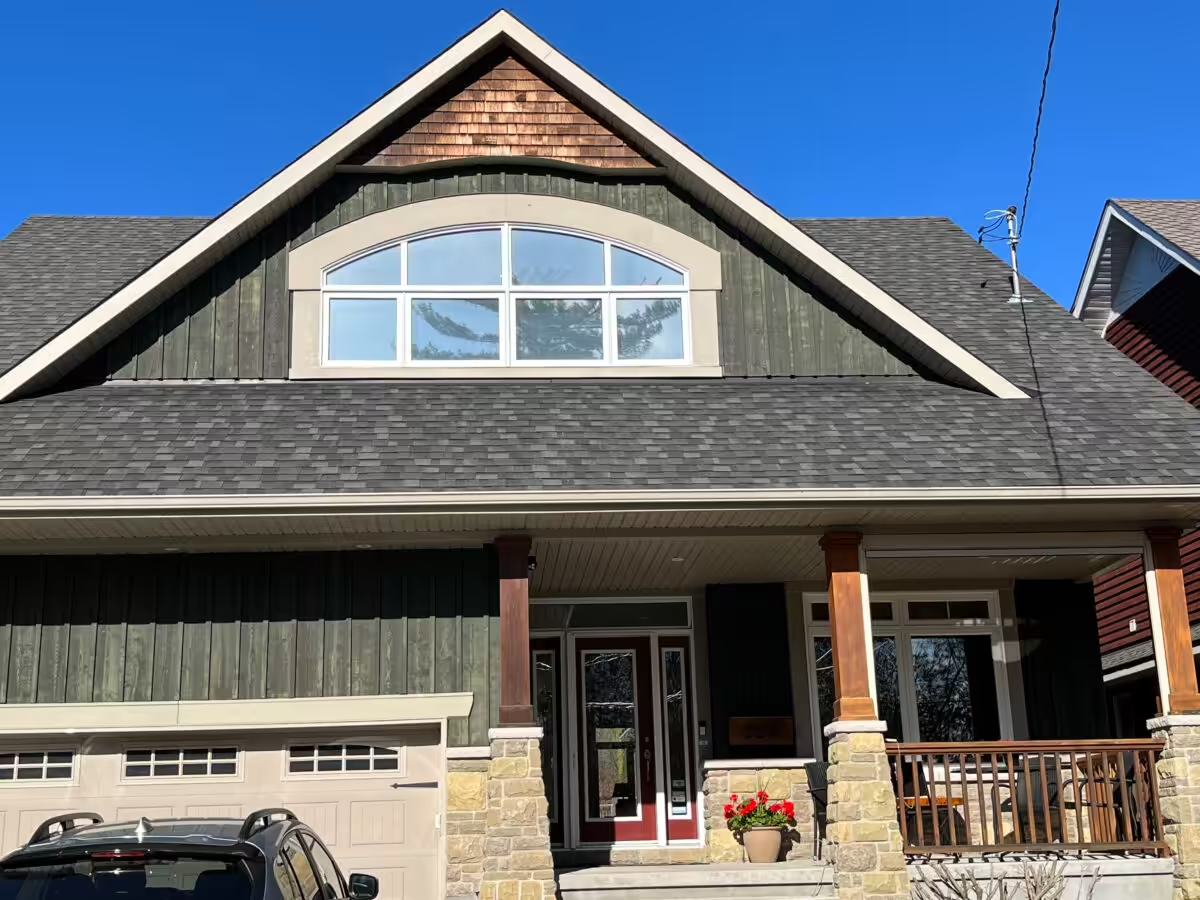
Effective use hinges on scale, detailing, and a robust weather-resistive barrier. Vertically oriented boards emphasize height, while battens unify seams and shield joints from moisture. A well-sealed finish and strategic flashing are essential to prevent moisture intrusion at corners, openings, and end grains. For readers exploring this look, the pine-board-and-batten approach is documented in depth on Architecture Adrenaline, including typical board widths (8–12 inches) and batten widths (1–3 inches), plus maintenance guidance and practical comparisons with engineered options. Pine board and batten siding serves as a concrete reference point for how the style translates from rough-sawn texture to refined exterior rhythm.
What Pine Board And Batten Siding Actually Is
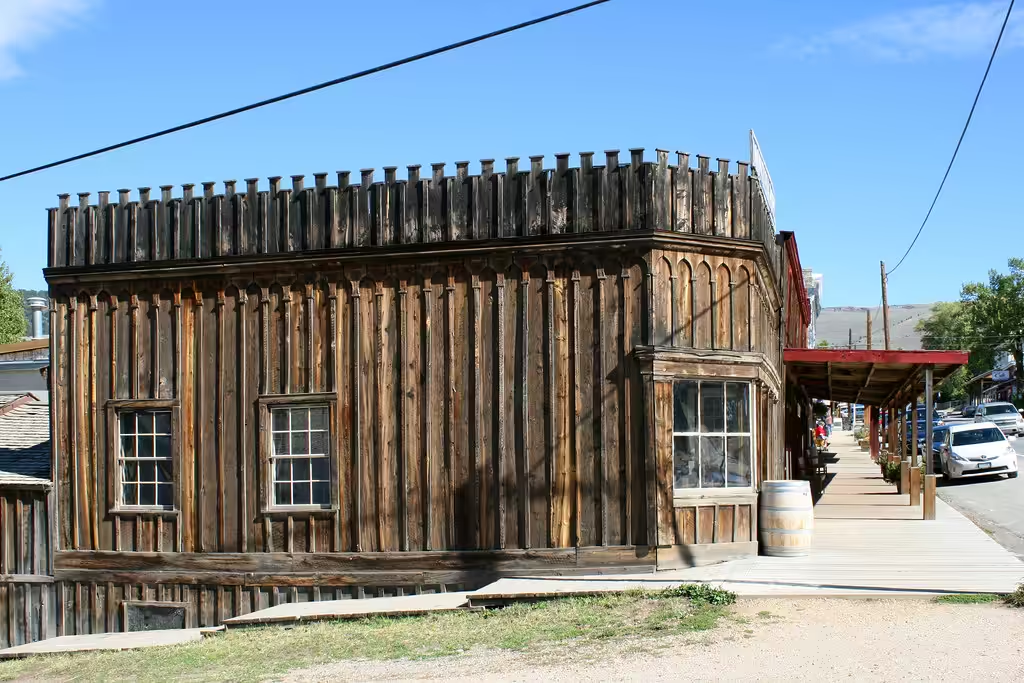
Board and batten is a two-piece vertical system: wide boards form the wall plane, while narrow battens cover the seams between boards. When milled from pine, those boards are commonly 8", 10", or 12" wide with battens around 1"–3" wide. The result is a strong vertical rhythm that can visually elongate a façade and read as a clean, disciplined surface from a distance.
| Item | Quick Reference |
|---|---|
| Typical board widths | 8", 10", 12" (common); battens 1"–3" |
| Material pros | Natural grain, easy to paint or stain, lower upfront cost vs cedar |
| Material cons | Less rot-resistant than cedar, needs sealing/painting, insect risk |
| Installed cost (typical range) | $3–$12+ per sq ft depending on region, detailing, labor, and finish |
| Best climates | Cool, dry or well-protected exteriors; avoid unsealed pine in humid climates |
| Low-maintenance lookalikes | LP SmartSide, fiber cement (James Hardie), vinyl vertical panels |
Why Pine Board And Batten Works Architectural-Style Wise
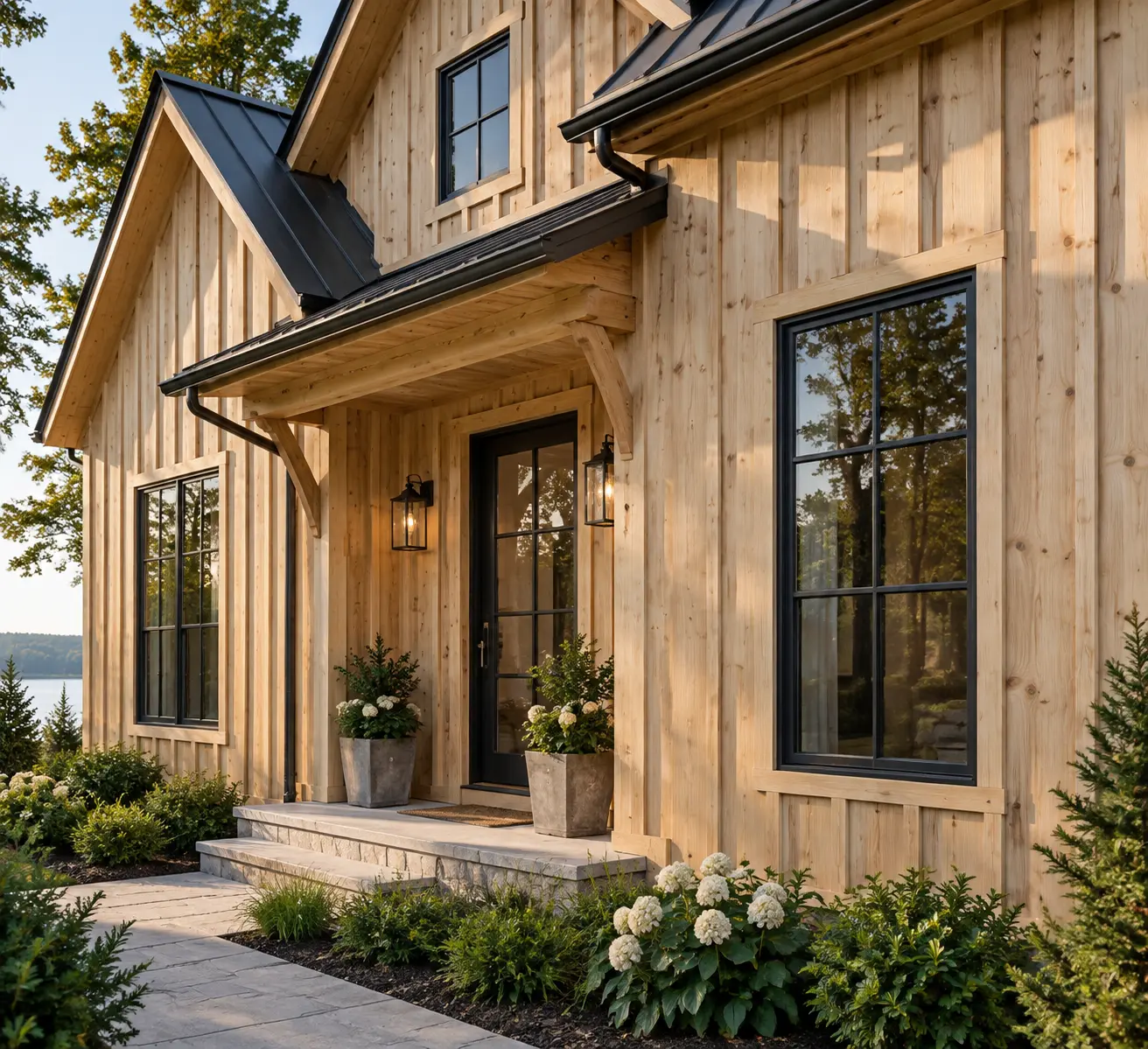
Pine offers a practical blend of availability and cost, with a texture that can be finished to read as rough-sawn, wire-brushed, or smooth. Architecturally, pine board and batten helps emphasize verticality, which suits farmhouses, cottages, Scandinavian-inspired homes, and modern projects that lean into linear clarity. The look can be refined with paint to emphasize form or allowed to breathe with a stain that highlights grain texture.
How Pine Performs Compared With Cedar And Engineered Options
On durability, pine isn’t as insect- and rot-resistant as cedar. It typically needs protective coatings and more frequent maintenance. Engineered options—LP SmartSide, fiber cement (James Hardie), or premium vinyl—offer longer maintenance cycles and better resistance, though they may require a premium upfront. If longevity with minimal upkeep is a priority, consider these engineered or fiber cement choices while still achieving the vertical battens look. For historical context on timber finishes and siding evolution, see All Saints’ Church board-and-batten siding (Maryland NR listing).
Cost Realities: Pine Board And Batten Siding
Markets and labor nuances shape price, but a broad range exists. Material plus installation for pine generally falls in the $3–$12 per square foot band, with pine closer to the lower end and cedar or advanced fiber-cement products higher. Keep in mind that wider boards, larger reveals, extra trim, or custom finishes can push the cost up. Obtain quotes early and specify board sizes and finish expectations to prevent surprises. For historical-maintenance context on traditional siding materials and care, consult Vermont Historic Preservation guidance on barn siding and maintenance; it provides useful background on wood-siding longevity and care practices. Vermont Historic Preservation guidance on barn siding maintenance and board-and-batten history
Key Installation Decisions That Affect Performance
- Substrate and weather-resistive barrier: Install a continuous WRB and a drainage plane behind boards to shed moisture.
- Furring and ventilation: A ventilation gap behind boards helps dry assemblies in wetter climates.
- Fastening and blocking: Use corrosion-resistant nails and back blocking behind battens at corners to minimize movement and cracking.
- End-grain sealing: Seal cut ends, rabbets, and butt joints with primer or compatible finish to slow moisture ingress.
- Board spacing and batten widths: Decide between tight boards (bundled seam) or a reveal that interacts with batten sizing for the desired look.
Maintenance Realities For Pine Board And Batten Siding
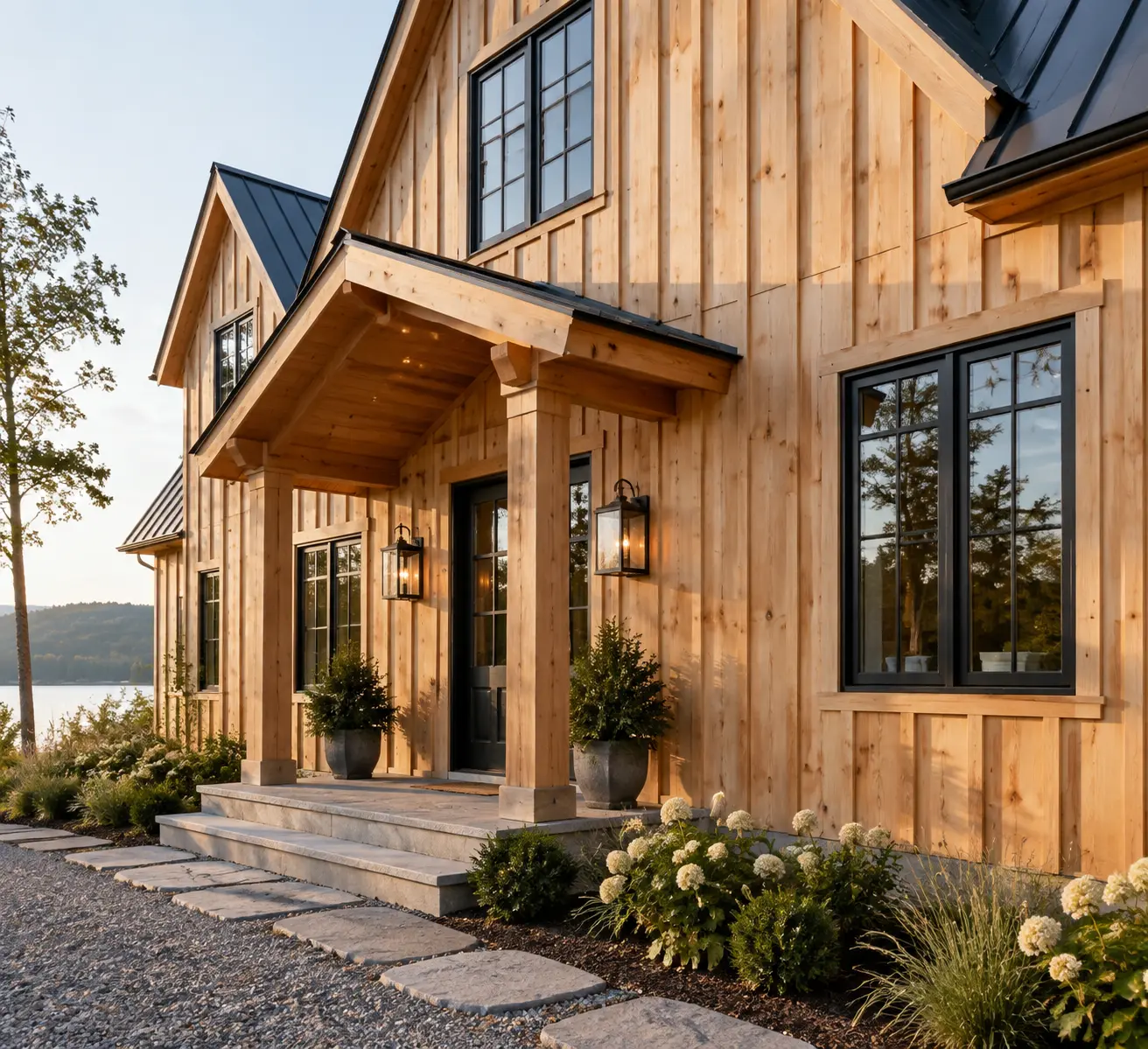
Expect routine attention to keep pine in good shape. Repaint or recoat every 4–10 years depending on exposure and climate. Regularly inspect for split battens, loose fasteners, and water pockets at eaves, sills, or flashing. In humid zones, untreated pine is particularly vulnerable; pressure-treated pine or factory coatings help, but ongoing inspection and recoat cycles remain essential. For historical reference on how siding finishes have evolved and how to maintain exposed timber elements, view established guidance such as the Maryland NR listing above and state preservation resources as described in the Vermont guidance.
Common Failure Modes And How To Avoid Them
Moisture infiltration and wood movement are the primary concerns. Mitigate by
- Managing water with proper flashing and a robust drainage plane.
- Maintaining a dry wall system behind the siding for gradual drying.
- Designing battens to shed water rather than trap it in seams.
- Using appropriate fasteners and allowing for seasonal wood movement without overtightening.
Design Considerations: Scale, Proportion, And Finish
Board width influences perceived scale: 10"–12" boards read boldly and work well on larger façades; 6"–8" boards read finer and suit cottage or traditional scales. Battens can be flush or slightly raised to create shadows. A painted finish emphasizes form and edge lines, while a stain preserves grain texture but demands more frequent renewal. Consider how vertical lines interact with windows, corner trim, and roof overhangs to avoid a top-heavy feel.
Installation: A Step-By-Step View
- Prepare the substrate and install a continuous weather barrier with flashing at openings.
- Optional: install vertical furring strips to create a drainage/ventilation gap.
- Raise boards vertically, fastening to studs or furring with care to allow for end-grain sealing.
- Trim openings and install flashing first; then fasten battens over seams, centered on joints.
- Prime and finish: apply primer and two coats of finish (or use factory-applied coatings), paying attention to ends and edges.
Alternatives That Preserve The Look With Less Upkeep
To capture the vertical rhythm without the ongoing maintenance of pine, consider:
- LP SmartSide board and batten — engineered wood with wood-like texture, better dimensional stability, and longer repaint cycles.
- Fiber cement (James Hardie) — highly durable, rot- and insect-resistant, often available in board-and-batten systems.
- Vinyl vertical panels — minimal maintenance, broad color options, but less true wood texture.
- Composite or engineered panels — brands like Everlast or PVC systems that mimic wood grain with low upkeep.
When Pine Board And Batten Is The Right Choice
Choose pine when you want authentic wood texture on a budget and are prepared for ongoing detailing and maintenance. It shines on secondary structures, interior applications, or exteriors in climates where moisture management is feasible with proper flashing and ventilation. For primary elevations in moist environments, cedar, engineered wood, or fiber cement may be more durable long-term.
What To Ask A Contractor Before You Commit
- Do you have experience installing pine board-and-batten specifically? Request photos of completed projects.
- How will you manage the drainage plane and ventilation behind the siding?
- Which fasteners and finishes will you specify, and how many finish coats?
- How will cut ends and joints be sealed and flashed?
- Can you provide a written maintenance schedule and a material warranty?
Cost-Sensitive Tips For Getting The Look Without Overpaying
To keep costs reasonable while preserving the look:
- Use wider boards with narrower battens to reduce battens and labor.
- Apply board-and-batten to accent areas (gable ends, alcoves) and use low-maintenance siding on the main façades.
- Consider engineered options (LP SmartSide) or factory-finished panels to reduce on-site finishing time.
- Clarify a scope that separates material cost, substrate prep, and finish work to avoid budget creep.
Maintenance Checklist For Pine Board And Batten Exterior
- Annually: inspect flashing, joints, battens, and fasteners for looseness or gaps.
- Every 3–7 years: touch up paint or stain in high-exposure areas; refresh the entire elevation as needed.
- After storms: check for water intrusion, clear gutters, and remove debris that can trap moisture next to siding.
- If rot or pests appear: replace affected boards promptly and address underlying moisture sources.
Final Practical Recommendations
Pine board and batten siding delivers authentic wood texture and a disciplined vertical rhythm, especially when paired with a robust weather-resistive barrier, end-grain sealing, and well-executed flashing. If you want the aesthetic with significantly lower maintenance, evaluate engineered options (LP SmartSide), James Hardie board-and-batten, or quality vertical vinyl systems as credible alternatives that preserve vertical character without the same upkeep burden.
We’d love to hear about your experiences with pine board and batten siding. Have you installed it, or are you weighing alternatives? Share your thoughts, questions, or projects in the comments below—and if you’ve worked with a specific contractor, drop that insight as well.
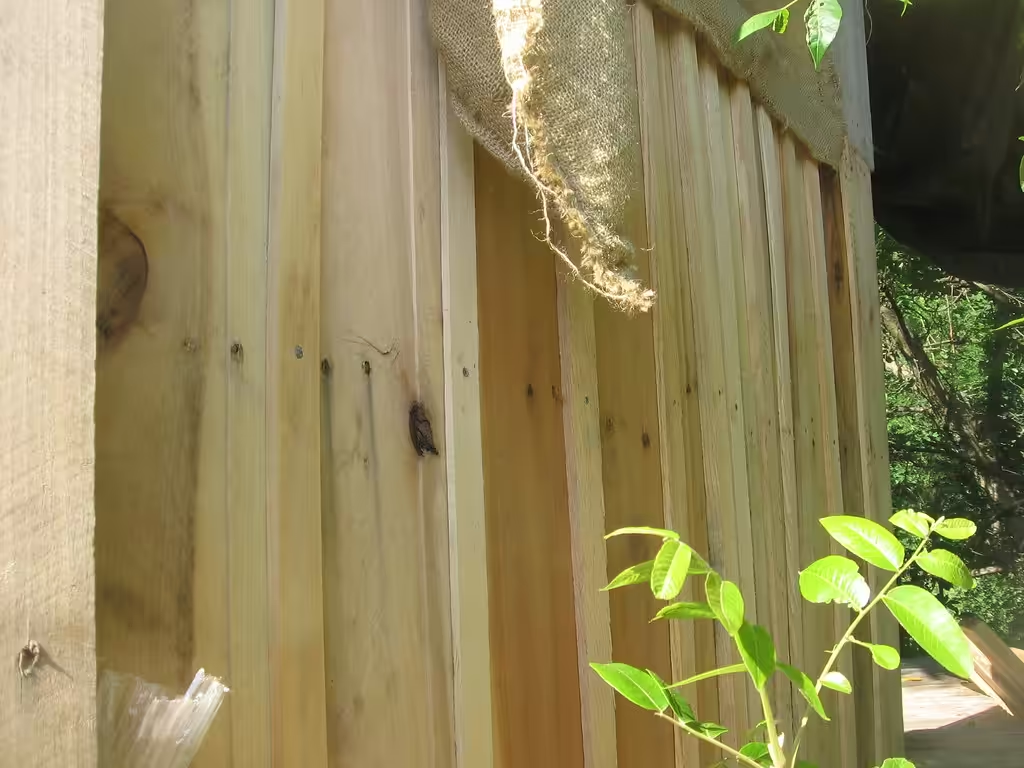
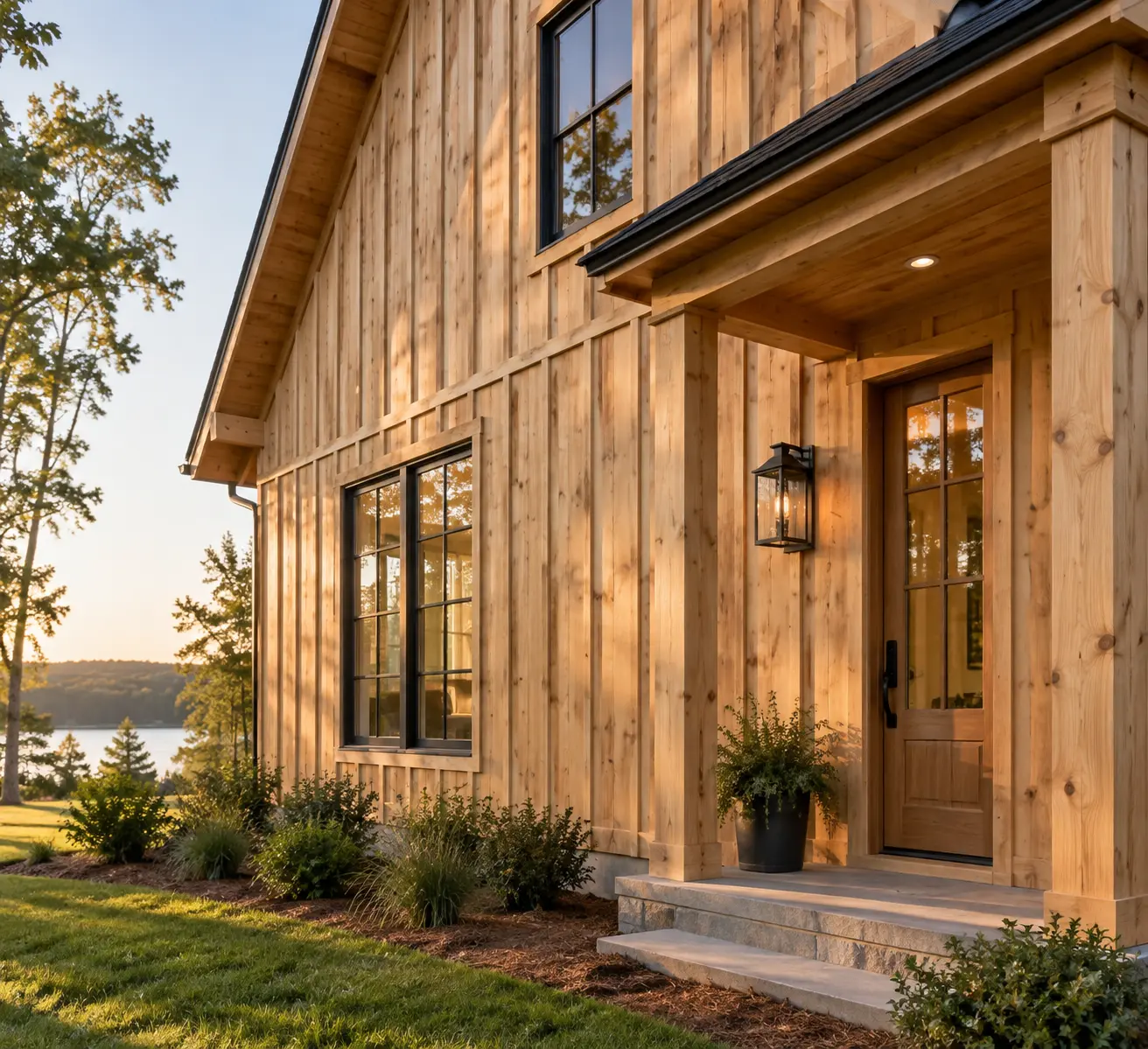
The Ultimate Guide to Board and Batten Siding: Installation on My Barn:
When it comes to enhancing the aesthetic appeal of your home, pine board and batten siding offers a classic, rustic charm that stands the test of time. It’s not just about looks, though – this siding provides durability and a welcoming ambiance that's perfect for any style, whether you're aiming for a modern farmhouse vibe or something more traditional. Choosing the right combination of color and finish can really make your home stand out, so take your time to explore your options and find what resonates with you!
Stay Connected for More Inspiration
As you embark on your siding journey, remember that inspiration is just a click away! I encourage you to check out what others are creating in the world of architecture and design. For a daily dose of ideas, follow our adventures on Instagram at Architecture Adrenaline. Together, let’s keep the excitement alive and inspire each other to create homes we love!
