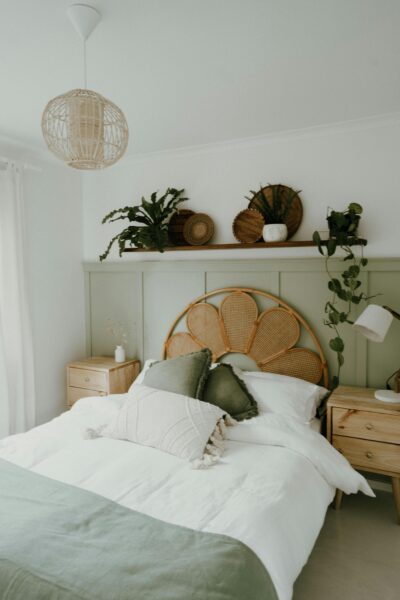

Sage green offers a versatile calmness that straddles freshness and timelessness, making it a superb choice for bedrooms. These curated ideas focus on how to use sage green not just as a color but as an anchor for materiality, texture, lighting, and furniture proportions. Each suggestion respects the realities of space and maintenance, aiming to help homeowners and remodelers make deliberate, confident choices. The following image-led inspirations showcase nuanced ways to integrate sage green, highlighting both design merits and potential tradeoffs.
Layering Textures for Cozy Dimension
The soft matte finish of sage green walls benefits dramatically from textural layering, such as a chunky knit throw or a woven sisal rug that introduces dimension without overwhelming. To implement, choose upholstery or rugs in natural fibers like wool or jute to complement the muted green. Woods with a raw or hand-hewn finish balance the softness, grounding the palette. A caution: highly textured surfaces can collect dust, necessitating regular cleaning to maintain the bedroom’s tranquil feel.
Balancing Light with Sage Green Walls
Large windows paired with sage green walls need careful light management to avoid a gloomy atmosphere in overcast climates. Incorporating layered window treatments with sheer cotton panels behind heavier curtains lets homeowners fine-tune daylight intensity and privacy. Choosing light-diffusing sheers in off-whites maintains a soft glow without competing with sage tones. However, fabric maintenance is key here—white sheers can show dirt and wear quickly, requiring frequent laundering.
Natural Wood Accents to Warm Sage
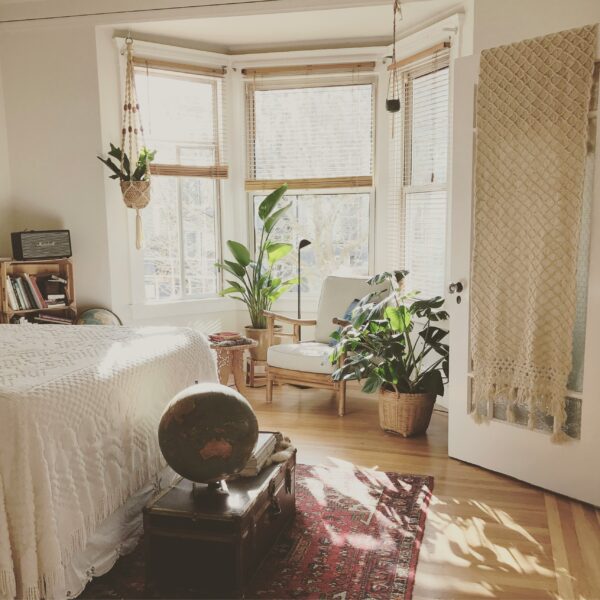
Natural wood furniture in mid-century or Scandinavian styles adds warmth and organic contrast to sage bedroom palettes. Opt for walnut or oak with matte finishes rather than gloss to keep the look earthy and understated. Placement matters: bedside tables with open shelving can visually lighten the setup while providing functional storage. A practical note is wood’s susceptibility to humidity changes, so sourcing well-seasoned timber or engineered wood mitigates warping over time in bedroom environments.
Scaling Furniture for Intimate Comfort
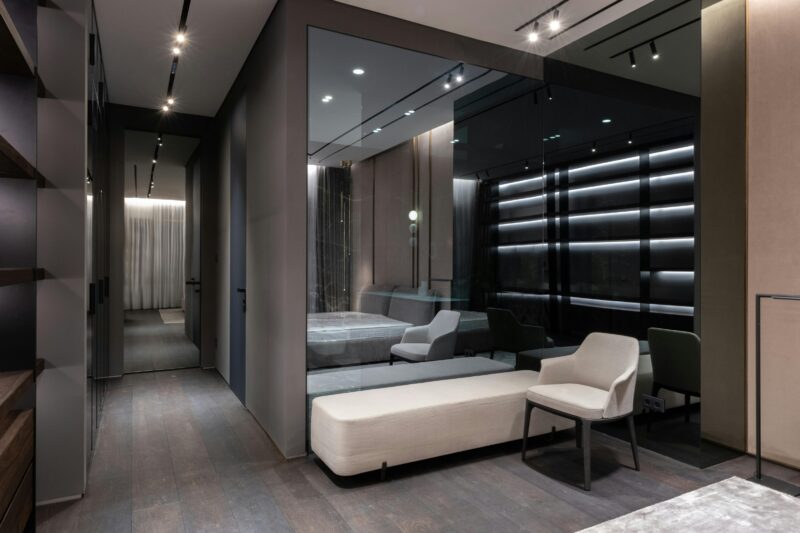
Sage green invites a calming scale when furniture is chosen with modest proportions: for instance, a queen bed with a thin, upholstered headboard anchored low to the floor encourages a spacious feel. Prioritize low-profile beds with simple geometric lines to avoid visual clutter, supporting restfulness. Use the wall behind as a canvas for a statement art piece or a large mirror instead of bulky furniture. Beware though, undersized storage can be a downside here, so integrate hidden compartments to maintain bedroom order.
Introducing Botanical Elements Thoughtfully
Integrating botanical elements like potted fiddle leaf figs or snake plants enriches the natural essence of sage green bedrooms and freshens the air. Position plants near light sources but avoid direct midday sun that can scorch leaves. Choose ceramic or raw terracotta pots that contrast subtly with sage while ensuring proper drainage to prevent water damage to floors or furniture. Keep in mind, plants require upkeep: overwatering or poor drainage can cause mold issues, particularly in enclosed bedroom spaces.
Soft Linen Drapes for Light Control
Soft linen drapes in off-white or muted gray complement sage walls and offer versatile light diffusion, enhancing the bedroom’s serenity. Install double rods for layering to combine sheer and blackout fabrics for both ambiance and functional sleep quality. Linen’s breathability reduces heat buildup, suitable for warmer climates or rooms with southern exposure. Yet, linen wrinkles easily and may need ironing or steaming to retain a crisp appearance, which can challenge low-maintenance styling goals.
Subtle Metallic Touches as Accents
Using subtle metallic details like brushed brass drawer pulls or a narrow frame mirror introduces a refined contrast without overpowering sage’s earthiness. Focus on small-scale accents rather than large pieces to keep the palette coherent and sophisticated. Incorporate matte or satin finishes to avoid glare and enhance tactile appeal. Keep in mind metals can tarnish or show fingerprints; longevity depends on material quality and periodic polishing.
Minimalist Styling with Purposeful Restraint
A minimalist approach with restrained decor and carefully curated accessories ensures the sage green remains the room’s focal point rather than a backdrop diluted by excess. Use monochrome bedding with one or two subtle pattern accents and limit wall art to a singular piece to maintain visual calm. Choose multifunctional furniture to optimize space and reduce clutter. The tradeoff here is that minimalism demands discipline in daily upkeep to avoid the room feeling sparse or unfinished over time.
Is sage green suitable for all bedroom sizes?
Sage green’s muted tone works well in both small and large bedrooms, but in smaller spaces it’s important to balance it with light-colored accents and adequate lighting to prevent the room from feeling enclosed.
What materials pair best with sage green in bedroom design?
Natural woods, linens, and woven textiles harmonize beautifully with sage green, creating organic warmth and texture that complement the color’s softness.
How can I maintain a sage green bedroom to keep it looking fresh?
Regular dusting of textured fabrics, gentle cleaning of window treatments, and careful plant watering are key. Also, periodic refreshing of soft furnishings like throw pillows helps sustain vibrancy over time.
Choosing sage green as a bedroom cornerstone provides a sophisticated and inviting foundation that welcomes varied texture, lighting, and material strategies. By applying precise scaling, layering natural elements, and embracing stylistic restraint, homeowners and designers can craft restful sanctuaries with lasting appeal. The key is tempering ambition with realistic maintenance and spatial considerations to ensure the room performs beautifully day-to-day. These visual examples and practical tips serve as a tested guide to integrating sage green deliberately and with confidence.
For more room-by-room ideas, browse Architecture Adrenaline’s latest design guides and save your favorite looks for your next project.
Design Deep Dives & Resources
Use these references to go deeper on layouts, materials, lighting, safety, and maintenance decisions that matter for this style.
Research-Backed Planning Notes
- Outdoor lighting should have a job: DOE frames outdoor residential lighting around aesthetics, security, and utility, with controls and shielding to reduce waste and glare. Layer low path lights, focused task lights, and shielded accent lights instead of flooding the entire patio with one harsh fixture. Source: U.S. Department of Energy
- Plant choice affects maintenance and longevity: UMN Extension emphasizes function, maintainability, environmental soundness, cost-effectiveness, and visual appeal in sustainable landscape design. Choose plants around sun, soil, mature size, and maintenance tolerance before choosing containers or furniture colors. Source: University of Minnesota Extension
- A good landscape behaves like connected rooms: USU Extension compares landscapes to outdoor rooms with different uses, volumes, circulation paths, and water needs. Use the cover, furniture layout, pavers, screens, and planting edges to define a room rather than scattering decor around the slab. Source: Utah State University Extension
On Architecture Adrenaline
- Color Combination Sage Green: Read the full guide
- Color That Go With Sage Green: Read the full guide
- Colors With Sage Green: Read the full guide
- Dark Green Bedroom Ideas: Read the full guide
Authoritative Planning References
- Illuminating Engineering Society Standards - Professional lighting reference for terminology, visual comfort, glare, and application-specific lighting practice.
- American Society of Interior Designers - Professional interior design organization for design practice, wellness, sustainability, and industry context.
- International Code Council I-Codes - Use this as a starting point for code families, then verify the code edition adopted by the local building department.
- DOE Energy Saver Lighting Design - Practical guidance for efficient indoor and outdoor lighting layers, controls, glare reduction, and fixture placement.
- University of Minnesota Extension Landscape Design - Extension guidance on site conditions, plant selection, maintenance, function, cost-effectiveness, and visual appeal.
External Inspiration
Editor-Selected Amazon Finds
Use these shopping starting points to compare dimensions, weather ratings, and reviews before buying.
Sage Green Bedroom Ideas lighting
Start with lighting because it changes how every finish reads.
Sage Green Bedroom Ideas storage
Keeps the space functional instead of just photogenic.
Sage Green Bedroom Ideas decor
Use restraint and repeat materials already in the room.
Extra Visual Inspiration