
Discover the key differences in spray foam vs rigid foam insulation. Learn how to choose the best option for your home’s needs today!
When you’re evaluating home insulation, the choice between spray foam and rigid foam insulation isn’t just about price—it’s about how you want your home to feel, perform, and last over time.
In this guide, we’ll break down how each insulation type works, the practical pros and cons, and the value you can expect for different project goals. We’ll also weave in practical considerations like installation needs, environmental impact, and code guidance to help you make an informed decision for your home in Myrtle Beach, Charleston, Bluffton, and beyond.
What spray foam and rigid foam insulation are
Spray foam insulation is a two-component mixture that expands and cures to create an airtight barrier. It fills gaps around edges, corners, and penetrations, effectively acting as both a thermal barrier and an air barrier. Rigid foam insulation comes in solid boards made from materials such as polyiso, XPS, or EPS. These boards provide steady thermal resistance and are easy to cut to fit, making them a popular choice for walls, roofs, and foundation assemblies.

How each type works in a home
Spray foam expands to seal irregular spaces, reducing air leakage and promoting continuous insulation. It’s especially effective around electrical boxes, plumbing penetrations, and awkward cavities where gaps tend to form. Rigid foam boards offer a predictable, measurable R-value and can be layered with other wall or roof assemblies. They’re particularly useful when a rigid, continuous layer is preferred or required by design.


Pros and cons at a glance
- Spray Foam Pros: Excellent air sealing; high R-value per inch; reduces infiltration; great for hard-to-seal spaces.
- Spray Foam Cons: Higher upfront cost; typically requires professional installation; handling chemicals during application.
- Rigid Foam Pros: Lower initial cost; straightforward installation; stable, measurable R-values; often DIY-friendly in suitable applications.
- Rigid Foam Cons: Air sealing isn’t automatic; joints may need additional detailing; some variants use blowing agents with environmental considerations.

Key factors to consider when choosing
When deciding between spray foam and rigid foam, homeowners and builders should weigh:
- Energy performance goals and desired air sealing
- Installation practicality and whether professional labor is acceptable or required
- Budget for materials and labor, plus potential long-term energy savings
- Moisture management and vapor retardance in your climate
- Environmental impact and health/safety during installation
- Code requirements and local building code guidance

Cost, installation, and long-term value
Rigid foam boards typically have a lower upfront cost and can be more approachable for many DIY projects, though they may not offer the same level of airtightness as spray foam. Spray foam often carries a higher initial price due to material costs and professional installation, but it can deliver greater long-term energy savings by minimizing air leakage. When evaluating options, consider the total cost of ownership over the life of the home, including comfort and energy bills.
Health, safety, and environmental considerations
Spray foam installation involves chemical components, so proper protective equipment and ventilation are essential during application. Curing emissions should be considered as well. Some rigid foam boards use blowing agents or flame retardants that raise health or environmental questions. Always follow the manufacturer’s safety guidelines and local codes, and work with qualified contractors who can ensure correct installation and safety practices.
Practical guidance for DIYers vs professionals
Rigid foam boards are often more approachable for DIY installation in straightforward applications, such as insulating exterior walls or basements with boards cut to fit. Spray foam generally requires professional application to achieve even coverage, proper expansion, and safe handling. If your project involves irregular cavities, penetrations, or a strong emphasis on airtightness, a professional spray foam contractor can be valuable.
Environmental and code considerations
Building codes increasingly emphasize energy efficiency, often specifying minimum R-values for different assemblies. Some rigid foam products use blowing agents with varying global warming potential, while spray foams’ expansion properties affect installation methods. Check local code requirements and consider materials with lower environmental impact when possible.
Making an informed decision
Both spray foam and rigid foam insulation offer distinct advantages. The best choice depends on your project specifics, climate, budget, and priorities for airtightness, moisture control, and long-term energy performance. For a tailored assessment, a home energy evaluation can help identify where insulation improvements will be most effective. Carolina Energy Conservation provides free quotes to help you compare options and find the right fit for your home in Myrtle Beach, Charleston, Bluffton, and surrounding areas.
If you’re ready to explore insulation options, contact Carolina Energy Conservation for a free estimate at 1-843-306-2680 or online, and see how spray foam and rigid foam insulation can contribute to a more comfortable, efficient home.
Understanding environmental and material context
Beyond performance and cost, researchers are actively exploring sustainable insulation alternatives that could complement or replace traditional foam products. Notably, teams are developing boards made from wood fiber bound with mycelium—a fungus that forms a dense, sponge-like matrix. These pioneering materials aim to store carbon, reduce reliance on fossil-fuel–based foams, and potentially be produced locally in regions like Alaska. While still under development, such innovations reflect a broader shift toward durability, regional sourcing, and end-of-life recyclability, aligning with growing interest in low-global-warming-potential insulation options.
Practical guidance for DIY vs Professional Installation
For DIY enthusiasts, rigid foam insulation often presents a more approachable route, particularly for exterior walls or basement projects with well-defined dimensions. Spray foam’s benefits come with the need for professional execution to ensure proper application, safe handling of chemicals, and achieving an airtight seal in complex spaces. If your goals include high airtightness in irregular cavities or a tight envelope, a professional installation can help maximize performance and minimize potential issues.
Navigating environmental and code requirements
As energy regulations tighten, ensure your insulation choices align with local building codes and climate-specific performance targets. Look for products with lower environmental impact where possible, and stay informed about updates to standards that affect exterior insulation requirements and the trade-offs between air sealing, moisture control, and thermal resistance.
Weighing the decision for your project
Choosing between spray foam and rigid foam insulation hinges on your project details, climate, and priorities—whether you value air sealing, ease of installation, upfront cost, or long-term energy savings. For a data-driven approach, a home energy evaluation can pinpoint where insulation improvements will deliver the most benefit. Carolina Energy Conservation offers free quotes in the Myrtle Beach, Charleston, Bluffton area to help you compare options and find the right fit for your home.
Ready to get started on your insulation journey? Reach out to Carolina Energy Conservation for a free estimate at 1-843-306-2680, or contact us online to discover how insulation can elevate your home's comfort and efficiency.
Have you chosen between spray foam and rigid foam for your home renovation or new build? We’d love to hear your experiences, questions, or tips—share your thoughts in the comments below to help others make an well-informed decision.
Key figures at a glance
| Aspect | Spray Foam | Rigid Foam |
|---|---|---|
| R-Value per inch | Typically higher; excellent air sealing | Good thermal resistance; easier to calculate total R-value |
| Installation | Professional application; expands to seal gaps | DIY-friendly boards; straightforward with fast paneling |
| Cost | Higher upfront; potential long-term savings | Lower initial cost; larger quantities may be needed for the same area |
For additional context on materials and local considerations, you may review the University of Maryland Extension guide to home energy insulation and explore spray foam insulation products on Amazon for various options available.
BEEST FullStop Spray Foam Insulation Kit - 240 Board ft/sq.ft. Fire Rated Spray Foam for Walls & Attics
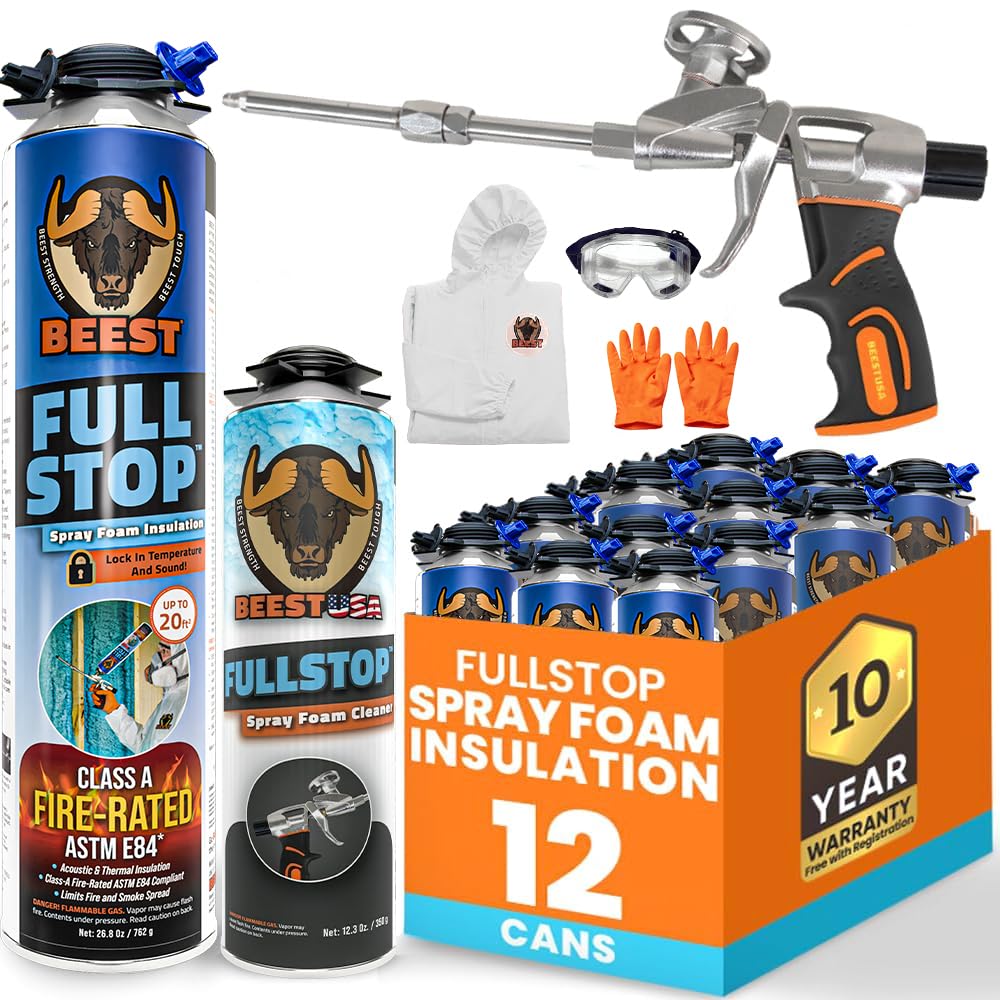
Spray foam kits like BEEST FullStop offer high-density, closed-cell insulation that can dramatically reduce air leakage and improve thermal performance in walls and attics. This kit includes multiple cans, a pro gun, cleaner, and safety gear, making it a complete DIY solution for larger projects.
- Key fact: Closed-cell foam provides higher R-value per inch than many rigid foam options, often around R-6.5 to R-7 per inch.
- Application note: Best for gaps, cavities, and retrofit work where air sealing is critical.
- See current pricing on Amazon
Loctite Tite Foam Big Gaps Spray Foam Sealant, 12 fl oz
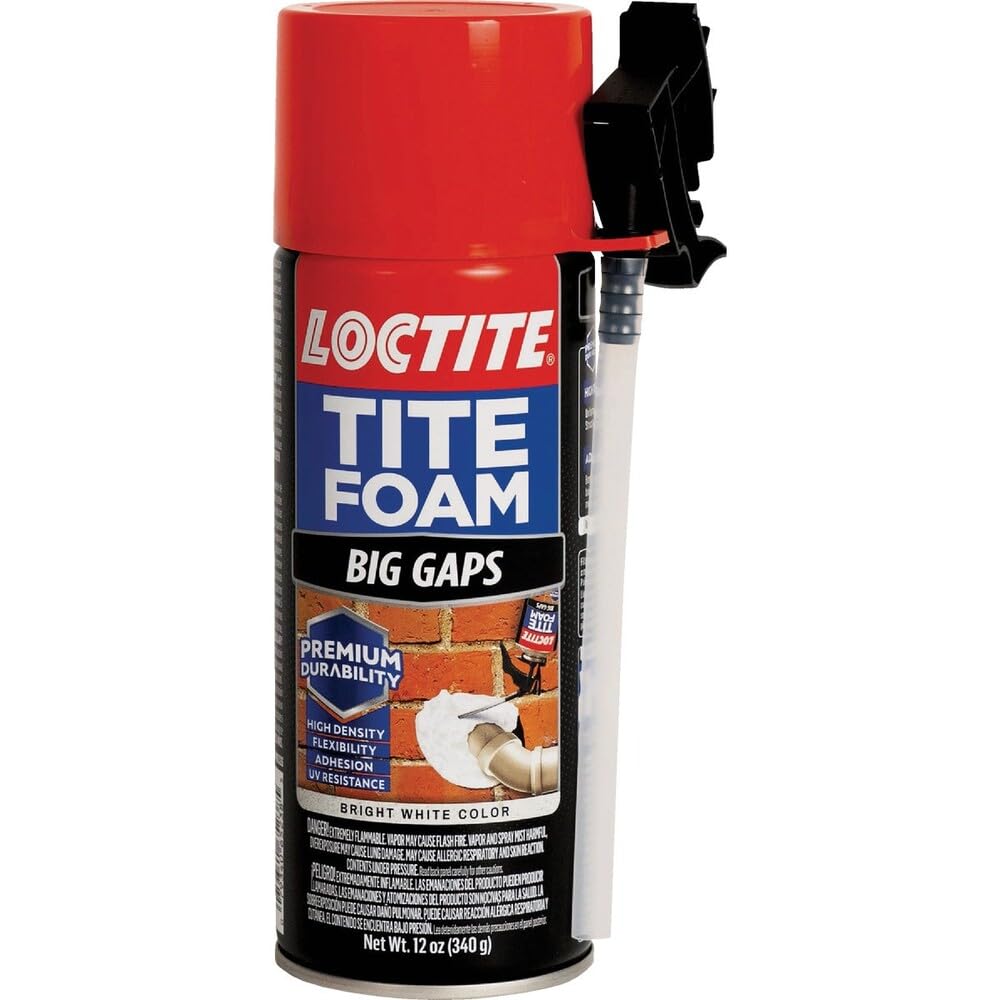
Loctite Tite Foam is a polyurethane expanding foam designed for quick sealing of big gaps and cracks. It’s a great choice when you need fast, durable air sealing around door frames, window openings, and ducts without the mess of traditional wet foams.
- Key fact: Expands to fill irregular gaps, reducing drafts and improving energy efficiency.
- Tip: Use in well-ventilated areas and trim after curing for a neat finish.
- See current pricing on Amazon
Loctite Tite Foam Big Gaps Spray Foam Sealant, 2-Pack
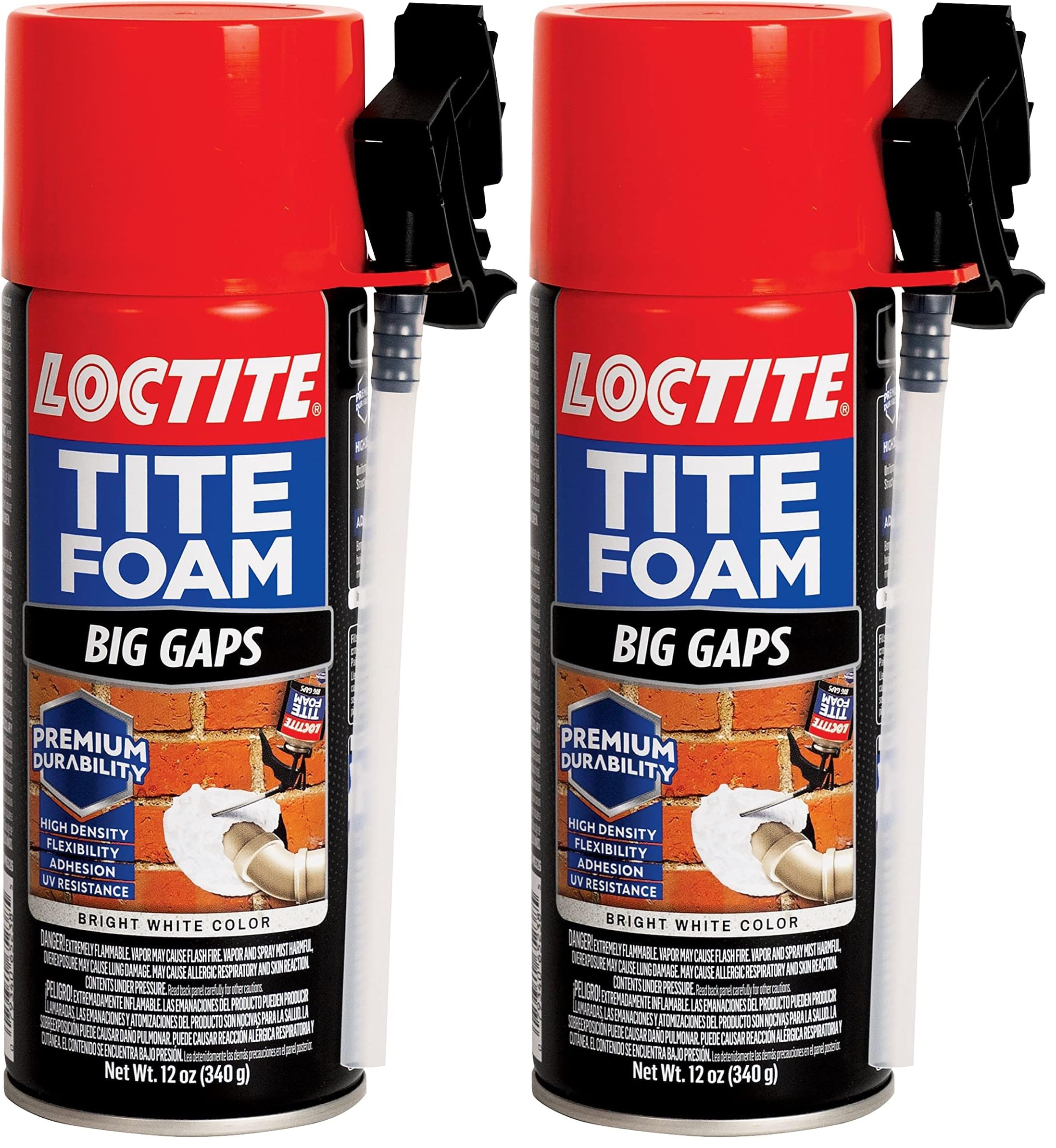
This pack gives more value for larger projects, maintaining the same high-expansion polyurethane sealant. Ideal for continuous sealing around multiple openings or larger gaps in a retrofit.
- Key fact: Great for energy code compliance when sealing hard-to-reach spaces.
- Better practice: Apply in cool, dry conditions to optimize cure strength.
- See current pricing on Amazon
12 Pack Closed Cell Spray Foam Insulation Kit - 240 Board Ft
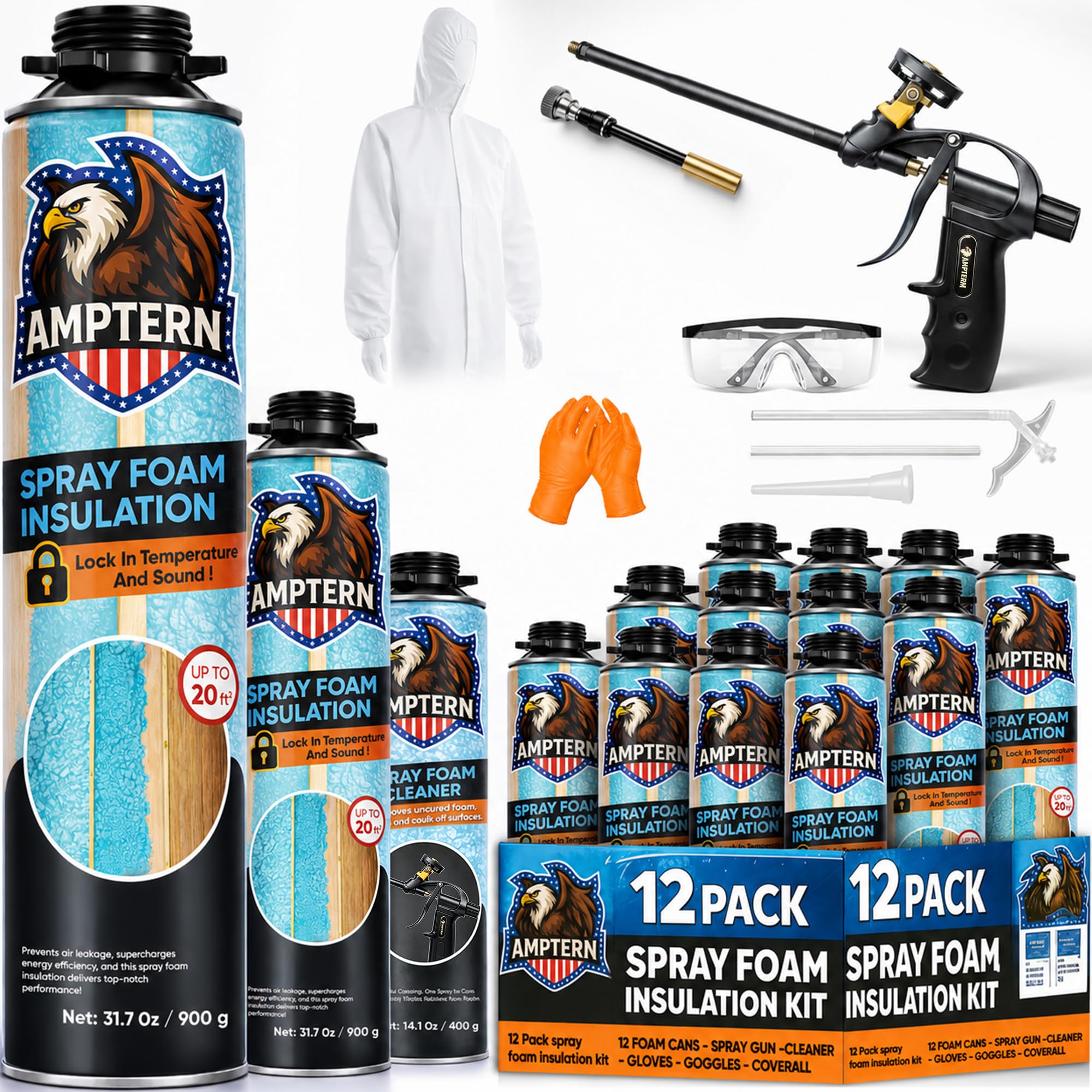
This high-density kit provides substantial board footage for attic, wall, and window gaps. Closed-cell foam offers higher R-value per inch and better vapor resistance than open-cell alternatives.
- Key fact: Closed-cell foam enhances rigidity and reduces air infiltration more aggressively than some rigid foam boards.
- Consideration: May require professional handling for large projects due to expansion and curing characteristics.
- See current pricing on Amazon
Red Devil 0913 Spray Foam & Fill Small Gaps & Cracks

Red Devil’s spray foam sealant is a traditional choice for small gaps and cracks around plumbing penetrations, outlets, and joints. It provides a reliable seal with a user-friendly package for quick fixes.
- Key fact: Suitable for small gaps and cracks where a precise, controlled application is needed.
- Tip: Apply in thin layers to avoid over-expansion and mess.
- See current pricing on Amazon
Great Stuff Smart Dispenser Gaps & Cracks, 12 Ounce

Great Stuff’s Smart Dispenser line is designed for quick, clean gap sealing with a built-in dispenser system. It’s particularly handy for DIY projects in walls, ceilings, and around fixtures where fast cure is advantageous.
- Key fact: The Smart Dispenser minimizes mess and makes it easier for beginners to seal gaps effectively.
- Consideration: Allow full cure time before handling or painting for best results.
- See current pricing on Amazon
Spray Foam Insulation Can Expanding Sealant Mega Size
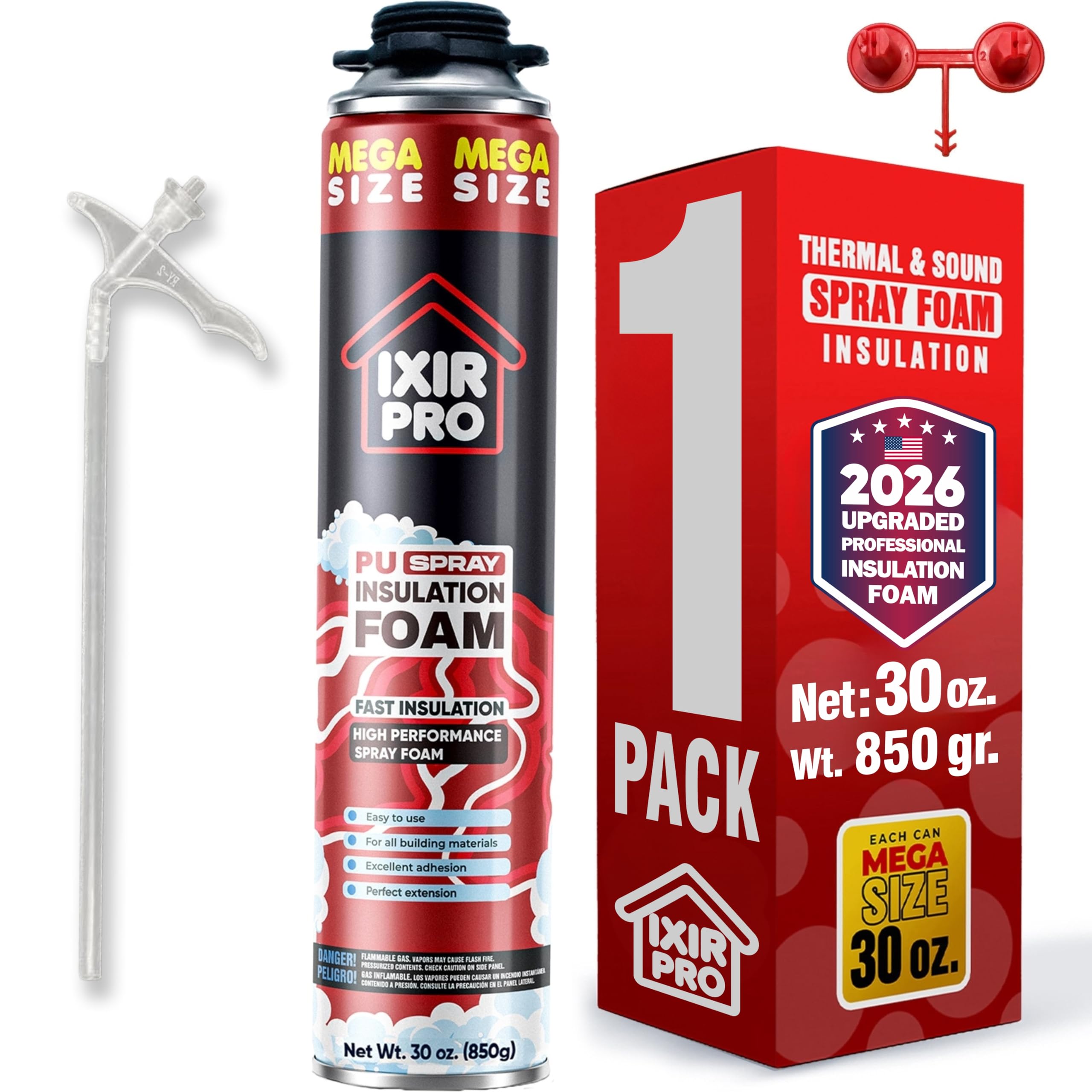
Extra-large cans are ideal for big sealing jobs across walls, ceilings, or outdoor enclosures. This option emphasizes high-density formulation for durable, long-lasting insulation.
- Key fact: High-density foam delivers robust air sealing with fewer can substitutions.
- Tip: Store in a cool, dry place to maintain product integrity between uses.
- See current pricing on Amazon
Spray Foam Insulation Kit for Walls & Attic - 18 Pack
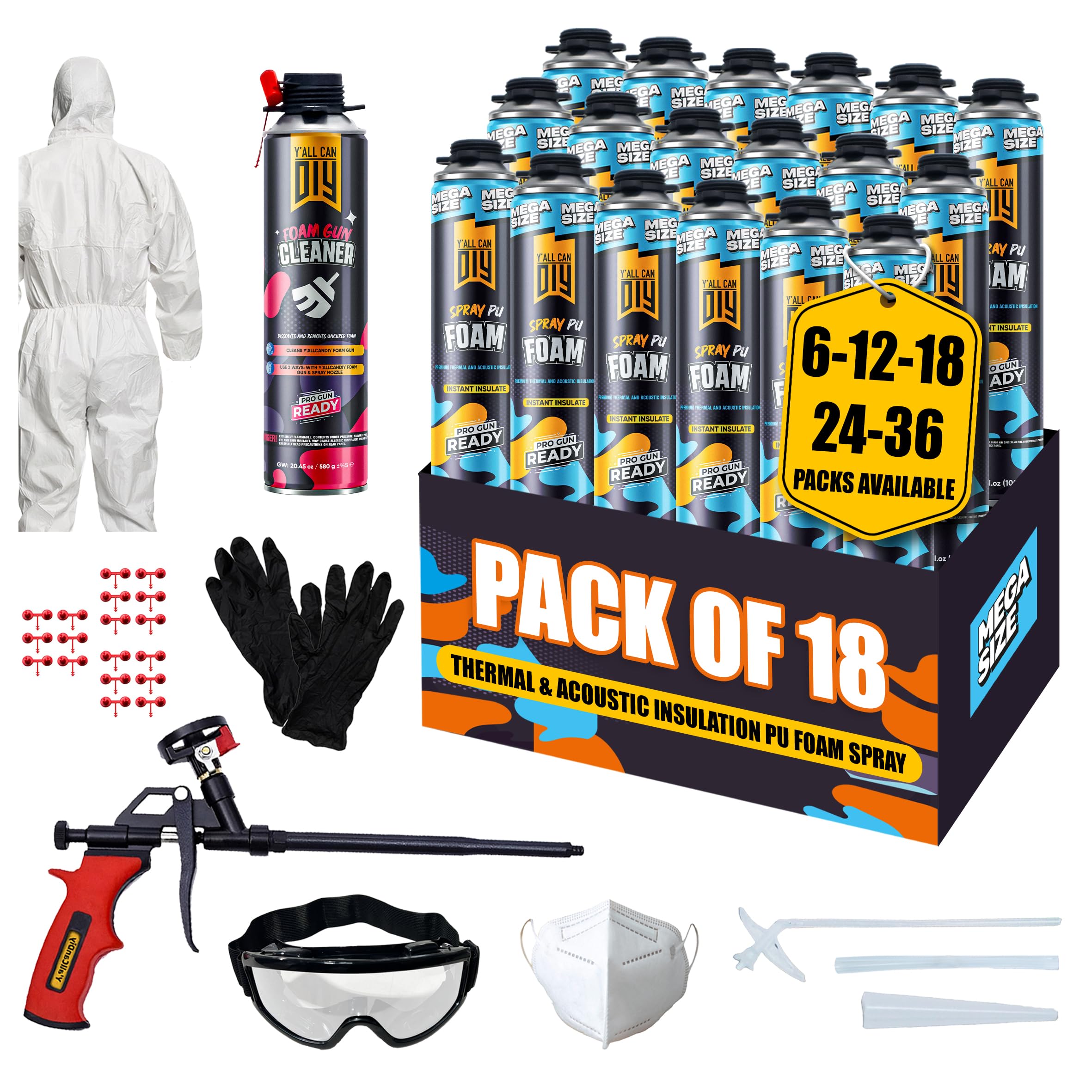
This kit expands into a dense insulation layer, providing both thermal and sound-dampening benefits. Suitable for multi-area projects—attics, walls, and door/gap sealing.
- Key fact: Higher total board footage makes it a good choice for full-room retrofits.
- Consideration: Follow safety gear instructions to avoid skin/eye contact during application.
- See current pricing on Amazon
Great Stuff 157911 Insulating Foam Sealant, 20 Ounce

A compact option ideal for smaller gaps and cracks, delivering reliable sealing with minimal effort. Works well for quick touch-ups and retrofit projects where rigid foam boards aren’t necessary.
- Key fact: Good for quick fixes around outlets, plumbing penetrations, and small cracks.
- Tip: Trim excess foam after cure for a smooth finish before painting.
- See current pricing on Amazon
Magic Chems Closed Cell Spray Foam Insulation Kit (18 Pack)
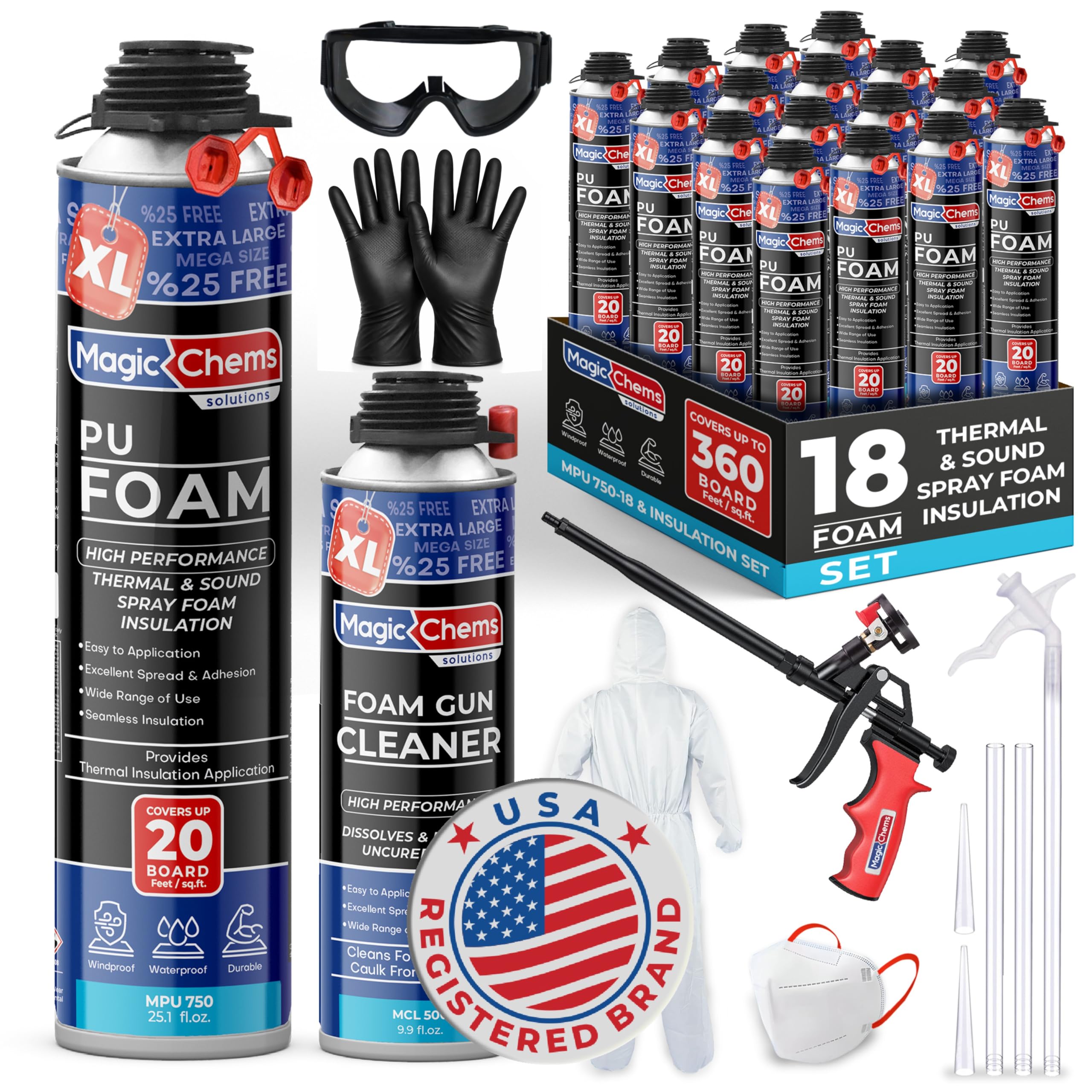
Magic Chems’ closed-cell kit provides high-density insulation suitable for walls, ceilings, and large retrofit gaps. The kit size is designed for multi-room projects and offers solid R-value advantages per inch.
- Key fact: Closed-cell foam resists moisture and helps with vapor control when installed correctly.
- Consideration: Proper ventilation and PPE are recommended during use.
- See current pricing on Amazon
When it comes down to it, the choice between spray foam and rigid foam insulation really depends on your specific needs, budget, and project scope. Spray foam insulation is fantastic for those tricky areas where air leaks may sneak in, while rigid foam can be a stable solution for insulating walls and foundations. Both options have their advantages, and understanding them can help you make the best decision for your home. Remember, what’s most important is finding the insulation method that aligns with your long-term efficiency goals and comfort level.
Stay Connected for More Tips!
I hope this breakdown helps shed some light on your insulation journey! If you're looking to learn more about home improvement tips and tricks, don’t forget to follow us on social media! We share a ton of great ideas and resources on our Instagram that you won't want to miss. Stay insulated and inspired, my friends!
