
What colors do peonies come in? The spectrum spans whites, a full range of pinks, reds through burgundy, corals and peaches, yellows (notably in Itoh hybrids), purples and lavenders, and multicolor blends. True blue or genuinely black peonies don’t exist, but you can achieve drama with the darkest burgundies and blue-tone pairings. This article blends practical color categories with gardening and styling insights, backed by variety examples and buying tips for peony bulbs and plants. For California-specific cultivation guidance and color-variety considerations, see the UCANR article on growing peonies and color varieties.
Color families at a glance: practical categories for planting and bouquets
| Color Family | Typical Varieties / Notes |
|---|---|
| White | Festiva Maxima, Duchesse de Nemours — wedding favorites; strong contrast with foliage |
| Pink | Sarah Bernhardt, Bowl of Cream — ranges from blush to deep pink |
| Red / Burgundy | Red Charm, Buckeye Belle — includes very deep burgundy often marketed as “black” |
| Coral / Peach / Orange | Coral Charm, Coral Sunset — common in hybrid and Itoh selections |
| Yellow | Bartzella (Itoh) and other intersectionals — the main source of yellow shades |
| Purple / Lavender | Tree and modern hybrids show lilac to mauve tones; not true blue |
Why color choices matter in the garden and in bouquets
Color informs perception from a distance, influences which companions work in a bed, and determines how photographs or arrangements read in natural light. For instance, pure white peonies pop against dark foliage and are a wedding staple, while near-black burgundy tones create focal drama that’s best viewed up close. Understanding color categories helps you select peony bulbs or bushes for seasonal overlap and design intent. For deeper practical guidance on color selection and planting approaches, you can consult the UCANR article on growing peonies and color varieties.
Whites and ivories: timeless elegance for borders and bouquets
White peonies like Festiva Maxima and Duchesse de Nemours offer double, creamy petals that read clean and refined in formal plantings. They emphasize petal texture and shadow and pair well with evergreens or deep green foliage. For bouquets, white peonies provide a versatile base that photographers and florists rely on, especially when mixed with greens or soft pastel blooms. For readers exploring precise color behavior, see the Architecture Adrenaline discussion on color nuances and naming conventions in peony cultivars for cross-reference.
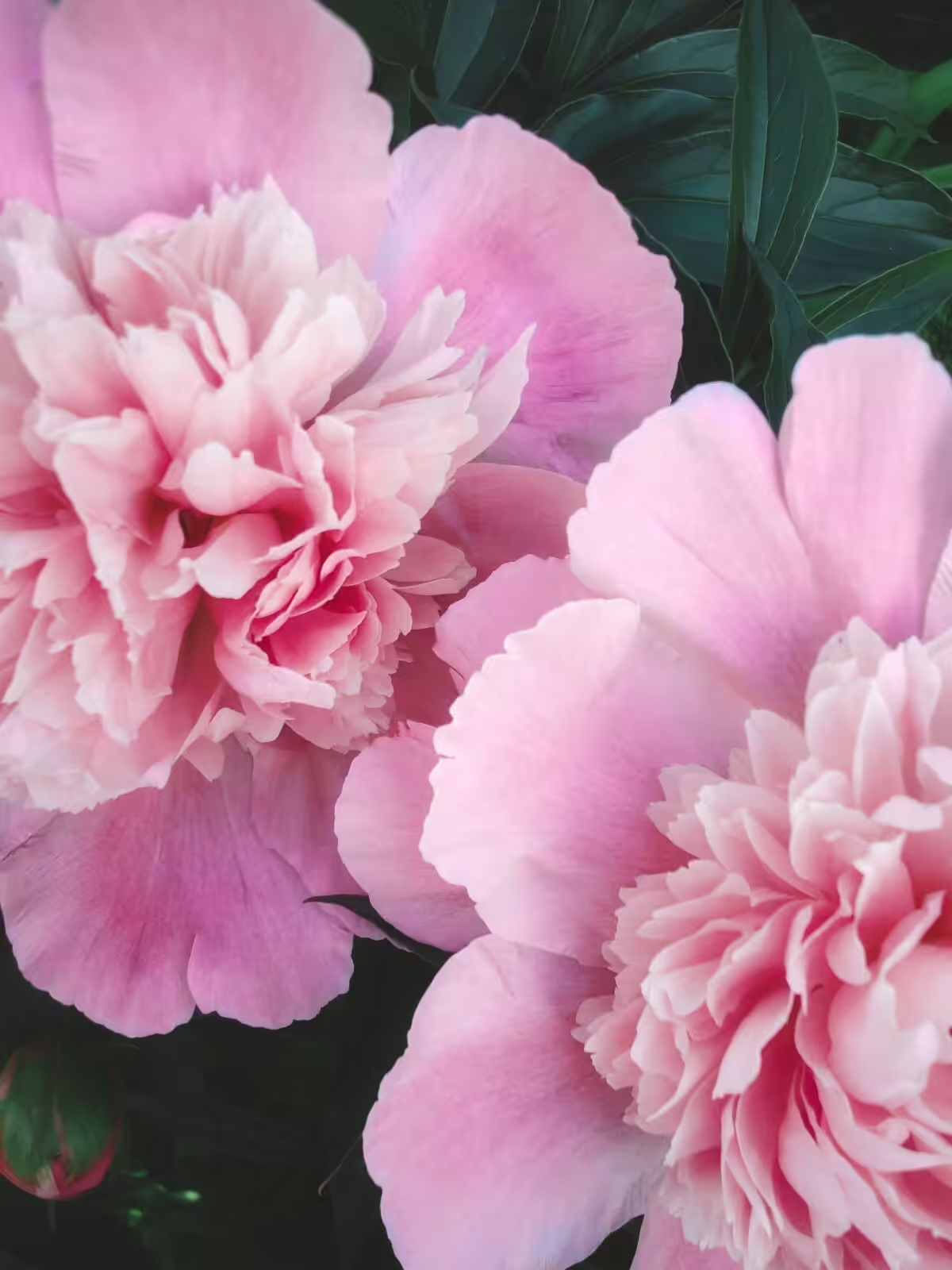
Pinks and blushes: versatile romance for mixed borders
The pink family covers a wide range, from pale blush to warm rose. Classic varieties like Sarah Bernhardt are prized for fragrance and abundant blooms, making them a garden staple and wedding favorite. Pink peonies blend easily with perennials and are a go-to for bouquets, delivering softness and mass when in full bloom. For a concise guide on pronunciation and color-specific descriptors, refer to the Architecture Adrenaline entry on peony pronunciation.
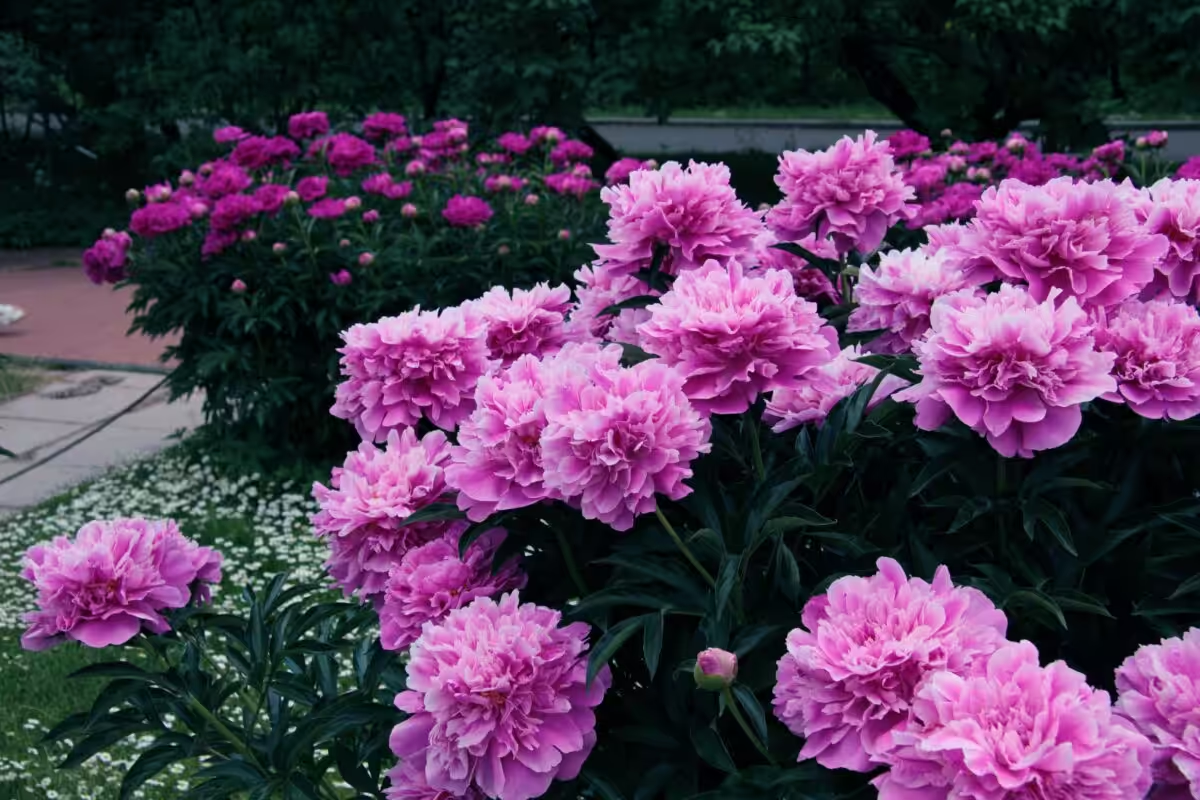
Reds, burgundies, and the illusion of black peonies
Deep reds and burgundies bring drama and emphasis to borders or containers. Some cultivars are marketed as “black” due to their color intensity, but they are best described as very dark red or purple-red. Use these hues as dramatic focal points or in arrangements where close viewing highlights their velvety depth. If you’re curious about color-range comparisons, explore Architecture Adrenaline’s color-focused peony articles and their related growth guidance.
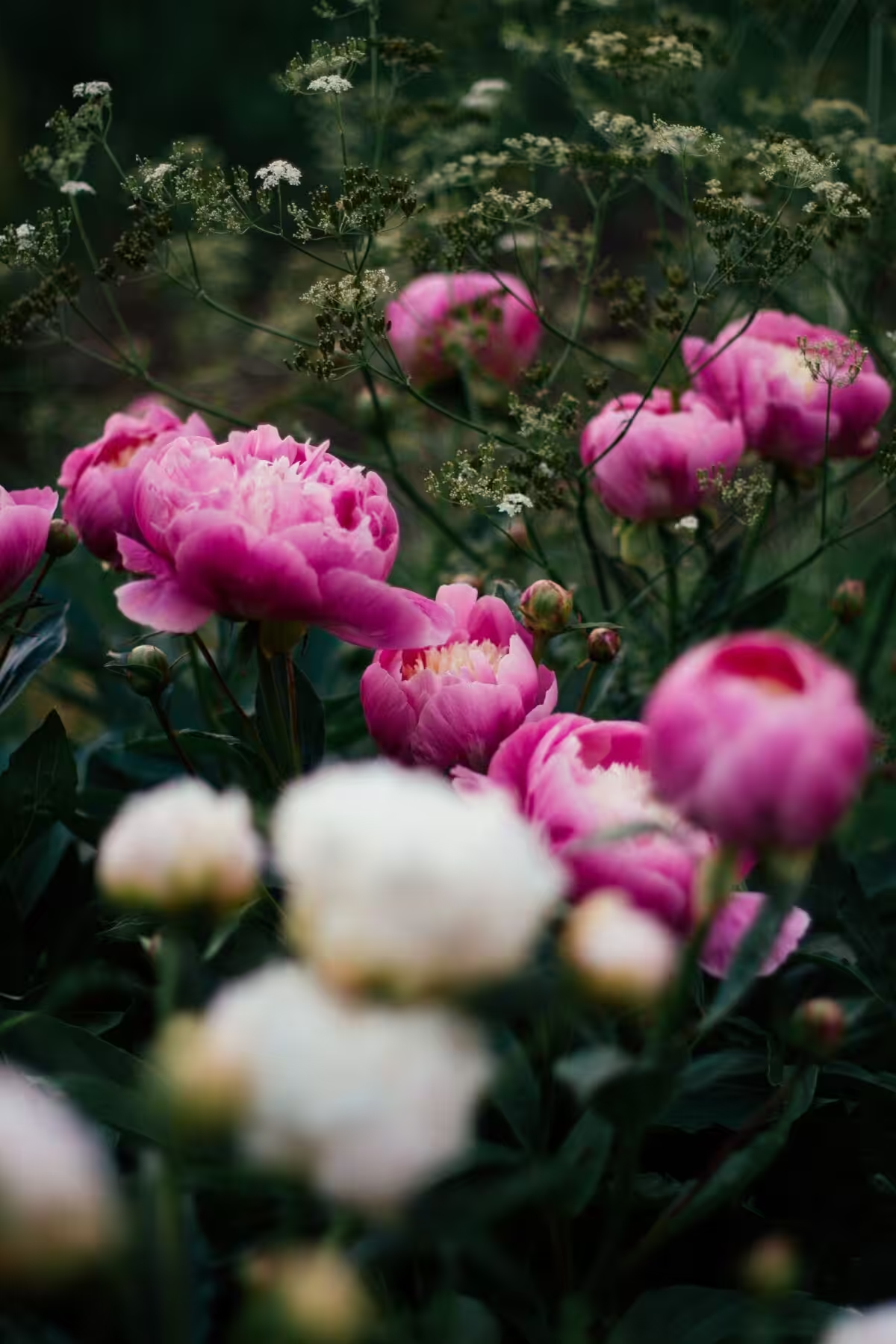
Corals, peaches, and warm sunset tones
Coral and peach shades, including varieties like Coral Charm and Coral Sunset, inject warmth into late-spring landscapes. They age gracefully, often shifting from bright coral to softer peach as petals unfurl, which adds dynamic color transitions in bouquets and borders. For additional landscape-context reading, Architecture Adrenaline’s foundational plant guides offer useful cross-references on color performance in mixed borders.
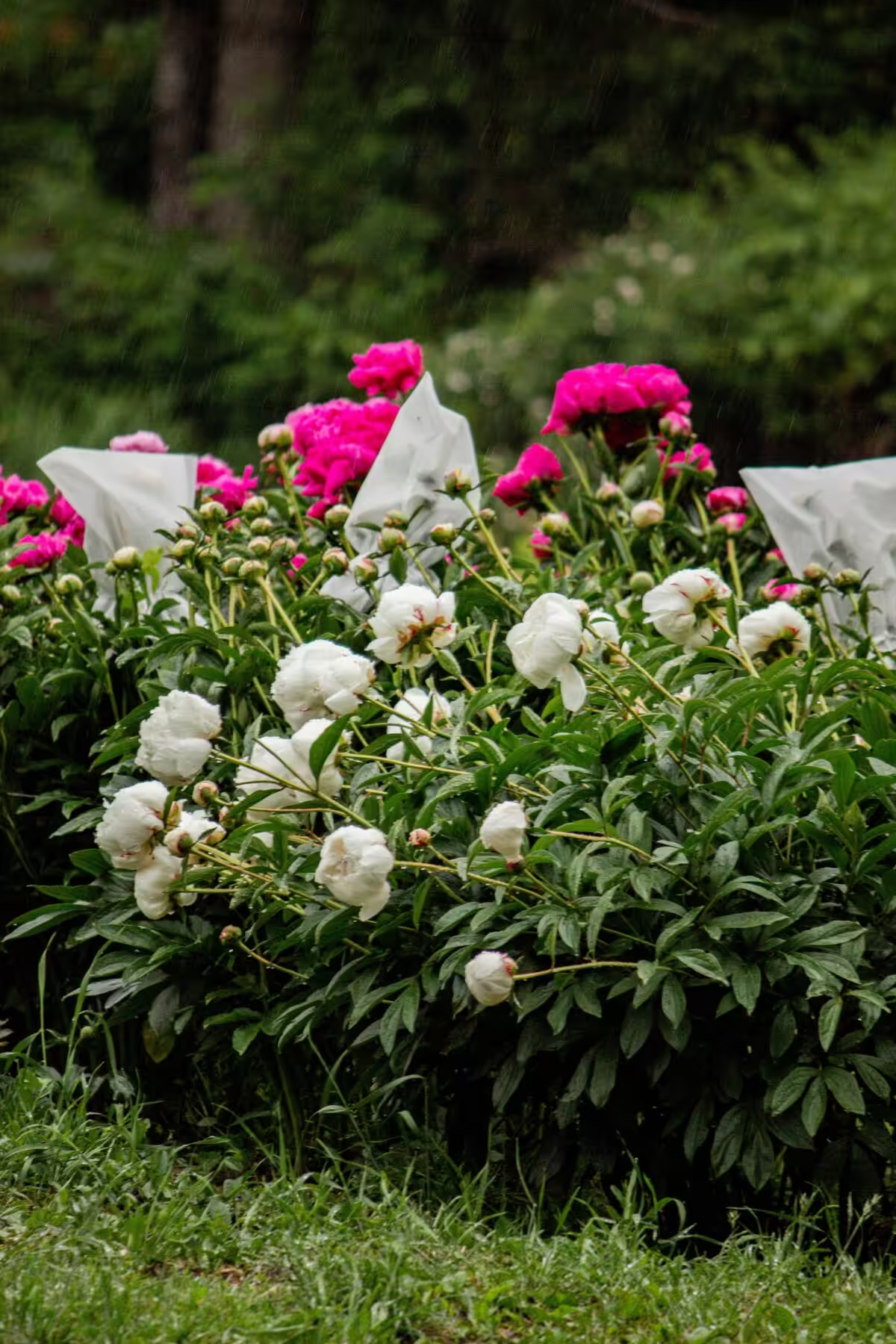
Yellow peonies and the Itoh advantage
Pure yellow blooms are relatively rare in traditional herbaceous peonies and are most reliably produced by Itoh (intersectional) hybrids. Bartzella is a widely grown yellow that repeats color reliably. If you’re after a yellow peony bush or bouquet, prioritize Itoh varieties or consult nursery listings for dependable yellow options. For purchasing options, a practical starting point is peony bulbs available through retailers; see the recommended link below.
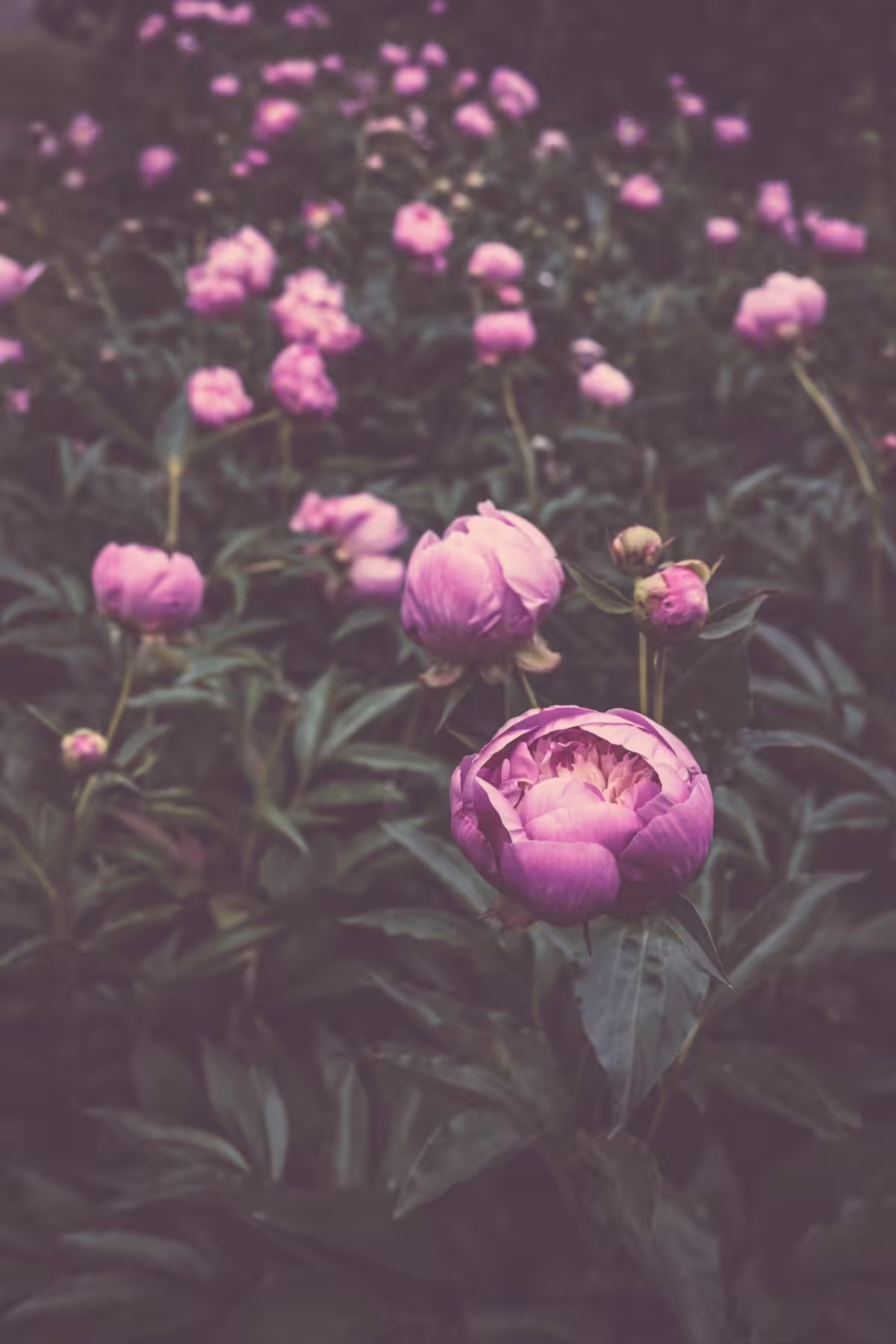
Purple and lavender tones: blue peonies remain a myth, not a possibility
Purple and lavender peonies exist in several tree and modern hybrids, but true blue peonies do not occur because the pigments needed for a true blue aren’t produced by peony genetics. Designers often pair lavender tones with cool greenery to achieve a soft, atmospheric effect rather than a saturated blue. For a broader discussion on color behavior and color-shift blooms, consult Architecture Adrenaline’s color-bloom resources linked in the article references.
Multicolor and color-shifting blooms: why one stem can read several colors
Many peonies change color as they open. A single bloom may display coral outer petals with blush centers, yielding tonal variety ideal for cut bouquets. Some varieties are explicitly bicolor, offering two distinct color expressions on a single flower. When planning color stories, consider color-shift dynamics as a design tool and cross-check with expert resources on color perception in floral design.
Practical considerations when choosing color for garden design or bouquets
- Scale and viewing distance: pale or white blooms read best from afar, while deep burgundy shines up close.
- Bloom timing: varieties vary in bloom windows; plan for staggered color through late spring to extend garden interest or bouquet availability.
- Maintenance: dense doubles may require staking, while sturdy Itoh stems often tolerate heavier blooms better.
- Cut-flower considerations: some pinks and corals may fade to paler tones in vase water—consider vase life in color planning.
Popular varieties by color to guide peony bulb or bush shopping
When buying peonies online or in stores, these color-oriented starting points help you focus your search:
- White: Festiva Maxima, Duchesse de Nemours
- Pink: Sarah Bernhardt, Bowl of Cream
- Coral/Peach: Coral Charm, Coral Sunset
- Yellow (Itoh): Bartzella, Canary Brilliants
- Burgundy/Dark: Buckeye Belle, Red Charm
- Purple/Lavender: tree hybrids or modern cultivars (verify nursery descriptors)
Buying and delivery: how color influences selection and timing
When ordering bare-root peonies or peony tubers, verify the exact variety and its bloom color. Catalog photos at peak bloom provide useful guidance, but color can shift with light and maturation. For bouquets or guaranteed delivery dates, choose cultivars with reliable bloom windows and coordinate with florists or delivery services about staging. Fall planting is common for tubers, while potted peonies can be planted in spring for earlier flowering. If you’re expanding your color palette with bulbs, consider purchasing peony bulbs to diversify color options.
Color-matching tips for landscape use and floral design
- Pair white peonies with dark foliage to create graphic contrast that reads crisp and modern.
- Combine coral or peach tones with warm perennials to cultivate seasonal warmth.
- Use deep burgundy peonies as focal points in containers or shady corners where dramatic color reads best up close.
- For weddings, soft pinks and whites remain universally flattering and photograph well in a variety of venues.
Hard truths about color: blue and black in peonies
Botanically, true blue and true black peonies do not exist. Deep burgundy tones can simulate a dramatic blackish effect in the right setting, while blue remains outside the species’ pigment palette. Embrace context—foliage color, vase material, and complementary blooms—to achieve the desired dramatic or serene effect without chasing an impossible color.
Designing with color: quick-reference guidance
Color choices should support bloom timing, garden scale, and intended use. If you’re growing peonies to sell or display, consider a mix that covers a broad color range and staggered bloom times to maximize harvest windows and bouquet options. For a personal garden, plan the color story around perennial companions and eventual seasonal shifts.
Engage with the peony journey: a call to readers
Have you grown peonies in specific color families, or do you design with a staged color plan for weddings or events? Share which varieties you’ve found most reliable for color, bloom time, and vase life. If you’ve experimented with Itoh yellows or deep burgundy cultivars, tell us how they performed in your climate. Your experiences can help others plan better color stories in their own gardens and arrangements.
Peony Growing Guide!!! How to Plant, Grow, Harvest, Divide, & Transplant Peonies:
Peonies are not just beautiful flowers; they’re a delightful explosion of color that can brighten any garden or bouquet. From soft pastels like blush pink and creamy white to vibrant shades of red, coral, and even the rare blue, there's a peony variety to complement every taste and theme. As you dive into the world of these stunning blooms, remember that each color holds its own charm and potential to express emotions, making them a favorite for weddings and special occasions.
Explore the World of Peonies
Whether you're a gardening novice or an experienced flower enthusiast, I hope this journey through the colorful realm of peonies inspires you to explore and discover new varieties. Feel free to share your own favorite peony colors or tips in the comments! And if you’d like to keep up with our floral adventures and enjoy more floral inspiration, don’t hesitate to check out our Instagram for some stunning peony shots and other botanical beauties. Happy gardening!
