
Where does Bjarke Ingels live? Discover the architect's creative world and his design-centric lifestyle. Learn more about his revolutionary projects!
The question where does Bjarke Ingels live isn’t just about a flashy address; it’s a window into the designer’s philosophy. Ingels, founder of Bjarke Ingels Group (BIG), has long been associated with a houseboat in Copenhagen’s harbor. That floating home—an adapted former ferry—embodies his belief in adaptable, water-centered living as a practical, livable response to evolving cities and rising seas. This article blends what’s publicly known about his residence with BIG’s broader approach to design, showcasing how a personal living space can mirror a professional vision.
Where Bjarke Ingels lives and what that reveals

Bjarke Ingels’s home sits on a houseboat moored in the harbor of Copenhagen. He shares the vessel with his partner Rut Otero and their son, turning a decommissioned ferry into a family residence that highlights Ingels’s design vocabulary. Features like sliding window walls and a glass-enclosed pavilion for the main bedroom are frequently noted, underscoring a commitment to openness, daylight, and a seamless relationship with water. This arrangement isn’t just about novelty; it’s a living demonstration of his idea that cities should embrace floating, adaptable housing as climate resilience and everyday livability converge. For more detailed information about his life, check out his Bjarke Ingels — Wikipedia biography.
While the houseboat is a striking personal emblem, BIG’s influence spans Copenhagen, New York, and projects around the world. Ingels’s floating home serves as a tangible reminder that architecture can test and refine ideas—mobility, modularity, and sustainable systems—within a family’s daily life and not only in grand public buildings.
Residence features that reflect design principles

- Renovated ferryboat: A decommissioned vessel repurposed for family life, illustrating compact, movable space done with care and character.
- Sliding window walls: Create flexible connections between interior spaces and the water, inviting light while supporting adaptable living configurations.
- Glass-enclosed pavilion: A private retreat that preserves openness, balancing intimacy with a strong connection to the harbor environment.
- Hull aesthetics: A gleaming white hull that visually echoes the futuristic clarity often seen in Ingels’s contemporary designs.

Philosophy in practice: floating housing and resilient cities
Ingels has championed floating housing as a practical, forward-looking stance in the face of climate risk. Across BIG’s projects, he promotes water as a resource and design element rather than a barrier. The Copenhagen houseboat acts as a living counterpoint to traditional urban forms, illustrating how mobility, modularity, and sustainable systems can function inside a family home. This personal example aligns with BIG’s broader work—multifunctional programs, social relevance, and environmentally minded strategies that push architecture toward resilience and adaptability.
In the broader narrative, floating housing isn’t just about novelty; it’s a testbed for how neighborhoods could evolve when water is part of the solution. Ingels’s living arrangement invites readers to consider how design thinking can translate into everyday life, influencing how cities plan for rising seas and changing lifestyles without sacrificing livability or creativity.

What readers might wonder next
- Has Ingels’s residence on the houseboat evolved over time, and is it still his primary home?
- What practicalities come with living on a floating home in a northern European harbor?
- How does the houseboat shape or reflect BIG’s design approach to international projects?
- Are there public profiles that offer more interior detail or daily life aboard the boat?
Practical takeaways for readers
- Consider how adaptive, small-scale living can translate to larger urban developments. Ingels’s houseboat demonstrates how flexibility and lightweight systems support family life in tight spaces.
- Explore floating housing as a climate-conscious option for cities facing sea-level rise. Floating structures can be modular and scalable when paired with robust infrastructure.
- Balance design spectacle with everyday functionality. Prioritizing daylight, openness, and a harmonious relationship with water offers useful lessons for any compact housing project.
Engage with the idea: would you consider a floating home or modular, water-adjacent living in your own city? Share your thoughts or experiences with floating architecture in the comments below.
Additional context: BIG, floating ideas, and public discourse
Beyond Ingels’s personal residence, BIG’s global work continues to fuse social relevance with environmental mindfulness. The firm’s projects often blend multiple programs—housing, education, workspaces—into adaptable systems that respond to urban realities. The underlying message remains: architecture should leverage water rather than fear it, turning challenges like rising seas into opportunities for innovative, livable communities.
Table: quick reference to the residence and design principles

| Aspect | Detail | Location |
|---|---|---|
| Home type | Houseboat (renovated ferry) | Copenhagen Harbor |
For readers curious about the broader design context, BIG’s work and Ingels’s public statements often emphasize a philosophy of “promiscuous hybrids”—a blend of experimentation and pragmatism. Projects like the Two World Trade Center in New York (with stacked, modular elements) reflect a signature approach: thinking big while staying anchored in functional, social outcomes. For more about his work, consider looking for a Bjarke Ingels biography book that provides additional insight into his life and projects.
Have you encountered floating architecture in your city or workplace? What resonates most about the idea of living with water as a design element? Share your experiences and questions in the comments—your perspective can spark new ways to reimagine urban living.
1.
Best Overall
BIG Atlas
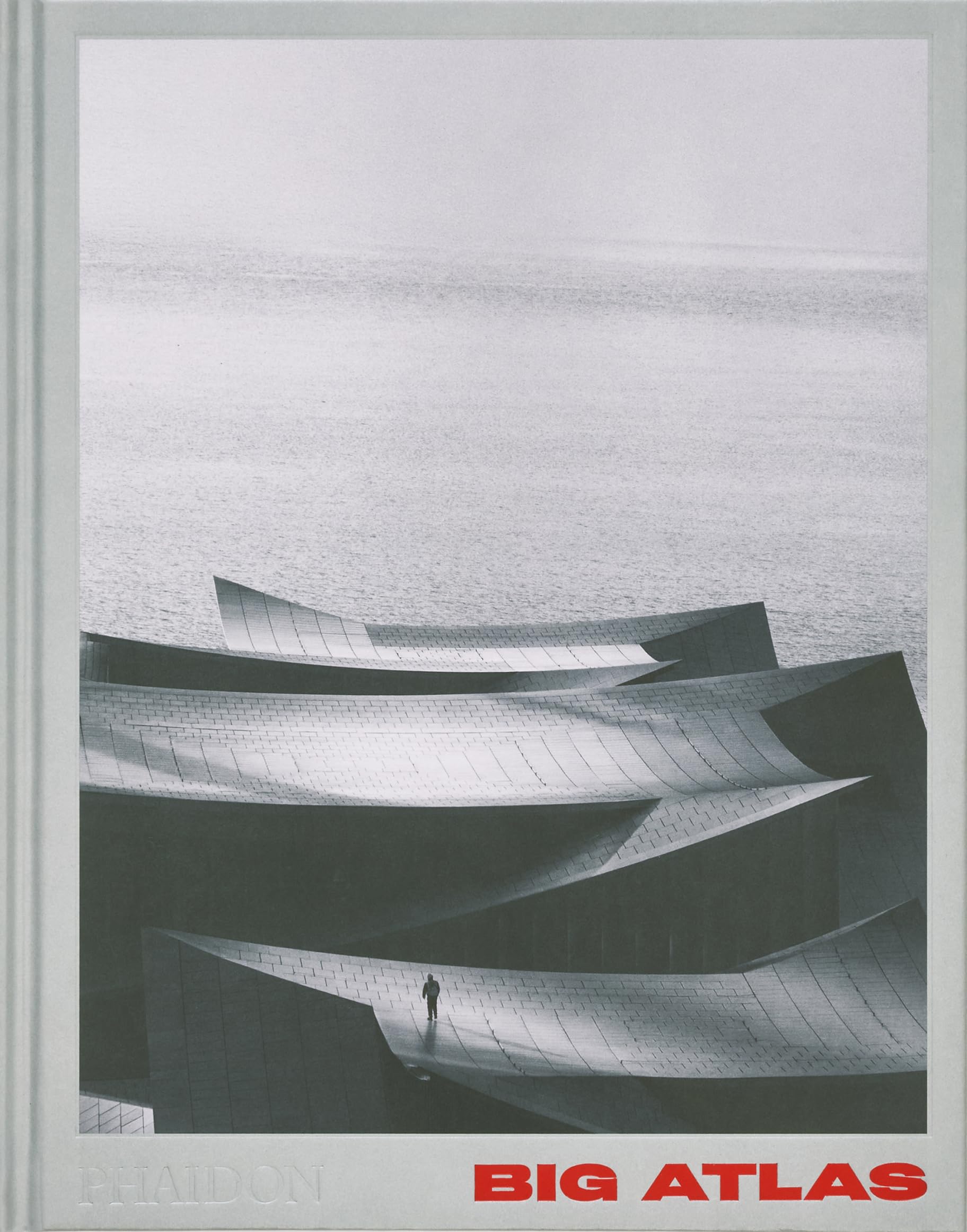
The BIG Atlas is a visually rich architecture book that compiles Bjarke Ingels Group’s project stories and spatial ideas in a global context, ideal for readers seeking an immersive overview of BIG’s design language and portfolio scale.
Best for: Best Overall
Why pick this: Provides a comprehensive, visually compelling overview of BIG’s architectural approach suitable for readers wanting a foundational reference linked to Bjarke Ingels’ work.
Skip if: You’re looking for a narrowly focused project-by-project case study or a quick price comparison of smaller architecture monographs.
2.
Best for Fans of BIG's Ideas
BIG. Yes is More. An Archicomic on Architectural Evolution (Varia)
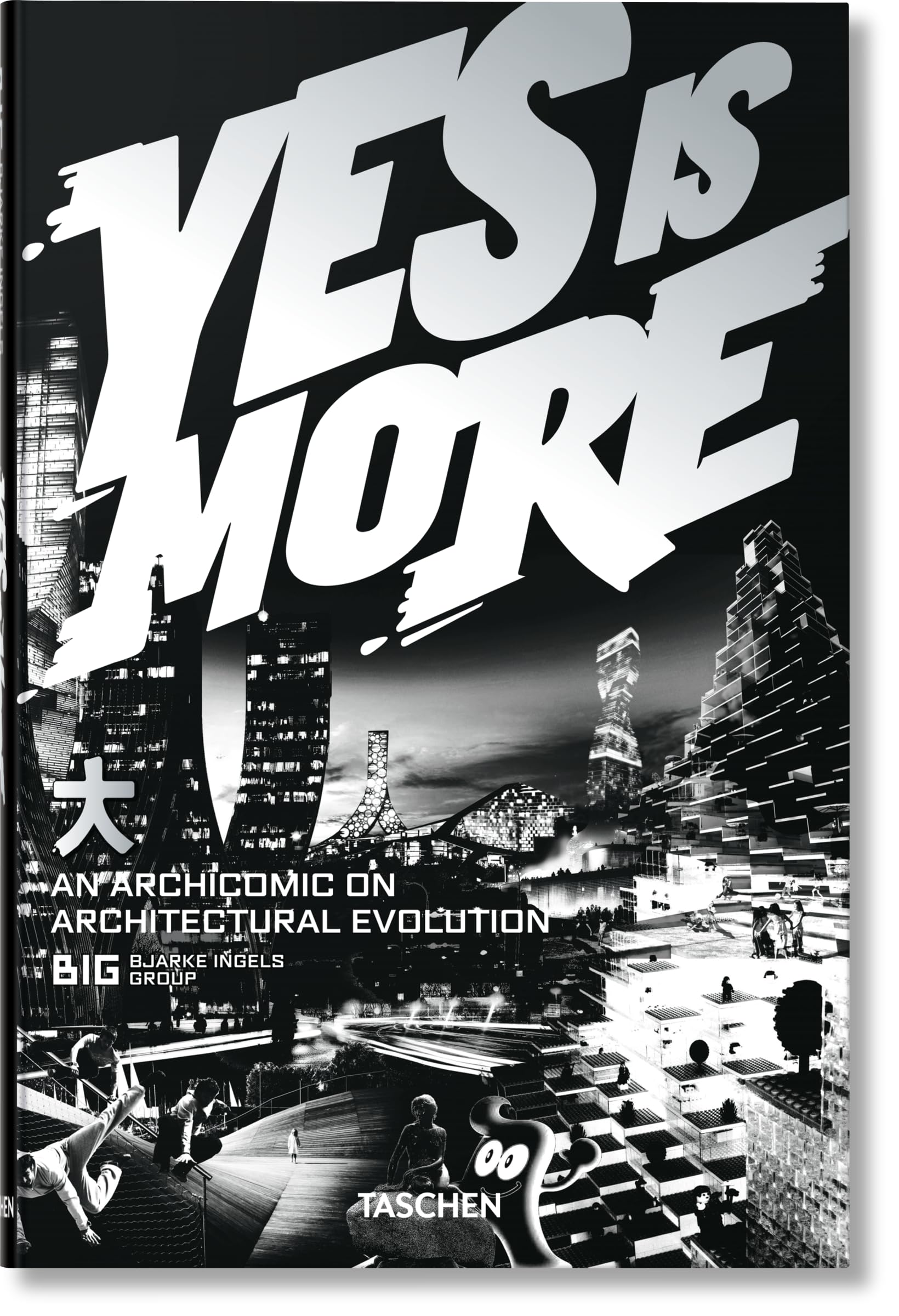
BIG. Yes is More. An Archicomic on Architectural Evolution (Varia) presents Bjarke Ingels Group’s design thinking in a graphic novel format, blending architectural concepts with storytelling to illuminate BIG’s evolution.
Best for: Best for Fans of BIG's Ideas
Why pick this: A narrative, visual approach that helps readers connect architectural concepts with BIG’s philosophy in an accessible format.
Skip if: You prefer traditional technical monographs over graphic storytelling.
3.
Best for Deep Dive
DRIFT: Choreographing the Future
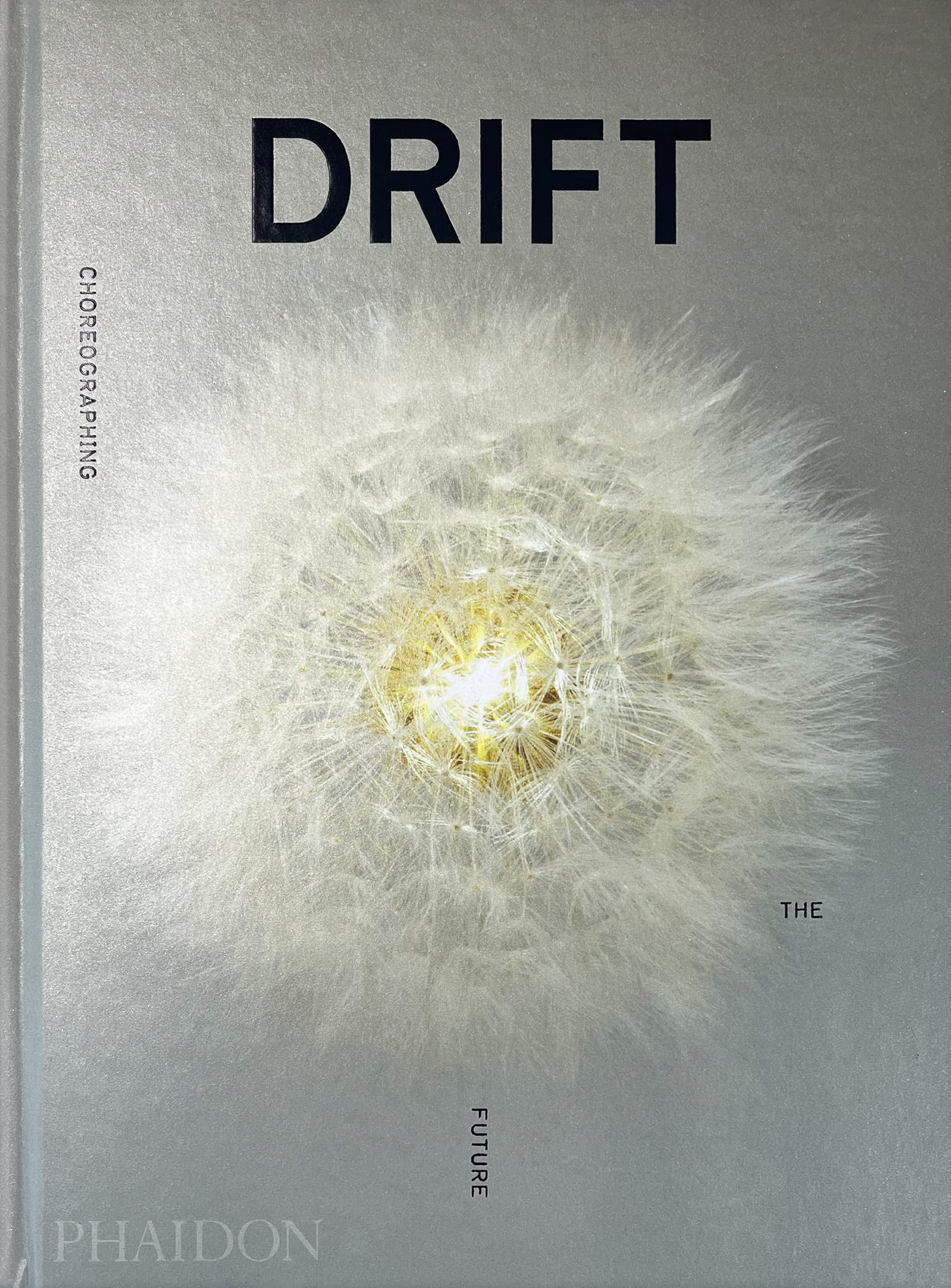
DRIFT: Choreographing the Future explores architectural futures, urban design strategies, and the social implications of BIG’s projects, offering a thought-provoking read for design professionals and students seeking a rigorous, forward-looking perspective.
Best for: Best for Deep Dive
Why pick this: Delivers deeper theoretical context and future-focused design thinking aligned with Bjarke Ingels’ architectural approaches.
Skip if: You want a lighter read or a beginner-friendly overview without complex concepts.
Bjarke Ingels is a name that keeps popping up in conversations about innovative architecture and urban design. His creative vision and approach not only redefine spaces but also inspire countless individuals to imagine a different kind of future. While the whereabouts of his primary residence might not be entirely public knowledge, the buzz around his work offers us glimpses into his world. Whether it’s through his projects or interviews, it’s clear that his base is rooted in a design-centric lifestyle that reflects his passion for transforming the built environment.
Stay Inspired
If you’re as intrigued by Bjarke’s work as I am, I encourage you to explore more about him and keep up with the latest trends in architecture on social media. You can find some amazing content on our Instagram page, where we share insights and inspiration that bring the world of architecture right to your feed. Let’s stay connected and continue this exciting journey of exploring spaces and ideas that push the boundaries of design!
