
As a lover of vintage aesthetics, the 1930s interior design style captivates me with its rich history and unique characteristics. This era, marked by the influence of Art Deco and modernism, offered bold, distinctive designs that still inspire today's decorators. From luxury furnishings to vibrant color palettes, the 1930s transformed our interiors in remarkable ways.
1. Key Characteristics of 1930s Interior Design
The 1930s showcased a blend of elegance and functionality. Key elements of this design style include:
- Geometric patterns and bold colors
- Modern materials such as chrome and glass
- Sleek lines and streamlined forms
- Ornate fixtures with a hint of luxury
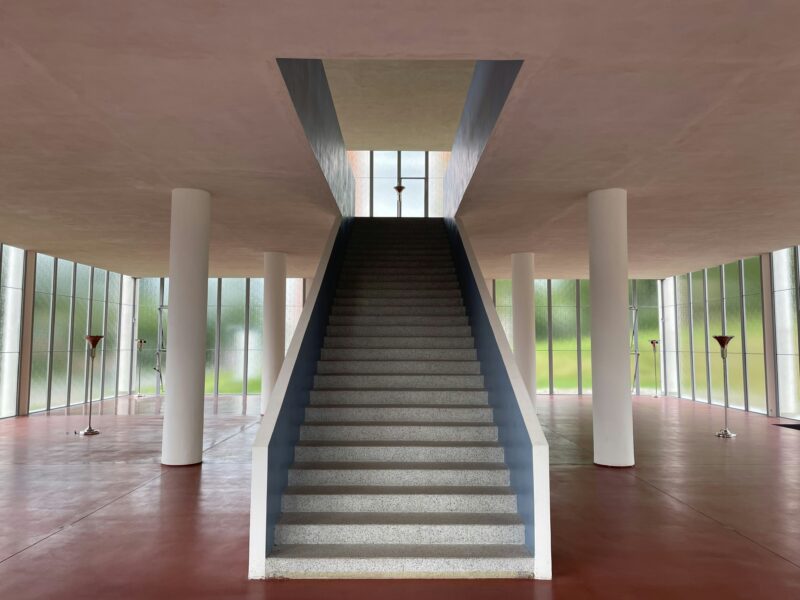
2. Influential Design Movements
This decade was heavily influenced by various design movements:
| Design Movement | Characteristics |
|---|---|
| Art Deco | Luxurious materials, geometric shapes, and decorative motifs. |
| Streamlined Modern | Simplistic forms, consumer-friendly products, and functionalism. |
| Bauhaus | Focus on functionality and simplicity, embracing modern materials. |
3. Popular Color Palettes
The color schemes of the 1930s were vibrant and diverse. Pastel shades were often preferred but were complemented by bold accents. Here are some popular color choices:
- Soft blues and greens
- Corals and warm reds
- Neutral tones like beige and gray
4. Iconic Furniture Styles
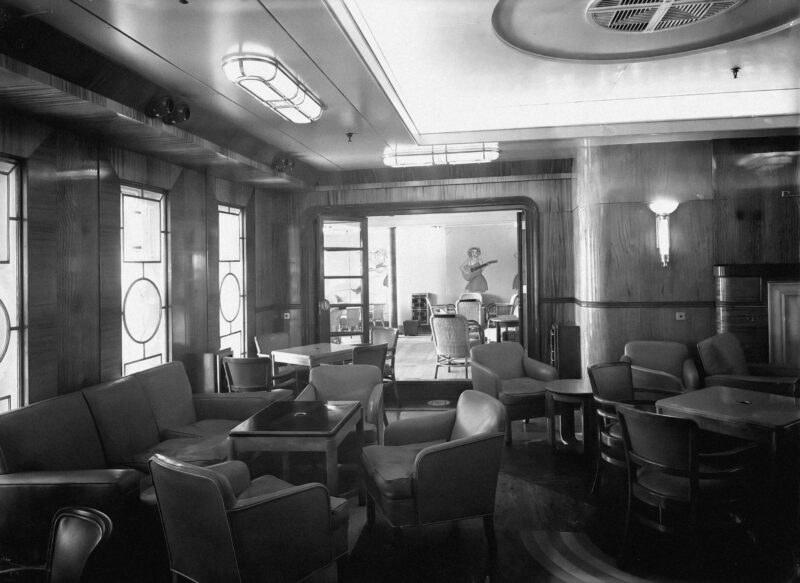
The furniture of the 1930s emphasized both aesthetic appeal and functionality. Iconic furniture pieces include:
- Upholstered sofas with bold patterns
- Curved wooden dining chairs
- Distinctive coffee tables featuring glass and chrome
5. Reviving 1930s Design Today
Integrating 1930s design elements into modern homes can create a unique aesthetic. Here are some tips:
- Incorporate geometric patterns in wallpapers or textiles.
- Use bold-colored furnishings as statement pieces.
- Choose art deco-inspired light fixtures to set the mood.
For more on design inspirations, refer to our articles on Art Deco Wallpaper and Reviving Art Deco.
You can also explore how the Furniture of the 1930s continues to shape our design preferences today and how economy impacted Interior Design During the Great Depression.
In conclusion, 1930s interior design provides a rich tapestry of ideas that can inspire creativity in modern interiors, blending timeless elements with contemporary needs.
