
Alaska's architectural landscape tells a story of resilience, adaptation, and cultural fusion. With influences from Native traditions, Russian settlers, and American pioneers, the state's buildings reflect a unique blend of styles and functionalities attuned to the harsh and varied climates. Here, we delve into the key aspects that have shaped Alaskan architecture over the years.
Diverse Cultural Influences
Alaska's architecture is primarily influenced by three cultural groups: Native communities, Russian settlers, and American occupants. Each of these groups has left a distinct mark on the architectural landscape.
- Native Architecture: Traditional Native buildings utilized indigenous materials and were highly adaptive to the local climate. Structures such as semi-subterranean dwellings and barabaras, large communal houses covered with sod, demonstrated a deep connection with the environment.
- Russian Influence: The introduction of horizontal log structures and Russian Orthodox churches brought a unique blend of indigenous and European architectural forms. Features like onion domes and three-part sanctuaries are notable remnants of this era.
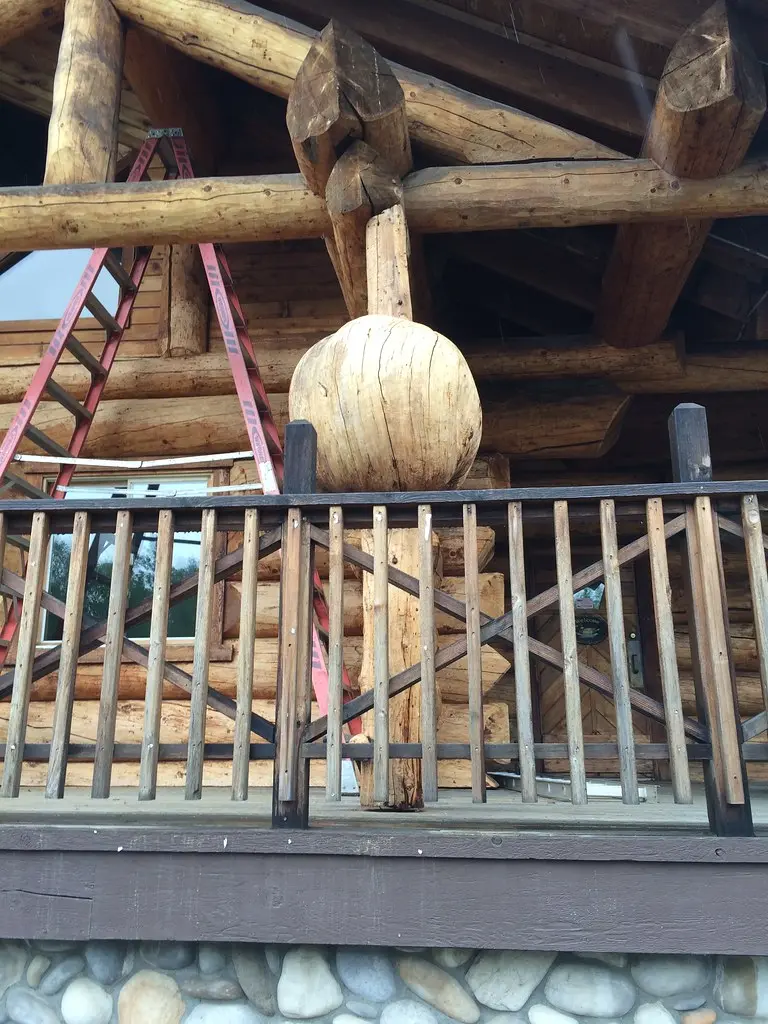
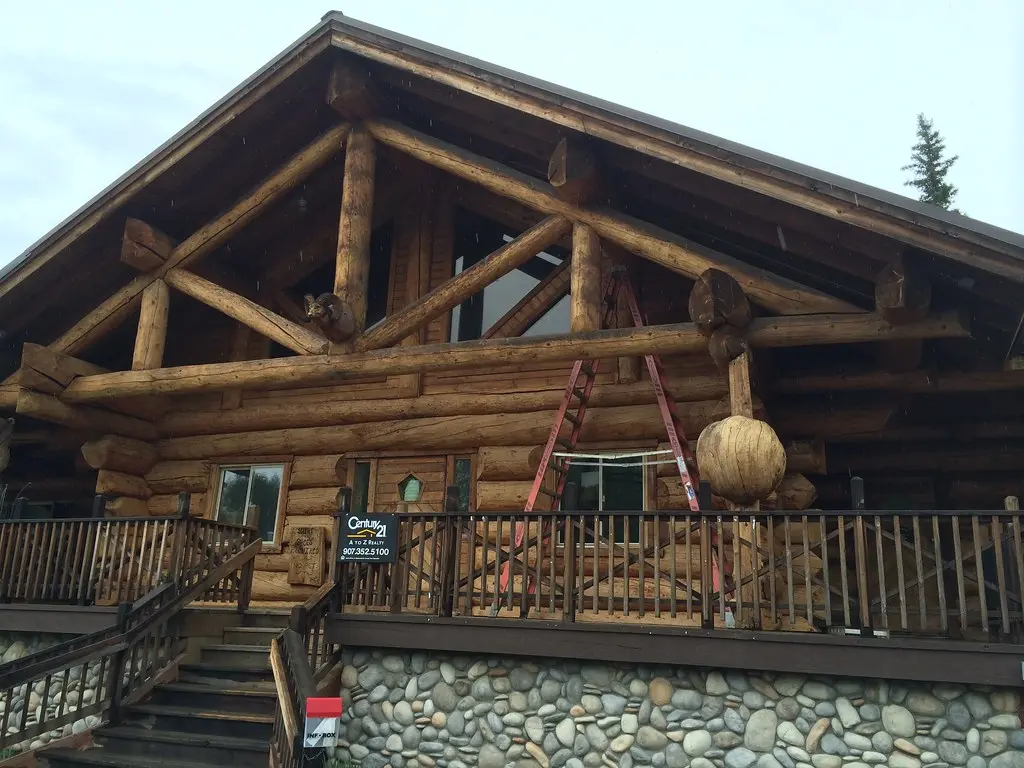
- American Styles: Following the acquisition of Alaska in 1867, American settlers introduced familiar styles such as log cabins and cottages, tailored to local materials and weather conditions.

Evolution of Native Dwellings
Early Native Alaskan architecture was characterized by structures that maximized efficiency and resilience. Over time, these traditional styles began to diminish with the influx of Western architectural practices introduced by Russian and American settlers. However, recent years have seen a resurgence of interest in native building techniques, as highlighted by the university's Historic Preservation Alumni Spotlight.
Impact of Russian Architecture
Russian colonization brought significant architectural changes, particularly in the construction of wooden structures using horizontal logs. The Russian Orthodox churches, featuring onion domes and intricate sanctuaries, became architectural landmarks that integrated local building styles with European influences.
American Architectural Styles
Post-1867, American settlement introduced practical architectural styles tailored to the climate and available materials. Log cabins, cottages, and simplified designs became common, reflecting practicality and functionality over ornamental value.
Government Housing Initiatives
After World War II, federal housing initiatives significantly altered the architectural landscape of Alaska, particularly in Native villages. Single-family homes replaced communal dwellings, leading to changes in traditional community structures, as explained in the Alaska Architecture: A Journey Through the State's Diverse and Unique Building Designs.
Adaptations to Climate
Alaskan architecture is uniquely adapted to its environment. Features such as vestibules to trap cold air and raised structures to manage snow and permafrost are common. Energy-efficient traditional Native dwellings are increasingly valued for their environmental adaptability.

Cultural Resurgence
There is a growing movement to revive and honor traditional Native building styles. Efforts include the creation of outdoor museums and cultural sites aimed at preserving ancestral techniques and designs.
Prominent Architectural Projects
- SLAM (State of Alaska Library Archives Museum): Designed to consolidate three governmental functions, this building features a design inspired by historical Alaskan elements and wildlife.
- Morris Thompson Cultural and Visitor Center: This center not only promotes cultural preservation but also serves as a visitor hub showcasing local artistry and natural light.
- Hacker: The SLAM project by Hacker integrates modern elements with historical context, reflecting Alaskan heritage.
- McCool Carlson Green: The Anchorage Museum expansion serves as another example of modern architecture that emphasizes natural light and local artistry, as detailed in the Alaska Historic Buildings Survey Manual & Style Guide.

Economic and Professional Landscape
Alaska's architectural profession is comprised of around 202 licensed architects. The industry is characterized by small firms and sole proprietors adapting to unique local demands and climatic conditions. Economic fluctuations, primarily driven by oil and gas development, significantly impact the architectural community.
Table: Architectural Influences and Features
| Cultural Influence | Architectural Features |
|---|---|
| Native Communities | Indigenous materials, semi-subterranean dwellings, barabaras |
| Russian Settlers | Horizontal log structures, Russian Orthodox churches, onion domes |
| American Settlers | Log cabins, cottages, simplified functional designs |
Contemporary Design Features
Modern Alaskan architecture incorporates elements like large windows for natural light, the use of natural materials such as Alaskan Yellow Cedar, and sustainable practices, including energy-efficient insulation and high-performance windows. These designs often reflect a harmonious relationship with the environment, emphasizing both aesthetic appeal and functional resilience, evident in projects inspired by Landscape Architecture student Aisha Malik's experiences detailed in the Landscape Architecture Foundation's Scholarship Winner Spotlight.
Alaskan architecture stands as a testament to adaptation, cultural fusion, and respect for the natural environment, illustrating a rich history and a dynamic present.
