
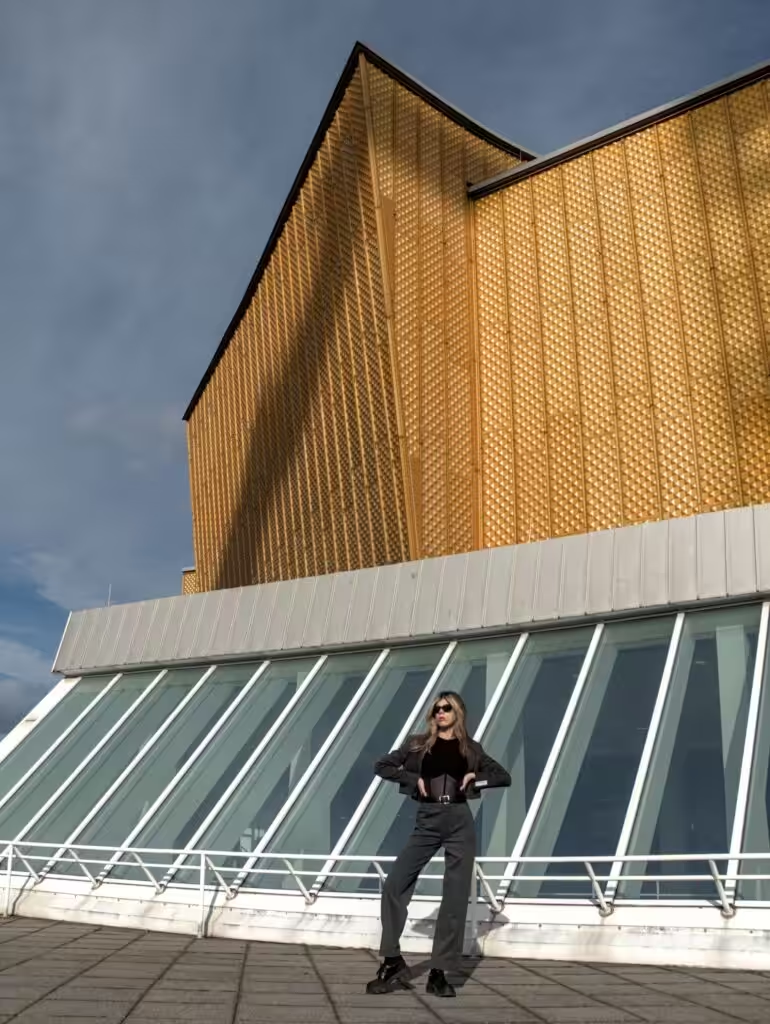
Architecture Outfits - What to Wear and Not to Wear to Thrive is a practical, no‑nonsense guide for architects who want clothing that supports how they work, lead, and move between the studio, client meetings, and the jobsite. This consolidated piece blends the strongest ideas from existing guidance, preserves useful examples and media, and adds verification‑friendly, actionable advice for everyday use. Architectural Dress offers a visual precedent for garments that embody architectural thinking, while framed examples here translate those concepts into wearable strategy that readers can apply in real projects.
| Situation | Quick Outfit Strategy | Must‑avoid |
|---|---|---|
| Client meetings / presentations | Tailored blazer or structured dress, polished shoes, minimal statement piece | Distracting logos, overly casual sneakers, sloppy fits |
| Design studio / reviews | Smart separates, breathable fabrics, reliable shoes for standing | Excessively formal suits that limit movement |
| Site visits / construction | Durable layers, closed‑toe supportive shoes or boots, weather protection | Open‑toed shoes, delicate fabrics, long loose accessories that can snag |
Why architecture outfits matter more than you think
What you wear communicates leadership, credibility, and practicality before you speak. In architectural contexts, a wardrobe designed for movement, long days, and varied settings reinforces your professional presence on the jobsite, in the studio, and at the negotiating table. Thoughtful wardrobe choices can streamline transitions between activities and projects without sacrificing comfort or safety. For readers seeking a concise visual reference, see how garments can read as quiet architectural statements in Architectural Dress.

Foundations: core principles for architecture outfits
Use a small, repeatable set of anchors to guide decisions and shopping:
- Anchors that work across contexts: a dependable blazer, one pair of well‑fitting trousers, a neutral dress, and a clean button‑down.
- Prioritize fabric and fit over fashion flux: tailoring and natural or technical blends yield long‑lasting confidence.
- Balance identity with context: a recognizable signature element (color, accessory, or cut) can be dialed up or down depending on the setting.
Business professional vs. studio days: practical outfit strategies
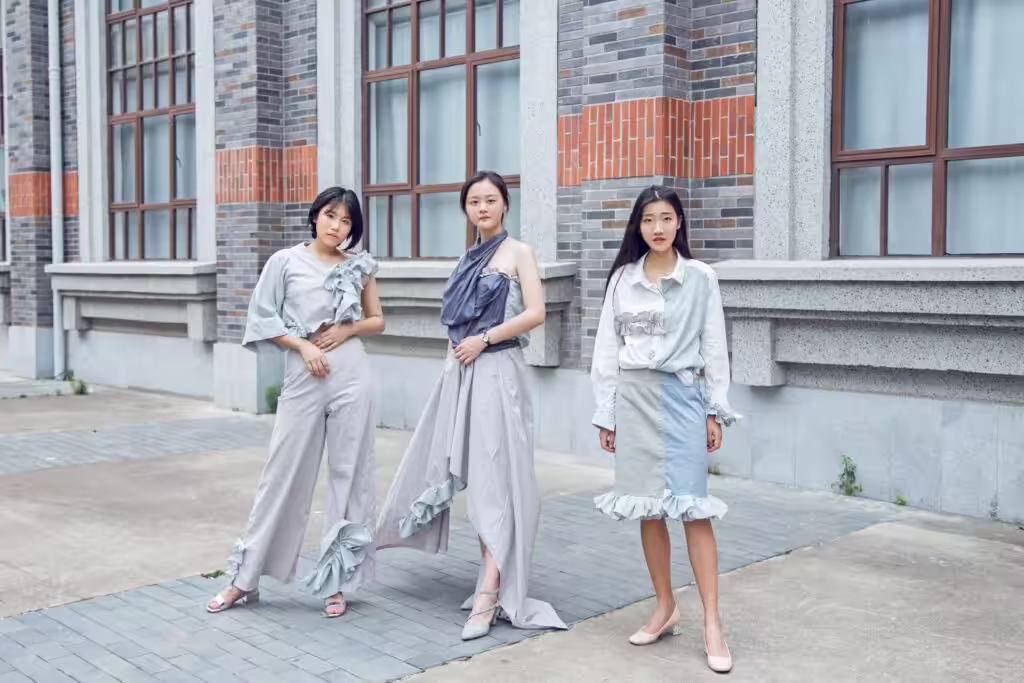
For formal client meetings and public talks, aim for structured pieces that project confidence from a distance. A single‑breast blazer or a sheath dress with polished shoes and minimal, purposeful accessories communicates authority. In the studio or during critiques, prioritize mobility and fabric that resists wrinkling—think smart separates, breathable blends, and reliable footwear. On site, safety comes first: durable outer layers, closed‑toe boots, and gear that supports movement without snag hazards. For readers who want real‑world references to time‑tested ideas, see how designers pair watches and professional tools for on‑site efficiency in Watches for Architects.
Capsules and signatures: building a flexible wardrobe
Rather than a sprawling closet, cultivate a compact capsule that supports all tasks:
- One tailored blazer (navy, charcoal, or warm camel).
- Two trousers (one tailored, one casual/dark denim).
- One versatile dress or skirt.
- Neutral layering tops and a lightweight blazer or cardigan.
- Two pairs of shoes (a dress shoe for professional settings and a studio/comfort option).
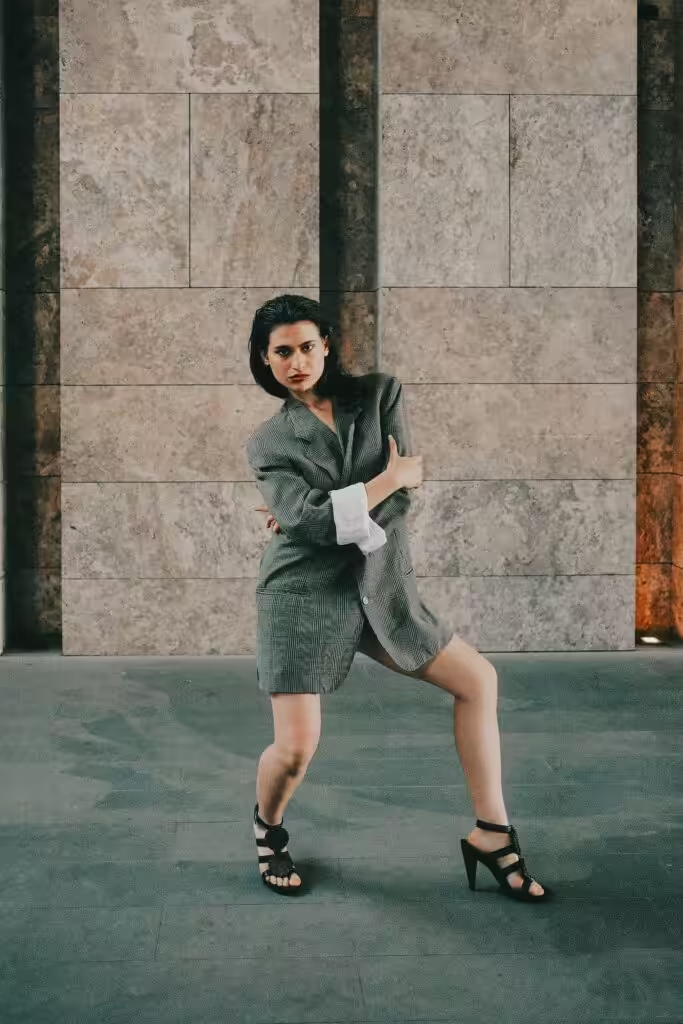
Anchors let you mix and match quickly while preserving a coherent presence, aligning with guidance on anchors and statement items for context-sensitive signaling. For readers curious about discreet, durable footwear options, see classic durability and design fidelity in footwear narratives.
What not to wear: common traps to avoid
Avoid fits or fabrics that undermine presence or safety. Key pitfalls include:
- Clothing that doesn’t fit well—oversized looks sloppy; overly tight pieces restrict movement.
- Overly trendy or loud patterns for formal settings—neutral palettes are safer for client work.
- Delicate fabrics on the jobsite—silk and similar materials are not practical for field days.
- Excessive novelty accessories that draw attention away from your work.
Gender considerations, fit, and practical needs for women architects
Wardrobe choices can be scrutinized differently, so tailoring can be a cost‑effective way to achieve a polished look. Prioritize sleeve length for dynamic gesturing, hem length for site access, and comfortable, supportive footwear. A balanced approach—neutral bases with thoughtfully chosen accents—helps convey authority without sacrificing comfort or safety.
Seasonal and climate adjustments
Climate drives fabric choice and layering strategies. In heat, prioritize breathable fabrics and light colors; in cold weather, structure outer layers with clean lines. For wet conditions, choose water‑resistant, neutral outerwear and protective layers that preserve a crisp silhouette from site to meeting room. Readers planning a wardrobe overhaul may find durable, rain-ready shells and packable knit layers particularly practical for year‑round work rhythms.
Translating personal style into professional signals
Your wardrobe should read as intentional leadership. A monochrome base with a single signature piece (texture, accessory, or cut) can be memorable without overpowering the work. For collaborative or design‑thinking roles, allow tasteful patterns and color while maintaining a disciplined overall look.
Practical packing and transitions: site to client in one day
Carry a lightweight transition kit to preserve a professional silhouette after site work: a fresh shirt, a foldable blazer or scarf, spare shoes or shoe covers, and a compact grooming kit. A quick change can maintain presence without needing to overhaul your entire wardrobe mid‑day. For readers seeking portable, reliable solutions, consider lightweight tools and accessories that support on‑site adaptability, such as a compact portfolio and organized pouches.
Common questions architects Ask About Outfits
- Can architects wear jeans? Yes—dark, well‑fitted jeans can work when paired with a blazer or smart top for client interactions; avoid distressed or overly casual denim for presentations.
- Are minimalist lookbooks helpful? Yes. A curated set of 10–12 outfits built from anchors speeds decisions in the morning and maintains consistent presence.
- How often should signature pieces be refreshed? Shoes every 1–3 years depending on wear; blazers and trousers typically last longer with proper care. Update as roles or client bases shift.
Key environment checklist: quick guide to outfits by activity
Use these quick rules to stay sharp across activities:
- Client meetings: structured, non‑distracting pieces; minimal logos; polished shoes.
- Design studio: breathable fabrics, mobility‑friendly fits, reliable shoes for standing/critiques.
- Jobsite: durable layers, closed‑toe boots, protective gear, and gear pockets for tools.
Small but mighty: practical accessories and what to carry
A slim portfolio, a professional laptop bag, organized pouches for pens and tape measures, and a simple, confident accessory set communicate preparedness. Avoid bags that look overly decorative for construction environments.
A brief media note: images and visuals to reinforce presence
Visuals that illustrate professional presence—galleries of outfits, example combinations, and on‑site gear—can reinforce guidance. When using media from multiple sources, preserve captions, alt text, and contextual links that explain the image relevance (e.g., safety gear, blazer silhouettes, or material choices).
Final practical checklist before you step into the room
- Does the outfit allow comfortable movement for long periods?
- Is the fit tailored where needed (shoulders, waist, hems)?
- Would the outfit distract from the work you want others to notice?
- Is there an easy plan to transition from site to client meetings in the same day?
As you refine your architecture wardrobe, consider how each piece supports your daily routines, your leadership presence, and the demands of on‑site work. Share your favorite outfits or photos of your capsule wardrobe in the comments—what has helped you thrive on the job, and what would you adjust for your next project?
Readers may also find practical equipment references helpful: for those pursuing fundamentals of garment construction, a reliable sewing machine can expand design possibilities. sewing machines for fashion design offers options to explore as you prototype wearable‑architecture concepts.
Real‑world education and cross‑disciplinary examples reinforce how architecture informs wearable design. For instance, the Tulane School of Architecture’s Design Showcase + Fashion Show demonstrates student projects that merge architecture, textiles, and apparel in a formal exhibition, highlighting a tangible path from theory to wearable form. Tulane School of Architecture’s Design Showcase + Fashion Show.
Another example from academic practice comes from RISD, where Wintersession projects explore architecture‑inspired apparel. The RISD piece showcases how garment construction can reflect architectural thinking and materials logic, illustrating a direct lineage from design intent to wearable expression. RISD Wintersession: wearable-architecture in Apparel and Architecture.
```
Your personal style needs more than fashion (dressing through architecture):
As we've explored, the right architecture outfit can truly set the tone for your day, whether you're presenting your designs, meeting with clients, or strolling through a construction site. It's all about blending professionalism with your unique style, allowing you to feel confident and comfortable in whatever environment you're in. Remember, clothing is an extension of your personality, so don’t shy away from expressing yourself. Pay attention to the fabrics, fit, and functionality to ensure that you not only look good but can also perform your best.
Stay Inspired and Connected
As you navigate your architectural journey, stay inspired by continuously exploring new styles and ideas. Following along on social media can help keep your creativity flowing. If you want to dive deeper into fashion in architecture or share your own looks, check us out on Instagram at Architecture Adrenaline. Let's make this journey a fashionable one together! Remember, what you wear can uplift your confidence and set you apart in the field, so dress to thrive!
