
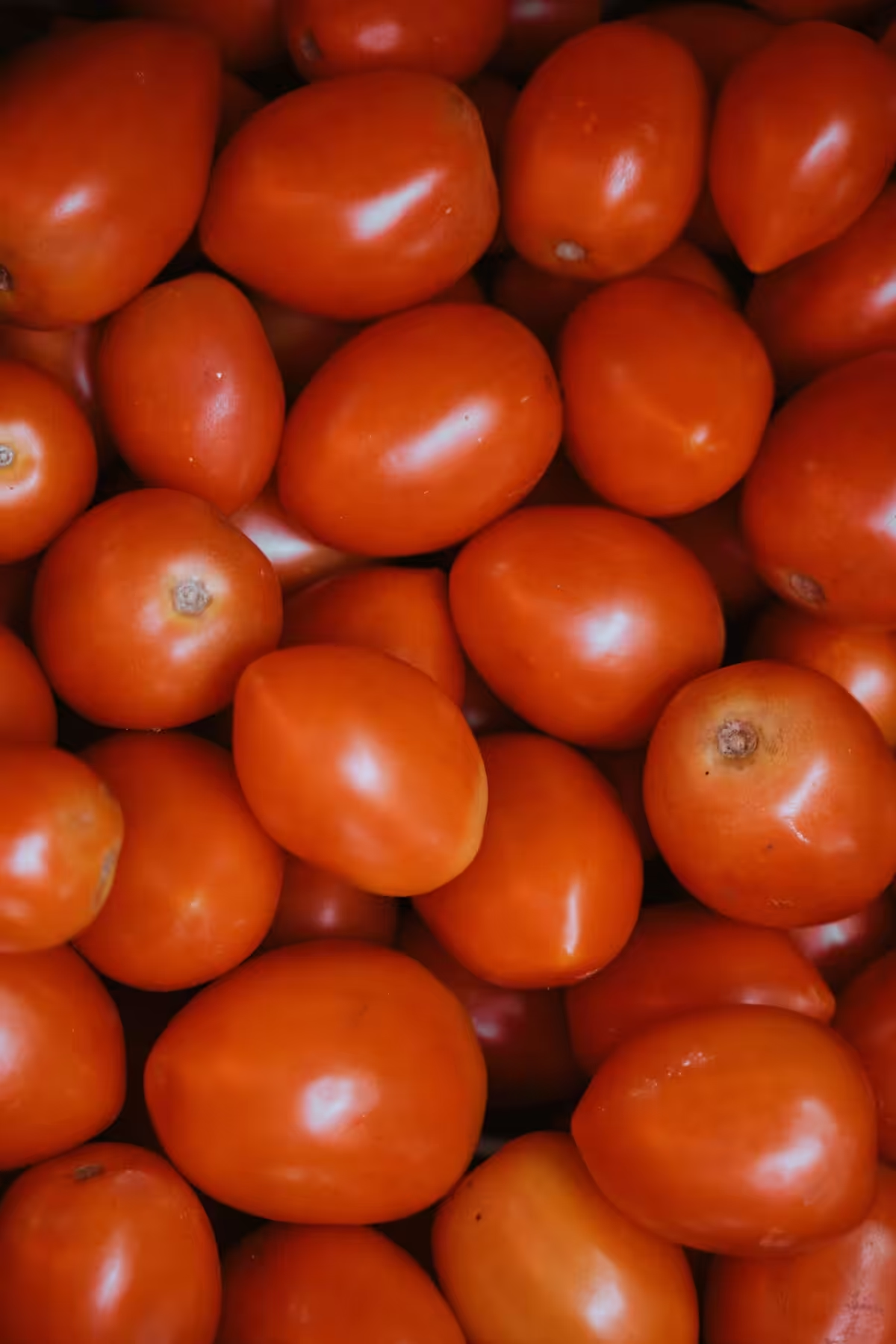
Usually determinate. Most classic Roma or plum-type paste tomatoes are bred to stop at a fixed height and produce a concentrated crop, which makes them preferable for sauce and canning; Cornell’s variety notes list maturity, fruit type and disease resistance for Roma selections and classify them as determinate paste types where applicable.
How Determinate and Indeterminate Habits Change Support and Harvest
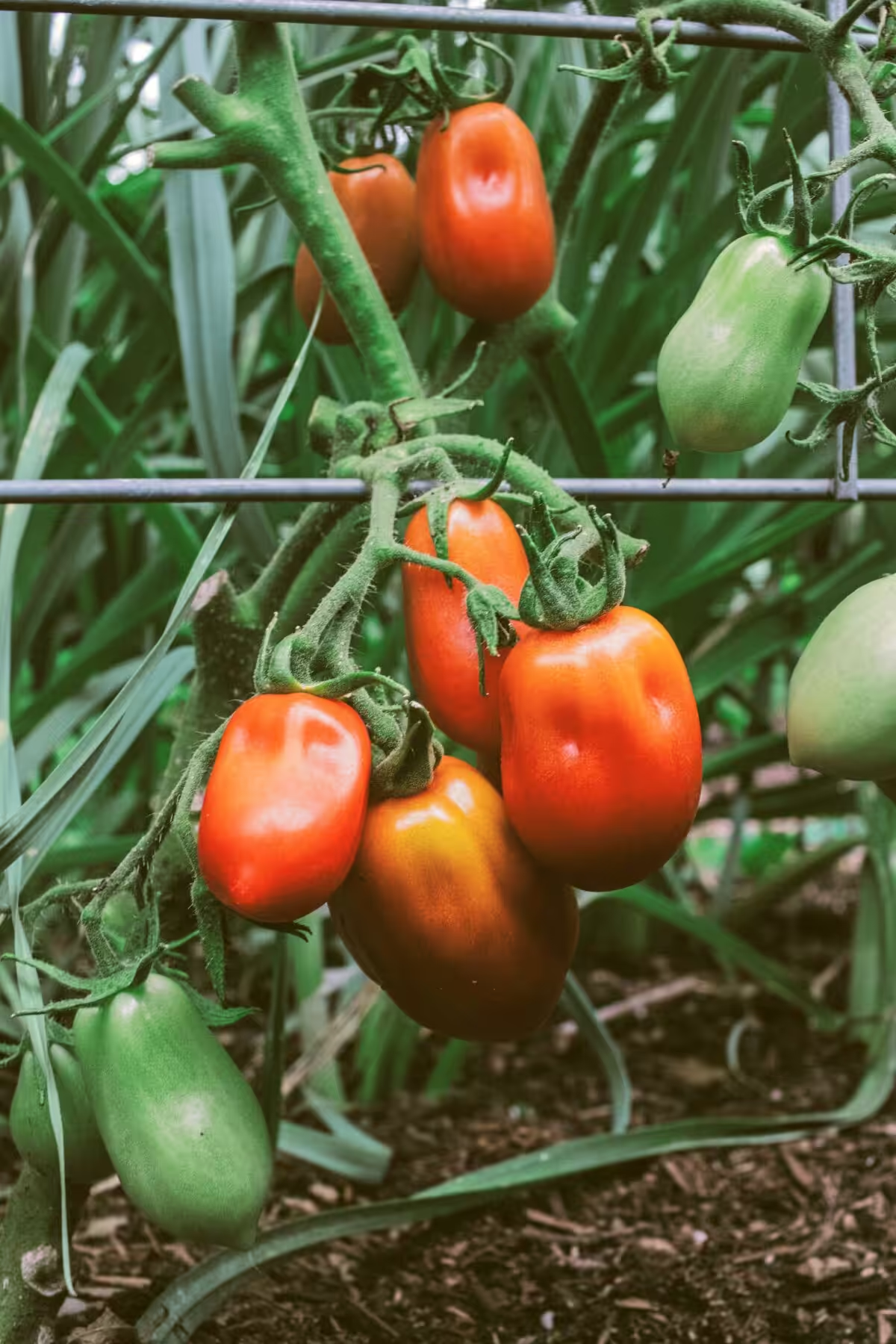
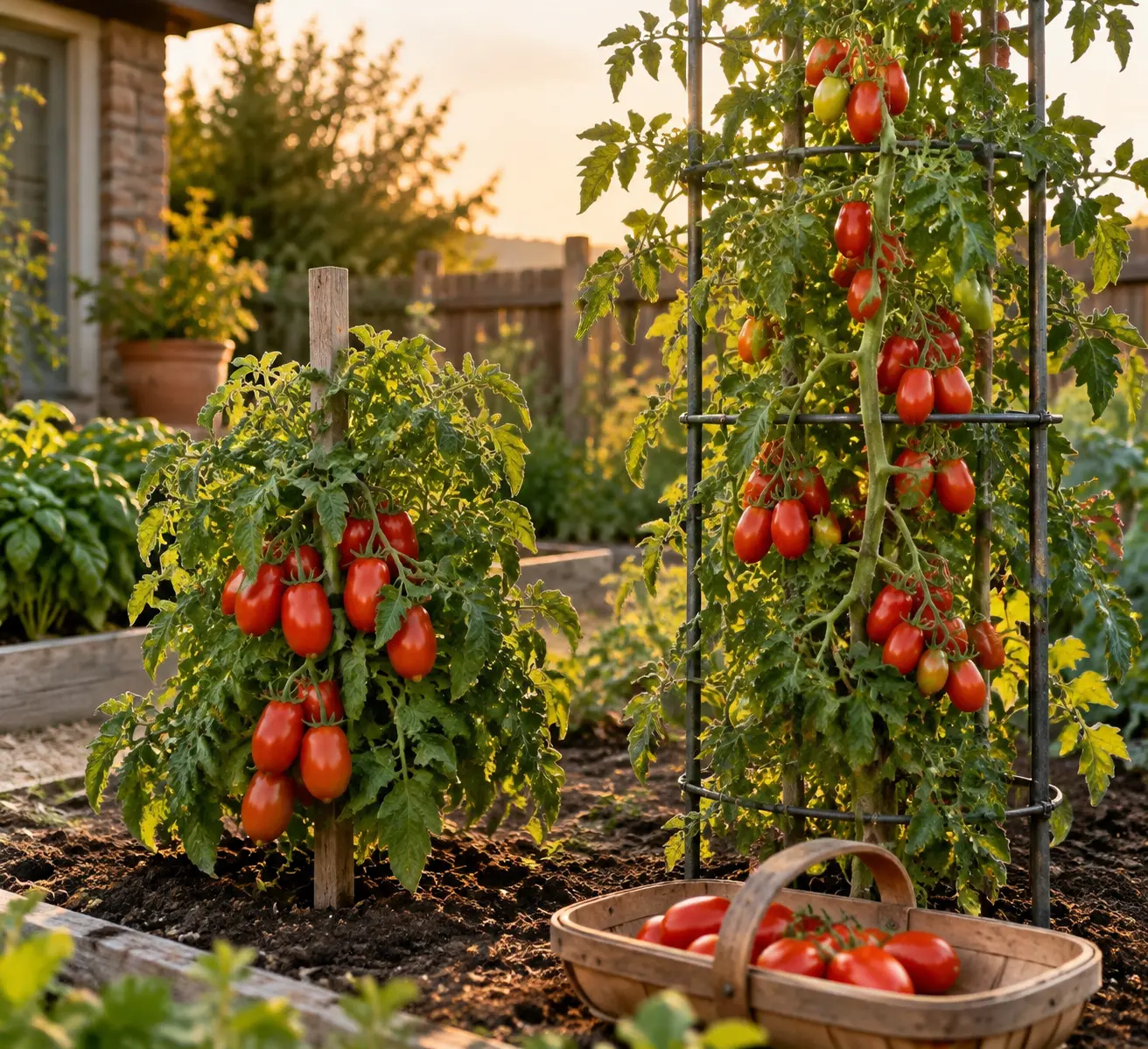
Determinate plants reach a predictable height and set fruit over a few weeks, so short 3 to 4 foot cages or single stakes are sufficient and heavy pruning reduces yield. Indeterminate and semi-determinate plants keep growing and require tall stakes, trellises, or continuous pruning to maintain airflow and fruit size.
Why Seed Labels Still Matter
Look for explicit habit statements on the seed packet or product page: the words determinate, indeterminate or semi-determinate indicate expected height and harvest rhythm. If habit is omitted, prioritize varieties that name a known cultivar such as Roma VF or Martino’s Roma, or ask the vendor directly before ordering.
When A Roma Plant Behaves Like the Other Type
“Roma” describes fruit form more than growth habit, so hybrids marketed as Roma-type may be semi-determinate or indeterminate to extend harvest or include disease resistance. When plants outgrow anticipated supports, retrofit taller cages or a string trellis and shift pruning strategy to selective sucker removal.
Practical Steps to Confirm Habit Before Planting
- Check days to maturity and final height on the product page; short maturity and compact height usually indicate determinate types.
- Review disease-resistance codes such as VF or VFN alongside habit statements to confirm the cultivar’s performance profile.
- Use reputable cultivar pages for specifics; for example, detailed variety records help differentiate true Roma paste types from Roma-style hybrids.
- If buying seeds, compare the vendor description with seed collections to ensure you are ordering a determinate paste tomato rather than a vining hybrid.
Support and Pruning Recommendations by Habit
For determinate Romas, install short cages at planting and avoid removing many suckers; the plant concentrates photosynthate into the limited harvest window. For semi-determinate or indeterminate Roma-types, install 6 to 8 foot supports, remove low foliage to improve airflow, and pinch selectively to direct energy into fruiting shoots.
Planting Strategy Based on Intended Use
If your goal is one or two large canning batches, plant fewer determinate Romas and harvest when most fruits turn color. If you want continuous fresh tomatoes for slicing and cooking, choose semi-determinate or indeterminate Roma-style varieties and space them to allow taller support systems.
Quick Identification Table
| Trait | Determinate Roma | Indeterminate/Semi-Determinate Roma |
|---|---|---|
| Typical Height | 2-4 ft (bushy) | 4-8+ ft (vining) |
| Harvest Pattern | Concentrated harvest over several weeks | Continuous harvesting until frost |
| Support Needed | Short cages or stakes | Tall stakes, trellis, or sturdy cages |
Common Mistakes and How To Avoid Them
- Assuming every “Roma” is determinate; verify cultivar habit before planting.
- Using short supports for vigorous hybrids; retrofit taller supports if plants vine.
- Pruning determinate types heavily and reducing yield; prune indeterminates enough to improve airflow but not to stunt production.
Conversion Tactics for Misclassified Plants
If a plant labeled determinate behaves like an indeterminate, add vertical support and reconfigure to a trellis or string system. If you expected a single canning crop but the plant fruits continuously, stagger plantings or grow fewer plants and preserve fruit as you harvest to create a similar supply.
Growing Practices That Improve Yield Regardless of Habit
- Plant tomatoes deep to encourage additional root formation along the buried stem.
- Space plants according to their expected mature width to reduce disease pressure.
- Match variety to container size; choose patio or determinate-marketed types for small pots.
Examples and Cultivar Notes To Check on Seed Pages
Heritage paste selections such as Martino’s Roma are typically listed as determinate, while some modern Roma-style hybrids carry VF or VFN resistance codes and may be semi-determinate. When a vendor lists disease codes alongside habit, the entry allows a more reliable selection for canning or continuous harvest.
Further Reading and Internal Resources
- Roma habit explained on Architecture Adrenaline
- Tomato spacing and raised bed guidance
- Selecting tomatoes for canning
- Roma tomato variety details from Cornell's Vegetable Varieties for Gardeners
Where To Buy Seeds and What To Order
When ordering, prefer sources that state habit and disease resistance in the product description. For gardeners seeking determinate Roma-type seeds for sauce or canning, an accessible seed option is listed as a practical source for determinate Roma seed selections.
If your plant behaves unexpectedly, compare the tag or product page details to the Cornell variety notes and adjust supports and pruning accordingly; that combination of cultivar documentation and immediate field observation is the most reliable way to correct a misclassified Roma.
Determinate vs Indeterminate Tomatoes - Garden Quickie Episode 156:
| Variety Name | Type | Notable Features |
|---|---|---|
| Amish Paste | Indeterminate | Known for large fruit size |
| San Marzano | Indeterminate | Popular for its rich flavor |
| Plum Regal | Determinate | Resistant to late blight |
| Sunrise Sauce | Determinate | Early maturing |
| Roma | Semi-Determinate | No need for extensive pruning |
Understanding Determinate vs. Indeterminate Roma Tomatoes
Roma tomatoes come in both determinate and indeterminate varieties, each offering unique benefits for your garden. Determinate Roma tomatoes grow to a certain height and tend to produce all their fruit in a short period, making them ideal for gardeners seeking a concentrated harvest. On the other hand, indeterminate varieties continue to grow and produce fruit throughout the growing season, providing a steady supply of tomatoes over time.

Selecting the Right Roma Variety for Your Garden
Choosing the perfect Roma tomato variety depends on your gardening goals and available space. Here are some popular options to consider:
- Amish Paste – An indeterminate variety known for its large, flavorful fruits, ideal for sauces and canning.
- San Marzano – Another indeterminate type, celebrated for its rich flavor and denser flesh, perfect for authentic Italian dishes.
- Plum Regal – A determinate variety resistant to late blight, making it a reliable choice for regions prone to this disease.
- Sunrise Sauce – A determinate tomato that matures early, allowing for a quicker harvest.
- Roma – A semi-determinate or bushy type that doesn’t require extensive pruning, suitable for gardeners who prefer low-maintenance plants.
Optimal Plant Spacing for Roma Tomatoes
Proper spacing is crucial for the healthy growth of Roma tomatoes, as it affects air circulation, light exposure, and ease of maintenance. Here's a quick guide:
- Determinate Varieties: Space plants 12 to 24 inches apart to accommodate their bushy growth and prevent overcrowding.
- Indeterminate Varieties: Allocate 2 to 3 feet between plants to allow ample space for their sprawling vines.
Maintenance Tips for Thriving Roma Tomatoes
While semi-determinate Roma tomatoes like 'Roma' don't require heavy pruning, a few maintenance practices can enhance plant health and productivity:
- Provide support through cages or stakes, especially for indeterminate varieties, to keep the plants upright and reduce the risk of disease.
- Ensure consistent watering to prevent blossom end rot and promote steady fruit development.
- Mulch around the base of the plants to retain moisture and suppress weeds.
Ready to pick the perfect Roma tomato for your garden? Share your favorite variety or ask any questions you have below—we'd love to hear your gardening stories!
Are Roma Tomato Plants Determinate or Indeterminate?
Understanding whether Roma tomatoes are determinate or indeterminate can be complex. To explore this topic further, watch the video by Health Is Wealth titled "Are Roma Tomato Plants Determinate Or Indeterminate."
How do I know if my Roma tomatoes are determinate or indeterminate?
Determinate (or “bush”) Roma tomatoes reach a specific height—usually around two to three feet—then stop growing. They produce fruit in a shorter window, making them ideal if you want a large harvest at once for canning or sauce. In contrast, indeterminate (or “vining”) Roma varieties keep growing and producing new tomatoes throughout the season. If your plant keeps extending upward and setting fruit at different times, it’s likely an indeterminate type, whereas a plant that stops growing tall and matures its fruit in a single flush is determinate.
Do Roma tomatoes need pruning?
When it comes to pruning Roma tomatoes, it helps to know that most varieties are determinate or semi-determinate. Because of their bush-like growth habit, they don’t require heavy pruning. However, it’s still a good idea to remove any suckers or lower leaves that touch the soil to keep the plant healthy. Regularly tie or support the plant to prevent a tangled mass of branches and to allow better airflow around your tomatoes.
How tall do determinate Roma tomatoes get?
Determinate Roma tomato plants typically grow to about two or three feet tall. They set and ripen their fruit over a relatively short period, which is helpful if you prefer to harvest a large batch at once. Since they generally stay compact, determinate varieties are perfect for container gardening, raised beds, or small-space gardens.
Wrapping things up, Roma tomatoes are a fantastic addition to any garden, offering the unique advantage of behaving as both determinate and indeterminate varieties. This flexibility allows gardeners to tailor their planting strategies to suit their specific space and yield preferences, ensuring a bountiful and satisfying harvest season after season.
Join Our Gardening Community
I'd love to hear about your Roma tomato experiences and see your beautiful gardens! Follow us on Instagram to stay updated with the latest tips, share your progress, and connect with fellow gardening enthusiasts. Let’s grow together!
Determining whether Roma tomatoes are determinate or indeterminate can influence how you manage your garden. Roma tomatoes are typically classified as determinate, meaning they grow to a certain height and produce fruit in a short window, making them suitable for canning and processing.
More from Architecture Adrenaline
For those interested in gardening tips and insights like this, more posts can be found on our social channels. Explore additional content on our Instagram for fresh ideas and updates.