
In the realm of innovative design, biomimicry architecture is revolutionizing the way we approach sustainable building by drawing inspiration from nature's time-tested patterns and systems. This forward-thinking methodology not only lowers energy consumption but also enhances structural efficiency. By mimicking the inherent wisdom of biological forms, such as those found in the anatomy of beetle wings or the supportive grace of the femur, architects are crafting iconic structures that blend environmental responsibility with aesthetic beauty. Below is a glimpse into some breathtaking examples of biomimicry architecture that illustrate this exciting fusion.

| Structure | Inspiration | Location |
|---|---|---|
| Biomimetic Office Building | Natural elements for structure and environmental control | Zurich, Switzerland |
| BUGA Fibre Pavilion | Biological structures & beetle wings | Heilbronn, Germany |
| Eiffel Tower | Femur's anatomy for structural stability | Paris, France |
A New Perspective on Efficiency and Sustainability
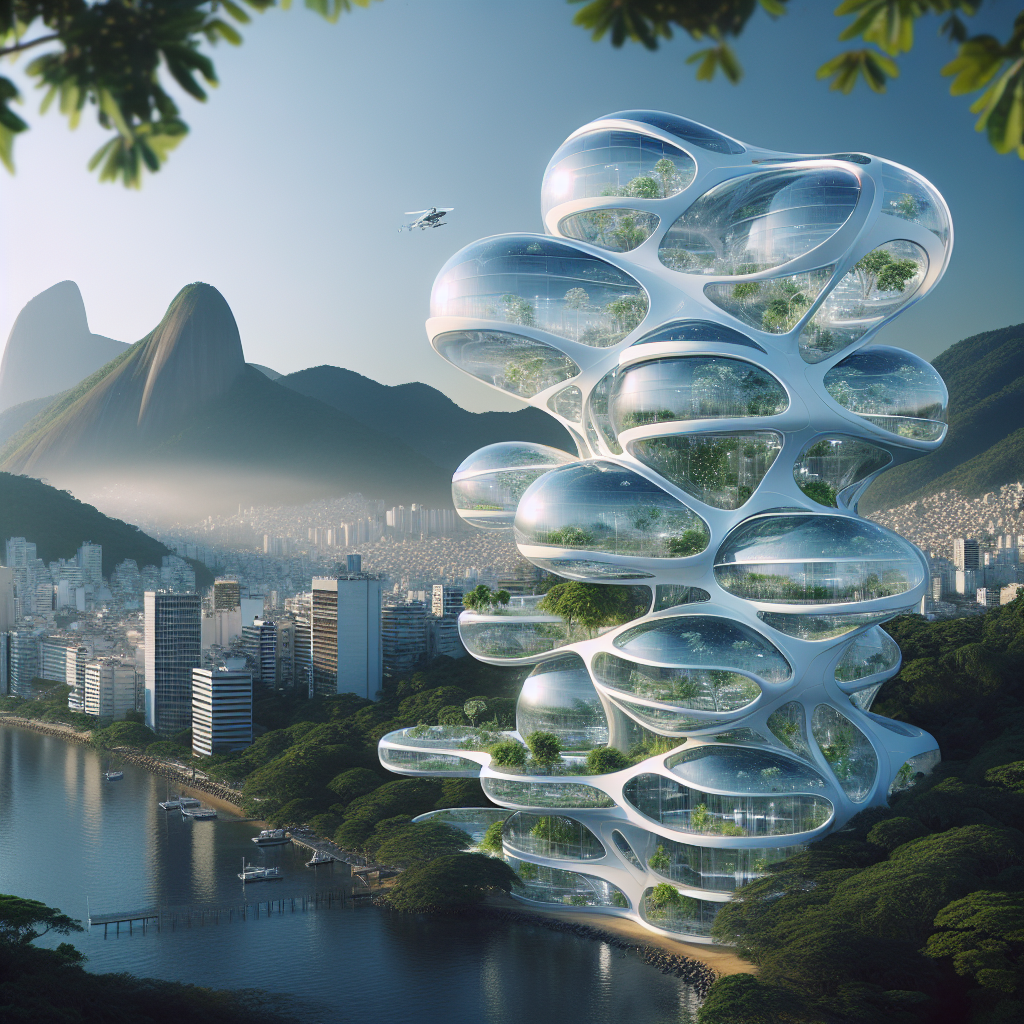
Biomimicry architecture is not merely a trend; it's a transformative approach redefining how we construct and interact with our surroundings. Take the Biomimetic Office Building in Zurich, Switzerland, as a prime example. Crafted by the visionary team at Exploration Architecture, this marvel is rooted deeply in natural wisdom. By channeling diverse natural elements to influence structural and environmental aspects, this office stands poised to become one of the world's most energy-efficient workplaces. The building seamlessly blends low-energy usage with modern functionality, setting a new standard in sustainable building design. If you're curious about the intricate details, the project can be explored further through Exploration Architecture.
Beyond Conventional Design
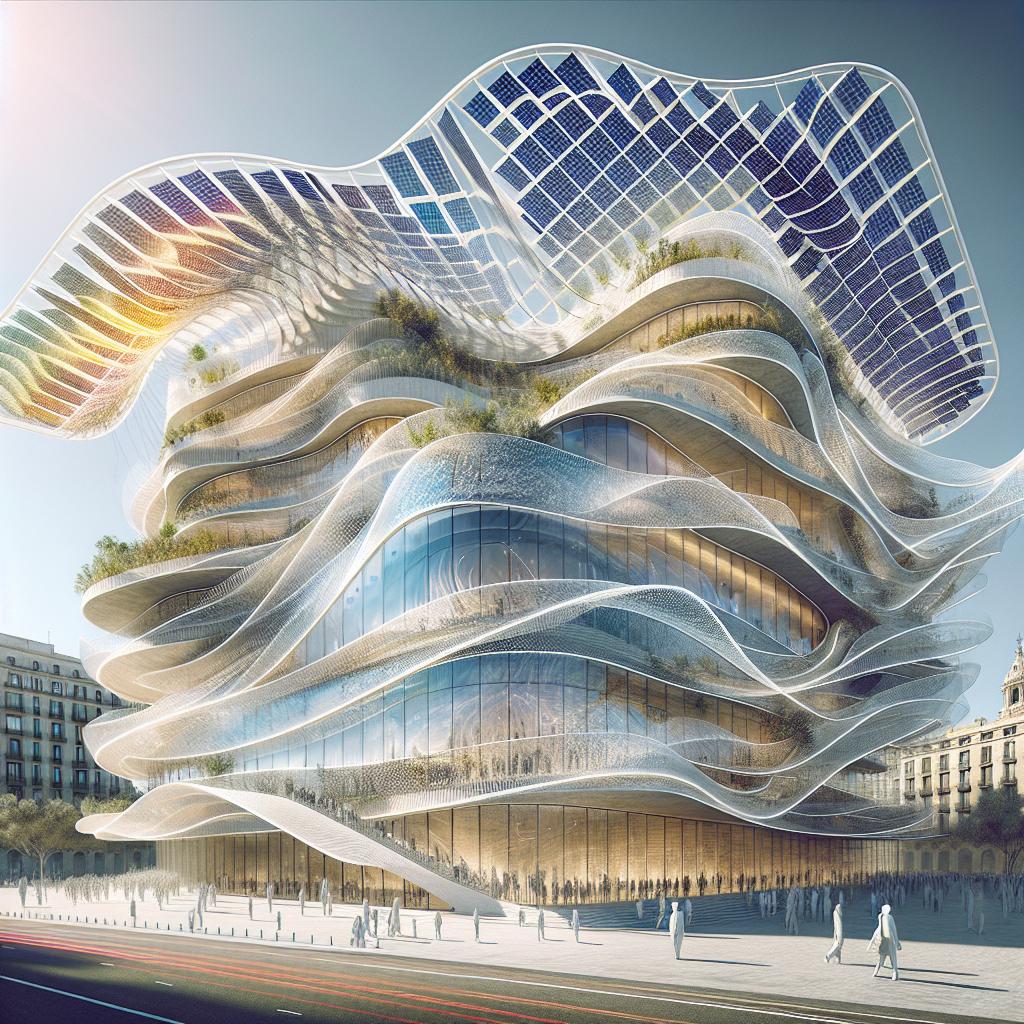
The amazing story of the BUGA Fibre Pavilion in Heilbronn, Germany, unfolds through a synthesis of cutting-edge technology and ancient biological inspiration. Crafted with the precision of robots courtesy of the University of Stuttgart, it resonates with the elegance of beetle wings, showcasing how nature's blueprints can translate into innovative architecture. This pavilion demonstrates a breakthrough in lightweight construction, embracing the resource efficiency that organic forms offer. The blending of fibrous structures and state-of-the-art robotics highlights a future where architecture seamlessly integrates ecological mindfulness with human ingenuity. For a deeper dive into this fusion of technology and nature, the University of Stuttgart provides comprehensive insights.
The Timeless Inspiration of Bone Structures
Turning our gaze to the iconic Eiffel Tower, we uncover a testament to the enduring wisdom embedded in natural anatomy. Gustave Eiffel himself drew from the femur’s structure, particularly its ability to distribute load efficiently while maintaining robustness. Such biological strategies inform the Eiffel Tower's curvatures and trusses, providing remarkable stability and resilience. This approach underscores the tower's design ethos—a structure that captures both human achievement and the sophistication of nature's designs. In essence, the Eiffel Tower is a physical manifestation of nature-inspired engineering that remains an architectural wonder more than a century after its inception.
Join the Conversation
These awe-inspiring examples evoke a deeper contemplation of our built environment's potential. How can we, as creators and consumers, further embrace nature's timeless designs to foster a more sustainable future? I'd love to hear your thoughts, insights, or experiences with biomimicry in the comments below. What natural forms inspire you? How can we integrate these into our lives and cities? Let’s explore these questions together!
For those interested in a broader perspective on how biomimicry serves as a sustainable design methodology, there are resources available that delve deeper into this transformative thinking. Furthermore, biomimicry in nanotechnology showcases these principles at a microscopic level, expanding the boundaries of innovation. To understand more about the philosophical and practical implications, you can explore literature such as The Biomimicry Revolution or visit institutions like The Biomimicry Center at ASU, which leads the way in this exciting field. Lastly, for a quick reference to some practical applications, explore this list of top biomimicry examples in engineering and travel.
Exploring Biomimicry in Architecture through a New Perspective
In the realm of innovative design, biomimicry architecture is revolutionizing the way we approach sustainable building by drawing inspiration from nature's time-tested patterns and systems. This forward-thinking methodology not only lowers energy consumption but also enhances the structural and aesthetic aspects of buildings. To delve deeper into the debate surrounding biomimicry in architecture, the YouTube video titled "Biomimicry: Hoax or Genius?" by DamiLee offers an insightful exploration of the concept, examining both its potential and challenges. This video serves as a thought-provoking resource for anyone interested in understanding how biomimicry is influencing modern architectural design.
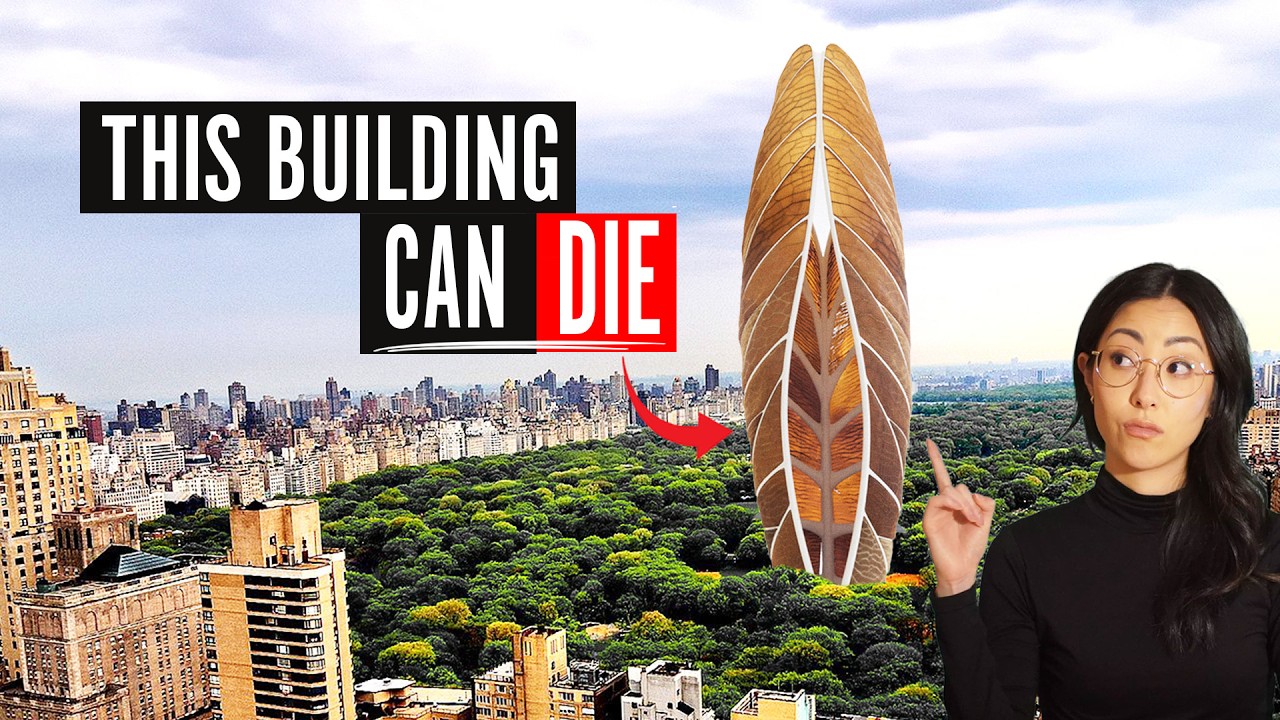
In wrapping up our exploration of biomimicry architecture, it's clear that this innovative design approach isn't just a trend—it's a promising pathway towards a more sustainable future. By learning from nature's genius, architects and designers globally are finding clever, compelling ways to reduce energy consumption and minimize environmental impact. Whether it's emulating the way a termite mound regulates temperature or mimicking the structure of a bird's nest to enhance resilience, biomimicry opens up a world of imaginative possibilities that align with our planet's natural processes.
Stay Inspired and Connected
As we continue to delve into the wonders of biomimicry and its impact on architecture, staying informed and inspired is crucial. If you're as fascinated by these innovations as we are, why not explore more and connect with a like-minded community? For a daily dose of architectural ingenuity and sustainable design ideas, follow our journey on Pinterest at Architecture Adrenaline. We share a plethora of visually stunning projects that make nature's brilliance part of our everyday. Let's embrace this exciting frontier together!
