
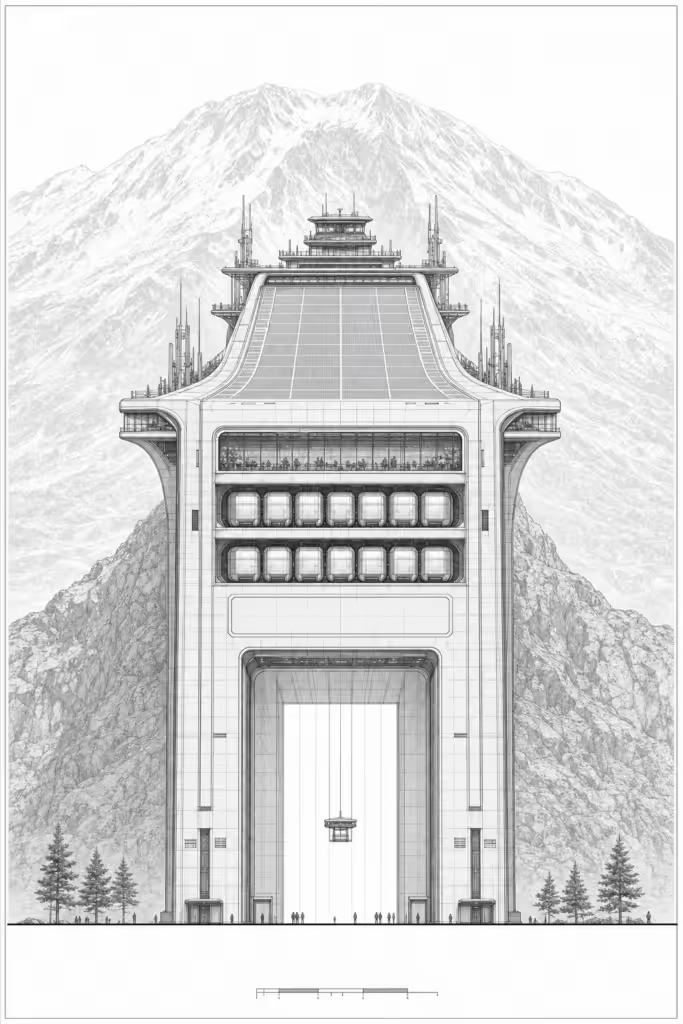
Colossal boarding pass terminal with tiered lounges and barcoded entrance.
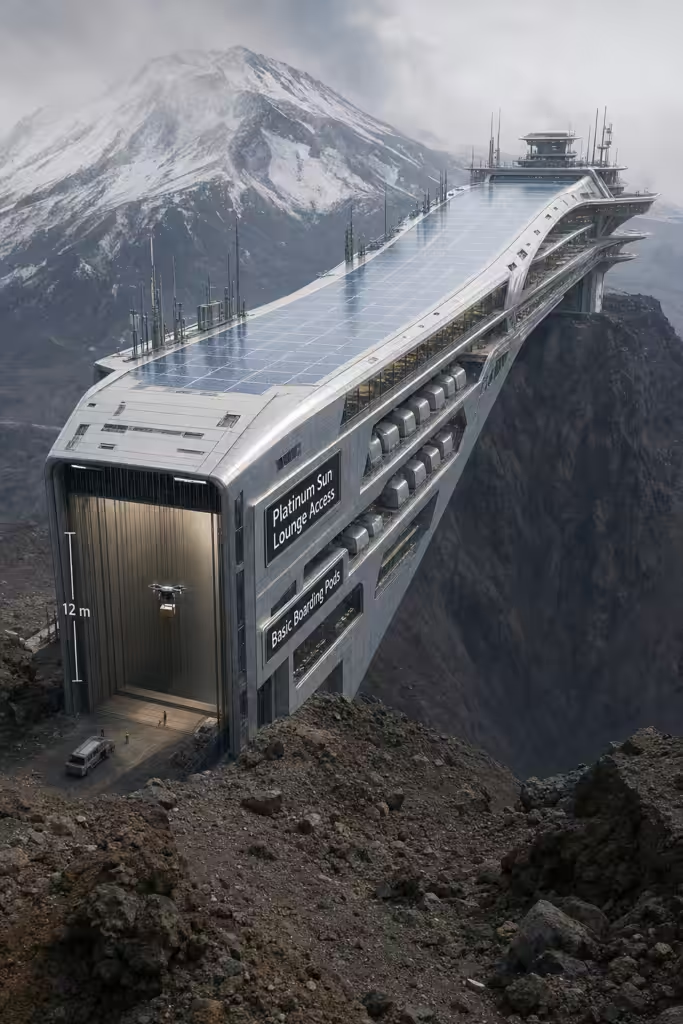
Site: Mount Frequent Flyer (formerly Mount St. Helens, Washington, United States)
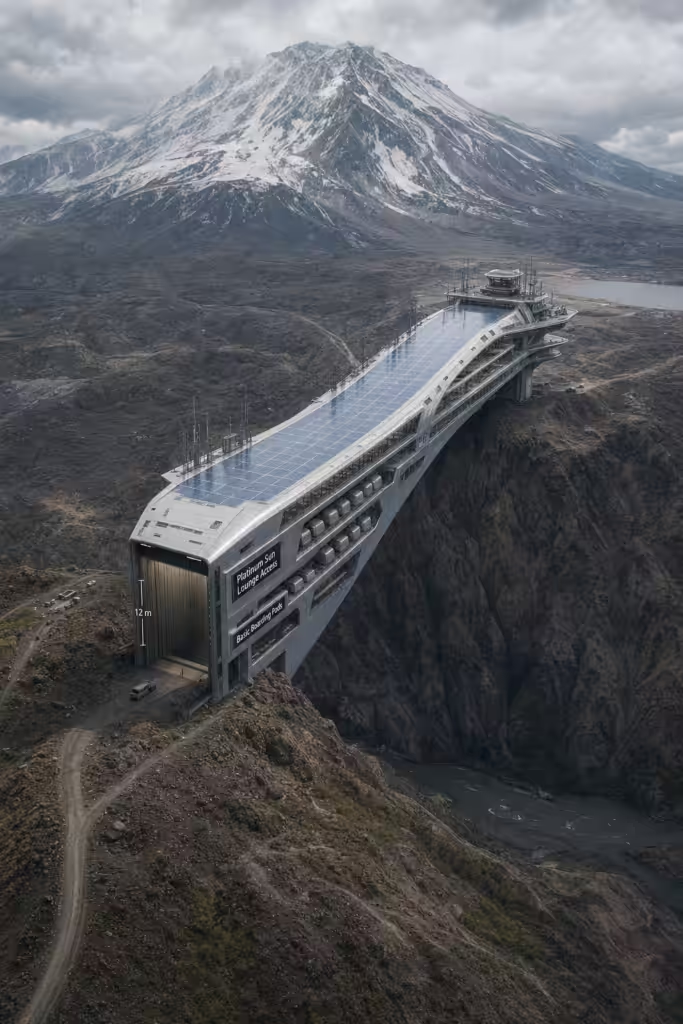
The Site
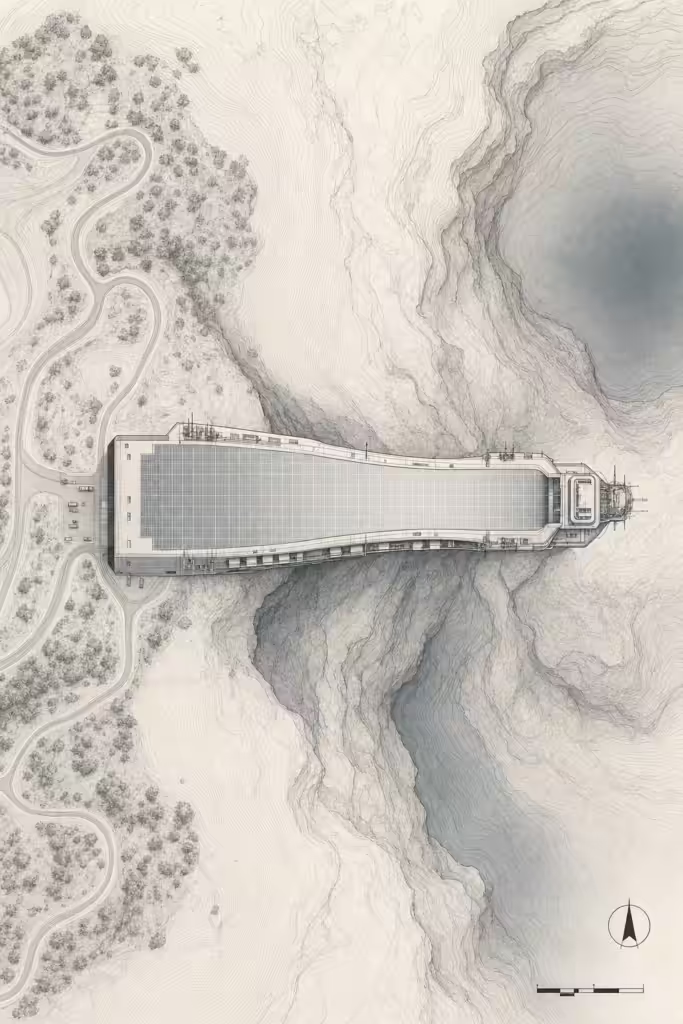
Mount St. Helens, Washington, United States, has already done the difficult part of architecture by providing a dramatic void, a public memory, and weather that arrives with a grudge. The mountain’s north side still carries the blunt geography of the 1980 blast zone, with pumice plains, young forests, and viewpoints where everyone becomes briefly quiet before checking reception.
In the far future, the site is renamed Mount Frequent Flyer, because no landscape is safe from membership language. The volcano remains a volcano. It has simply been asked to support a terminal, a rewards program, and several thousand people who believe Group 2 is a personality.
The Move
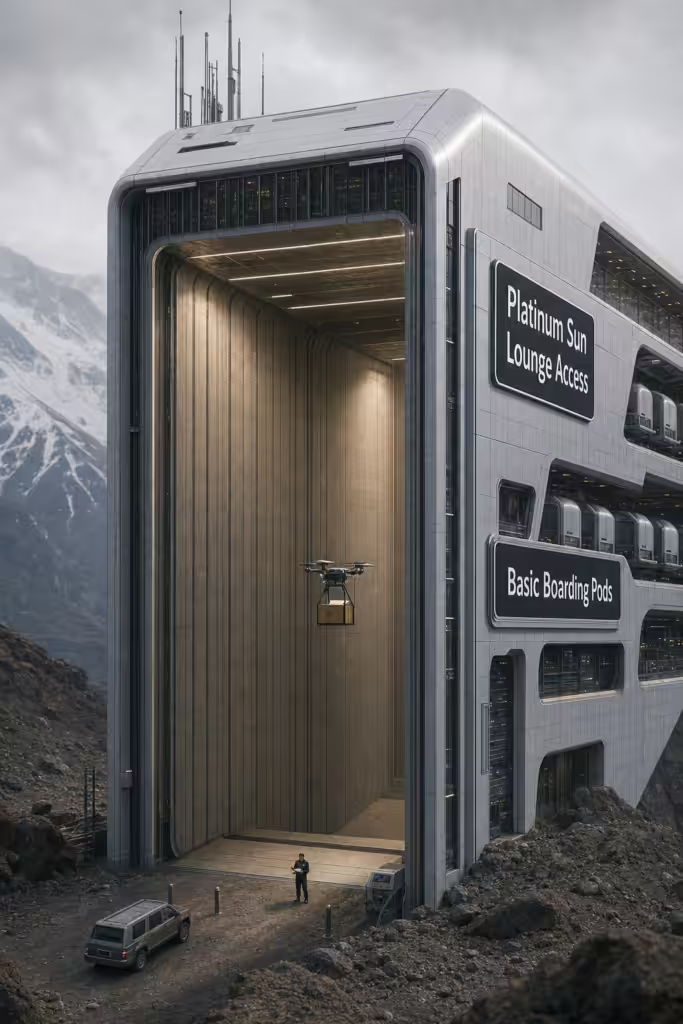
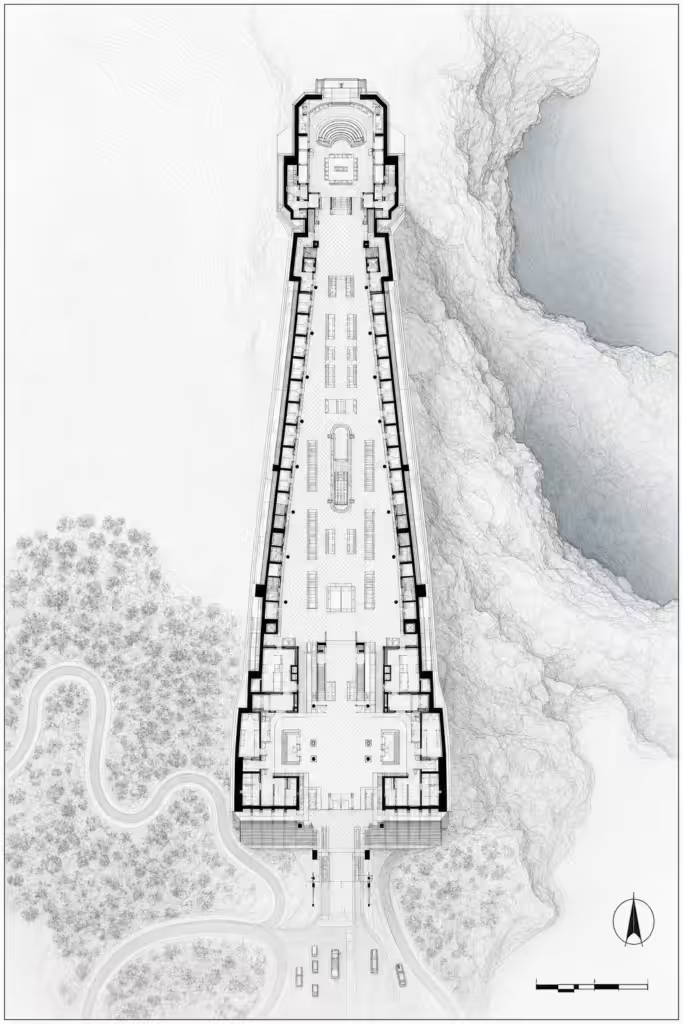
The Boarding Pass Terminal is a 150-meter-tall architectural document stretched across a volcanic chasm. From a distance, it reads as a bridge. Up close, it reads as a receipt for human sorting. The entrance is a 12-meter barcode scanner, scaled to admit passengers, cargo, small vehicles, and anyone with a boarding group printed large enough to become a legal identity.
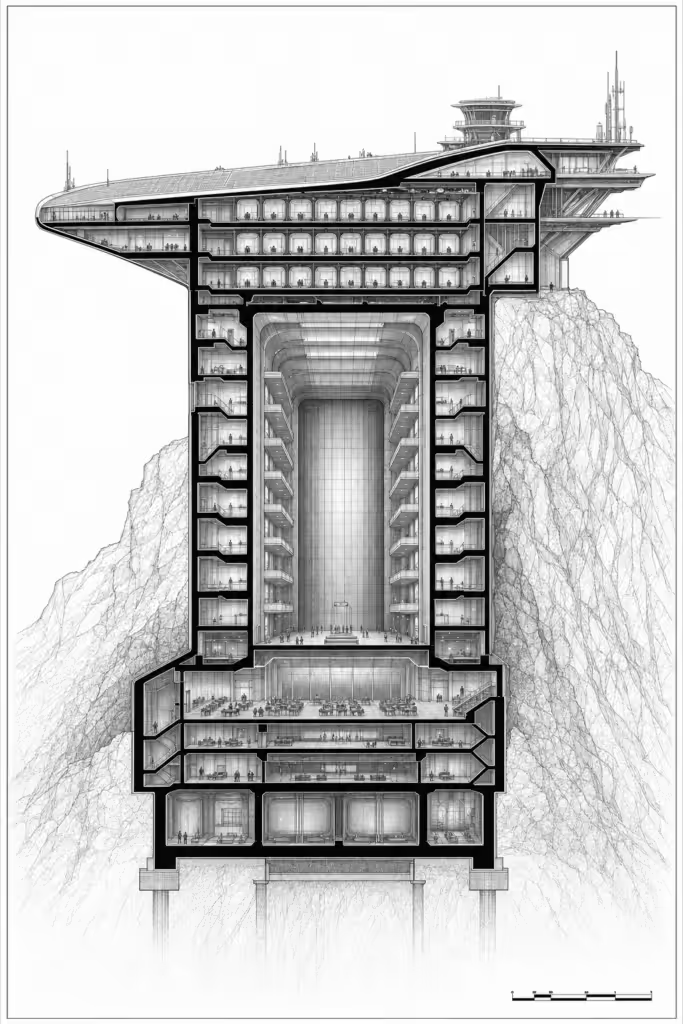
The current airline status arms race is treated here not as a business decision, but as a planning code. Platinum citizens enter through the sunlit side. Basic members circulate through efficient corridors with the emotional warmth of a printer error. The building does not hide inequality. It laminates it.
Material and Structure
The structure uses silver nanocomposite ribs and transparent solar panels, because the future insists every roof must also have a second job. Antennas bristle along the upper edge, communicating with drones, satellites, luggage tags, and one operations manager named Curt who still wants the delivery zone moved six meters west.
The terminal touches the mountain lightly in the way only a colossal object can claim to touch anything lightly. Its bridge-like silhouette spans the chasm with the confidence of an infrastructure project that has never attended a public comment meeting. Wind from the crater pushes against the panels. The building replies with a surcharge.
Inside
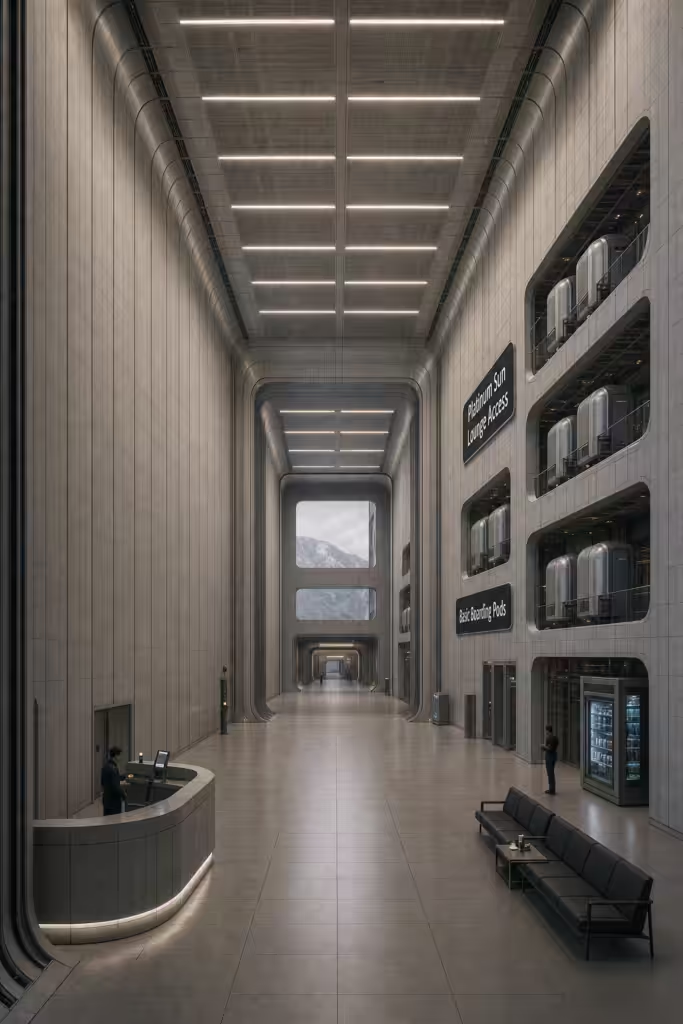
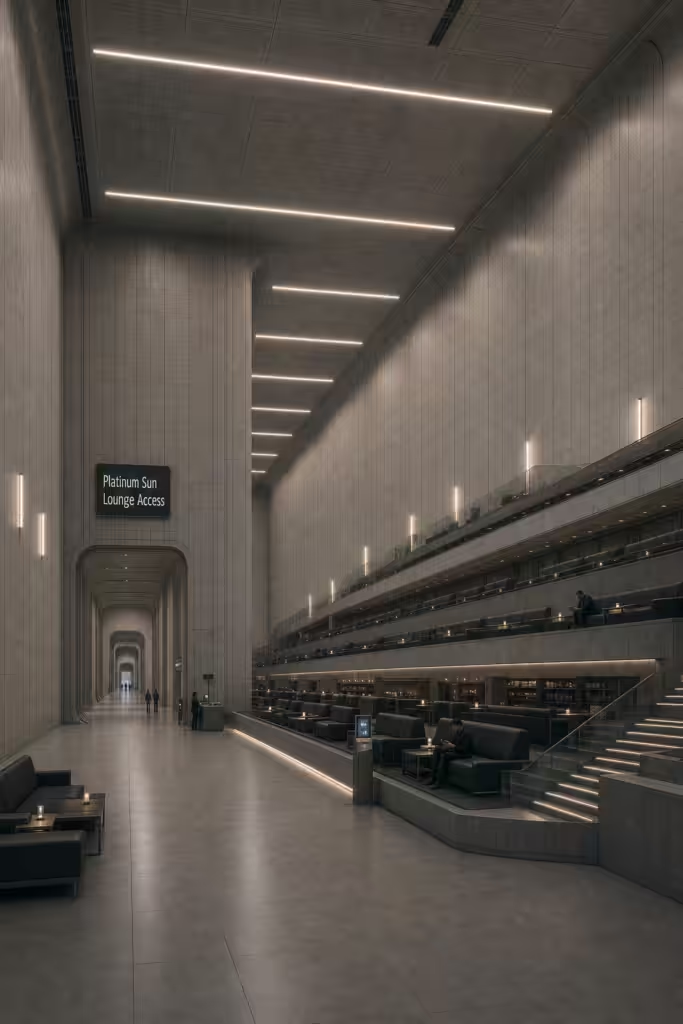
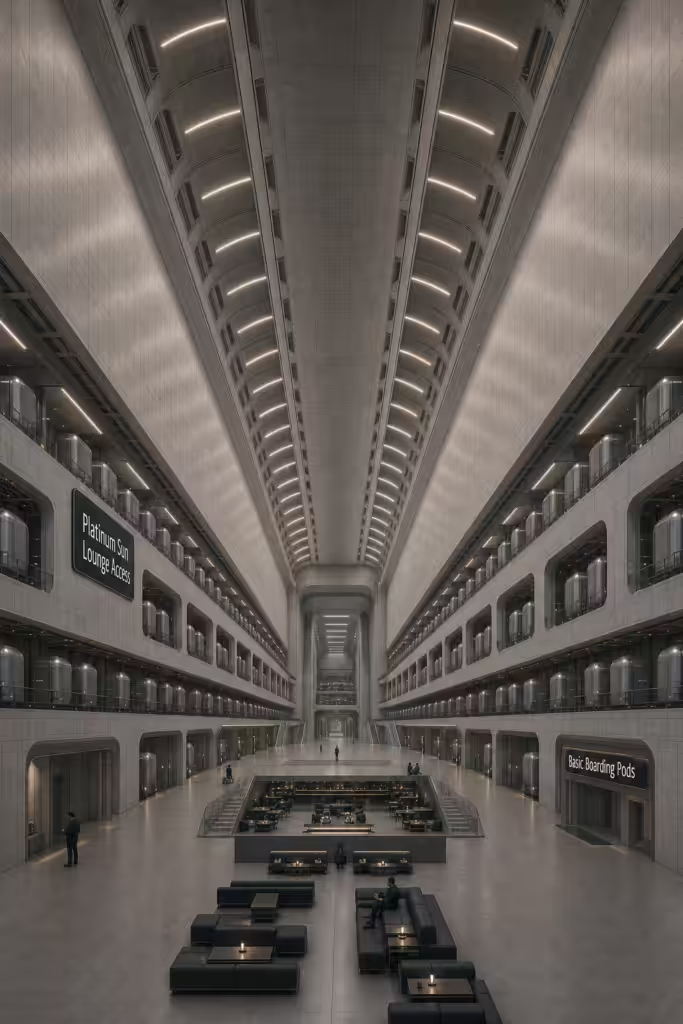
The grand hall is organized around visible tiers. Platinum Sun Lounge Access occupies the upper decks, where daylight is abundant, chairs are not hostile, and the coffee has been described by consultants as “less punitive.” Below that, mid-tier lounges receive filtered light and a polite reminder that almost counts as hope.
At the base are the Basic Boarding Pods: compact, windowless rooms placed near the gate-adjacent circulation spine. They are marketed as restful. They are acoustically optimized for hearing announcements meant for other people. A delivery drone occasionally drops a parcel at the barcode entrance, where a courier with a clipboard records each impact as a customer experience.
The Tradeoff
The Boarding Pass Terminal offers one genuine efficiency: nobody is confused about their place in the system. The architecture makes the social contract legible, then charges for a better font. Security is simple. Zoning is enforced by boarding group. Daylight becomes an amenity, silence becomes premium, and dignity is bundled with lounge access.
For Mount St. Helens, the tradeoff is stark. The site gains a futuristic terminal, renewable surface area, and a new identity as Mount Frequent Flyer. In exchange, it must host the final evolution of airport logic: a city where everyone is technically moving, but only some people are allowed to arrive.
Inside
Drawing set
A speculative concept by Architecture Adrenaline. Not a real building.