
Yes. You can paint particle board furniture; with careful edge sealing, a bonding primer, and thin multiple topcoat passes the finish will adhere and resist swelling, peeling, and telegraphing.
Why Particle Board Needs Different Treatment
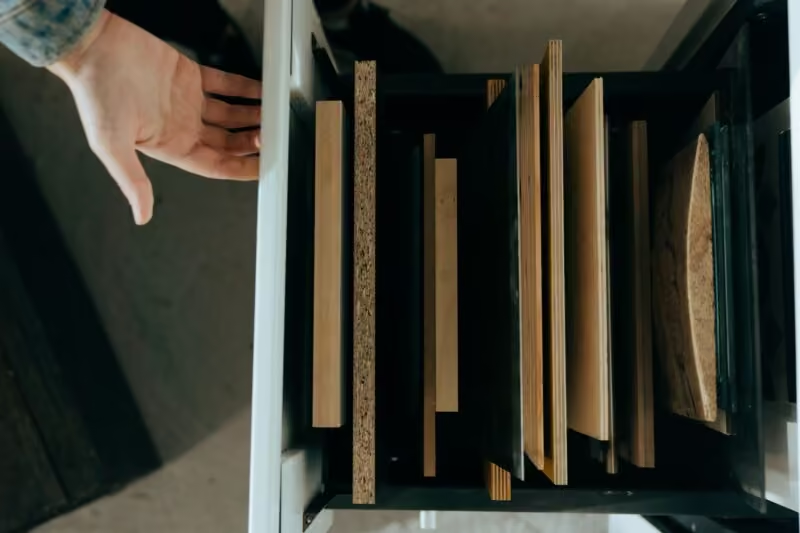
Particle board is an engineered panel made from wood particles and resin; exposed cut edges, laminated skins, and melamine faces respond differently from solid wood. Edges wick moisture and finish materials rapidly, while melamine and laminate faces are nonporous and resist adhesion. Treat edges, faces, and joints with distinct products and workflows to avoid differential movement and visible failures.
Five Pro Tips to Follow
- Seal exposed edges first. Brush one coat of shellac or a shellac-based primer onto every cut edge before priming faces to block rapid absorption and reduce edge swelling.
- Use a bonding primer on slick surfaces. For melamine, laminate, or factory-finish faces use a primer formulated for adhesion to nonporous substrates; trade-tested options include INSL-X STIX and equivalents.
- Apply thin, multiple coats. Two or three thin topcoat passes produce a more durable film and prevent runs and orange peel more reliably than a single heavy coat.
- Choose a hard, compatible topcoat. For heavy-use pieces prefer waterborne alkyds or trim-grade enamels; these have better abrasion resistance than chalk paint and work well over properly primed particle board.
- Spray for flat panels when possible. Spraying yields uniform laydown on doors and drawer fronts; if brushing, use a high-quality angled brush and keep each coat thin.
Practical Prep Workflow
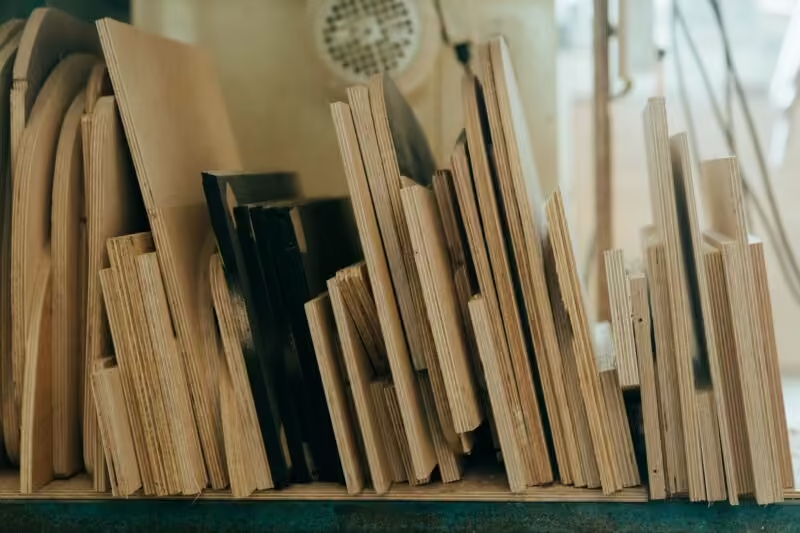
Follow a repeatable sequence: remove hardware, clean with a degreaser or sugar soap, scuff glossy surfaces with 220-grit or a liquid deglosser, and fill large edge voids with a fast-dry filler. Sand raw faces lightly with 120-180 grit to remove sheen without opening the core excessively. Vacuum and wipe with a tack cloth before sealing or priming to avoid trapped dust and adhesion failures.
Primer and Topcoat Choices
Primer choice controls adhesion and stain blocking. For raw particle board, shellac or oil-based primers seal the core and prevent tannin or resin staining. For laminated or melamine-faced pieces, use a bonding primer expressly labeled for laminate. When selecting a topcoat, match the product to use: water-based acrylics for low-traffic furniture, waterborne alkyds or conversion varnish for kitchen cabinets and heavy-use casework.
For DIYers shopping primers, a suitable search term is primer for particle board. For broader method guidance, see our primer and room-painting workflow in How To Paint A Room Like A Professional, which explains film build and sanding strategies applicable to furniture and cabinetry.
How to Seal Edges Correctly
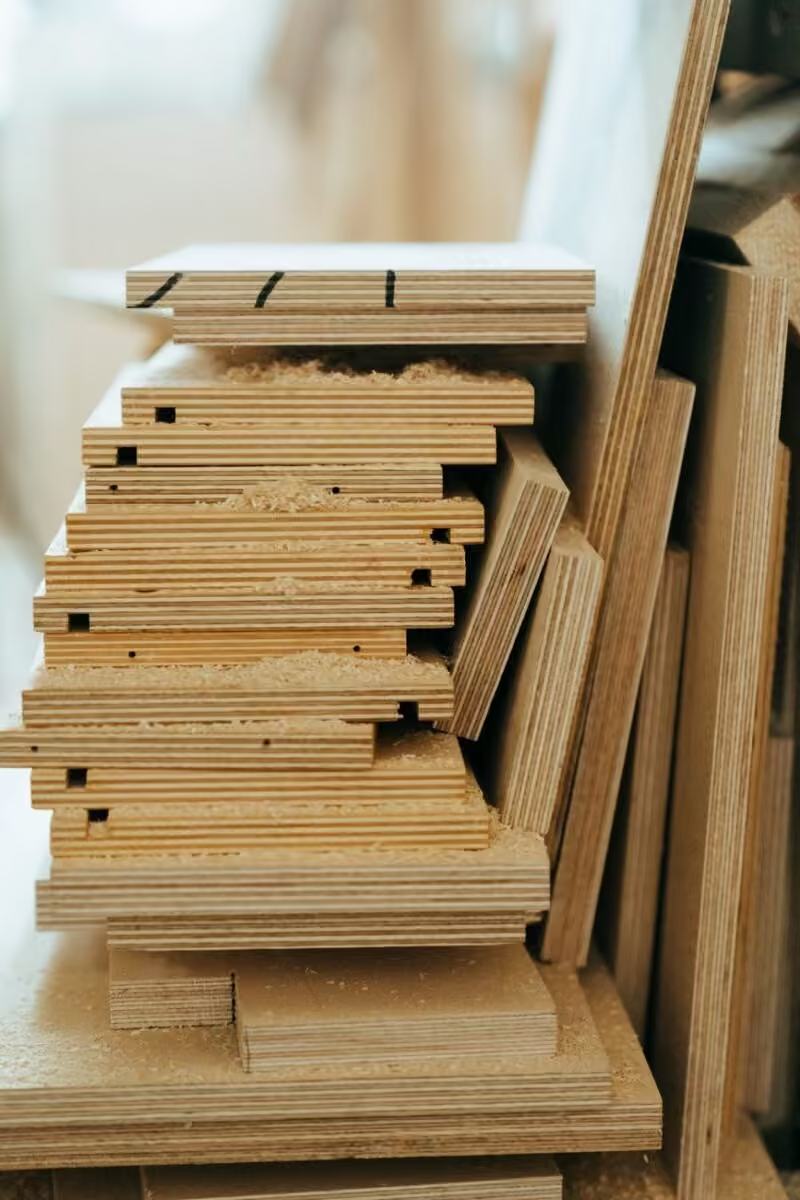
Edges drive most failures. Brush one coat of shellac-based sealer or a heavy-build bonding primer onto every exposed cut edge, allow full dry time, then sand very lightly and spot-prime again. Keep topcoat layers thin through the edge zone to prevent trapping moisture or causing differential movement. For heavily used cabinets add a final hard edge coat of compatible water-based polyurethane or polycrylic for abrasion resistance.
When Chalk Paint or Spray Paint Works Best
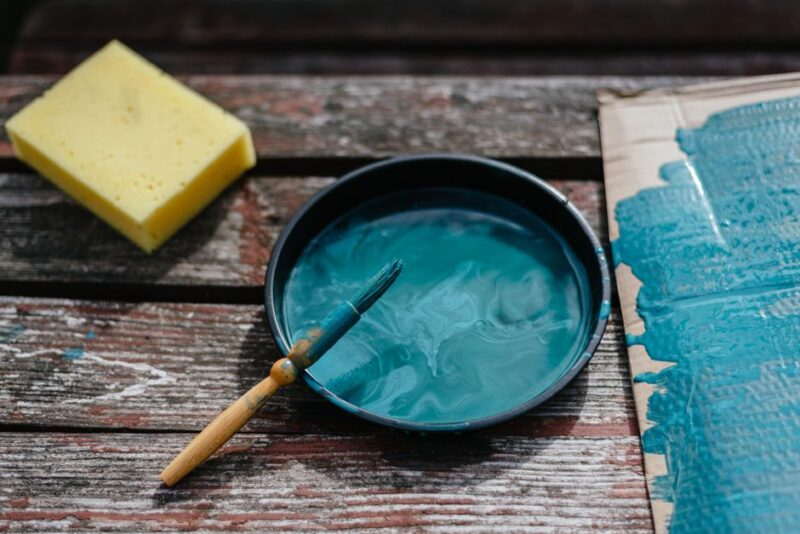
Chalk paint covers with minimal prep but remains softer than enamel; always prime or at least scuff first and add a durable clear coat for kitchen or high-traffic pieces. Spray paint gives the smoothest results for flat particle board panels; hold the gun or can 8-12 inches away and apply 2-3 light passes, allowing flash-off between passes to avoid runs.
Step-by-Step Example: Painting a Particle Board Table
- Remove legs and hardware; clean surfaces and dry completely.
- Lightly scuff faces and sand cut edges to remove loose fibers.
- Fill chips and voids; sand smooth after cure.
- Seal every exposed edge with shellac or an edge sealer; let dry fully.
- Apply a bonding primer to faces and edges; allow full cure and sand with 220 grit.
- Apply two thin coats of paint, sanding lightly between coats if needed.
- Seal with a compatible topcoat: polycrylic for waterborne paint or conversion varnish for maximum durability.
- Reassemble only after the full cure times listed on product labels.

Quick Troubleshooting Guide
- Peeling paint. Usually adhesion failure. Scuff, apply a bonding primer, and repaint.
- Edge swelling. Remove the swollen area to sound stock, seal edges thoroughly, and refinish with thin coats.
- Brush marks or orange peel. Sand between coats, use thinner coats, or switch to spraying for an even finish.
Finish Choices Compared
| Use Case | Recommended System |
|---|---|
| Low-use furniture (side table, bookshelf) | Surface scuff, bonding primer, two water-based acrylic coats, polycrylic |
| Kitchen cabinets or heavy-use casework | Edge sealing, bonding primer, waterborne alkyd or conversion varnish, sprayed thin coats |
| Laminate or melamine panels | Liquid deglosser or light sanding, bonding primer for laminate, enamel topcoat |
Health, Materials, and When Replacement Is Better
Particle board can emit formaldehyde, particularly when new or stored in warm, humid conditions. For health and safety guidance about pressed-wood emissions and ventilation strategies consult the U.S. EPA summary on formaldehyde and indoor air quality What should I know about formaldehyde and indoor air quality? | US EPA. Academic literature also raises questions about long-term exposure from some pressed-wood products; see the PubMed overview Is particle board in the home detrimental to health? - PubMed. If a piece shows extensive delamination, soft core, or multiple damaged edges, replacement is usually the more durable and safer choice.
When Particle Board Is the Right Choice
Particle board is economical and accepts paint well when prepared correctly. For cabinet-material comparisons and to decide whether particle board suits a project, review our material comparison in OSB Vs Particle Board and the cabinet-materials guide Kitchen Cabinet Materials: Top Choices for Your Dream Space. These pages explain tradeoffs in moisture resistance, fastener holding, and long-term maintenance that affect whether painting or replacement is the better long-term decision.
Related Techniques and Primer Notes
Primer selection and sanding technique influence the final result more than paint brand. For decorative finishes that require strong adhesion, our guide on surface-prep and priming techniques in faux finishes illustrates why primers matter; see the article on Faux Stone Paint for primer-driven adhesion strategies that transfer to particle board projects.
Sources and Further Reading
Manufacturer documentation and measured studies informed these recommendations. For stepwise DIY sanding, priming, and sealing methods consult the practical tutorial linked within the article, and consult product technical data sheets before specifying primers or topcoats for cabinets and heavy-use furniture. For primer shopping, search for a primer for particle board and read the manufacturer’s technical data sheet for cure times and substrate compatibility.
Our Product Pick
Nuvo Plus Cabinet Paint Kit (Celadon Cove) is one option to look at if you want a ready-made tool for this job. As an Amazon Associate we earn from qualifying purchases.
Related Video
Painting particle board furniture can transform its appearance and extend its life, making it a practical choice for budget-conscious homeowners. Proper preparation is key, including cleaning, sanding, and applying a suitable primer before painting. Choosing the right type of paint will ensure a better finish and durability.
More from Architecture Adrenaline
For additional tips and inspiration on home projects, check out posts on our social channels. You can follow us on Instagram for more ideas and updates.