
Choosing a Shower Tile Contractor: Top Tips for Homeowners helps you avoid leaks, uneven tile, and costly callbacks by focusing on the right questions, verification, and contract details before any work begins. Before any tile work begins, obtain the necessary permits as described here: Permits for Homeowners – Hillsborough County. This consolidated guide merges solid guidance from two strong sources, adds practical research-backed insights, and preserves valuable images and media to empower you to hire confidently. For durable installation, follow professional standards such as the 2026 TCNA Handbook for Ceramic, Glass, and Stone Tile Installation: 2026 TCNA Handbook for Ceramic, Glass, and Stone Tile Installation, and the official standards reference: 2026 TCNA Handbook – ANSI Web Store. A concise overview of why the TCNA Handbook matters for shower enclosures can be found here: TCNA Handbook overview – Ceramic Tile Foundation.
| Decision Factor | What to Verify | Why It Matters |
|---|---|---|
| Licensing & Insurance | Active license number; Certificate of Insurance for general liability and workers’ comp | Protects you from liability and verifies professional standing |
| Waterproofing Method | Membrane type (sheet vs liquid); pan and drain approach | Primary defense against leaks; must be written into the contract |
| Portfolio & References | Similar shower projects; contactable past clients | Shows real-world performance and workmanship quality |
Why a Shower Tile Contractor Matters More Than Tile Style
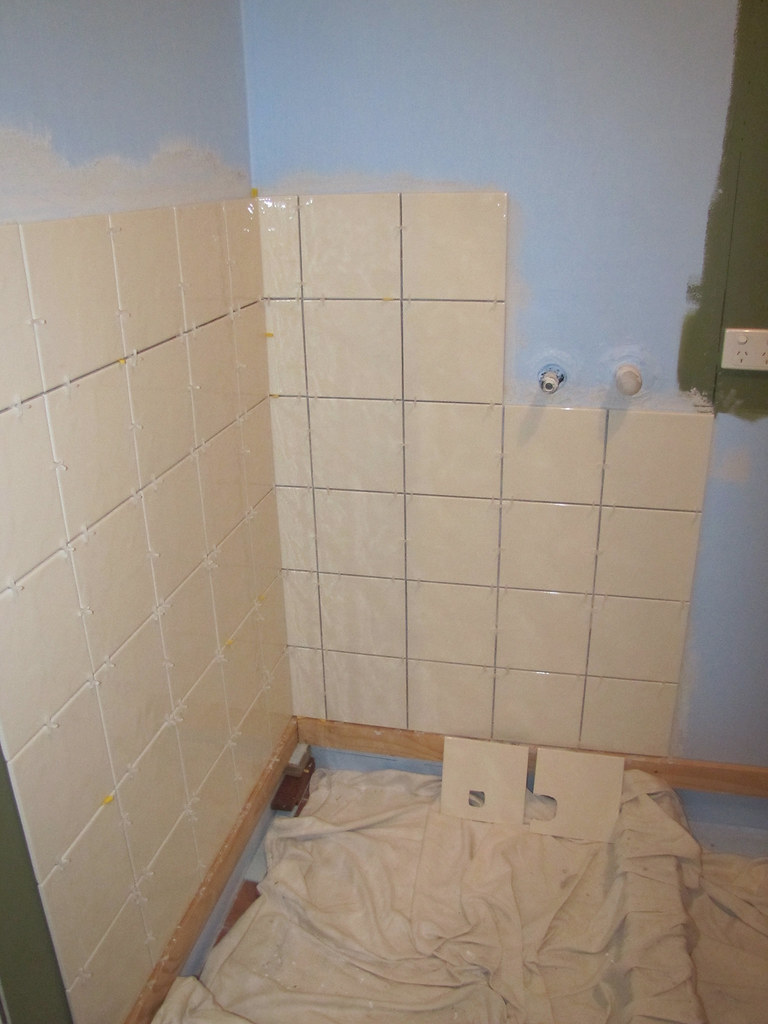
Tile aesthetics are important, but the installed system behind the tile determines performance. The leading failures come from insufficient waterproofing, improper slope, inadequate mortar coverage, or grout choices that don’t support movement joints. A qualified contractor understands tile as part of a complete system—substrate, waterproofing, drain slope, and proper sequencing to keep waterproofing continuous and inspectable. Read more on tile installation basics: How To Tile A Shower Wall.
Essential Questions To Ask Before Hiring
Get these questions answered in writing before you sign a contract. They directly impact long-term performance and costs.
- What waterproofing system will you install (brand, sheet vs liquid, installation guidelines)?
- Will you install a preformed pan (Tile Redi or similar) or build a traditional mortar/liner pan?
- Can you provide a copy of your license and certificate of insurance?
- Do you offer a written workmanship warranty? What does it cover and for how long?
- Can you show photos of completed projects like mine and provide references?
Red Flags to Watch For During Interviews
Early warning signs can save you from costly headaches later:
- Reluctance to share insurance certificates or license numbers
- Vague answers about waterproofing or “we always use cement board” without specifics
- No portfolio of completed showers or references you can contact
- Unusually low bids that don’t itemize materials and labor, especially for waterproofing and pans
- Pressure to sign immediately or make large cash deposits
Verify References And Past Work
References are practical intelligence you can verify. Contact at least three recent clients who had similar showers done and ask about schedule, budget adherence, leaks, cleanliness, and communication. When possible, visit a completed job to inspect grout joints, alignment, and curb/niche transitions for craftsmanship and attention to detail. For broader guidance on selecting a contractor, readers can review the Architecture Adrenaline resource: Choosing a Shower Tile Contractor.
Waterproofing, Pans, And The Details That Prevent Leaks
Waterproofing is the technical core of a tiled shower. Common approaches include:
- Sheet membranes installed under the substrate
- Liquid-applied membranes (rolled or troweled)
- Factory preformed pans (Tile Redi-style bases) with integrated slope and drain
Each method has trade-offs. Preformed pans reduce slope errors but still rely on correct flashing and substrate compatibility. Liquid and sheet membranes offer layout flexibility but require meticulous seam work and proper trim integration. Ensure the contractor references manufacturer guidelines and includes the chosen method in the contract. For practical installation guidance, see TCNA Handbook overview and the 2026 TCNA Handbook as your standards baseline.
Materials, Grout, And Their Impact On Longevity
Material choices influence durability and maintenance. Consider:
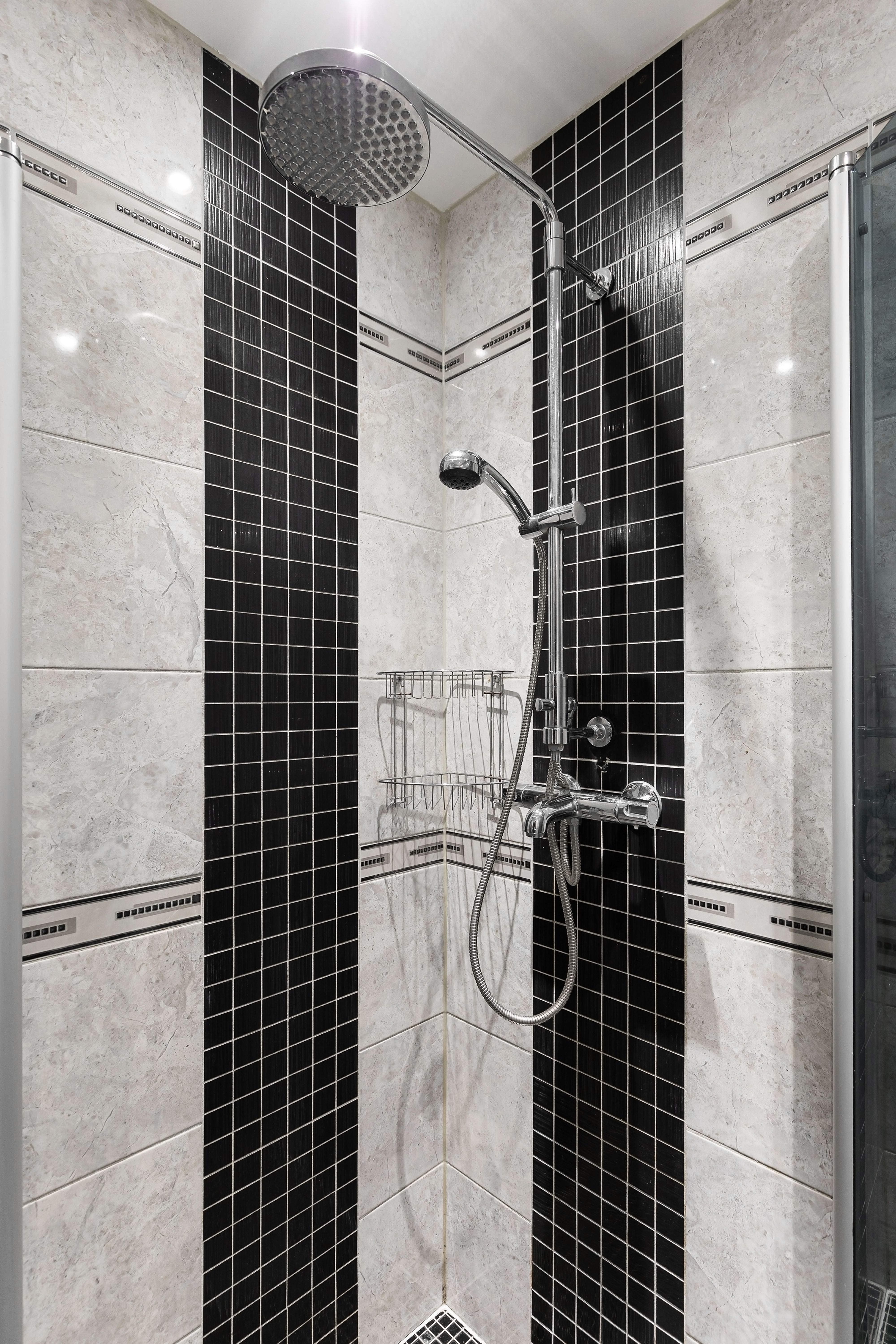
- Porcelain vs ceramic: Porcelain is denser and typically better for wet areas; ceramic is often suitable for walls but less robust on floors.
- Large-format tiles: Fewer grout lines but demand substrate flatness and skilled back-buttering for full mortar coverage.
- Grout options: Epoxy grout offers water and stain resistance but can be harder to install and repair; cementitious grout is easier but may require sealing.
A capable contractor will assess compatibility among tile, adhesive, and grout and flag any extra substrate prep needed for your tile choice. For an installation standards reference, consult the 2026 TCNA Handbook and related resources above.
Costs, Bids, And How To Compare
Costs vary by region, tile type, and complexity. Typical ranges break down as follows:
- Materials (tile, adhesive, grout, waterproofing products): $3–$25 per sq ft
- Labor: $4–$12 per sq ft for straightforward installs; higher for mosaics, large-format tiles, or complex layouts
Compare bids line-by-line with the same scope: substrate prep, waterproofing method, tile setting method, grout type, finish schedule, cleanup, and warranty. Beware of low bids that skip critical waterproofing details or pan work. When selecting tools for tile work, a starter kit can be helpful: tile installation kit and tools.
10 Mistakes Homeowners Make When Picking TILE!
- Choosing on price alone without evaluating scope and materials
- Failing to verify licensing and insurance
- Not insisting watermarking/waterproofing details be written into the contract
- Using large-format tiles without discussing substrate flatness and back-buttering needs
- Assuming grout alone waterproofs a shower
- Ignoring drain placement and slope, leading to pooling
- Not obtaining references from similar shower projects
- Allowing substitutions of cheaper materials without consent
- Neglecting to confirm warranty length and coverage
- Rushing waterproofing cures or grout set times
Locally Focused Searches: Finding The Right Fit
When searching for “shower tile installers near me,” verify local credentials and familiarity with local codes. Check state contractor licenses, read recent local reviews, and prioritize in-person references from nearby clients who had showers installed. Discuss any jurisdiction-specific requirements for pans or inspections before signing. For broader interior-tile context, readers may explore related Architecture Adrenaline pieces such as Tiling a Shower: A Step-by-Step Guide for DIY Enthusiasts.
Contract Essentials For A Solid Agreement
Turn the contract into a working document. Include:
- Detailed scope: demo limits, substrate prep, waterproofing method, pan/drain type, tile layout, grout type, and finish timeline
- Payment schedule: small deposit, milestones, final punch-list completion
- Workmanship warranty: explicit duration and what triggers service
- Change-order process: pricing and approval workflow for scope or material changes
Specialists: Replacement, Repair, Or Custom Showers
Not all tile pros are equal. Seek specialists for:
- Shower tile replacement where existing waterproofing may be compromised
- Complex custom showers with curves, mosaics, or large-format slabs
- Renovations involving structural work or plumbing re-routing
Specialists typically provide detailed proposals with risk assessments and access considerations, ensuring the project stays on track even when surprises arise. For further guidance on contractor selection, consider referenced internal resources such as Choosing a Shower Tile Contractor.
Practical Preparations Before Work Begins
Small upfront steps save headaches later. Actions to take:
- Verify dye lots, calibers, and rectified vs pressed edges to minimize color and size variation
- Ask the contractor to mark waterproofing seams on-site and photograph inspected seams before tiling
- Clarify drain cover style; decorative drains may require special clamps or higher costs
- Build in buffer time for waterproofing cure, grout setting, and movement accommodation joints
After Installation: What To Inspect And Document
At handover, review these items and document them. This helps you ensure the job was completed to standard and ready for warranty coverage:
- Continuous waterproofing coverage in niches, curbs, and drain connections (with photos)
- Even grout joints and proper tile alignment
- Correct slope toward the drain with no visible pooling
- Manufacturer cut sheets for waterproofing products and any warranties
Request a punch-list walkthrough and sign off only after corrections are completed.
Want more detail or have a firsthand experience hiring a shower tile contractor? Share your tips, questions, or a recent project in the comments to help other homeowners navigate the process with confidence.
4 Tips to Properly Select a Contractor:

Choosing the right shower tile contractor can feel overwhelming, but it’s a crucial step in ensuring your bathroom renovation goes smoothly and stylishly. Remember, communication is key—don't hesitate to ask questions and express your preferences. This project requires a skilled professional who understands your vision, so take your time in making your choice. By following the tips provided, you’ll feel empowered to select a contractor who can help bring your dream bathroom to life!
Stay Connected for More Inspiration!
As you embark on this exciting renovation journey, remember that the right contractor can make all the difference. Don't forget to stay updated on the latest trends and tips by following us on social media! Join our community on Instagram for daily inspiration and guidance—you won’t want to miss it! Happy tile hunting!
