
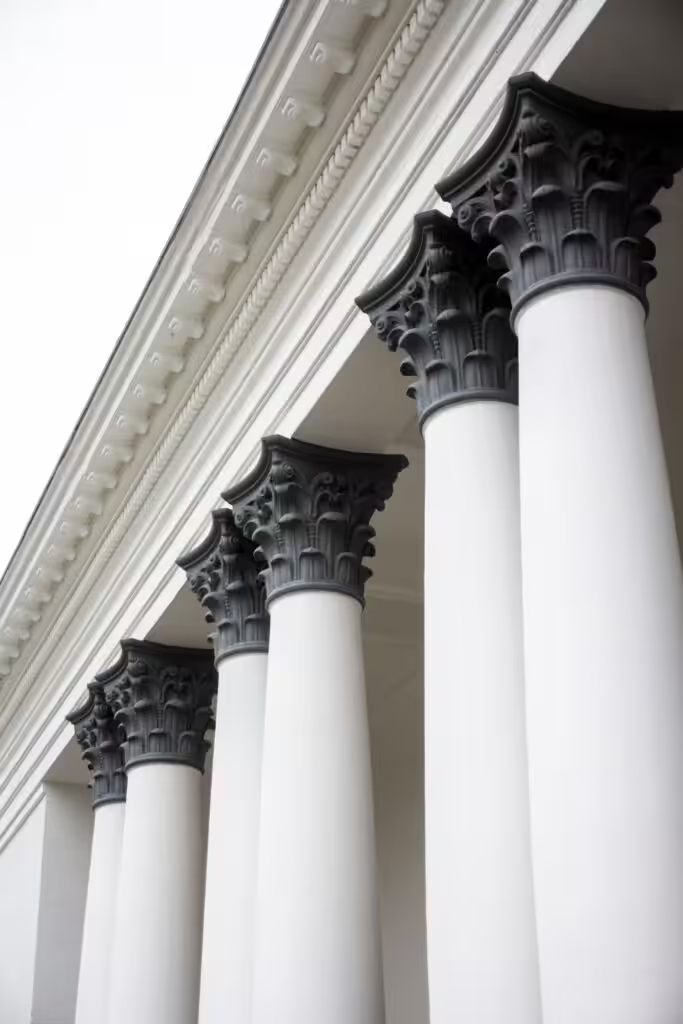
Classic Revival By Caribbean Architects: A Fusion of Cultures explores how architects across the Caribbean and its diaspora reinterpret European classical vocabulary—columns, pediments, symmetry—into buildings that respond to climate, materials, local crafts, and layered colonial histories. While the form draws on neoclassical legacies, the Caribbean adaptation is unmistakably place-based, climate-responsive, and culturally infused. For a broader scholarly context, see Architecture and Empire in Jamaica (Yale University Press), which illustrates how Caribbean architectural forms in Jamaica emerged from Atlantic imperial networks and local adaptation.
| Aspect | Caribbean Context | Why It Matters |
|---|---|---|
| Geographic Scope | Puerto Rico, Cuba, Jamaica, Trinidad, Hispaniola, diaspora communities | Shows how global classical language is variably adapted to tropical climates and local settlements |
| Core Elements | Verandas, high ceilings, cross-ventilation, neoclassical orders | Balanced aesthetics with practical shading and ventilation strategies for comfort and resilience |
| Contemporary Voices | Local firms, returning diasporic designers, scholars like Dahlia Nduom | Frames heritage-aware renovation and new builds that feel rooted and functional |
What the Hybrid Language Really Means
The fusion is not mere ornament. Caribbean practitioners reference neoclassical vocabulary (columns, cornices, orderly façades) and adapt proportion, rhythm, and formal language to tropical life. This approach negotiates climate, land use, and social practice, turning imported forms into regionally meaningful architecture that serves everyday life as well as ceremonial public presence. See Caribbean architecture as a broader regional dialogue, including Jamaica, at Caribbean Architecture.
Foundations: Historical Roots and Local Re-Translations
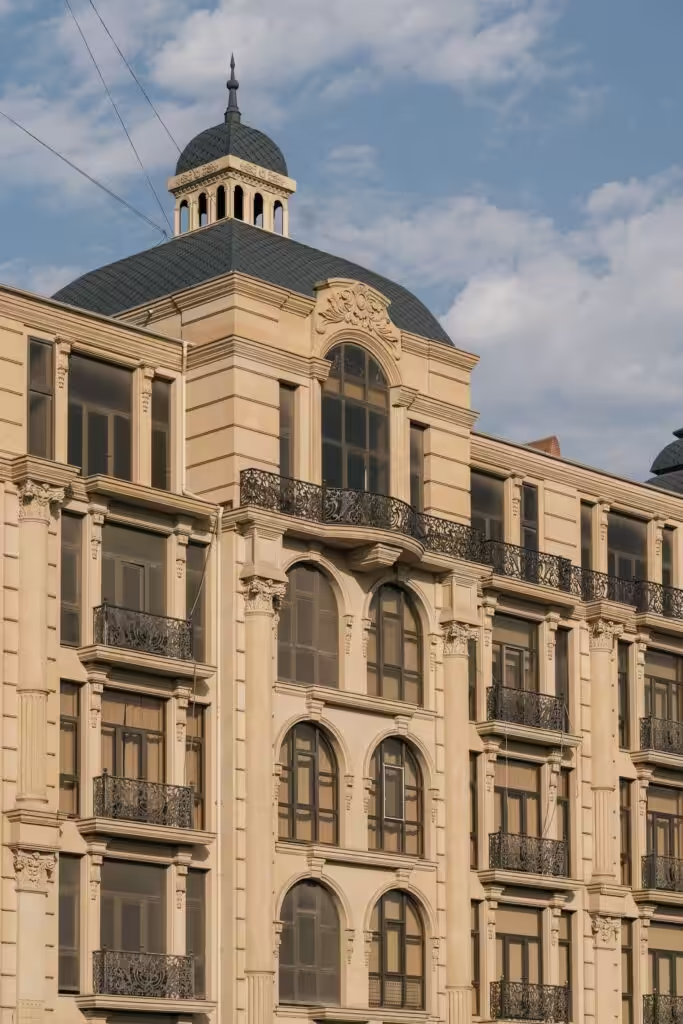
Classical vocabulary arrived with colonial administrations and later became markers of civic authority in port cities such as Ponce, Havana, and Port of Spain. Local builders reinterpreted these motifs using timber verandas, louvered shutters, raised foundations, and decorative ironwork—creating a vernacular hybrid that preserved symbolism while solving climate and hazard challenges. For a deeper scholarly framework on syncretism in Caribbean architecture, consult Creole and vernacular architecture: embryonic syncretism in Caribbean cultural landscape.
Proportions Refigured for Climate and Use
In Caribbean adaptations, generous porch depths, taller ground-floor ceilings, and extended eaves are common. While vertical markers like columns persist, horizontal spans are interrupted by cross-ventilating openings and screened galleries. The result is a façade that honors classical order while prioritizing shade, ventilation, and outdoor living as everyday realities. The broader historical framework for these ideas is reinforced by scholarly resources such as The Architectures of Black Identity: Buildings, Slavery, and Freedom in the Caribbean and the American South.
Materials, Craft, and Local Translation of Classical Forms
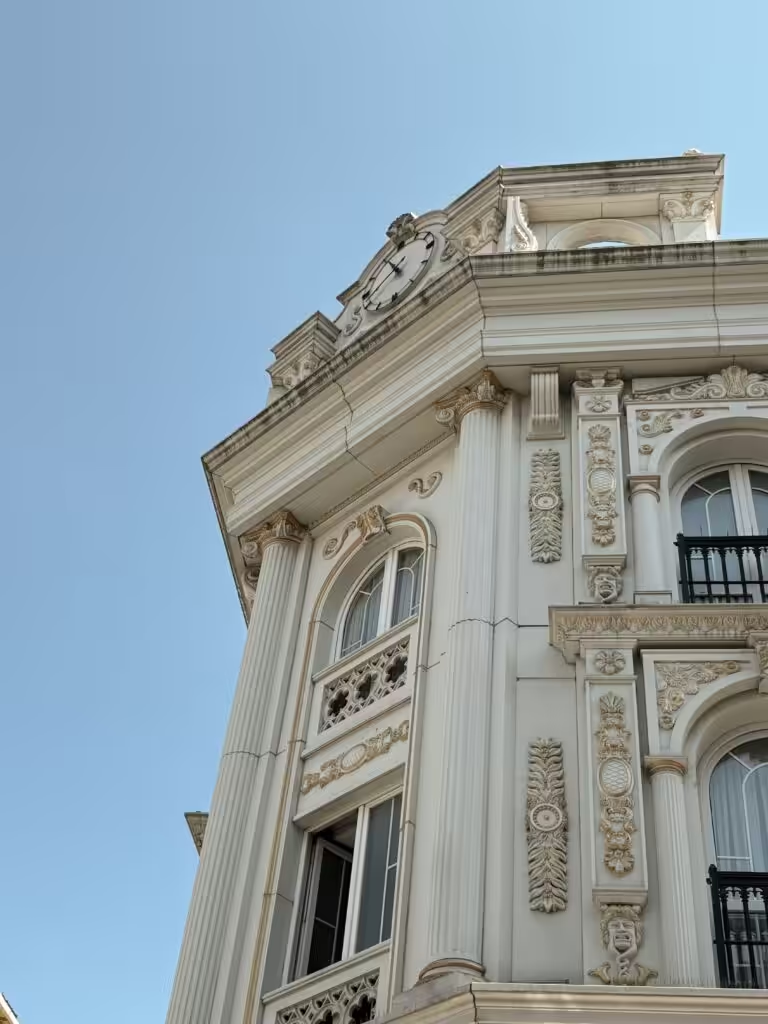
Where European buildings relied on stone and stucco, Caribbean versions lean on masonry, timber, coral stone, stucco, and metalwork, chosen to suit island resources. Craftspeople translated cornices into wooden moldings and balustrades into ironwork, producing a look that reads classically from a distance but feels local in touch and texture. This material conversation is echoed in MoMA’s Caribbean Modernist Architecture materials and case studies.
Case Studies: Ponce Creole and Port Cities
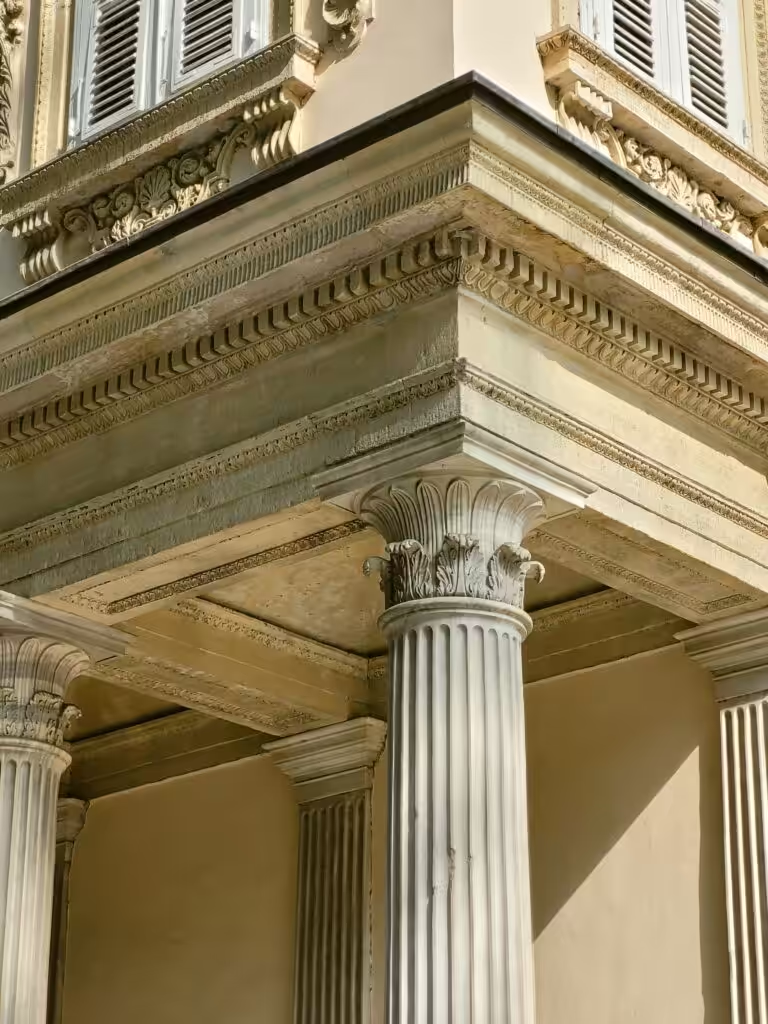
Ponce Creole in Puerto Rico is a prime illustration: pediments and pilasters sit beside wide shaded balconies and louvered windows. The classical vocabulary signals status and urban continuity, while verandas, high ceilings, and raised platforms address climate, street life, and social use. For deeper context on Caribbean architectural history, consider Architecture and Empire in Jamaica as a foundational scholarly reference.
Scholarship and Voice: Dahlia Nduom and Her Circle
Scholars like Professor Dahlia Nduom frame these hybrid structures not as imperfect copies but as vernacular syntheses that record cultural exchange, migration, and resilience. Nduom emphasizes how Caribbean architects and residents actively reinterpret classical language to express identity, memory, and practicality—an intellectual backbone for Classic Revival By Caribbean Architects: A Fusion of Cultures. See also The Architectures of Black Identity for related cross-cultural dynamics.
Practical Principles for Designers and Homeowners
- Start with orientation: position living spaces to capture prevailing breezes and minimize western sun exposure. Contemporary readings of proportion propose balancing shaded zones with daylight access, as discussed in Caribbean-focused syntheses.
- Prioritize shaded transitional spaces (verandas, loggias) as primary living zones in hot months.
- Choose corrosion- and rot-resistant materials; specify durable fasteners and finishes suited to marine climates.
- Design classical elements to be functional: shading can be built into colonnades, pediments can conceal drainage or daylighting features.
Modern Practice: Contemporary Readings and Tectonics
Today’s Caribbean architects draw on Classic Revival for durable structural tactics—proportion, hierarchy, and a public-facing human scale—while substituting ornament with locally meaningful details that improve thermal performance and everyday usability. The approach aligns with contemporary scholarship on Caribbean architectural language, including how revival vocabularies persist in regional modernism. For a broader context on Caribbean modernist readings, consult MoMA’s Caribbean Modernist Architecture materials.
Sustainability and Resilience in the Caribbean Revival
Classic Revival By Caribbean Architects: A Fusion of Cultures can be climate-smart. Features like high ceilings, cross-ventilation, shading devices, and thermal mass—where feasible—reduce reliance on mechanical cooling. Retrofit projects now frequently integrate insulation, hurricane straps, and reversible interventions to protect character while upgrading durability and resilience. A scholarly lens from Yale University Press and Chicago-based research helps frame these climate-aware adaptations.
Common Missteps to Avoid
Two frequent mistakes in revival work: first, cosmetic transplantation of columns or pediments without addressing orientation, ventilation, or daylighting; second, neglecting ongoing maintenance of ironwork, shutters, and stucco in coastal climates. Durable materials and thoughtful detailing reduce these pitfalls. See the Caribbean architecture discourse for cautions and best practices in material selection and detailing.
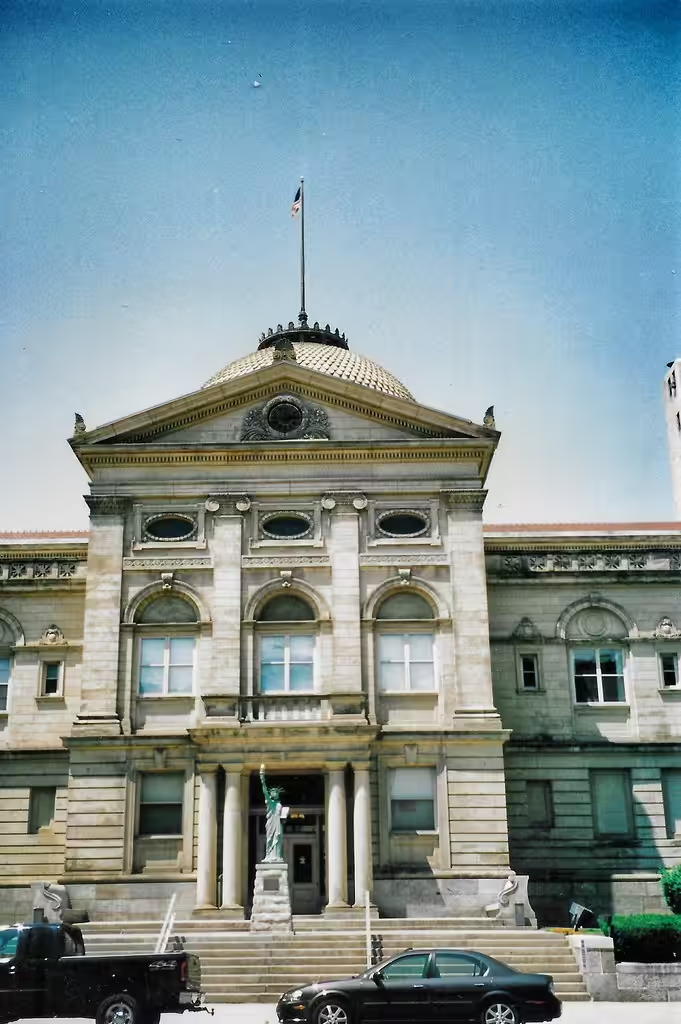
Guidance for Implementation: Design Decisions That Matter
- Assess site wind patterns and solar paths before planning layout; use natural ventilation as a primary cooling strategy.
- Embed shade-forward strategies: deep verandas, sheltered galleries, and well-placed shutters to moderate heat and glare.
- Select materials with marine durability in mind; favor corrosion-resistant hardware and finishes that can be refreshed easily.
- Let classical forms anchor the composition, then layer in contemporary, climate-responsive details to meet modern needs without erasing the historical narrative.
Preservation, Innovation, and Coexistence
The consolidation of Classical Revival in the Caribbean allows for preserving legible urban identity while embracing new materials, technology, and services. The best projects keep the classical scaffold visible and meaningful, yet insert contemporary systems and craft that address today’s hazards and living standards, maintaining a respectful balance between past and present. For a broader, critical perspective, see the collection of Caribbean architectural studies and the MoMA materials outlining mid-20th-century fusion of vernacular with international modernism.
What Architects Can Learn From Caribbean Adaptations
Reading classical grammar as a toolkit rather than a fixed doctrine yields two practical advantages: a) it supports daylighting, ventilation, and human-scale design; and b) it legitimizes culturally rooted expressions of memory and place. This practical, rooted approach is a central argument for the Classic Revival By Caribbean Architects framework and the work of scholars like Dahlia Nduom. For a broader analytical voice on Caribbean identity in architecture, consult The Architectures of Black Identity and related sources.
We’d love to hear your experiences or questions about Classic Revival in the Caribbean. Have you seen a project that blends neoclassical language with tropical living in a particularly effective way? Share your examples or ask for advice in the comments below.
Further reading and resources: Caribbean Modernist Architecture — MoMA materials and Caribbean architecture history books and resources, which offer broader bibliographic paths for readers seeking authoritative volumes on Caribbean architectural history and revival traditions.
🏡 Modern Colonial Home Tour! ✨ Timeless Design Meets Contemporary Elegance |:
As we delve into the inspiring world of Caribbean architecture, it's evident that the classic revival led by local architects is more than just a design trend—it's a celebration of cultural heritage and a beautiful fusion of influences. By embracing both historical aesthetics and contemporary needs, these creative minds are not just building structures; they’re weaving together stories, traditions, and a sense of identity that resonates with both locals and visitors alike. It’s exciting to see how each project reflects this rich tapestry of cultures, making every corner of the islands a canvas for architectural innovation.
Stay Connected with Caribbean Architecture
If you’re as fascinated by this dynamic interplay of styles as I am, I encourage you to keep exploring! There’s always something new and exciting happening in the world of Caribbean architecture. For a steady stream of updates and stunning visual inspirations, be sure to follow us on Instagram and join the community celebrating this vibrant design culture. Let’s keep the conversation going as we uncover more about these breathtaking designs and their stories!
