

Sage green is a versatile, muted tone that blends the tranquility of nature with a refined neutral palette. Its earthy, soft hue works well as a foundational color in both interiors and exteriors, providing a calm backdrop that supports a variety of complementary shades. This article offers a detailed exploration of color combinations that harmonize with sage green, focusing on practical material choices, finishes, and styling strategies to help homeowners and remodelers create balanced, sophisticated spaces.
Warm Neutrals Elevate Sage Green Bedrooms
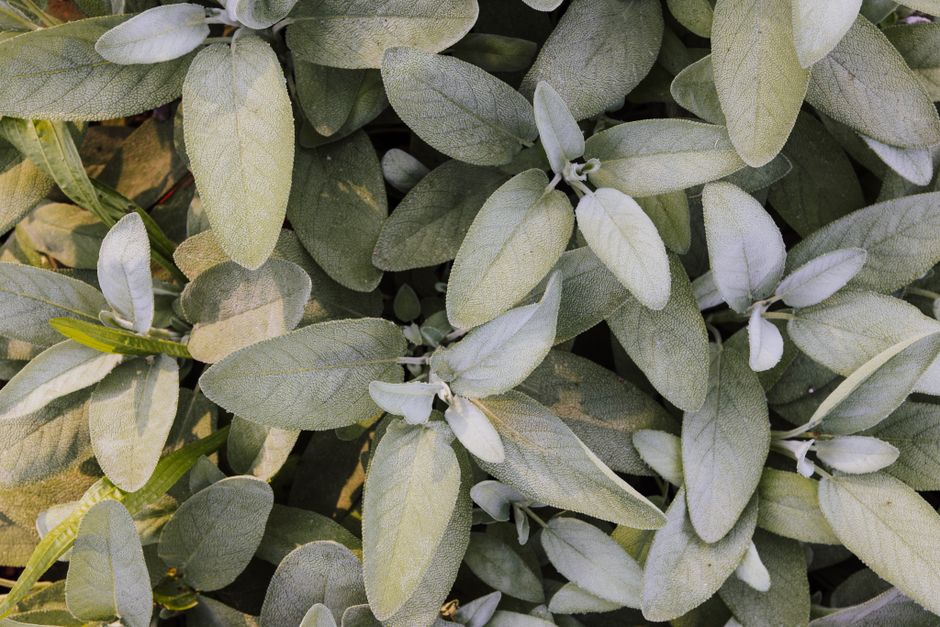
In bedrooms, sage green walls create a serene foundation that pairs beautifully with warm neutrals such as soft taupe, warm beige, and creamy linen. Choose bedding and accent pillows in linen or cotton blends with matte finishes to complement sage’s muted tone without overpowering it. Incorporate natural fiber rugs—like jute or sisal—to add tactile warmth and texture. Matte ceramic or wood-based lighting fixtures maintain a subtle aesthetic that supports the restful atmosphere. When selecting warm neutrals, test paint and fabric samples under both natural daylight and artificial lighting to ensure the sage green maintains its intended tone, as warm neutrals can subtly shift its appearance.
Soft Whites for Crisp Contrasts in Dining Spaces
Soft whites paired with sage green create a fresh, modern contrast ideal for dining rooms. Use matte porcelain or unglazed ceramic tableware to avoid reflective glare that can compete with sage’s subtlety. Incorporate white linens or napkins with a slight texture, such as waffle weave or subtle embroidery, to add dimension without detracting from the palette. White-painted wood or metal dining chairs with matte finishes complement sage walls or accents effectively. To maintain longevity, select washable or stain-resistant fabrics and finishes, as white surfaces require regular upkeep to stay pristine.
Natural Wood Tones Add Texture to Living Areas
Natural wood furniture introduces warmth and organic texture that complements sage green’s cool undertones. Opt for mid-century modern or Scandinavian-inspired pieces in pine, oak, or walnut with matte or satin finishes to maintain a natural look. Balance larger wood furniture with lighter upholstery fabrics in neutral or cream tones to prevent the space from feeling heavy. Regular maintenance is essential to protect wood surfaces from humidity and temperature fluctuations, especially near heating sources, to avoid warping or cracking.
Deep Charcoal Anchors Sage Green Accents
Deep charcoal provides a sophisticated, grounding contrast to sage green, ideal for accent walls, upholstery, or decorative textiles. Choose charcoal fabrics with soft textures like velvet or brushed cotton to add depth without harshness. Incorporate layered lighting—ambient, task, and accent—to highlight charcoal’s texture and prevent the space from feeling too dark. Use reflective surfaces such as mirrors or light-colored rugs to balance charcoal’s intensity and maintain an open feel.
Subtle Blues Complement Sage Without Overpowering
Soft blues with gray undertones harmonize with sage green by reinforcing a calm, natural palette. Incorporate pastel blue cushions, wall art, or ceramic accessories with matte or linen textures to maintain cohesion. Avoid saturated or bright blues, which can clash with sage’s understated elegance and disrupt spatial harmony, especially in smaller rooms. Layering these blues with sage in textiles or painted surfaces creates a nuanced, serene environment.
Muted Terracotta Introduces Warmth and Depth
Muted terracotta accents add warmth and organic depth to sage green palettes. Use terracotta planters, ceramic decor, or textured textiles with matte or rough finishes to complement sage’s earthiness. Because terracotta is porous and prone to staining or chipping, apply sealants and position pieces away from high-traffic areas to preserve their appearance. This color pairing works well in spaces aiming for a grounded, natural aesthetic with subtle contrasts.
Brass Finishes Bring a Luxe Touch to Sage Palettes
Brass hardware and fixtures introduce a refined, luxurious element to sage green interiors. Select satin or brushed brass finishes for lamp bases, cabinet pulls, or light fixtures to add warmth and subtle shine without overwhelming the palette. Use brass sparingly as accent pieces or focal points to avoid a cluttered metallic look. Regular polishing is necessary to prevent tarnishing and maintain the finish’s luster, which should be factored into maintenance plans.
Layering Textiles in Cream and Green for Cozy Appeal
Layering textiles in creams and varying shades of sage green enhances spatial warmth and tactile richness. Combine cotton, linen, and soft wool fabrics in upholstery, throws, and rugs to create visual interest through texture rather than color contrast alone. To avoid a muddled look, select textiles with distinct weaves and patterns, and space layers thoughtfully. This approach softens transitions between colors and materials, making spaces feel inviting and well-composed.
Frequently Asked Questions
What colors best complement sage green?
Warm neutrals like taupe and beige, soft whites, muted blues with gray undertones, deep charcoal, and earthy terracotta tones complement sage green effectively. These colors balance contrast and harmony, allowing sage green to remain the focal point while enriching the overall palette.
Is sage green suitable for small rooms?
Yes, sage green’s soft, muted tone can make small rooms feel calm and spacious when paired with lighter colors and reflective materials. Incorporating ample natural light and light-colored accents helps maintain an open atmosphere.
How does lighting affect sage green decor?
Lighting significantly influences how sage green appears. Natural and warm artificial lighting enhance its earthy qualities, while cool or harsh lighting can shift its tone toward gray or blue. Always test paint and fabric samples under your specific lighting conditions before finalizing selections.
Choosing colors to pair with sage green requires attention to materiality, finish, and lighting to create balanced, timeless interiors. This palette thrives on subtlety and texture, where each hue supports sage’s grounded character without overpowering it. Whether incorporating warm neutrals, deep charcoals, or muted terracotta, consider scale, maintenance, and ambient conditions to ensure your space looks intentional and performs well over time. With the practical guidance provided here, sage green can serve as a versatile foundation for sophisticated, enduring design.
For more room-by-room ideas, explore Architecture Adrenaline’s latest design guides and save your favorite looks for your next project.
Design Deep Dives & Resources
Use these references to deepen your understanding of layouts, materials, lighting, safety, and maintenance decisions critical to this style.
Research-Backed Planning Notes
- Outdoor lighting should have a job: DOE frames outdoor residential lighting around aesthetics, security, and utility, with controls and shielding to reduce waste and glare. Layer low path lights, focused task lights, and shielded accent lights instead of flooding the entire patio with one harsh fixture. Source: U.S. Department of Energy
- Plant choice affects maintenance and longevity: UMN Extension emphasizes function, maintainability, environmental soundness, cost-effectiveness, and visual appeal in sustainable landscape design. Choose plants based on sun exposure, soil type, mature size, and maintenance tolerance before selecting containers or furniture colors. Source: University of Minnesota Extension
- A good landscape behaves like connected rooms: USU Extension compares landscapes to outdoor rooms with different uses, volumes, circulation paths, and water needs. Use cover, furniture layout, pavers, screens, and planting edges to define spaces rather than scattering decor randomly. Source: Utah State University Extension
- Wood performance is about moisture and detailing: The USDA Wood Handbook covers wood moisture, durability, fastenings, preservation, finishing, and material behavior for architects and engineers. Specify exterior-rated materials, drainage gaps, sealed end grain, and maintainable finishes before relying on stain samples. Source: USDA Forest Products Laboratory
On Architecture Adrenaline
- Green Master Bedroom: Design Ideas and Inspiration: Read the full guide
- Green Wall Bedroom Ideas for a Refreshing Sanctuary: Read the full guide
- Cosmos Deer Resistant: The Perfect Addition to Your Garden: Read the full guide
- Desert Landscape Ideas: Transform Your Yard into a Southwestern Oasis: Read the full guide
- Tan Bathroom: A Warm and Inviting Space: Read the full guide
- Bedroom Decorating Ideas For A Small Room: Read the full guide
- Modern Bedroom Design Ideas: Read the full guide
- Rail-Trail Town Centers: Converting Old Lines into Walkable Districts: Read the full guide
Authoritative Planning References
- International Code Council I-Codes - Use as a starting point for code families, then verify the edition adopted locally.
- EPA Lead Renovation, Repair and Painting Program - Check before sanding, scraping, painting, or remodeling surfaces in pre-1978 homes or rentals.
- U.S. Access Board ADA Accessibility Standards - Reference clearances, routes, thresholds, and reach ranges for accessibility or aging-in-place.
- Illuminating Engineering Society Standards - Professional lighting reference for terminology, visual comfort, glare, and application-specific practices.
- American Society of Interior Designers - Professional organization for design practice, wellness, sustainability, and industry context.
Editor-Selected Amazon Finds
Use these shopping starting points to compare dimensions, weather ratings, and reviews before buying.
Color That Go With Sage Green lighting
Lighting influences how every finish reads; start here.
Color That Go With Sage Green storage
Keep the space functional with smart storage solutions.
Color That Go With Sage Green decor
Use restraint and repeat materials already present for cohesion.
Extra Visual Inspiration

Design Deep Dives & Resources
Use these references to go deeper on layouts, materials, lighting, safety, and maintenance decisions that matter for this style.
Research-Backed Planning Notes
- Outdoor lighting should have a job: DOE frames outdoor residential lighting around aesthetics, security, and utility, with controls and shielding to reduce waste and glare. Layer low path lights, focused task lights, and shielded accent lights instead of flooding the entire patio with one harsh fixture. Source: U.S. Department of Energy
- Plant choice affects maintenance and longevity: UMN Extension emphasizes function, maintainability, environmental soundness, cost-effectiveness, and visual appeal in sustainable landscape design. Choose plants around sun, soil, mature size, and maintenance tolerance before choosing containers or furniture colors. Source: University of Minnesota Extension
- A good landscape behaves like connected rooms: USU Extension compares landscapes to outdoor rooms with different uses, volumes, circulation paths, and water needs. Use the cover, furniture layout, pavers, screens, and planting edges to define a room rather than scattering decor around the slab. Source: Utah State University Extension
- Wood performance is about moisture and detailing: The USDA Wood Handbook covers wood moisture, durability, fastenings, preservation, finishing, and material behavior for architects and engineers. Specify exterior-rated materials, drainage gaps, sealed end grain, and maintainable finishes before relying on a pretty stain sample. Source: USDA Forest Products Laboratory
On Architecture Adrenaline
- Green Master Bedroom: Design Ideas and Inspiration: Read the full guide
- Green Wall Bedroom Ideas for a Refreshing Sanctuary: Read the full guide
- Cosmos Deer Resistant: The Perfect Addition to Your Garden: Read the full guide
- Desert Landscape Ideas: Transform Your Yard into a Southwestern Oasis: Read the full guide
- Tan Bathroom: A Warm and Inviting Space: Read the full guide
- Bedroom Decorating Ideas For A Small Room: Read the full guide
- Modern Bedroom Design Ideas: Read the full guide
- Rail-Trail Town Centers: Converting Old Lines into Walkable Districts: Read the full guide
Authoritative Planning References
- International Code Council I-Codes - Use this as a starting point for code families, then verify the code edition adopted by the local building department.
- EPA Lead Renovation, Repair and Painting Program - Check before sanding, scraping, painting, or remodeling surfaces in pre-1978 homes or rental properties.
- U.S. Access Board ADA Accessibility Standards - Reference clearances, routes, thresholds, and reach ranges when accessibility or aging-in-place matters.
- Illuminating Engineering Society Standards - Professional lighting reference for terminology, visual comfort, glare, and application-specific lighting practice.
- American Society of Interior Designers - Professional interior design organization for design practice, wellness, sustainability, and industry context.
External Inspiration
Editor-Selected Amazon Finds
Use these shopping starting points to compare dimensions, weather ratings, and reviews before buying.
Color That Go With Sage Green lighting
Start with lighting because it changes how every finish reads.
Color That Go With Sage Green storage
Keeps the space functional instead of just photogenic.
Color That Go With Sage Green decor
Use restraint and repeat materials already in the room.
Extra Visual Inspiration
