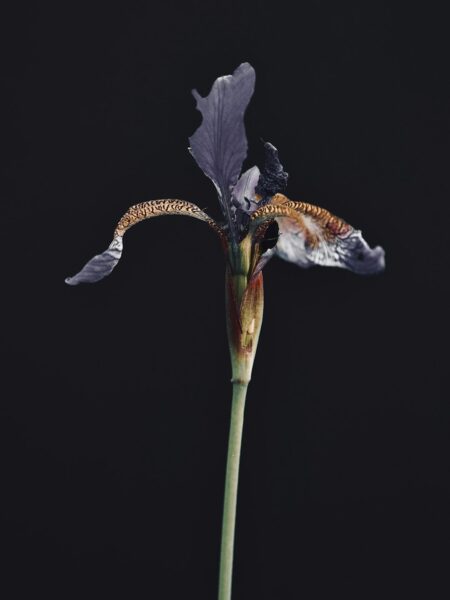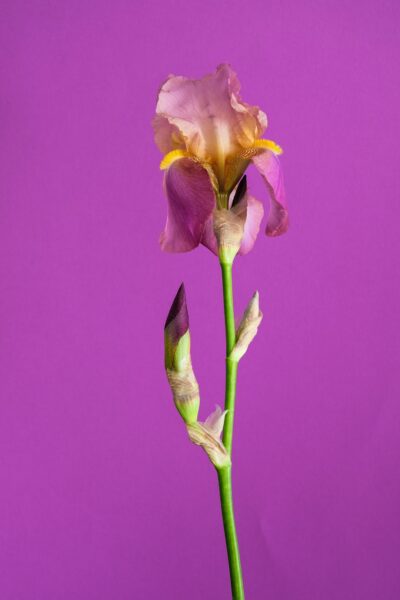
As a passionate gardener, I’ve learned that keeping your irises looking their best involves the art of deadheading. This simple practice enhances the beauty of your garden while also promoting new growth. Join me as I share my insights on deadheading irises for continued vibrant blooms.
1. What is Deadheading?
Deadheading is the process of removing faded or spent flowers from plants. For irises, this not only improves their appearance but also helps the plant focus its energy on producing new flowers.
2. When to Deadhead Irises
The best time to deadhead irises is shortly after the flowers have faded. Waiting too long can lead to seed pod formation, which diverts energy from blooming again. Refer to Iris bloom time tips for optimal timing.
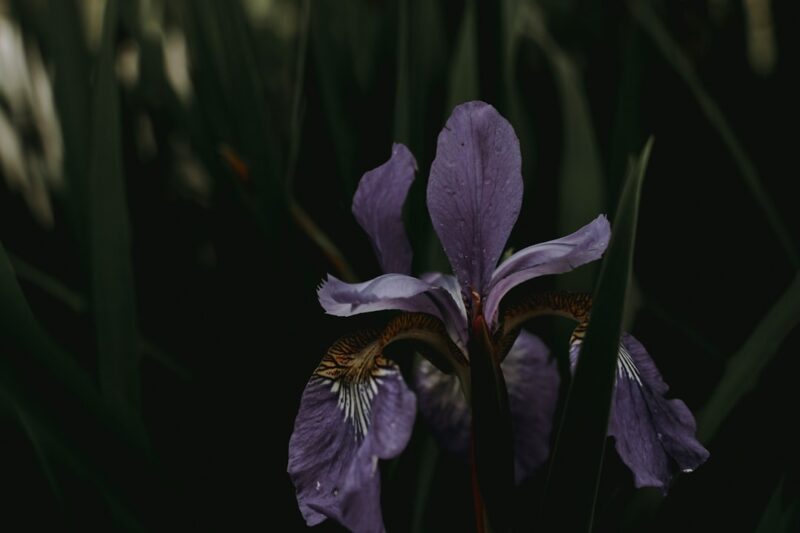
3. How to Properly Deadhead Irises
Follow these steps to deadhead your irises effectively:
- Using clean scissors or pruning shears, cut the stem just above the leaves or the next bud.
- Remove any yellowing leaves to encourage better air circulation.
- Dispose of all trimmed petals to minimize pests and diseases.
4. Benefits of Deadheading Irises
By regularly deadheading your irises, you’ll enjoy several benefits:
| Benefit | Description |
|---|---|
| Increased Blooms | Frees up energy for the plant to produce more flowers. |
| Better Appearance | Keeps your garden looking fresh and tidy. |
| Healthier Plants | Minimizes disease spread by removing dead plant material. |
5. Additional Care for Irises
Besides deadheading, ensure your irises receive proper care:
Water them regularly and consider mulching to retain soil moisture. For more on propagation, see how to Propagate African iris. For design ideas utilizing irises, please check our Front yard flower bed ideas.