
Fireplace Types to help you compare wood, gas, electric, ethanol, pellet, and insert-based systems so you can match the right fireplace to your site, heat goals, venting constraints, and aesthetic intent.
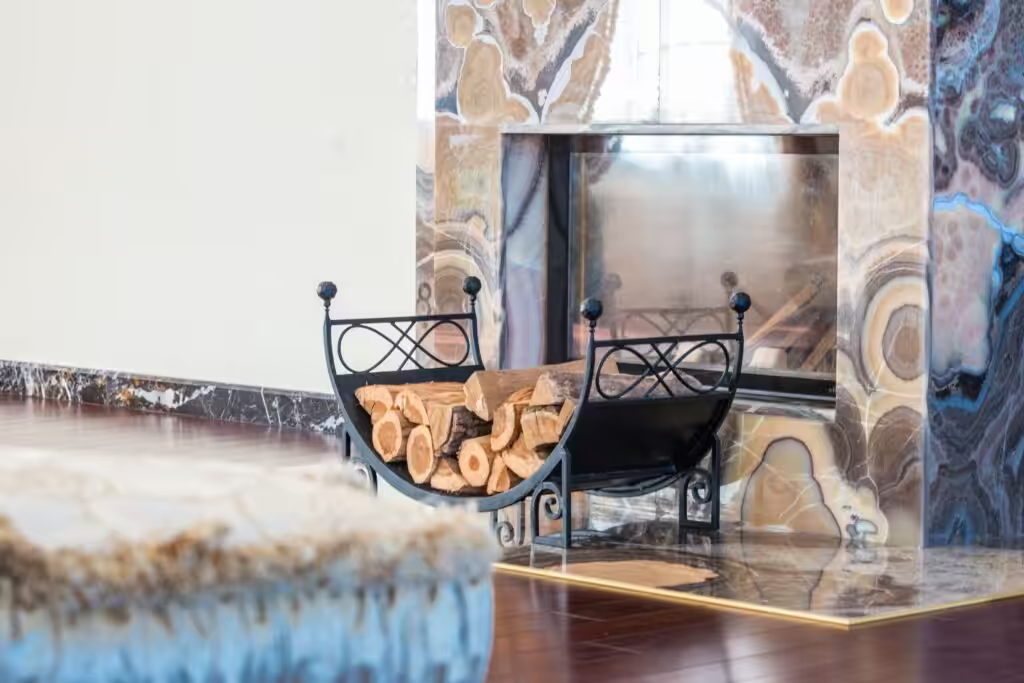
| Type | Typical Heat/Use | Key Design / Installation Note |
|---|---|---|
| Wood‑Burning (masonry or insert) | High heat (25,000–70,000 BTU); primary or supplemental | Needs chimney or lined flue; EPA‑certified inserts improve efficiency |
| Gas (direct‑vent, B‑vent, vent‑free) | 20,000–40,000+ BTU; convenient heat on demand | Venting type drives safety, efficiency and code compliance |
| Electric / Electric Fire | Supplemental heat (≈5,000–17,000 BTU equiv. depending on kW) | No venting; flexible placement — inset, wall, media wall, or freestanding |
| Pellet Stove / Insert | 25,000–50,000 BTU; automated feed | Requires pellet storage and power; high efficiency for solid fuel |
| Ethanol / Gel | Low to moderate heat; mostly ambiance | No chimney; limited heat, good for retrofit or modern interiors |
Matching Fireplace Types To Your Living Style
Choosing a fireplace isn’t only about looks. Fuel and venting determine how much heat actually reaches the room, maintenance needs, indoor air quality, and how the fireplace integrates with circulation and sightlines. For a concise, consumer-focused overview of options and installation considerations, see the All About Gas Fireplaces - This Old House and the All About Gas Fireplaces (Energy Star) - Natural Resources Canada.
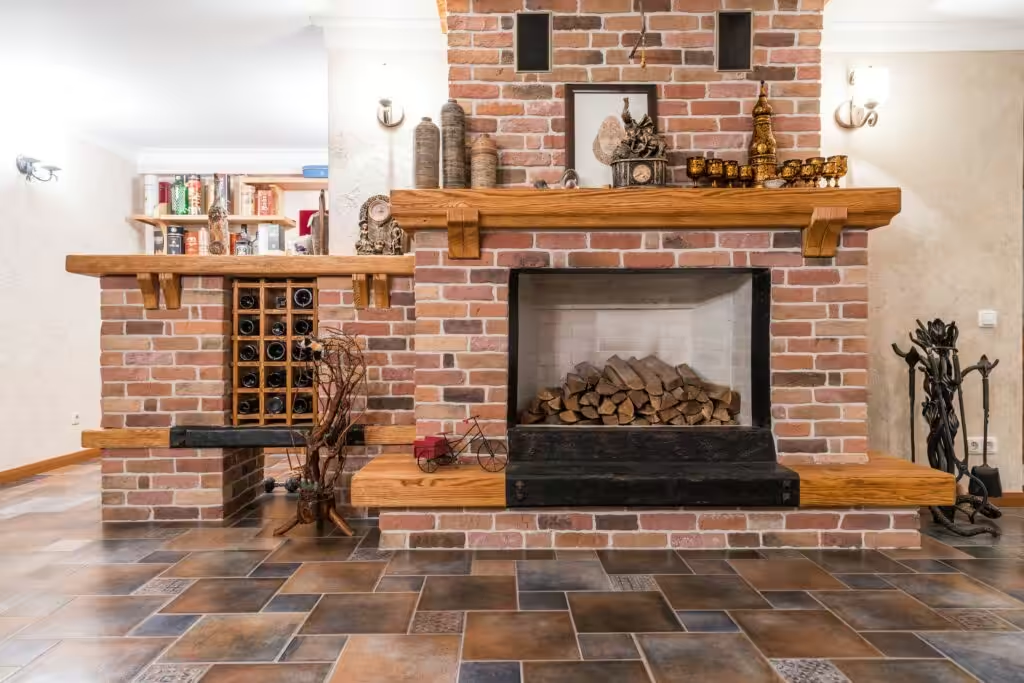
Wood‑Burning: Styles, Performance, And Real‑World Tradeoffs
Wood options span open masonry hearths, factory‑built units, freestanding stoves, and wood inserts. Open masonry fireplaces deliver ambiance but are the least efficient, with most heat lost up the flue. EPA‑certified inserts or closed‑combustion stoves capture more heat and reduce emissions. For practical design and finishing guidance, consider The Home Depot’s overview of Types of Fireplaces and Mantels as a planning reference.
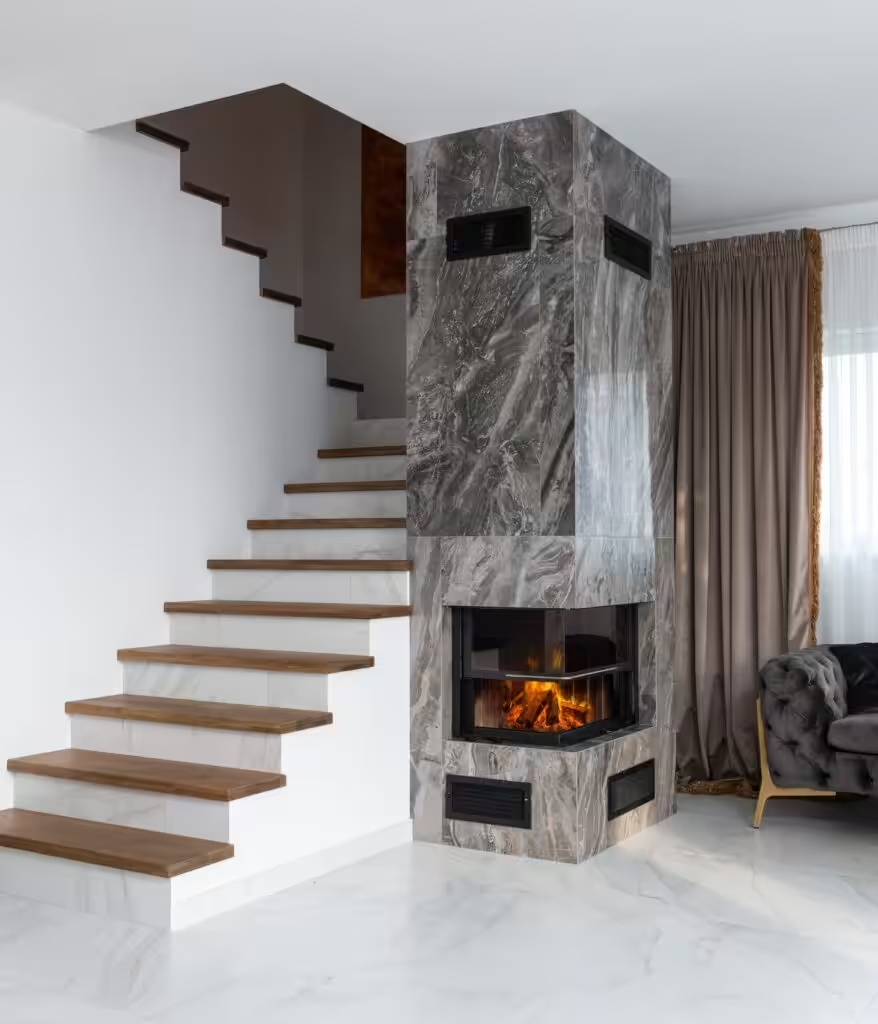
Gas Fireplaces: Venting Styles And Their Impact
Gas fireplaces come in direct‑vent, B‑vent (natural draft), and vent‑free (ventless) configurations. Venting affects combustion air, indoor air quality, efficiency, and placement options. For a grounded overview of venting styles and performance benchmarks, see All About Gas Fireplaces and the historical context in energy‑efficiency literature from MSU Extension.
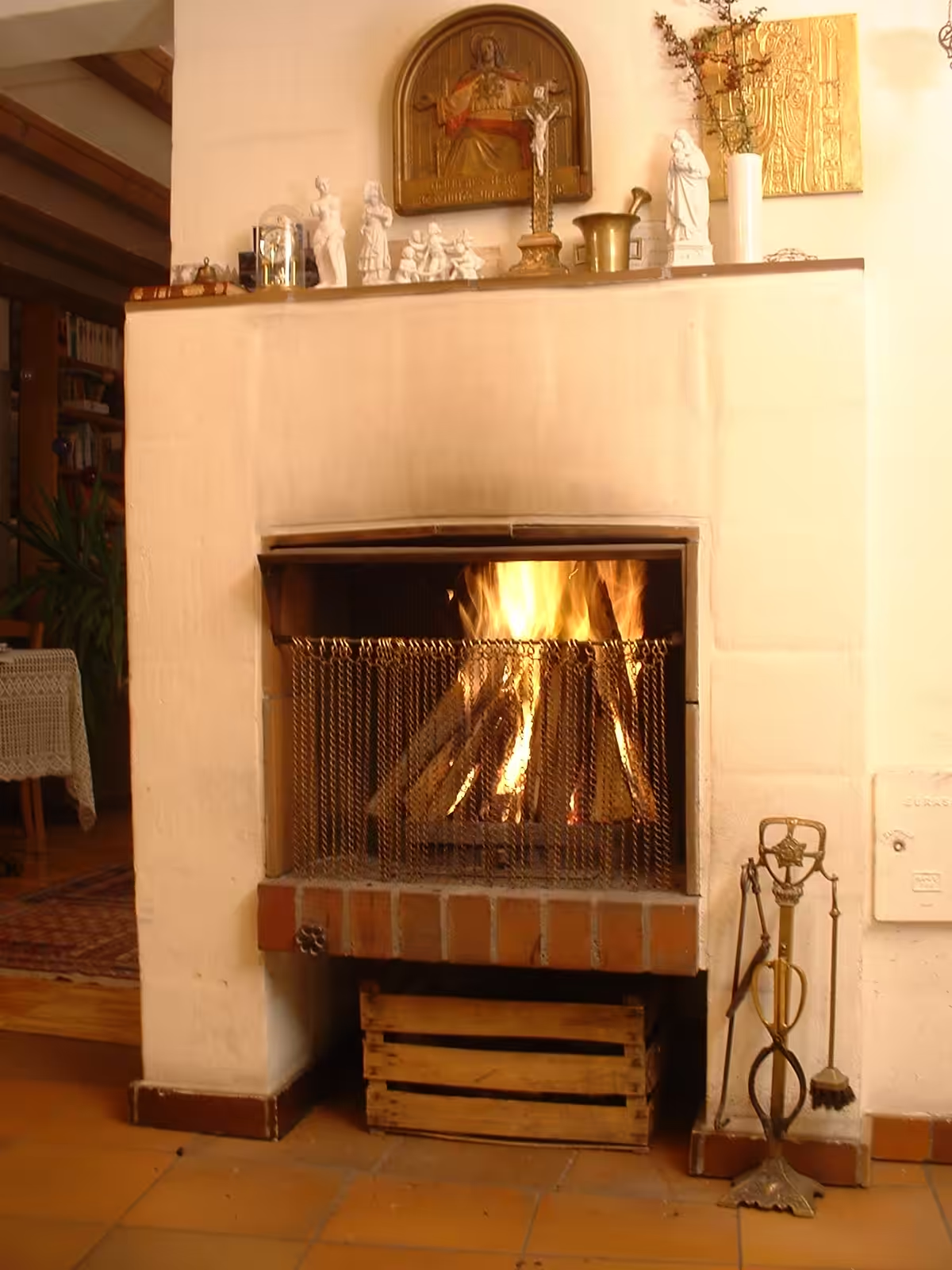
Electric Fireplaces And Inset Inserts: Flexibility And Design Potential
Electric fireplaces require no venting and plug into standard circuits or hard wires. They span wall, inset, media‑wall, and freestanding forms, with options for ambiance flames or supplemental heat. Planning guidance for room integration and layout can be informed by Fireplace overview, which outlines how a fireplace fits into floor plans and circulation.
Pellet Stoves And Other Solid‑Fuel Alternatives
Pellet systems burn compressed biomass with automated feeds, delivering steady heat and clean combustion. They require pellet storage, electricity to run the feeder and blower, and periodic vent maintenance. They can be freestanding focal points or installed as inserts into existing openings. For consumer context on fuel choices, consider Gas, Wood, or Electric Fireplaces: Which Type Is Right for You? from Mantels Direct.
Ethanol, Gel, And Decorative Flames
Ethanol fireplaces burn liquid biofuel, producing a real flame without a chimney and with modest heat output. They offer design flexibility for niche placements—built‑in niches, floating mantels, or glass‑encased linear formats—but come with fuel cost considerations and safe fuel handling requirements. For historical and safety context around decorative flames, Historic England’s Inform Guide: Fireplaces provides appropriate design considerations.
Inserts, Retrofits, And Upgrading An Existing Fireplace
If you already have a masonry fireplace, an insert is often the most practical upgrade for better efficiency and reduced chimney losses. Key steps include:
- Measure the firebox and chimney liner for insert compatibility.
- Plan for a proper chimney liner or flue modification to ensure safe draft.
- Confirm hearth thickness and clearance requirements for the chosen insert or stove.
Upgrading with an insert preserves the room’s mantel and proportions while boosting performance. As a structural planning reference, see the chambering and clearances discussions in Architecture Adrenaline’s related articles such as Fireplace On Floor Plan and Fireplace Clearances.
Efficiency, BTU Output, And Operating Costs
Understanding the numbers helps set expectations. Typical ranges:
- Direct‑vent gas and high‑efficiency wood/pellet inserts: often 60–90% of heat delivered to the room.
- Open masonry wood fireplaces: often only single digits to ~20% usable heat due to heat losses up the chimney.
- Electric fireplaces: near‑100% conversion of electricity to heat, but per‑BTU costs may be higher in many markets.
BTU ranges to know: many gas units 20,000–40,000 BTU/h; wood/stoves 25,000–70,000 BTU/h; pellets 25,000–50,000 BTU/h; electric output is wattage‑based (1.5 kW ≈ 5,100 BTU/h; 5 kW ≈ 17,000 BTU/h).
Ventilation, Code, And Indoor Air Quality Considerations
Venting is a central design constraint. Direct‑vent gas units do not take conditioned air from indoors, supporting tighter envelopes. Ventless gas and some ethanol setups keep combustion byproducts inside the space and may be restricted by local codes or HOAs. Plan vent runs early to determine chase locations, cabinetry, and sightline considerations. When evaluating a floor‑plan or retrofit, consult building‑specialist resources such as Historic Environment Scotland’s Inform Guide: Fireplaces and Historic England’s advice on restoration and safety.
Design Principles: Scale, Proportion, Sightlines, And Materials
A fireplace should relate to ceiling height, furniture layout, and circulation. Common missteps include a hearth too small for a large room or an oversized surround overpowering a modest space. For design‑oriented guidance on how the surround, materials, and sightlines interact, see Architecture Adrenaline’s surround and balance articles, including Fireplace Surround Ideas and Balancing Techniques for Off‑Centered Fireplaces.
Maintenance, Safety, And Long‑Term Durability
Maintenance rhythms vary by type:
- Wood: yearly chimney inspection and sweep; inspect mortar and damper operation.
- Gas: annual service to check pilots, burners, lines, and vent seals; monitor for sooting or blockages.
- Pellet: regular ash removal and yearly professional check; ensure hopper and auger function.
- Electric and ethanol: minimal mechanical upkeep; follow manufacturer safety and fuel guidelines.
Install screens or glass doors when appropriate and maintain required clearances. Heat‑safe placement and annual inspections help maintain safety and insurance coverage. For a historical perspective on safe restoration practices, consult Historic Environment Scotland — Inform Guide: Fireplaces and Historic England — Fireplace Advice.
Budgeting And Rough Project Ranges
Installed costs vary by region and finish. Ballpark ranges include:
- Electric fireplace: $200–$3,000+
- Vented gas (direct‑vent): $3,500–$7,500 installed
- Vent‑free gas: $2,500–$5,000 installed
- Wood insert or wood stove: $2,000–$6,000+ installed
- Pellet stove/insert: $3,000–$6,000 installed
Prices include the appliance, installation labor, and basic finish work but typically exclude extensive masonry, major structural modifications, or high‑end mantel carpentry.
How To Choose: A Practical Decision Tree
Use these questions to narrow your options:
- Is there an existing chimney or firebox? (Insert vs new unit vs electric)
- Is your priority heat, ambiance, or both?
- Can you easily route a vent or gas line? If not, electric or ethanol may be the sole practical options.
- Are there local code or HOA restrictions on ventless or wood burning units?
- What maintenance level are you willing to commit to?
In colder climates or with accessible fuel, wood and pellet options can perform well. In modern, tightly built homes, direct‑vent gas and electric choices often preserve indoor air quality and envelope performance. For a concise decision‑tree summary with practical considerations, consult the MSU Extension overview on traditional fireplace forms and the Home Depot guide on mantels and styles.
Pre‑Purchase And Installation Checks
When evaluating a home or planning a retrofit, inspect:
- Chimney condition and presence of a certified liner (for wood or inserts).
- Current venting type and compatibility with the chosen unit.
- Clearances to combustibles and hearth depth per code/manual.
- Access for gas lines or electrical circuits and required permits.
- Impact on sightlines, circulation, and furniture arrangement.
Common Pitfalls To Avoid
Frequent project mistakes include:
- Choosing a feature for photo impact rather than room fit.
- Assuming all gas fireplaces are identical—venting type matters for safety and efficiency.
- Ignoring maintenance: unlined chimneys or neglected gas flues are safety hazards.
- Installing a TV directly above a wood fireplace without heat deflection.
Frequently Asked Questions
Can I install a fireplace without a chimney? Yes—electric, ventless gas, and ethanol units require no chimney. Direct‑vent gas and pellet systems typically need a short vent or liner.
Which is most energy efficient? It depends: direct‑vent gas or modern pellet inserts often provide strong heat per unit of fuel, while electric fires convert nearly all electricity to heat. “Most energy‑efficient electric” usually means thermostatic control with low standby draw.
Is replacing a gas fire with electric straightforward? Generally yes—electric inserts or wall units are common retrofit options, but verify electrical capacity and finish compatibility.
What are the best types of fireplace inserts? EPA‑certified wood inserts, high‑efficiency direct‑vent gas inserts, and pellet inserts are strong options depending on fuel preference and venting capability.
Practical Recommendations For Homeowners And Designers
- Prioritize venting strategy early; it will guide unit selection, chase location, and finish details.
- For existing masonry fireplaces, plan a professional chimney assessment and consider an insert to improve efficiency.
- For media walls or under‑TV installations, favor electric inserts or direct‑vent gas units with clearances documented by the manufacturer.
- Balance aesthetics with maintenance: if you want the look of real flames with minimal upkeep, choose high‑quality electric or gas units with realistic flame effects.
Next Steps: Planning A Fireplace Project
Measure the space, map existing vent paths and service runs, and obtain quotes from licensed installers for at least two compatible systems (one high‑efficiency option and one low‑maintenance option). Gather manufacturer specs for clearances, BTU output, and venting to compare apples‑to‑apples. If you share your room size, ceiling height, and whether you have an existing firebox or gas line, I can suggest concrete types and design moves to make the fireplace both beautiful and functional.
What has your experience with different fireplace types been like? Share your room layout, project goals, and any lessons learned in the comments—your insights can help others make smarter, safer, and more stylish choices.
```
Fireplaces Explained in 10 Minutes (Everything You Need to Know):
As we wrap up our journey through the various types of fireplaces, it's clear that each option brings its own unique charm and functionality to any space. From traditional wood-burning designs that evoke the nostalgia of cozy winters to sleek modern gas units that prioritize convenience, there's a perfect match out there for every home and lifestyle. Whichever style you choose, the warmth and light of a fireplace can transform your living space into a welcoming retreat, inviting friends and family to gather together.
Stay Inspired!
Don’t forget that the design possibilities are endless! If you’re looking for inspiration or want to explore more ideas on fireplaces and home design, follow us on social media. We share plenty of tips and visuals that might just spark your next renovation project. Check us out on Instagram at Architecture Adrenaline. We can’t wait to see what you create!
