
As an avid gardener, I often find myself questioning whether my pepper plants need additional support as they grow. With their brittle stems and heavy fruiting, providing the right support can enhance growth and yield. Let's explore the importance of supporting pepper plants and the best methods to do so.
Why Support is Important for Pepper Plants
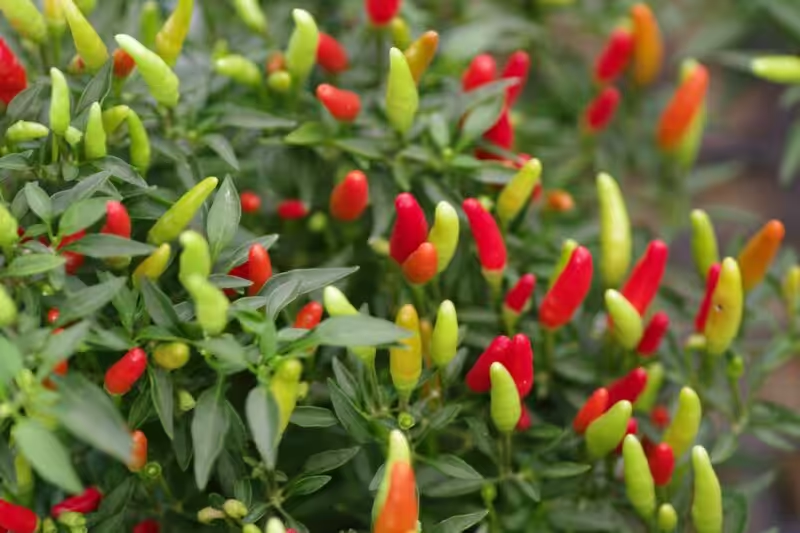
Pepper plants can become top-heavy when they start producing fruits. Without support, they may bend or break under the weight, which can lead to damage or loss of the crop. Support structures allow the plants to grow more upright, improve air circulation, and reduce the risk of disease.
Common Support Methods for Pepper Plants
Here are some popular techniques you can use to provide support for your pepper plants:
- Staking: Use stakes tied to the main stem to keep plants upright.
- Caging: Surround pepper plants with cages for 360-degree support.
- Trellising: Install a trellis for climbing varieties of pepper plants.
How to Properly Stake Your Pepper Plants
If you choose to stake your pepper plants, here are the steps to do so effectively:
- Use 1-2 inch wooden or metal stakes that are at least 4 feet tall.
- Insert stakes into the soil near the base of the plant, being careful not to damage the roots.
- Tie the main stem of the pepper plant to the stake using soft twine or garden ties.
Assessing Your Pepper Variety
Different pepper varieties have varying support needs. Here’s a quick comparison:
| Pepper Variety | Support Needed |
|---|---|
| Bell Peppers | Moderate support, typically requires staking or caging. |
| Jalapeños | Moderate to low, can often stand without support. |
| Hot Peppers (e.g., Carolina Reaper) | High, usually needs staking for larger yields. |
Best Practices for Supporting Pepper Plants
To make the most out of your pepper plants, here are a few additional tips:
- Ensure the support structure is sturdy enough to withstand wind and rain.
- Avoid using string or wire that can cut into the plant stem; use soft materials.
- Monitor plant growth regularly to adjust supports as necessary.
For more details on growing techniques, check out the Sunflower Companion Plants to understand companion planting benefits for peppers. Refer to the Pepper Companion Plants Guide for insights on how certain plants can support pepper growth, and learn about Growing Peppers in Pots regarding supporting strategies in container gardening.
For expert guidance, visit the Growing Peppers by the University of Minnesota. Additionally, understand the physiological support mechanisms in pepper plants through this study on Pepper Plants and Salt Stress.