
Drywall ceiling repair cost is a common concern for homeowners facing nail pops, cracks, holes, or water damage above their heads. This guide uses practical references to moisture removal, debris removal, drying times, and patching/finishing to inform cost considerations and repair steps, helping you budget safely and accurately. For a structured moisture-remediation reference, see Cleaning and repairing flood-damaged walls, ceilings, and floors.
What drives the total drywall ceiling repair cost
Costs vary based on damage size and type, materials, accessibility, and finish needs. Small repairs—like patching a hole or fixing a hairline crack—tend to be inexpensive, but texture matching and ceiling height can add labor time. When water damage or mold is involved, moisture remediation and potential framing or insulation work can push the price higher. A reputable pro will account for safety equipment, scaffolding, cleanup, and repainting to achieve a seamless result.
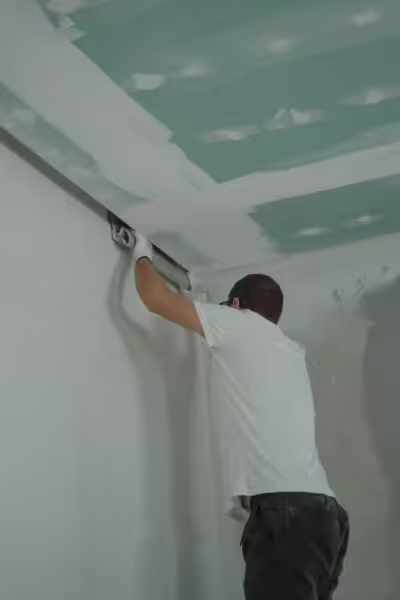
- Damage type and size: Nail pops, minor holes, and hairline cracks are cheaper than large patches or extensive water damage.
- Ceiling height and access: Higher or vaulted ceilings increase labor and equipment needs.
- Texture and finish matching: Matching knockdown, orange peel, popcorn, or smooth finishes adds texture work to the job.
- Materials: Patching compounds, patches, tape, primer, and paint contribute to the bill.
- Labor rates: Local market wages and contractor demand affect quotes.
- Additional repairs: Water damage may require moisture assessment, mold remediation, and possible structural checks.
Typical cost ranges by damage type
Prices usually reflect the damage scope and the finish level you want. Here are mid-range figures that include materials and labor for common scenarios:
- Small nail pops, tiny holes, minor cracks: roughly $100–$400 (DIY-friendly to pro).
- Medium holes or subtle ceiling cracks: typically $250–$600 per patch, depending on texture match and accessibility.
- Large holes or multiple damaged areas: $400–$1,200+ as patches increase or replacement becomes prudent.
- Water damage or mold-related repairs: $500–$2,500+ based on extent, remediation needs, and texture/paint requirements.
Cost per square foot and why some jobs aren’t priced by area
Many contractors price by scope rather than strictly by square footage for ceiling work. When per-square-foot pricing is used for patches, expect roughly $2 to $6 per square foot for mid-range repairs. Larger salvage work or complex texture matching can push rates higher. Full ceiling replacements and multi-room projects scale with area, access, and finish levels.
DIY vs. hiring a professional: what to consider
Do-it-yourself repairs can save on labor, but achieving a flawlessly smooth or seamlessly textured ceiling—especially on high ceilings or intricate textures—can be challenging. A pro brings:
- Experience with texture matching and clean transitions
- Warranty and liability protection
- Faster turnaround and adherence to local building codes
For small, straightforward fixes, a capable handyman or a drywall repair kit can be cost-effective. For water-damage remediation, large holes, or ceilings with complex textures, hiring a drywall specialist is usually safer and yields a more durable finish. In planning, you can also review city- or region-specific budgeting expectations such as Drywall repair cost in Philadelphia: what to expect to ground your estimates in local realities.
Estimating costs: practical steps to get solid quotes
Use a structured approach to avoid under- or over-spending. Start with a clear damage assessment, gather multiple quotes, and insist on itemized line items.
- Assess the damage: measure hole sizes, count patches, and note water stains, sagging, or staining.
- Clarify texture needs: specify knockdown, orange peel, popcorn, or smooth finish.
- Request multiple written estimates: seek per-square-foot pricing and a detailed breakdown (materials, labor, painting, texture work).
- Plan for hidden costs: scaffolding, attic access, cleanup, and repainting where needed.
A quick reference table: damage type and cost considerations
| Damage Type | Typical Cost Range | Notes |
|---|---|---|
| Small nail pops or tiny holes | $100–$400 | Often DIY-friendly or handyman service; texture match may add a little time |
| Medium holes or hairline cracks | $250–$600 | Texture matching and access impact price |
| Large holes or multiple damaged areas | $400–$1,200+ | Patch proliferation or ceiling replacement may be prudent |
Specifics on water-damaged ceilings
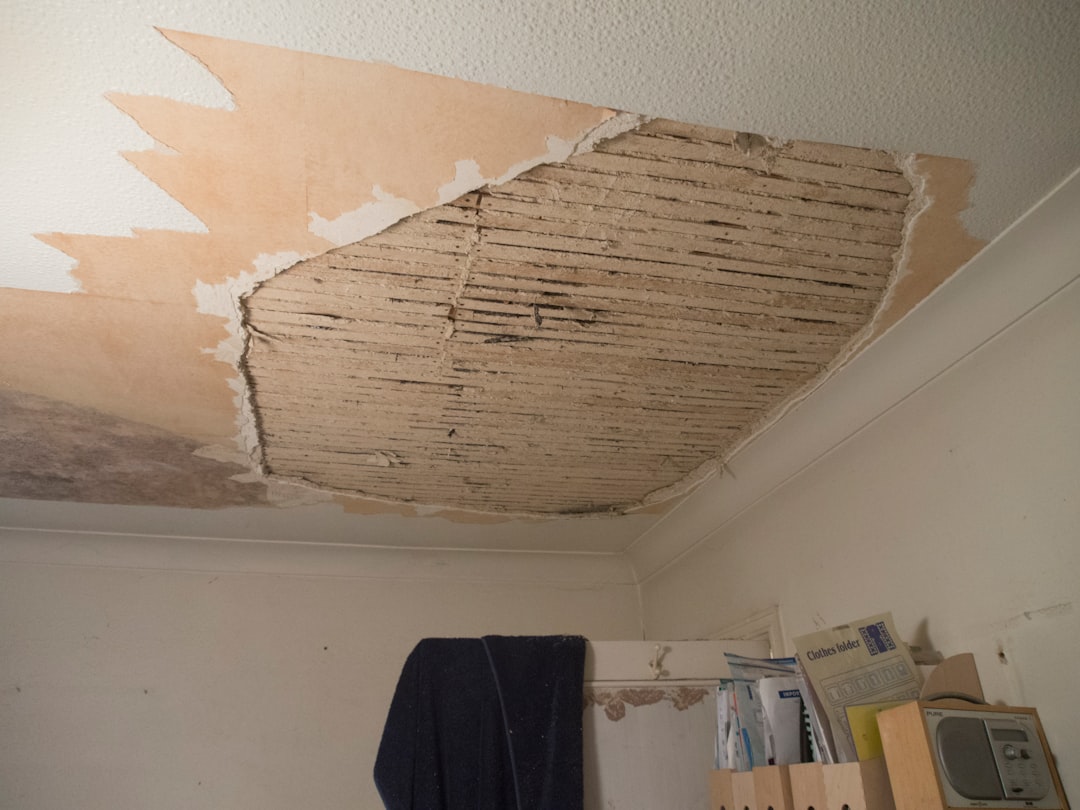
Water damage often triggers higher costs due to moisture checks, potential mold remediation, and texture or repainting to restore a consistent finish. Expect repairs to range from about $500 to $2,500 or more, depending on extent and finish requirements. If mold is present, you may need dedicated remediation work in addition to drywall replacement. For deeper guidance on moisture management and remediation, consider the practical reference linked above.
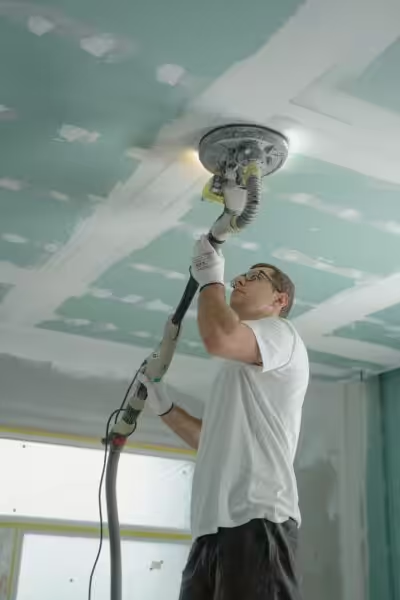
Where to find the right contractor and what to ask
- Check licensing and insurance; verify liability coverage.
- Ask about texture matching experience and whether they can reproduce your ceiling finish.
- Request references and review portfolios of prior ceiling repairs.
- Get a clear, written, itemized estimate with labor, materials, painting, disposal, and any permit considerations.
Cost-saving strategies: how to keep drywall ceiling repair affordable
- Get multiple quotes and compare line items rather than total price alone.
- Bundle minor ceiling repairs to reduce mobilization and setup costs.
- Discuss texture options and whether repainting can be consolidated with existing paint jobs.
- Ask about materials substitutions that don’t compromise finish quality.
What readers should do next
- Take clear photos of all damage, water stains, and any sagging areas.
- Obtain at least three written estimates from reputable ceiling repair contractors in your area.
- Clarify texture matching options and whether repainting is included or separate.
Frequently asked questions about drywall ceiling repair cost
- Is a full ceiling replacement ever necessary? Yes, for extensive damage, structural concerns, or when texture matching across large areas isn’t feasible with patches alone.
- Can a handyman handle ceiling repairs? For small cracks and nail pops, a handyman can be cost-effective; for water damage or structural concerns, a drywall professional is usually safer.
- Will I need to repaint after patching? Typically yes, to ensure color and texture continuity across the repaired area.
Enduring guidance: staying practical throughout the project
Drywall ceiling repairs vary widely, but a disciplined approach helps you control costs without sacrificing safety or finish quality. By accurately diagnosing the damage, selecting the right repair method, and securing several detailed quotes, you’ll better navigate the process and protect your investment.
What readers can share
We’d love to hear about your experiences with drywall ceiling repairs. Have you tackled a patch yourself, or did you hire a professional? Which textures did you match, and how did the final result hold up? Share your story in the comments or tell us about your budgeting strategies for ceiling projects.
For broader editorial context on durable, design-informed renovation budgeting, consider internal references such as our coverage of coastal resort architecture and durable interior finishes. See the Sea Pines Hilton Head Beach Club Guide for coastal-design considerations, or the Belmont Lake State Park Adventure Guide for landscape and pavilion planning perspectives.
