
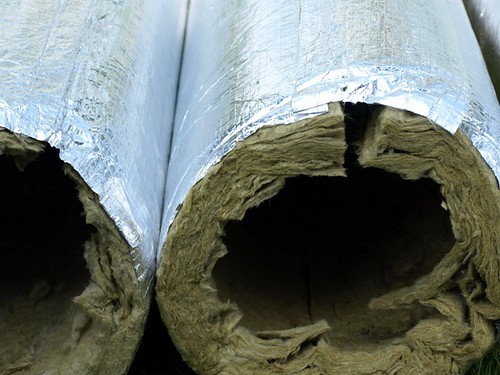
Eco-friendly insulation serves as a crucial component of sustainable living, offering a myriad of advantages that extend beyond simple energy savings. As homeowners become more environmentally conscious, the demand for green insulation alternatives is surging. Traditional fiberglass options are losing favor, primarily due to health concerns, leading many to explore eco-friendly insulation options that promise both efficiency and safety.
The Importance of Eco-Friendly Insulation
Insulation plays a pivotal role in maintaining temperature balance within homes, significantly reducing heating and cooling costs. Opting for eco-friendly insulation materials not only conserves energy but also contributes to a healthier indoor environment by minimizing the presence of toxic substances commonly found in conventional insulation products like fiberglass. Such eco-conscious choices are integral to achieving energy efficiency and sustainability in home design.
Types of Eco-Friendly Insulation
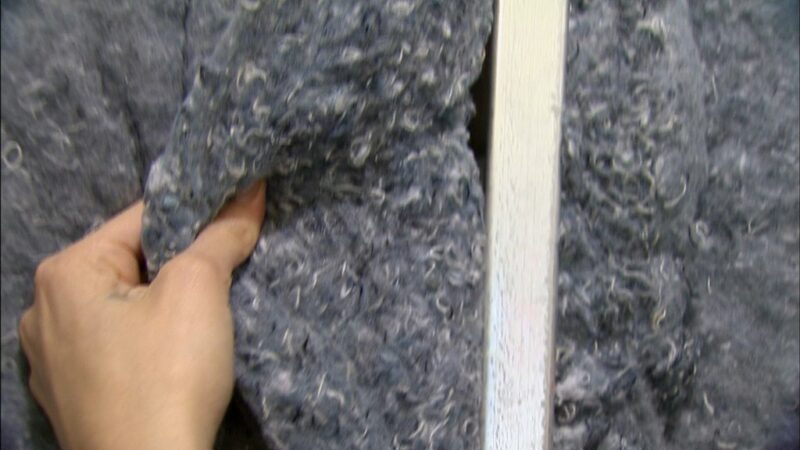
- Sheep’s Wool: A natural insulator, sheep’s wool is known for its fire-resistant properties and moisture management. It efficiently retains warmth through the compressed wool fibers, which form insulating air pockets. Wool is not only biodegradable and renewable but also effective at absorbing and releasing moisture without condensation.
- Cotton/Denim: Crafted from recycled cotton or denim, this option is treated with non-toxic chemicals to enhance safety. Despite being costlier than fiberglass, recycled denim insulation is formaldehyde-free and acts as a natural insect repellent.
- Icynene: This spray foam, derived from castor oil, expands significantly to seal air leaks, thereby reducing noise and energy loss. Although it requires professional installation and proper ventilation due to its tight seals, Icynene offers long-term financial savings through improved energy efficiency.
- Aerogel: Dubbed the “superman” of insulation due to its exceptional insulating properties, aerogel consists of over 90% air, providing high thermal resistance with lightweight efficiency.
- ThermaCork: Derived from the outer bark of oak trees, ThermaCork boasts a negative carbon footprint. It is not only renewable and biodegradable but also features noise-canceling and toxin-free attributes.
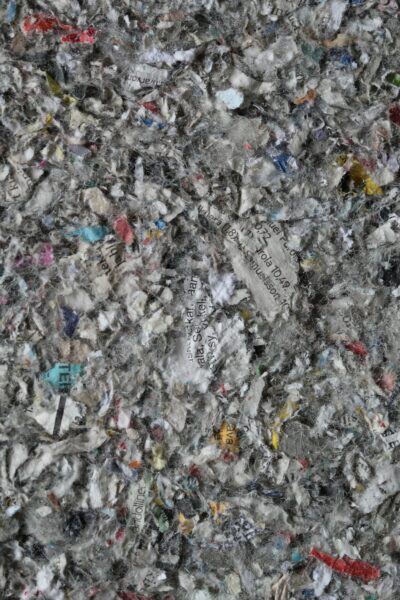
- Cellulose: Made from recycled paper products, cellulose reduces landfill waste and greenhouse gas emissions. It is safe and effective for modern eco-friendly home designs.
- Polystyrene: While this material is synthetic, its ability to provide high R-values justifies its consideration in the realm of green insulation materials.
Performance and Environmental Considerations
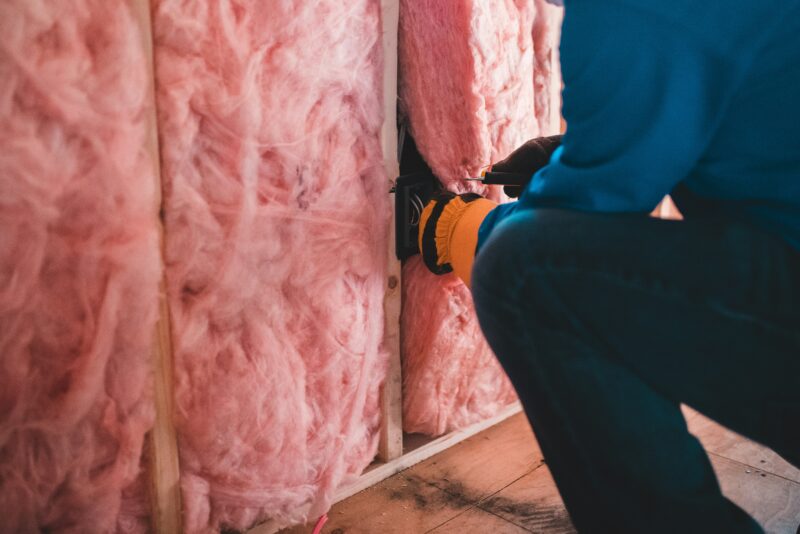
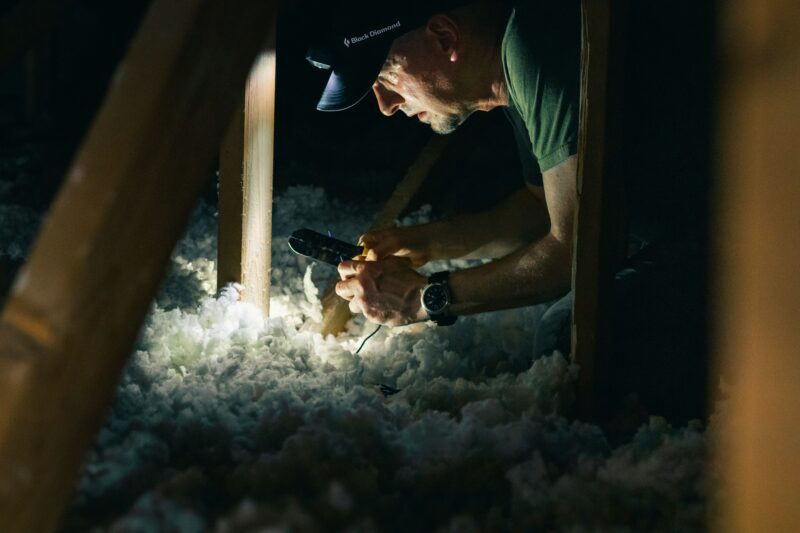
The effectiveness of insulation is measured by the R-value—indicative of its resistance to heat flow. Opting for materials with higher R-values ensures better energy efficacy. Beyond performance, selecting eco-friendly insulation should weigh factors such as manufacturing processes, renewable sourcing, and overall environmental impact. For innovative solutions in this realm, check out the eco-friendly foam developed by Oak Ridge National Laboratory. Insulation should ideally minimize embodied energy and be recyclable or biodegradable at the end of its lifecycle.
Benefits of Eco-Friendly Insulation
Adopting eco-friendly insulation materials offers multifaceted benefits, including:
- Reduction in heating and cooling expenses by up to 50% in some instances, aligning with sustainable living principles.
- Improved indoor air quality, due to fewer harmful compounds like formaldehyde, VOCs, and certain flame retardants present in traditional insulation options. For more on reducing VOCs, consider exploring low VOC paint choices.
- Enhanced thermal comfort, ensuring a more consistent indoor temperature year-round.
- Contribution to reducing the carbon footprint of households via decreased energy consumption and environmentally responsible production practices.
Market and Adoption Challenges
Despite the compelling benefits, broader adoption of eco-friendly insulation can be impeded by initial costs, as many homeowners may opt for cheaper, traditional options. However, the long-term cost-effectiveness and environmental benefits provide substantial justification for the investment in green insulation solutions. An example of innovation in this field is found in hemp insulation developments. Encouraging awareness and integrating incentives would further accelerate the shift towards sustainable construction practices in the industry.
Evaluating Best Options for Homes
No universal solution exists for eco-friendly insulation; thus, homeowners must assess their specific needs. Factors like budget, environmental values, structural specifics, and desired thermal performance should shape the decision-making process. By considering the full lifecycle impact and aligning choices with personal and ecological priorities, individuals can significantly enhance their home's sustainability and energy efficiency. Additionally, addressing heating solutions, such as through heat pump installation, can further improve energy efficiency.
Lazzzy Blackout Insulated Curtains: A Sustainable Choice for Energy Efficiency
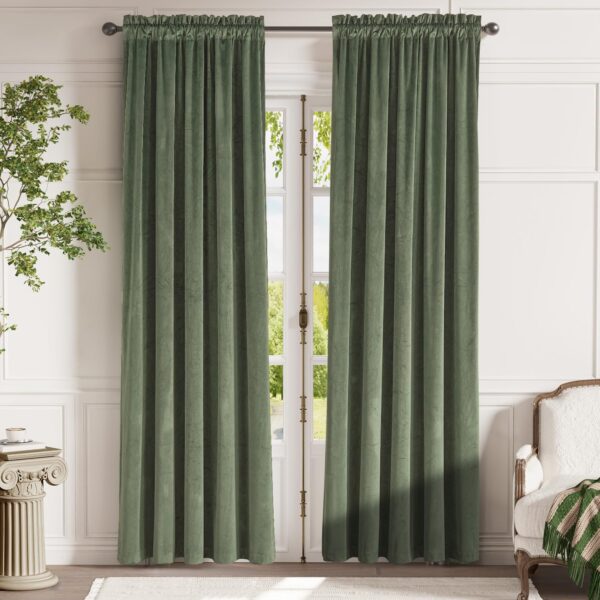
Amid the sea of eco-friendly insulation choices, Lazzzy Blackout Insulated Curtains stand out for their sustainable living appeal. The image displays the luxurious deep green fabric that not only enhances the aesthetic of a room but also promises effective thermal insulation, minimizing energy loss through windows. This translates to a reduction in the reliance on heating and cooling systems, leading to decreased energy consumption and a smaller carbon footprint.
Building Construction Illustrated: Discover Eco-Friendly Insulation Innovations with Francis D.K. Ching
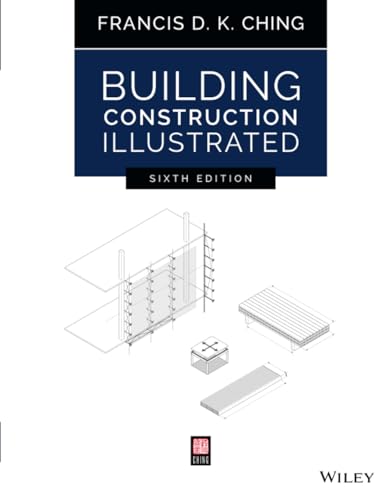
Delve into sustainable construction with "Building Construction Illustrated" by Francis D.K. Ching, an invaluable resource for understanding the intricacies of eco-friendly insulation options. This comprehensive guide offers clear, precise illustrations reflecting modern building standards and sustainable practices. It brilliantly decodes complex concepts, making it an indelible part of a builder's library. Readers gain insights into innovative insulation materials that prioritize energy efficiency and environmental stewardship, thereby contributing to more sustainable living spaces. Explore this essential read for professionals and enthusiasts aiming for greener construction methods. For a detailed exploration of sustainable building techniques, discover the book here.
As we wrap up on exploring eco-friendly insulation, we hope you're feeling inspired to make greener choices for your home! Sustainable living is not just a trend; it's a commitment to a healthier planet. If you're eager to dive deeper and keep up with the latest innovations in eco-friendly living, why not join us on our journey? We share loads of tips and inspiration on our Pinterest boards, where you can find everything from eco-design ideas to stunning architecture projects. For daily updates and behind-the-scenes peeks, follow us on Instagram and our exciting postings on X (formerly Twitter). Oh, and don’t forget to like our Facebook page to catch all our updates and be part of our vibrant community. We love hearing from you and can’t wait to see how you're making your home a more sustainable place. Thanks for reading, and until next time, keep embracing sustainable choices!
