
Food airport security rules are straightforward: solids pass through with minimal fuss, while anything liquid, gel, or paste faces the 3-1-1 rule. If you’re navigating a trip soon, this clear breakdown helps you plan snacks, meals, and baby items without slowing down at the checkpoint. For official guidance on what you can bring, see TSA What Can I Bring? — foods and other items.
How the food screening mindset works
In the United States, security staff categorize items by their physical state. Solid foods such as sandwiches, crackers, fruit, and cheese are generally allowed in carry-on and checked bags and typically don’t trigger the liquids screening. When a food item is spreadable or pourable—think yogurt, sauces, soups, or peanut butter—it becomes subject to the 3-1-1 framework used for liquids and gels. A quick way to remember it: solids stay on the plate; anything that behaves like a liquid goes in the liquid rule bag. This approach is reinforced by official travel guidance that covers packing considerations and checkpoint expectations: TSA Travel Checklist (official).

What you can bring in carry-on: solids, and how to speed inspection
Most solid foods are fine in carry-on bags. To speed things up, keep them organized in an accessible portion of your bag so officers can inspect quickly. Dense or opaque packaging can raise questions, so consider transparent containers for tricky items. If you’re traveling with kids, keep their solid snacks within easy reach for a smoother screening process. For pre-travel planning and packing considerations, consult the TSA Travel Checklist (official) and align your snack strategy with security expectations. Practical product examples worth considering include durable, portable containers such as a Construction Lunch Box and Cloche Tray for organized food transport, which you can explore for context and ideas.
For a compact, travel-friendly storage option, you might also consider Amazon: travel food storage containers as you assemble your kit for the trip.
The 3-1-1 rule for liquids, gels and spreads
When something is a liquid, gel, or paste (yogurt, soups, sauces), it must fit within these limits:
- Each container 3.4 ounces (100 milliliters) or smaller.
- All containers must fit inside a single clear quart-size bag.
- One quart-size bag per traveler.
If you need more than a small quantity, place larger items in checked luggage or purchase after security. For liquids related to medical needs or special diets, there are specific allowances—declare them at screening as required.
Exceptions you should know: baby and medical needs
Some commonly used items are exempt from the standard 3-1-1 size limits when declared at screening:
- Breast milk, infant formula, baby food, and toddler drinks in reasonable quantities.
- Medically necessary liquids (prescription medicines, saline, etc.). These may exceed 3.4 oz but should be declared and may be tested separately.
- Ice packs or gel packs used to keep baby items or medications cold are allowed; if melted and liquid pools form, they might be treated as liquids under 3-1-1 rules.
Frozen items and cooling packs: timing matters
Fully frozen foods are generally allowed in carry-on, provided they show no liquid at screening. If ice packs melt or contain liquid, they must conform to the 3-1-1 standard. For longer trips with perishables, dry ice is an option within FAA limits and must be properly vented and labeled—check airline policies before packing.
Alcohol, canned goods, and post-security purchases
Carry-on alcohol must follow the same 3-1-1 rules for containers, while larger bottles should go in checked baggage according to their content and airline rules. Duty-free purchases can usually be carried through security in a tamper-evident bag, with receipts handy. Canned foods are allowed but may require extra screening due to density or shape.
International travel: why country rules still matter
Even if U.S. security allows an item, the destination country’s customs rules may prohibit certain foods. Fresh fruit, meat, dairy, and other agricultural products are commonly restricted to prevent pests or disease spread. Before you travel, check both TSA guidelines and your destination country’s rules, and declare items where required on arrival forms.
Packing tips to speed screening and avoid confiscation
Make security lines smoother with these practical steps:
- Separate food from electronics and toiletries in an accessible pocket to facilitate inspection.
- Put liquids and gels that meet 3-1-1 into a single clear quart-size bag; labeling can help if you have many small containers.
- Keep baby food, breast milk, and medications in an outer pocket and alert officers at the start of screening.
- Use leakproof containers and consider double-bagging items prone to spills; clear packaging aids rapid inspection.
- If you’re carrying frozen perishables, keep them solid at the checkpoint or plan to check them; consider dry ice if allowed by the airline.
Common questions travelers ask
- Can you bring a sandwich? Yes, as long as it’s solid ingredients; avoid items that look like liquids or gels.
- Can you bring yogurt or a protein shake? Only if the container is ≤3.4 oz and inside your 1-quart bag; otherwise, check it.
- Can you bring baby formula? Yes, in quantities above 3.4 oz; declare at screening.
- Can you bring a full bottle of juice bought before security? Only if it adheres to the 3-1-1 limits; post-security purchases can be carried in certain conditions.
- Are there restrictions on fresh fruit? TSA allows it through security, but some destinations restrict bringing produce—verify destination rules.
What to do if something goes wrong at security
If an item is not allowed, officers typically offer disposal options. For questions or disputes, you can politely ask for a supervisor, consult AskTSA online, or contact the destination country’s customs authority if related to international travel.
Quick pre-flight checklist
- Sort solid foods separately from electronics and toiletries for faster screening.
- Pack liquids/gels ≤3.4 oz in one clear quart bag (the 3-1-1 rule).
- Keep baby food, breast milk and medications accessible and declare them at screening.
- Ensure frozen items stay solid at checkpoint or plan to check them.
- Check destination customs rules for prohibited foods.
Practical reference: at-a-glance table
| Item Type | Carry-On Rule | Practical Tip |
|---|---|---|
| Solid foods (sandwiches, fruit, cookies) | Allowed; may be screened separately | Pack accessible to speed up inspection |
| Liquids & Gels (yogurt, soups, sauces) | Must be ≤3.4 oz (100 ml) and fit inside 1 quart clear bag (3-1-1) | Use travel-size containers or check larger amounts |
| Frozen foods & Ice Packs | Allowed if completely frozen at checkpoint; melted items subject to 3-1-1 | Use dry ice (FAA limits) or fully frozen packs for longer flights |
Food airport security rules are generally straightforward when you separate solids from liquids and follow the 3-1-1 framework for gels and liquids. Remember: officers have screening discretion, airline policies may add limits, and international customs may introduce additional prohibitions. Pack smart, declare necessary items, and you’ll navigate checkpoints with far fewer headaches.
For readers seeking editorial context on practical storage and transport options, see linked explorations such as Construction Lunch Box for portable food organization, Cloche Tray for food-protection considerations, Shared Dorm Items for storage ideas in communal spaces, and High-Altitude Rooftop Gardens for urban-agriculture inspiration.


Did you know you can bring food on a plane? #travelhacks #tsa #travel #foodie #foodhack #snackbox:
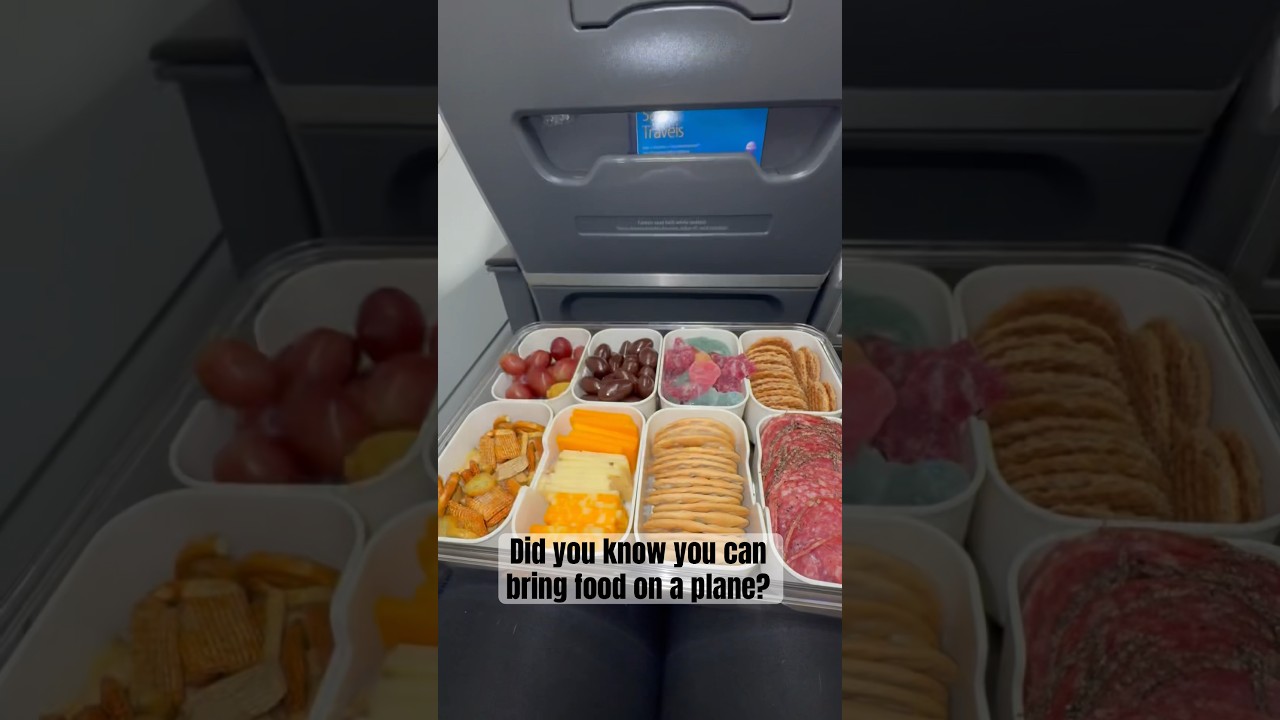
Navigating airport security can feel like a tightrope walk, especially when it comes to understanding the rules around food. With regulations constantly changing, it’s vital to stay informed so you can breeze through security with your snacks intact. Remember to check the latest policies before traveling, as they can differ from airport to airport. Preparing in advance—whether it's knowing what liquids you can bring or how to pack your favorite treats—can make all the difference.
Stay Informed and Snack Smart!
At the end of the day, it’s all about making your travel experience as enjoyable as possible. So, next time you're packing your carry-on, remember these food rules to avoid any last-minute hiccups. If you want to stay updated on travel tips and more delicious content, feel free to follow us on our journey over on Instagram. Here’s to stress-free travels—happy snacking and safe flying!
