
Formal gardens are a beautiful and elegant display of orderliness and beauty. They have been a popular landscaping choice for centuries, and their popularity continues to grow. In this article, we will explore the art of formal gardens, their history, and why they are a stunning display of orderliness and beauty.
What Are Formal Gardens?
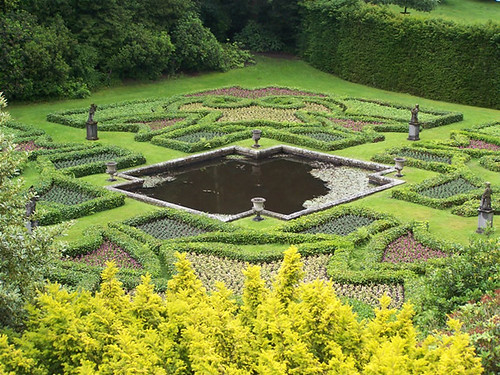
Formal gardens are often defined by their straight lines, symmetrical shapes, and careful placement of plants and structures. These gardens are typically designed to be viewed from above, and as such, they often resemble works of art rather than natural landscapes.
The History of Formal Gardens
The history of formal gardens dates back to ancient Persia, where the practice of landscaping was highly valued. The Persians created elaborate gardens, complete with intricate water features and carefully placed plants. From Persia, the art of formal gardens spread throughout the world, with many cultures developing their unique take on the style.
The Elements of Formal Gardens
There are several key elements that make up a formal garden:
-
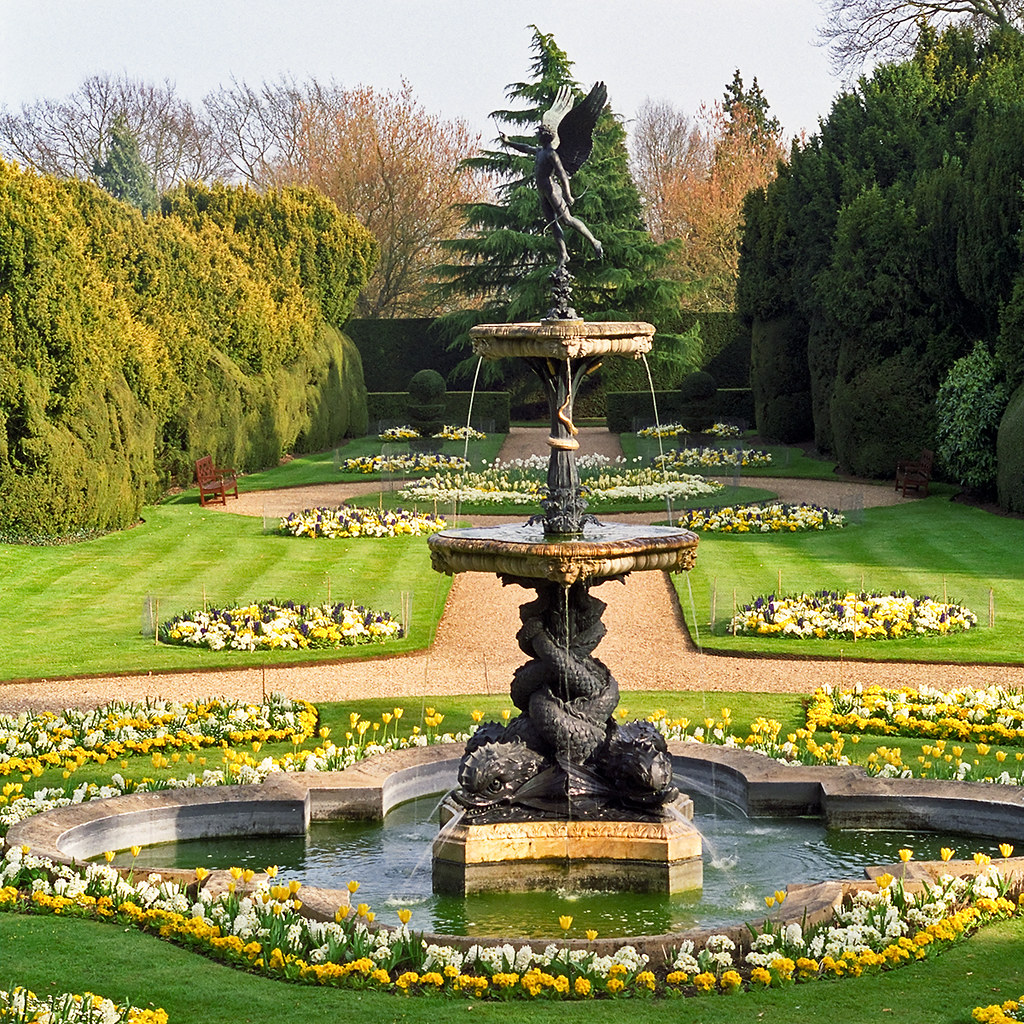
- Symmetry: Formal gardens are often symmetrical, with identical plantings and structures on either side of a central axis.
-
- Parterres: A parterre is a formal garden bed that is typically designed with geometric shapes or patterns.
-
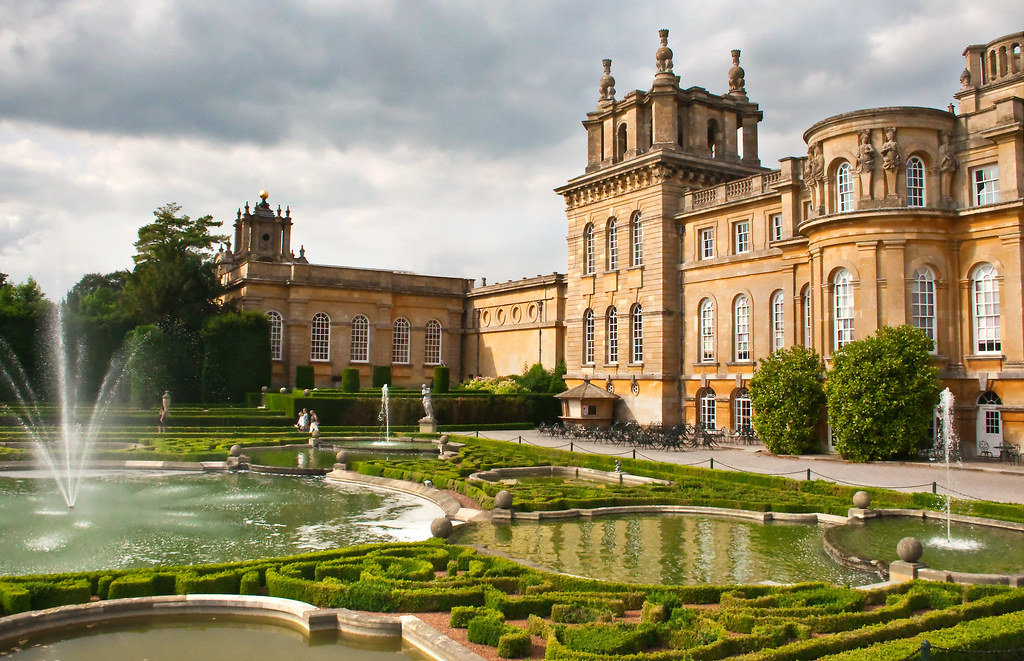
- Hedges: Hedges are a common feature in formal gardens and are used to create barriers or define the space.
-
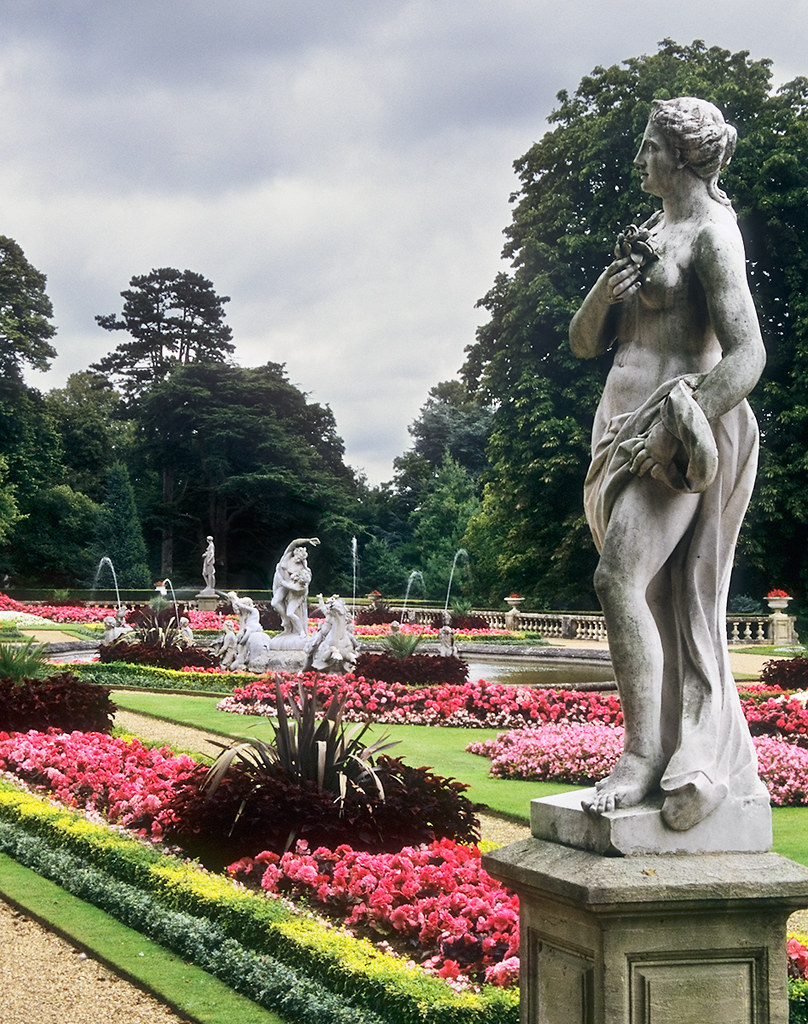
- Water: Water features, such as fountains or pools, are often used in formal gardens to add interest and create a sense of tranquility.
-
- Paths: Formal gardens typically have clearly defined paths that allow visitors to navigate the space.
The Benefits of Formal Gardens
Formal gardens offer several benefits, including:
-
- Visual appeal: Formal gardens are a stunning display of orderliness and beauty. They offer a sense of elegance and sophistication that is hard to match.
-
- Increased home value: A well-designed formal garden can increase the value of a home. These gardens are often viewed as a luxury feature, and homeowners are willing to pay a premium for them.
-
- Low maintenance: Although formal gardens require some upkeep, they are generally low maintenance compared to other landscaping styles.


Conclusion
Formal gardens are a stunning display of orderliness and beauty. They offer many benefits, including visual appeal, increased home value, and low maintenance. Whether you are a homeowner looking to add a touch of elegance to your property or a landscaping enthusiast interested in the art of formal gardens, the beauty of these gardens is undeniable.
