
As a culinary enthusiast, I've found growing culantro to be a rewarding experience filled with fresh flavors. This herb, commonly known as "recao," is essential in many dishes, especially in Latin and Caribbean cuisines. In this article, I’ll guide you through the growing process, from seed to harvest.
1. Understanding Culantro
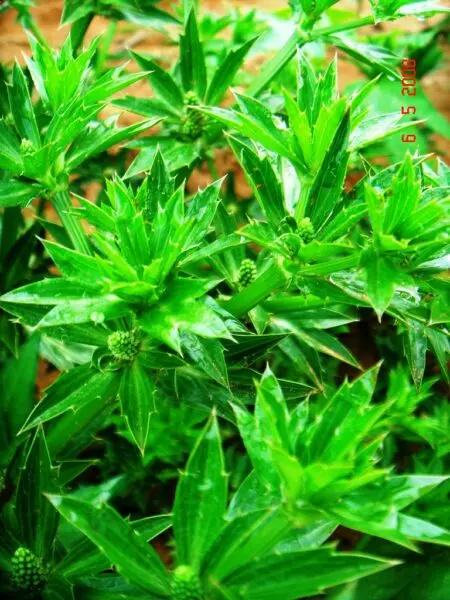
Culantro (Eryngium foetidum) is a tropical herb that resembles cilantro but has a stronger flavor. This versatile herb grows well in warm climates and is often used in salsas, soups, and marinades. Here are some key features of culantro:
- Leaves: The leaves are long, serrated, and can reach up to 12 inches in length.
- Growth Habit: Culantro prefers partial shade and thrives in moist conditions.
- Flavor Profile: The taste is similar to cilantro but more intense.
2. Planting Culantro
For successful growth, follow these planting guidelines:
| Type | Description |
|---|---|
| Seeds | Start seeds indoors about 8-10 weeks before the last frost or sow directly outdoors. |
| Crown Division | Use store-bought culantro crowns and plant them in well-drained soil. |
| Spacing | Space plants about 12 inches apart to allow for growth. |
3. Caring for Culantro Plants
To cultivate healthy culantro, consider the following care tips:
- Watering: Maintain consistent moisture in the soil, especially during dry spells.
- Fertilization: Use a balanced fertilizer every few weeks to promote growth.
- Pruning: Regularly harvest leaves to encourage new growth and prevent flowering.
4. Harvesting Culantro
Harvesting is an essential part of growing culantro. Here’s how to do it effectively:
- Use scissors to snip off the outer leaves, allowing the center to grow.
- Harvest regularly to ensure continuous production of new leaves.
- Store freshly harvested leaves in the fridge for several days to maintain freshness.
5. Additional Resources for Growing Culantro
For those looking for more information on growing culantro, check out these resources: Perennial Herbs Guide, Herbs Planting Guide, and Growing Culantro.