
A reliable professional gutter-guard install in 2026 commonly ranges from $6 to $41 per linear foot, with mid-range micro-mesh systems typically $6 to $13 per foot and premium surface-tension or brand-integrated systems sometimes approaching $39 to $40 per foot. This article shows how those per-foot numbers form, what to measure on your house, and how to convert quotes into a whole-house price you can compare.
How To Turn Per-Foot Prices Into A Real Estimate
Start by measuring the total linear feet of all gutter runs and note story count, roof pitch, and roof access. Multiply total linear feet by the installer’s per-foot price and then add contingency items: 10 to 20 percent for difficult access and a separate allowance for gutter repairs, end-cap replacement, or downspout adapters. For example, a 200-foot home at $6-$13/ft yields $1,200 to $2,600 before contingencies.
Installed Cost Ranges by Guard Type
| Guard Type | Installed Cost per Linear Foot |
|---|---|
| Basic Screens / Perforated Covers | $1.50 - $3 |
| Micro-Mesh / Fine Mesh | $6 - $13 |
| Reverse-Curve / Surface-Tension / Brand-Integrated | $10 - $40+ |
Site Factors That Drive Final Price
Labor is the principal variable. Two-story houses and steep roofs typically add $2 to $4 extra per foot for safety rigging and longer installation time. Complex rooflines with valleys, dormers, and many short runs increase cutting and fitting time. If gutters require cleaning, realignment, or section replacement before guards go on, expect those items to appear as separate line items.
Comparing Quotes: What To Confirm Line-by-Line
- Whether the quoted per-foot price includes preinstallation cleaning and disposal of debris.
- If minor gutter repairs, hangers, or end-cap replacement are included or billed separately.
- Which exact product the installer will supply (brand and model) and the material: stainless-steel micro-mesh, aluminum, or polymer foam.
- Warranty details: material warranty length and whether the installer offers a clog or performance guarantee.
DIY Versus Professional Installation: Cost and Risk Trade-Offs
DIY material costs for simple snap-in or screen systems typically run $2 to $10 per foot, but micro-mesh and surface-tension systems require precise fit to maintain proper roof-to-gutter water flow. For second-story work or steep roofs, professional installation reduces safety and performance risk even if it increases per-foot cost. For DIYers shopping tools and parts, consider gutter guard installation kits on Amazon for basic fasteners, brackets, and hand tools used in retrofit installs.
Typical Whole-House Examples
- Small one-story home (approx. 120 ft). Mid-range micro-mesh at $6-$13/ft = about $720 to $1,560 before contingencies.
- Average two-story home (approx. 200 ft). Mid-range pro install = $1,200 to $2,600; budget an extra $400-$1,000 for second-story labor if required.
- Large or complex roofs (300+ ft or many valleys). Expect $1,800+ and add for premium systems or difficult access.
Maintenance, Lifespan, and Long-Term Value
Gutter guards reduce cleaning frequency but rarely eliminate maintenance entirely. Micro-mesh filters fine debris but will collect shingle grit and may need periodic flushing; solid-surface or surface-tension designs shed big leaves more reliably but cost more up front. Ask each installer for expected service intervals, common failure modes, and replacement costs for the specific model they propose.
Local Grants, Cost Offsets, and No-Cost Options
Some municipalities or districts fund partial installs or provide discounts where clogged gutters create wildfire or flood risk. For an example of a local grant program that covers gutter-guard installation costs or subsidies, review the Orinda MOFD Gutter Guards Grant Program, which illustrates how local funding can reduce homeowner outlay and change the cost calculus when comparing quotes.
Warranty, Company Choice, and When To Pay More
Pay a premium when an installed system includes a transferable, written performance guarantee that covers clogging and water overflow. Independent installers may undercut per-foot pricing; verify what they will do if a system clogs or damages gutters. Treat written warranty terms and documented service response times as monetary items in the quote comparison.
Common Quoting Mistakes That Raise Real Costs
- Comparing per-foot prices that omit preparatory work such as cleaning or minor repairs.
- Selecting a low-cost mesh in settings dominated by pine needles or heavy-leaf debris; it will clog faster and increase maintenance costs.
- Assuming the cheapest installer includes ladder fees or access charges for second stories.
- Failing to confirm whether warranty service requires separate trip charges for future maintenance visits.
Practical Steps To Request Accurate Estimates
Measure gutters, photograph every roof run from the ground, note story count and pitch, and list problem areas such as heavy overhanging trees. Request three itemized, written quotes that separate per-foot material and labor, preparatory cleaning, repairs, disposal, and warranty details. Insist the quote names the product or model and states whether the installer will clean gutters before mounting guards.
How Guard Design Affects Installation Time and Cost
Different guard designs impose different fabrication and attachment time. For an overview of types, installation steps, and maintenance tradeoffs that determine labor time and long-term cost, see the Leaf Relief Gutter Guards - online lesson, which explains common designs, fastening methods, and the maintenance each requires.
Where To Read Related Architecture Adrenaline Guidance
For complementary practical guidance on pricing and labor considerations, consult these Architecture Adrenaline resources: the site’s dedicated cost page Gutter Guard Installation Cost, a focused labor analysis at Gutter Guard Installation Labor Costs Explained, and a short maintenance checklist at 7 Tips to Keep Your Gutters Clean. Each internal page provides figures, tradeoffs, and contractor questions that help calibrate quotes for your specific roof.
Quick Decision Checklist
- Are pine needles or tiny debris dominant? Favor micro-mesh and confirm expected flushing intervals.
- Do you prefer lowest maintenance even with higher up-front cost? Consider surface-tension or brand-integrated systems with strong written warranties.
- Is the house multi-story or steep? Plan to budget extra for professional labor and safety rigging.
Conclusion. Use measured linear feet, at least three itemized quotes, and warranty comparisons to convert per-foot prices into a defensible whole-house budget. Include contingencies for access, repairs, and disposal. When local funding programs are available they can materially reduce upfront cost and change the recommended solution for that property.
How Much Do Gutter Guards Cost:
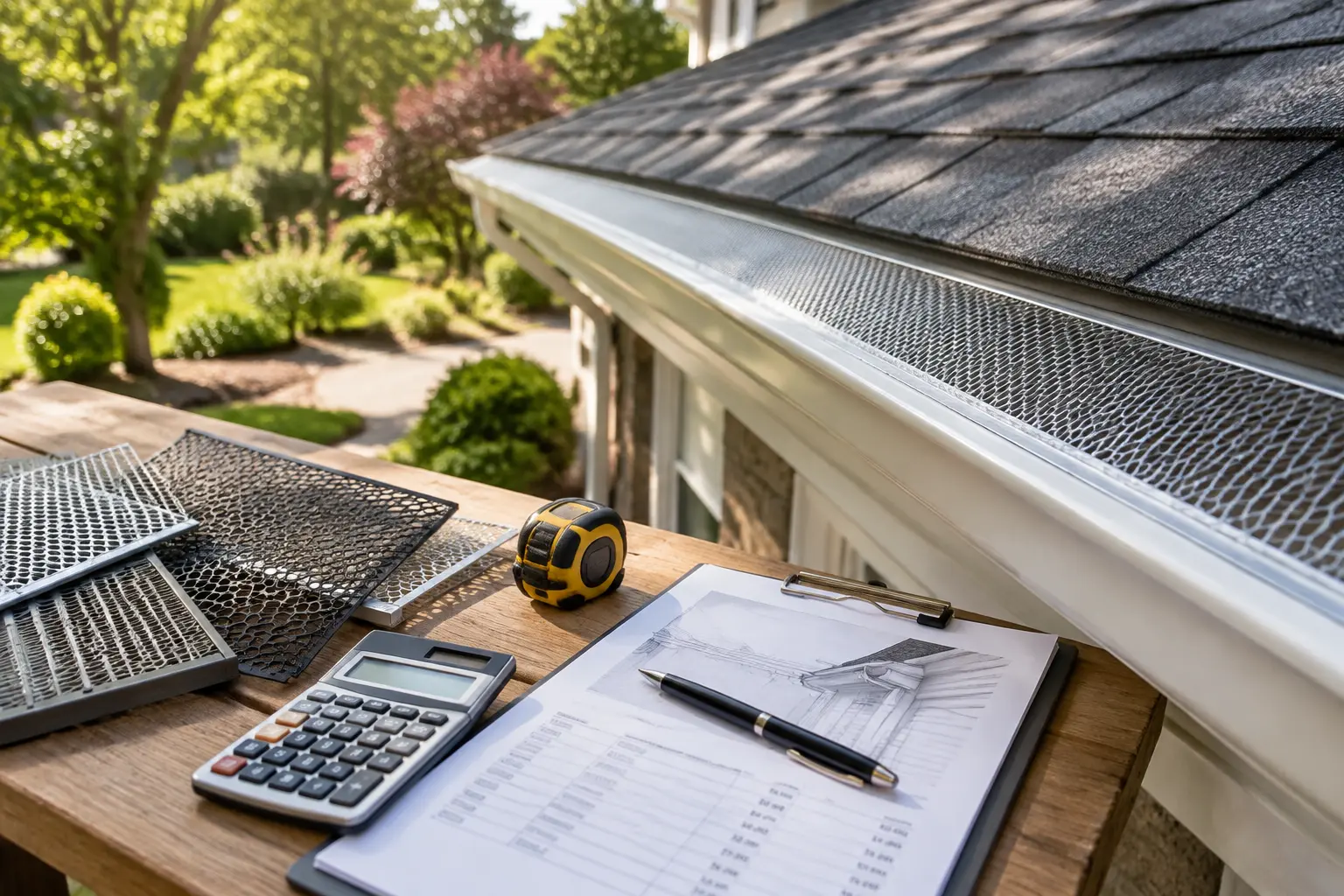
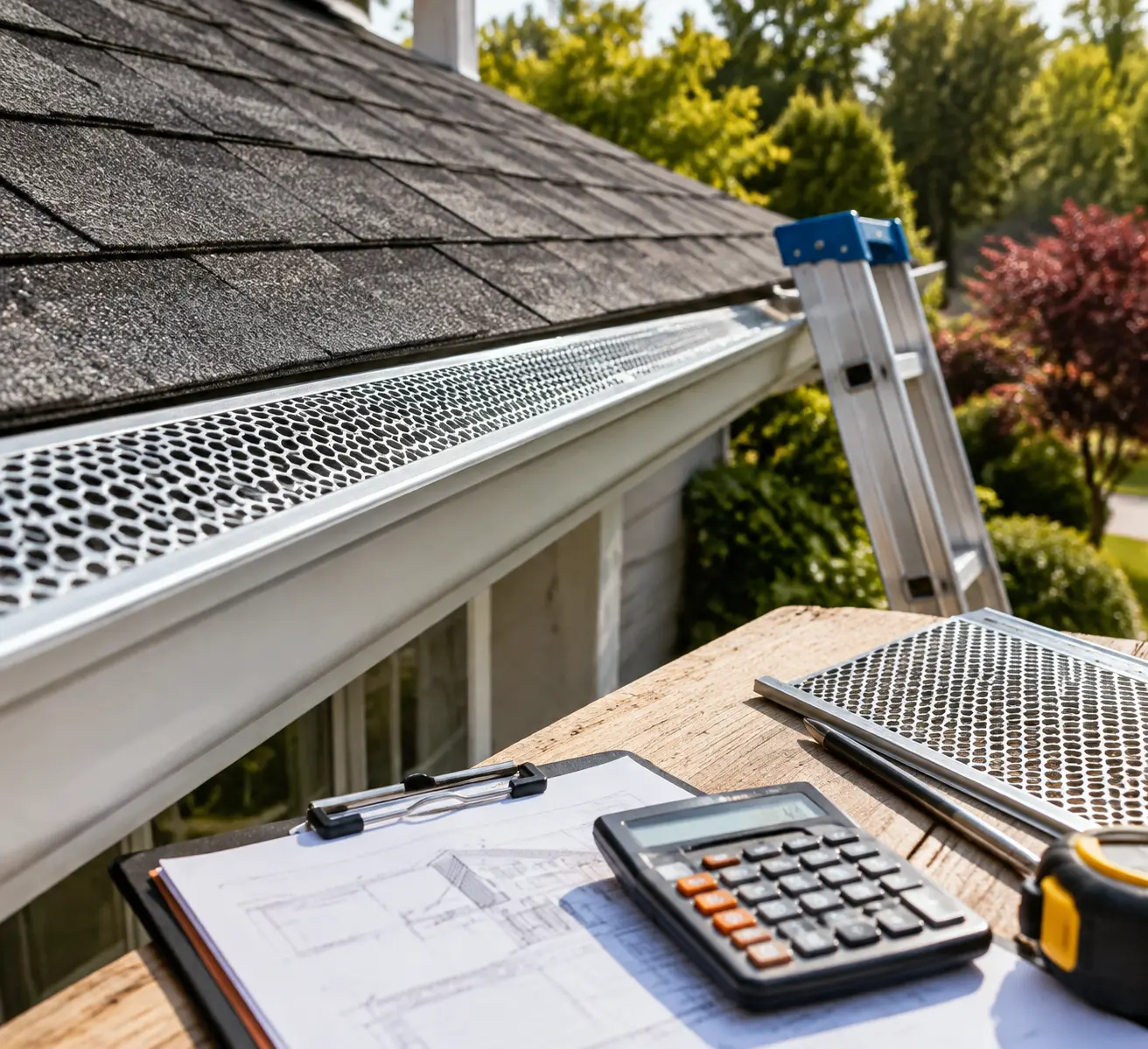
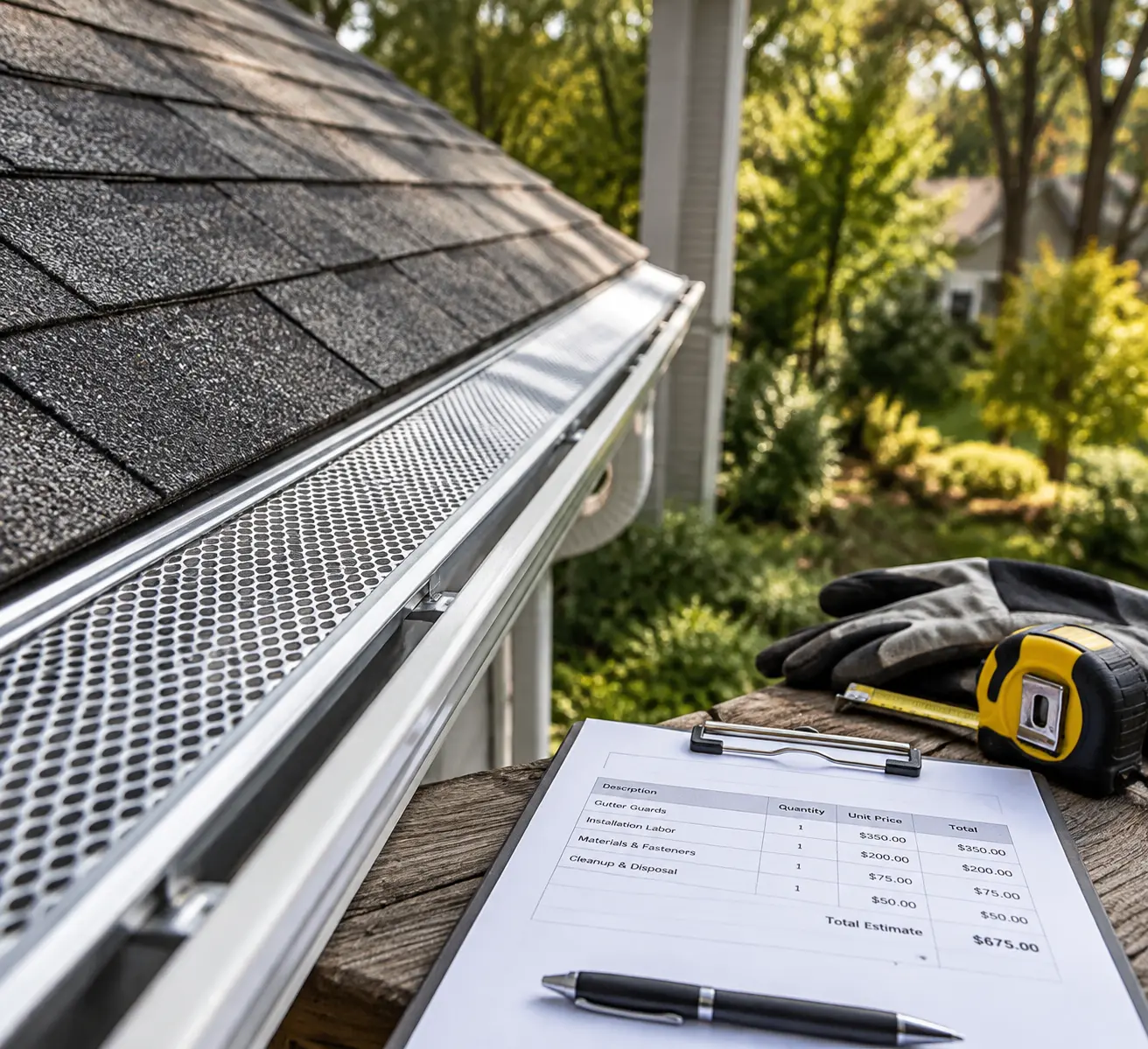
The average gutter guard installation cost ranges from approximately $650 to $2,500 depending on the home size, gutter footage, guard type, and installation complexity.
Installing gutter guards can be a worthwhile investment for homeowners looking to reduce maintenance and protect their gutters from debris, water damage, and pests. Understanding gutter guard installation cost requires considering your home's linear footage of gutters, the quality and type of guard materials, labor factors, and any necessary repairs or adjustments. When comparing local contractors, it's essential to be mindful of how project scope—like accessibility and roof pitch—influences quotes and total cost. Moreover, prospective customers should be aware of any permits or local regulations that might apply to gutter modifications in their service area.
Gutter Guard Installation Cost Snapshot
The following table provides estimated cost ranges based on gutter linear footage and the typical installation scope observed nationwide. These prices vary based on material quality, installation difficulty, and contractor pricing models.
| Gutter Length (Linear Feet) | Basic Material & Installation | Mid-Tier Material & Installation | Premium Material & Installation |
|---|---|---|---|
| 50 ft | $300 - $700 | $700 - $1,200 | $1,200 - $1,800+ |
| 100 ft | $600 - $1,000 | $1,100 - $1,700 | $1,800 - $2,500+ |
| 150 ft | $900 - $1,500 | $1,600 - $2,200 | $2,500 - $3,500+ |
| 200 ft | $1,200 - $2,000 | $2,100 - $2,800 | $3,000 - $4,500+ |
Note: Prices include labor and material but may not cover additional repairs, disposal fees, or permit costs. Always request detailed quotes.
Gutter Guard Installation Contractor Bid Comparison Checklist

This keyword does not specify a city, so this guide avoids showing a location-specific contractor table that could mismatch the title. Use the checklist below to compare qualified contractors in your own service area.
- Ask each contractor to price the same panel size, breaker count, grounding scope, utility coordination, permit, inspection, and drywall or exterior repair assumptions.
- Confirm license, insurance, service-panel brand, labor warranty, material warranty, and whether the electrician or homeowner pulls the permit.
- Compare line items for emergency shutoff, meter work, load calculation, AFCI/GFCI updates, surge protection, disposal, and final inspection.
- Require photos of the existing panel and a written change-order process before approving work.
Key Factors Affecting Gutter Guard Installation Cost
The final cost to install gutter guards depends on several important factors. Material choice is one of the biggest influencers — inexpensive plastic or mesh guards cost less upfront, while premium stainless steel micro-mesh or aluminum guards command higher pricing but often deliver better durability and debris filtration.
Labor rates vary by location and complexity of the installation. Homes with steep-pitched roofs, multi-story structures, or difficult gutter access can increase labor hours and costs. Contractor minimum charges often apply, which means smaller jobs might be priced closer to a base fee regardless of footage.
Additional costs may arise from gutter repairs needed before guard installation, disposal of old guards or debris, and any required permits or local inspections. Some regions require permits for gutter alterations, which adds administrative fees and potential inspection costs.
Quote transparency is vital. A reliable contractor will provide an itemized estimate covering materials, labor per linear foot, disposal fees, and any contingencies like unseen gutter damage. This methodology helps normalize quotes and enables fair comparisons among local providers.
Selecting a Contractor for Gutter Guard Installation

Choosing the right contractor ensures a quality installation and fair pricing. Follow this practical checklist to evaluate local gutter guard contractors:
- Verify Licensing and Insurance: Confirm the contractor holds valid business licenses and adequate insurance coverage to protect against on-site accidents or property damage.
- Request References and Portfolio: Ask for recent project photos and customer testimonials specifically related to gutter guard installations in homes similar in size and complexity.
- Obtain Multiple Written Estimates: Get at least three detailed, itemized quotes including materials, labor, disposal, and any potential extras to compare pricing and scope thoroughly.
- Discuss Material Options: Ensure the contractor uses quality materials suitable for your climate and property conditions and explain differences between product tiers.
- Confirm Permit Handling: Clarify whether the contractor will acquire necessary permits, handle inspections, and ensure local code compliance.
- Check Warranty and Service Terms: Understand manufacturer warranties on gutter guards and labor guarantees offered by the installer.
- Review Contract Thoroughly: Before signing, verify all project details, timelines, costs, payment terms, and cleanup responsibilities are clearly documented.
Using this structured approach will help homeowners hire trustworthy professionals who deliver reliable, long-lasting gutter protection.
Typical Timeline for Gutter Guard Installation

Gutter guard installation projects generally follow a straightforward schedule but can vary based on home size and installation complexity. A typical process is as follows:
- Initial Consultation and Estimate: Within a few days, contractors assess your gutters, discuss material options, and provide a detailed written bid.
- Permit Acquisition (If Required): Securing permits can take from several days up to two weeks depending on your local building department's processing times.
- Scheduling and Preparation: Once permits are approved and materials ordered, scheduling installation typically occurs within one to two weeks.
- Installation Day(s): For average homes (100–150 linear feet of gutters), installation usually takes one day. Larger properties or those with difficult access may require 1–2 days.
- Project Completion and Cleanup: After installation, the contractor removes debris, ensures gutter function, and addresses any punch list items.
By understanding this timeline and communicating clearly with your contractor, you can set realistic expectations for project completion and avoid delays.
Permits and Regulations for Gutter Guard Installation
In many regions, installing gutter guards is considered a minor exterior home improvement and often does not require a permit. However, this varies by your local building department and state codes. It's essential to verify permit requirements before beginning the project, as unauthorized work can lead to fines or complicate future home sales.
If your area requires permits, these usually involve submitting an application outlining the scope of work, materials used, and installation methods. Some jurisdictions may require inspection post-installation to ensure work complies with building codes, particularly for water diversion and roof drainage safety.
Licensed contractors typically handle permitting as part of their service offering. When obtaining bids, confirm that permit costs and handling are included or clearly outlined. For DIY installations, homeowners should contact their local building department directly to obtain guidance.
Consult your state licensing board or local building authority websites to verify contractor licenses and get accurate permit information in your service area. This due diligence protects your investment and ensures adherence to all applicable regulations.
How much are gutter guards for a 2500 square-foot house?
For a 2500 sq ft house with roughly 150–200 linear feet of gutters, gutter guard installation typically costs between $1,000 and $3,500 depending on material quality and installation complexity.
Do I need a permit to install gutter guards?
Permit requirements vary by location; many areas do not require permits for gutter guard installation, but check with your local building department to be sure.
What types of gutter guards are available?
Common types include mesh, screen, reverse curve, foam, and micro-mesh guards, each offering different durability and debris protection features at varying price points.
Can I install gutter guards myself to save money?
DIY installation is possible and cheaper in materials but requires proper tools, safety precautions, and some skill to ensure effective performance and avoid damaging gutters.
Local Pricing, Permit, And Source Quality Check
This guide treats gutter guard installation cost as a contractor bid-planning problem, not a single national average. The estimate logic separates trip minimums, labor hours, material tier, access difficulty, disposal, permit or inspection fees, and a hidden-repair contingency so quotes can be compared on the same scope. The local comparison set used for bid sanity checks includes The Brothers That Just Do Gutters, Lyndsey Roofing, LLC, Roofer of Wappingers Falls LLC, All Seasons Roofing & Siding Inc.
For Poughkeepsie, NY 12603 projects, verify whether the work triggers a building permit, energy-code requirement, historic-district review, lead-safe rule, or final inspection before signing. Ask each contractor to state who pulls the permit, who schedules inspection, and how change orders are priced if concealed damage appears.
Estimating the cost of gutter guard installation involves various factors, including materials, labor, and the size of the property. Understanding these components can help you budget effectively and avoid surprises down the line. It's beneficial to get multiple quotes from contractors to find a price that works within your budget.
More from Architecture Adrenaline
For more insights and tips on home improvement projects, check out our social channels for additional posts. You can follow us on Instagram for updates and inspiration on your next project.
