
Typical national installed inground pools in 2026 range from roughly $40,000 for budget vinyl liner installs to $120,000 or more for custom gunite pools, with a practical mid-range around $65,000. This article breaks down the drivers behind those numbers, gives realistic ranges by shell type, flags hidden add-ons that commonly blow budgets, and points to financing and quoting strategies that keep surprises small.
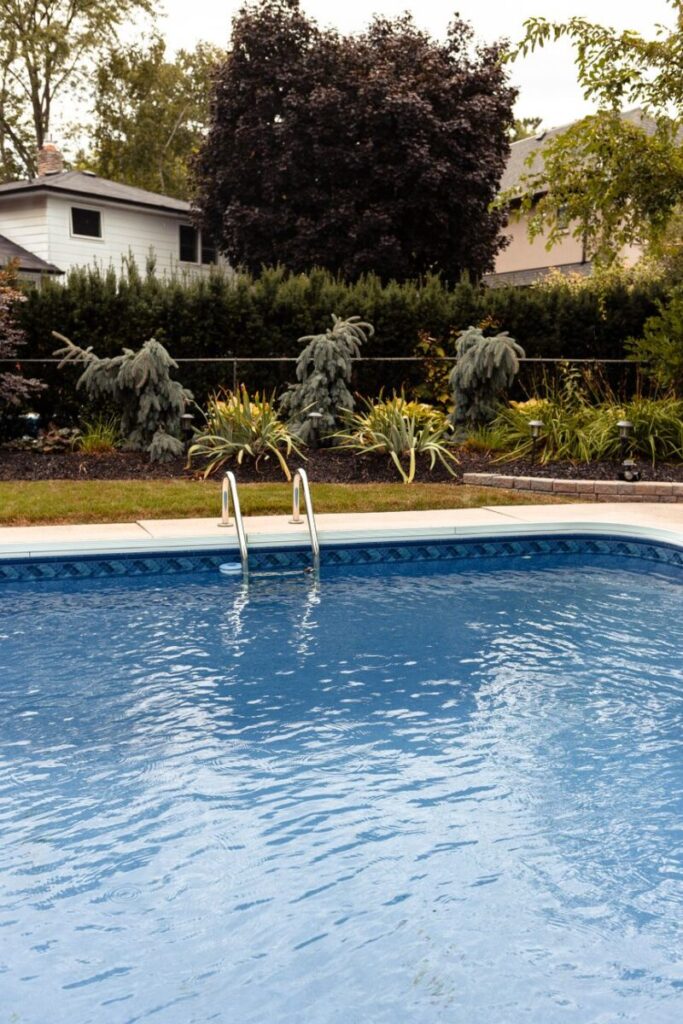
Installed Price Ranges by Pool Shell
Shell material sets the baseline and largely determines long-term upkeep; vinyl, fiberglass, and gunite create very different lifecycle profiles. For a consolidated review of installed ranges and regional variation, see the site overview on inground pool cost which provides comparative examples and common scope definitions used by contractors.
- Vinyl liner: roughly $40,000-$75,000 installed. Lower initial cost, but expect liner replacements every 7 to 12 years at $3,000-$8,000 each.
- Fiberglass: roughly $45,000-$100,000 installed depending on size and dealer markups; faster installs and reduced resurfacing expense often lower lifecycle cost. University of Missouri analysis shows fiberglass pricing in 2024-2025 and breaks down major cost drivers such as mold size, delivery, and site preparation for the shell Average cost of fiberglass pool, University of Missouri.
- Gunite / concrete: roughly $60,000-$120,000 or more; offers full customization but requires periodic resurfacing every 10-15 years that can add thousands to lifecycle cost.
Site Work, Permits and Soil Costs
Site preparation frequently shifts a quote by several thousand dollars or more because excavation difficulty and required engineering change labor and equipment rates. Typical permit fees and inspection requirements appear in published municipal examples, and concrete-specific site contingencies are summarized in the site guide to concrete pool costs, which lists common line items such as surface finish, additional steel, and specialized drainage work.
- Excavation and haul-off: accessible flat yards keep costs low; tight access, large spoil, or steep slopes add mobilization and labor expenses.
- Rocky or unstable soils: expect specialty equipment, rock removal, or engineered backfill which can add thousands; in extreme cases geotechnical reports are necessary.
- Permits and inspections: typical residential permits often range from a few hundred to about $2,000 depending on jurisdiction and required plans.
How Size, Shape and Features Change the Budget
Cost scales with excavation volume, shell surface area, water capacity and equipment capacity; a 15-by-30-foot pool will require a significantly larger pump and heater than an 8-by-16 plunge pool. Specify each optional feature as an allowance on the estimate to keep upgrades transparent and comparable between bids.
- Smaller plunge or compact lap pools can save 20 to 40 percent relative to family-sized pools by reducing excavation and equipment requirements.
- Features such as infinity edges, spillover spas, custom tile, waterfalls, and large tanning ledges typically add 10 to 50 percent to the base price.
- Decking, fencing, and landscaping are common add-ons; expect $15,000-$50,000 extra for extensive hardscape and pool-integrated patios.
Equipment, Efficiency and Long-Term Operating Costs
Two identical shells can have very different total ownership costs depending on equipment choices; variable-speed pumps and heat pumps often cut annual energy bills by 30 percent or more compared with single-speed pumps and gas heaters. For a practical breakdown of recurring maintenance and annual cost assumptions, consult the pool maintenance calculator and guides at pool maintenance cost calculator.
- Variable-speed pumps, LED lighting, high-efficiency heaters, and automatic covers reduce energy and chemical use; they raise upfront cost but lower annual bills.
- Salt systems, heat pumps, and smart automation add to the installed price but often reduce ongoing chemical or fuel expenses.
- Plan lifecycle maintenance: vinyl liner replacements, concrete resurfacing, and occasional equipment replacement are predictable future expenses.
Basic ongoing supply and chemical management items can be purchased as kits; consider a pool maintenance kit on Amazon when modeling first-year operating costs, but price out individual chemicals and replacement parts separately for long-term budgeting.
Installation Cost Components and Regional Variation
Ballpark installation ranges depend on permits, site prep, shell, decking, and equipment; a clear component-level budget helps compare bids. Industry cost aggregators break these components into predictable buckets and regional multipliers, giving a more defensible estimate than a single lump-sum number In-ground pool installation cost, Current Cost.
- Permits and plans: local fees and engineering vary widely and should be listed separately on estimates.
- Shell and equipment: shell cost tends to be fixed by material while equipment scales with volume and desired performance.
- Decking and finishes: hardscape and tile selections are the most discretionary and therefore the largest source of variance between comparable quotes.
Financing Options and Timing That Affect Monthly Cost
Financing changes cashflow but not installed price; compare APR and total interest. Home equity loans and HELOCs typically offer lower rates than unsecured personal loans, while builder-syndicated loan programs can have faster approvals but higher fees. Ask bidders whether quoted prices assume immediate start or a queued schedule, since off-peak work windows can reduce mobilization costs.
- Common options: unsecured personal loans, home equity loans or HELOCs, and builder-led lender networks that offer fixed monthly pool loans.
- Builder financing can simplify approval, but always compare APR and total interest to bank products before committing.
- Seasonality: off-peak seasons may produce lower bids or quicker scheduling; ask contractors about shoulder-season discounts.
Alternatives That Lower Installed Cost
Semi-inground systems and aboveground installations with custom decking keep the finished look but reduce excavation and retaining requirements. Evaluate how reduced excavation affects drainage, frost-line details, and adjacent landscaping to avoid problems that transfer cost to future repairs.
- Semi-inground or Stealth systems install partially buried shells to reduce excavation, retaining-wall work and associated costs.
- High-quality aboveground steel-wall pools with custom decking can mimic an inground aesthetic at a lower installed price.
- DIY or owner-managed installations can save money on supervision and labor, but expect more responsibility and potential schedule risk.
How to Get Accurate, Comparable Quotes
Preparation and consistent scope produce the best apples-to-apples estimates; supply a one-page brief that includes shell type, plan dimensions, depth profile, and access limitations. Require itemized bids that separate shell, excavation, equipment, electrical, decking, permits, and a contingency allowance for unforeseen conditions.
- Prepare a one-page brief: desired shell type, plan dimensions, depth profile, mandatory features, access notes, and any site constraints such as trees or utilities.
- Ask bidders to itemize shell, excavation, equipment package, electrical work, decking allowances, permits, and an unforeseen-conditions allowance.
- Obtain at least three written estimates, check local references, and confirm contractor licensing and insurance. Tie payments to completed milestones in the contract.
For benchmarking fiberglass proposals specifically, dealer price sheets reveal which elements are typically bundled into a dealer quote and which are commonly excluded; review manufacturer or dealer price sheets before accepting a turnkey number.
Inspection Checklist Before Signing
Confirm these items to avoid common overruns and warranty disputes; written responsibilities and explicit allowances reduce later disagreement. Require the contract to specify shell warranty terms, equipment warranties, and responsibility for final grading and landscaping adjacent to the pool.
- Access plan for equipment and excavators, and written mobilization costs if access is tight.
- Soil or geotechnical report for unusual soils; require contractor to state responsibility for additional stabilization work.
- Detailed warranty language: shell warranty, equipment warranty, and who covers tile, grout, coping and workmanship issues.
- Clear schedule, payment milestones, and a specific allowance for unforeseen conditions.
| Pool Category | Installed Price Range | Typical Lifecycle Note |
|---|---|---|
| Vinyl Liner | $40,000-$75,000 | Liner replacement every 7-12 years |
| Fiberglass | $45,000-$100,000 | Minimal resurfacing; faster install |
| Gunite / Concrete | $60,000-$120,000+ | Highly customizable; resurfacing every 10-15 years |
To narrow these ranges for your city, gather local permit fee schedules and two or three full, line-item bids from builders who have completed projects in similar yards. Bring exact site photos and a short brief to each meeting to keep quotes comparable and to ensure the bids address the same scope.
```
Related Video
Building an inground pool involves various factors that influence the overall cost, including size, materials, and location. Taking the time to evaluate these details can lead to a better understanding of the total investment required. Costs can also vary significantly depending on the specific features you choose, such as lighting, heating, and surrounding landscaping.
More from Architecture Adrenaline
For those looking for further insights, additional posts and updates can be found on our social channels. For example, check out our latest ideas on Instagram for inspiration on your next project. Understanding the dynamics of pool construction can help you make informed decisions as you plan your outdoor space.