
How to Choose a Japanese Fence Design starts with deciding between a traditional bamboo or wood fence, a modern cedar interpretation, or a low‑maintenance synthetic panel—each option changes the look, durability, and maintenance of your garden boundary. This guide blends traditional forms with contemporary materials, preserves useful details from two sources, and adds practical steps to help you select a fence that fits your site and lifestyle. For historical context and construction options, consider the mud‑infill and shrine‑perimeter precedents linked below to inform boundaries in garden design.
Quick Start: Pick a Style, Then Material
Begin by selecting the overarching style that best suits your site: light screening using a yotsume‑gaki, denser privacy with a take‑gaki, or a contemporary take with horizontal cedar slats or synthetic panels. Then choose materials based on climate, maintenance tolerance, and budget—authentic bamboo for atmosphere, cedar for structure and longevity, or HDPE panels for near‑zero maintenance and UV resistance. For historical context and material options, see Tsuiji (mud/clay infill fence) and Tamagaki (shrine perimeter fence).
| Design Goal | Best Materials | Typical Height / Use |
|---|---|---|
| Frame views & add texture | Bamboo yotsume‑gaki or ajiro panels | 30–48 in (low screens, path edges) |
| Tea‑garden authenticity / ceremony | Traditional take‑gaki (bamboo) with cedar posts | 36–60 in (semi‑private to private) |
| Modern privacy with longevity | Western red cedar or shou‑sugi‑ban cedar; HDPE synthetic bamboo | 60–72 in (privacy screens, property lines) |
Traditional Fence Types At a Glance
Know a few classic forms so design choices align with function:
- Yotsume‑gaki (four‑eye fence): grid‑style bamboo screen framing views or edging trails.
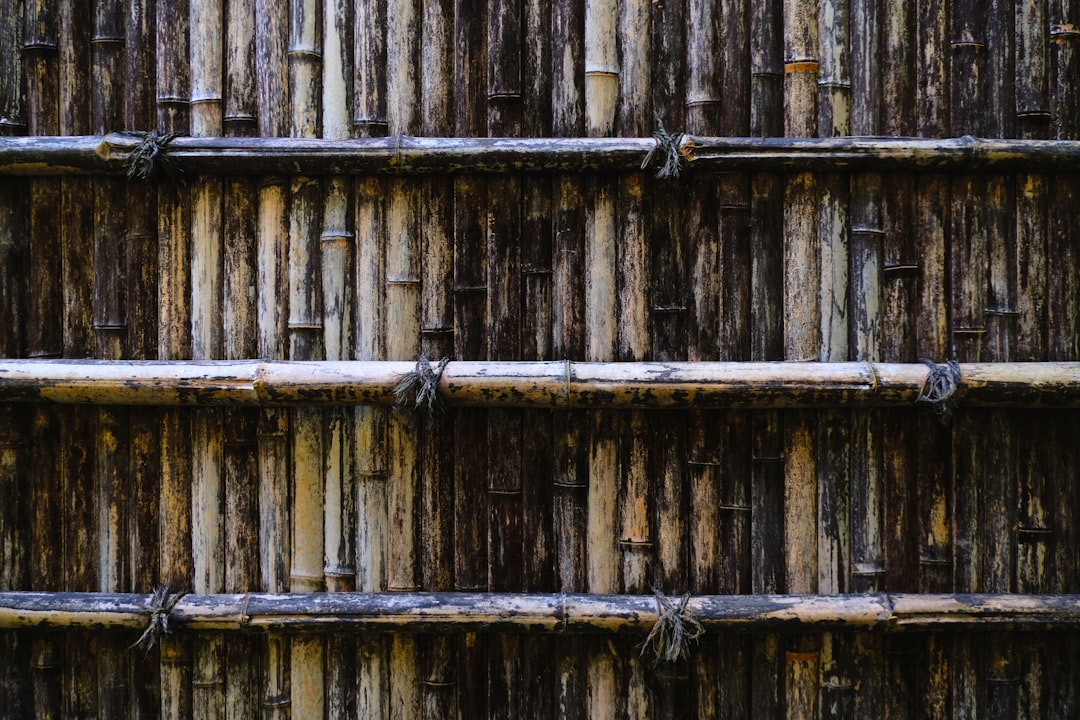
- Take‑gaki: vertical bamboo canes bound together; ranges from semi‑open to solid screens.
- Ajiro‑gaki: woven bamboo panels with a wickerlike texture for subtle screening.
- Sode‑gaki: short fences near entrances to highlight a scene.
- Kenninji‑style and regional variants: denser walls inspired by temple architecture for stronger privacy.
To explore traditional boundary concepts and material options, consult Tamagaki and Tsuiji references noted above. For a traditional boundary style that emphasizes delineation and ceremony, you may also find inspiration in Torii as a cultural context for spatial delimitation in Japanese aesthetics. For a technical term and definition of a common fence type, see Hei (塀) – Japanese wall/fence.
Match Purpose to Design: What Your Fence Should Do
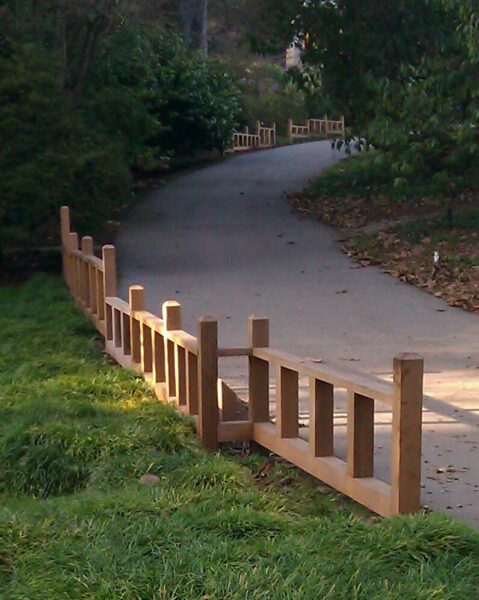
Clarify why you want the boundary: framing a stone path, softly dividing spaces, providing privacy or safety around water features, or serving as a ceremonial backdrop for a tea garden. A low fence can guide a contemplative stroll; a higher screen should balance with planting to avoid a heavy, oppressive feel. For further context on boundary strategies, see internal‑site discussions and reference guides in Architecture Adrenaline’s linked resources.
Material Choices: Bamboo, Cedar, Or Synthetic
Material selection drives aesthetics, durability, and upkeep. Compare typical tradeoffs:
- Bamboo: iconic warmth and lightness; performs best in sheltered climates and often benefits from treatment or periodic replacement in harsher weather. For ready‑made bamboo screening options, see Bamboo fences and screens for Japanese-style gardens.
- Cedar (Japanese or Western red): strong posts and rails, natural decay resistance, and compatibility with traditional joinery; consider shou‑sugi‑ban finishes for longevity and a modern edge.
- HDPE synthetic bamboo panels: mimic bamboo texture with excellent rot, mold, and UV resistance; higher upfront cost but minimal maintenance and color stability.
For a modern approach that reduces upkeep while retaining a Japanese mood, architecture and landscape examples in Architecture Adrenaline’s coverage of privacy screens can provide practical context. See posts such as Best Fence Paint Colors and Patio Privacy Screen Ideas for accessible, design‑focused guidance. Also consider Bamboo fences in Japanese gardens as visual reference for traditional forms.
Climate And Maintenance: How They Shape Your Design
Climate strongly influences performance. Bamboo suits mild, sheltered sites but can degrade in constant moisture or salt air. Cedar offers better weather resilience but still benefits from periodic sealing. Synthetic infill and metal frames maximize longevity with minimal upkeep, ideal for exposed or low‑maintenance gardens. For design strategies that balance maintenance with aesthetics, see contemporary reinterpretations and case studies in Architecture Adrenaline’s fence features.
Dimensions, Proportions, And Construction Basics
Traditionally, Japanese fences follow human‑scale proportions and a steady rhythm of posts and rails. Practical guidelines to keep in mind:
- Heights: 30–48 in for garden frames; 60–72 in for privacy or pools (check local codes).
- Post spacing: 4–6 ft for cedar frames; tighter spacing for bamboo panels to maintain rigidity.
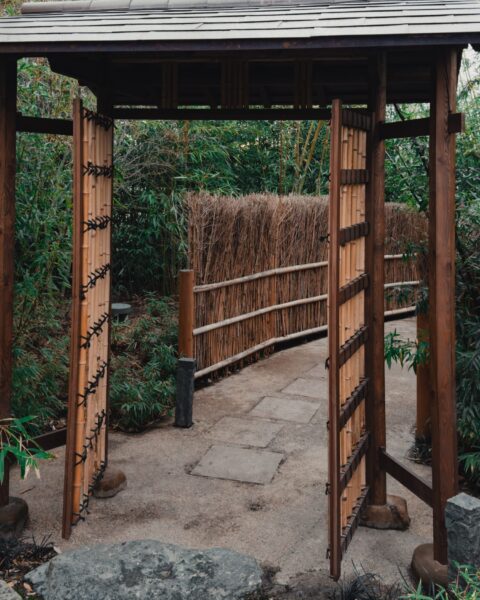
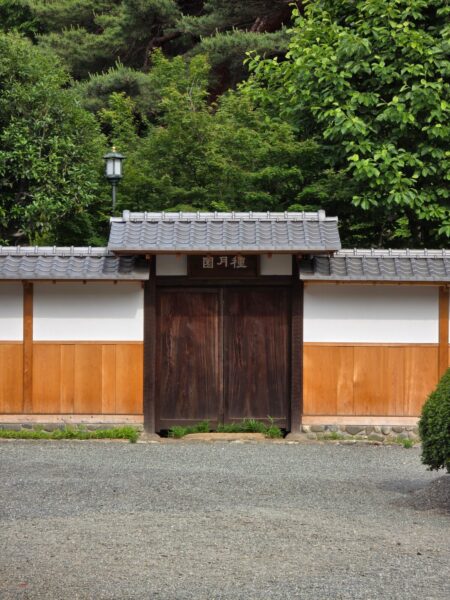
- Top treatment: cap rails or slight overhang; gates often feature small traditional roofs in formal settings.
- Foundations: solid foundations—concrete sleeves or post saddles—boost longevity, especially on uneven or remote sites.
For readers seeking a broader reference on fence color and material strategies, see Best Fence Paint Colors for concrete guidance on color choices and maintenance planning. If you’re exploring privacy screen ideas beyond traditional forms, Patio Privacy Screen Ideas offers a comprehensive catalog of modern and classic approaches to consider.
Gate Design As A Transitional Element
A gate is a threshold in space. Ensure gates are proportionate to fence panels and use compatible materials and joinery. Consider hand‑forged hardware, mortise‑and‑tenon joints, and cedar frames finished with shou‑sugi‑ban or durable metal latches for longevity, whether you aim for a traditional or modern look. For nearby architectural references on privacy and enclosure in outdoor spaces, explore Covered Patio Privacy Ideas for how roofing, screening, and furnishings interact to shape perception of space.
Planting And Hardscape: Creating An Integrated Look
A Japanese fence reads best when paired with deliberate planting and hardscape. Use evergreen screens behind a low bamboo edge, moss or rocks at the base, and clipped shrubs to soften taller sections. If deer are a concern, place rocks at the fence base or opt for denser lower infill. A cohesive landscape reinforces the fence’s character and reduces visual weight. For additional framing ideas tied to outdoor rooms, see Vertical Fence Ideas to Transform Your Outdoor Space and Patio Privacy Screen Ideas.
Modern Reinterpretations: Clean Lines, Easy Upkeep
Contemporary Japanese fence design leans toward simple geometry with traditional textures. Options include horizontal cedar slats, dark shou‑sugi‑ban panels, metal posts with bamboo infill, or synthetic panels that capture bamboo grain. These choices preserve a calm, natural aesthetic while improving maintenance and privacy compliance. If you’re evaluating color and material strategies, Best Fence Paint Colors provides targeted guidance on achieving durable, harmonious exteriors.
Budgeting Smartly: Where To Save And Where To Spend
Costs vary widely. Natural bamboo and basic cedar are affordable, while high‑end gates, custom joinery, and long cedar spans add up. HDPE panels have higher upfront costs but pay off over time with maintenance savings. Prioritize solid foundations, durable hardware, and proper sealing or finishing to extend service life. For shopping guidance on privacy screen options, see Patio Privacy Screen Ideas and Covered Patio Privacy Ideas for practical sourcing and design reasoning.
Common Pitfalls To Avoid
- Choosing pattern over proportion—busy panels overwhelm small spaces.
- Using untreated bamboo in damp areas—decay accelerates without protection.
- Mismatching gate and fence styles—poor transitions break the design flow.
- Ignoring local zoning rules—height limits and setbacks can derail a project.
Case Studies: Real Projects And Lessons Learned
A notable bamboo/cedar hybrid project on a remote site demonstrates practical values: salvaged cedar posts with bamboo infill, metal post saddles set in concrete, hand‑forged hardware, and a cedar gate. The design navigated challenging terrain, showcased how blending materials can solve site constraints, and provided a long‑lasting, atmospheric boundary around a courtyard. A Columbus, Ohio example shows how a traditional Japanese aesthetic can be achieved in a suburban pool area with careful proportion, material choices, and durable hardware. HDPE installations illustrate how you can emulate Kenninji or take‑gaki with maintenance‑free panels for Zen spaces and resort landscapes. For additional inspiration, explore Covered Patio Privacy Ideas and Vertical Fence Ideas to Transform Your Outdoor Space for related lessons and visuals.
Practical Checklist: A Step‑By‑Step Path To Your Japanese Fence
- Define your primary goal: framing views, establishing privacy, gate feature, or safety around water.
- Choose a style: yotsume‑gaki for light screening, take‑gaki for privacy, or modern cedar/synthetic for a contemporary home.
- Select materials: bamboo for authenticity, cedar for structure, HDPE for minimal upkeep.
- Check local codes (height, setbacks, permits) before planning.
- Decide the foundation approach: concrete saddles or full concrete footings for longevity.
- Design the gate to match the fence rhythm and hardware quality.
- Plan planting to soften panels and address privacy gaps.
- Budget for durable fasteners, finishes, and skilled installation where needed.
Tips For Getting Professional Help
Choose a craftsman experienced with bamboo and cedar for an authentic look, or specify HDPE panels and a robust metal frame for low upkeep. For complex sites or pool safety considerations, emphasize foundation and hardware details as these determine long‑term performance. If you’re exploring a distinct shop window for traditional or modern interpretations, internal Architecture Adrenaline posts such as Vertical Fence Ideas or Patio Privacy Screen Ideas can help benchmark design decisions.
Frequently Asked Questions About Japanese Fence Design
Will bamboo fences last in rainy climates?
Bamboo can deteriorate in constant wet conditions; protect placement and consider cedar or HDPE for very damp or coastal sites. External sources linked above provide historical and material context for boundary design decisions.
Can I mix bamboo and cedar in one fence?
Yes—cedar posts and rails with bamboo infill offer structural strength plus authentic texture. Proper flashing and foundations help prevent water damage at joints.
Are synthetic bamboo panels authentic?
While not traditional, high‑quality HDPE panels mimic bamboo texture and color while offering superior durability and low upkeep, making them a practical option for modern landscapes.
If you’ve already experimented with Japanese fence ideas or have photos of your own boundary design, share your experiences in the comments. Your insights can help others balance aesthetics, durability, and maintenance as they plan their own Zen‑inspired edges.
For more room-by-room ideas, browse Architecture Adrenaline’s latest design guides and save your favorite looks for your next project. Explore related posts on privacy, color, and structure through internal links such as Best Fence Paint Colors, Patio Privacy Screen Ideas, and Covered Patio Privacy Ideas to deepen your understanding and decision framework.
100 Fence Garden Ideas for Zen Gardens 2025 - Modern Japanese Design Trends:
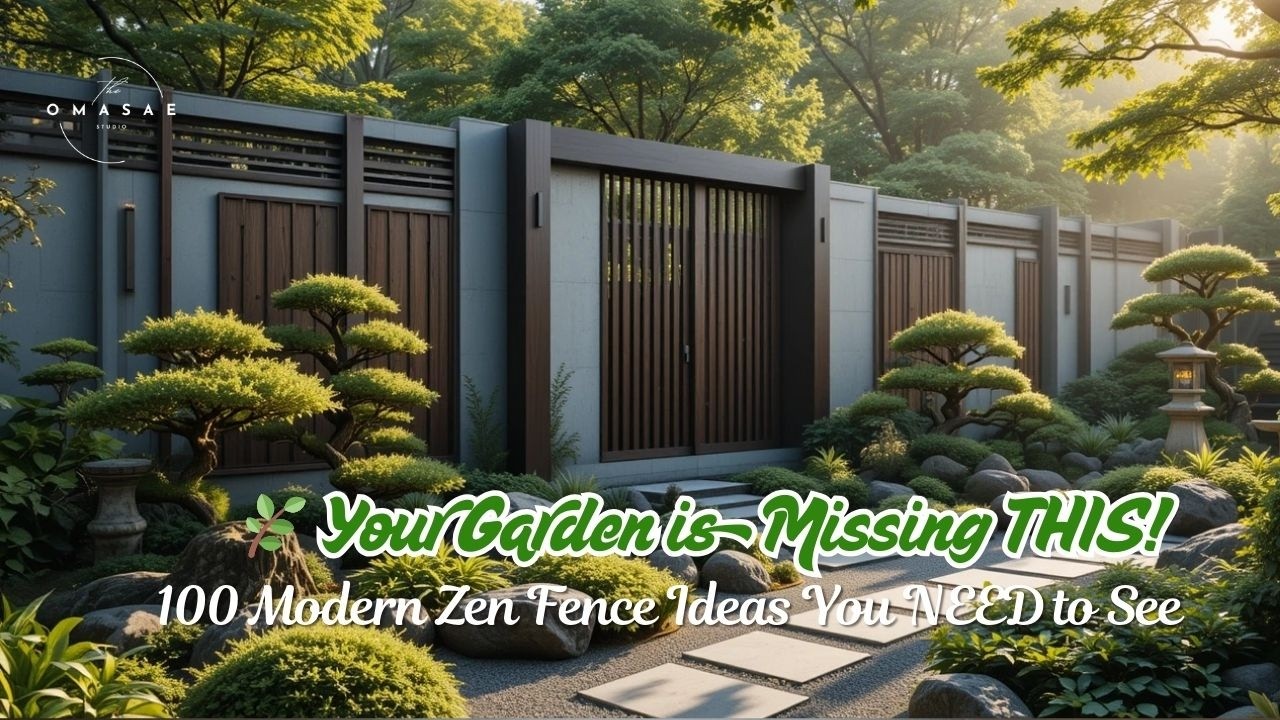
Choosing the right Japanese fence design is a journey that goes beyond mere aesthetics; it’s about creating a space that resonates with tranquility, tradition, and your personal style. As you weigh factors like materials, colors, and functionality, remember that each choice contributes to the overall atmosphere of your outdoor environment. Whether you prefer the clean lines of a modern design or the rustic charm of a traditional bamboo fence, allow your selection to reflect your unique taste and enhance your garden's beauty.
Stay Inspired and Connected
As you embark on this exciting adventure, don't hesitate to reach out for inspiration and ideas along the way. Dive into creative communities, explore stunning visuals, and share your experiences. If you’re looking for more inspiration or tips, check out our feed on Instagram at Architecture Adrenaline. There’s a wealth of beautiful designs waiting to spark your imagination, and we’d love to see how your Japanese fence transforms your outdoor oasis!
