
A few seconds with the right cloth will stop a straightener from tugging, smoking, or transferring product onto hair. Clean ceramic plates by unplugging the tool, letting the plates cool to warm, wiping with a slightly damp lint-free cloth, and drying thoroughly before reuse.
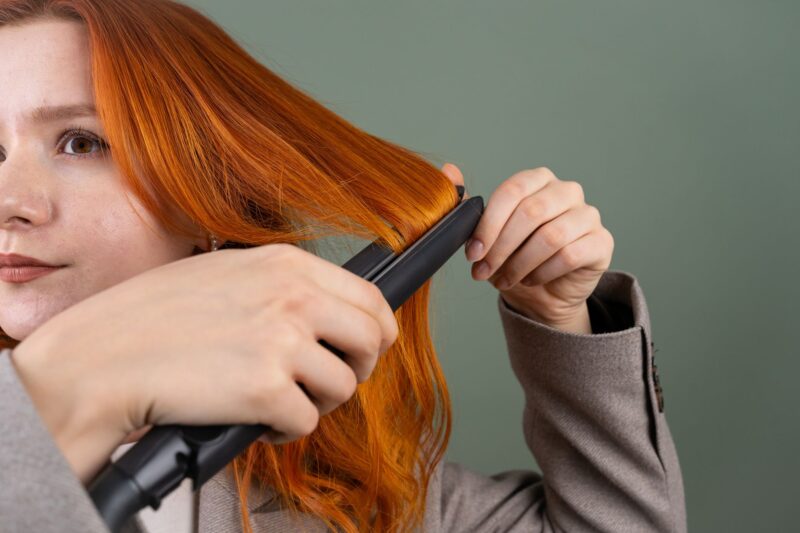
Three Simple Steps
Follow this quick, manufacturer-aligned procedure each time you remove product buildup.
- Step 1. Unplug and wait until the plates are warm, not hot. Turn the tool off and let it cool for a few minutes so residue softens while avoiding burns.
- Step 2. Wipe with a slightly damp, lint-free cloth. Use microfiber or lint-free cotton dampened with warm water. Wipe from hinge to tip in a single, steady pass to lift softened film. For manufacturer guidance on turning off, cooling, and wiping, see ghd Spring-clean your beauty tools and Dyson Corrale cleaning guidance.
- Step 3. Dry and inspect before reuse. Air-dry or buff with a dry microfiber cloth. Stop using the tool if you find scratches, flaking coating, or exposed metal, and consult the manufacturer support page for diagnostics or warranty options.
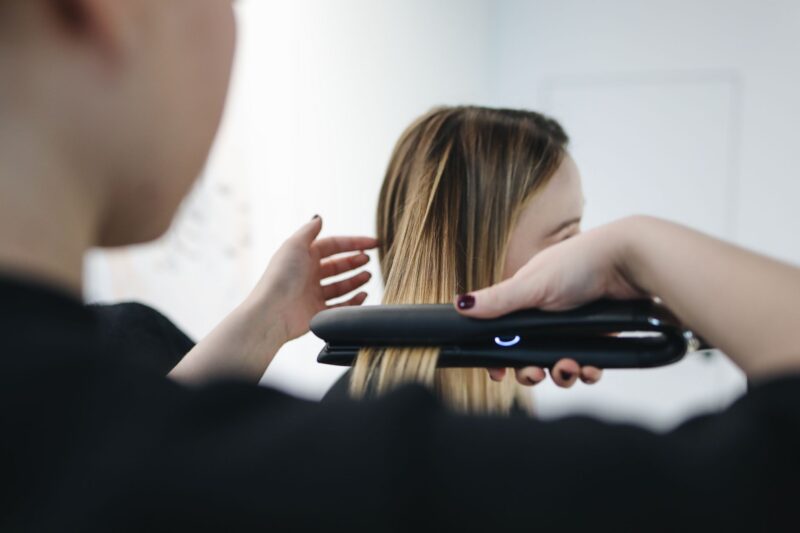
Safe Cleaning Fluids and Tools
Use these supplies to remove residue without harming plates or electronics.
- Microfiber cloth or lint-free cotton, slightly dampened with warm water.
- Isopropyl rubbing alcohol on the cloth, used sparingly for sticky residues; never pour liquids onto the plates.
- Cotton swabs for hinge crevices and plate edges, rolled rather than shoved into joints.
For small appliance-specific cleaning accessories, consider a dedicated hair straightener cleaning cloth designed for lint-free wiping.
Removing Stubborn Buildup Without Damage
If a spot resists a single pass, press the damp cloth gently against the residue for 5 to 10 seconds to soften it, then wipe again. For narrow grooves around the hinge, moisten a cotton swab with a small amount of isopropyl alcohol and roll it along the seam. Avoid inserting liquids into vents or joints to prevent moisture intrusion into electrical components.
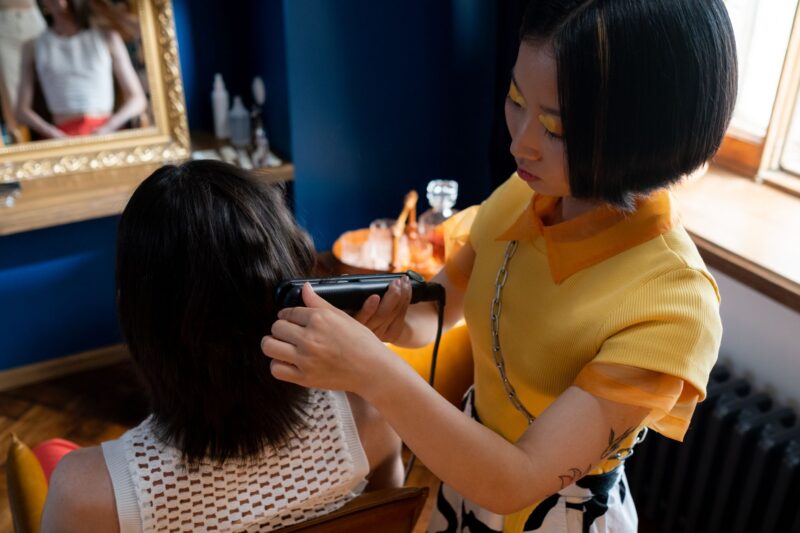
What to Avoid During Cleaning
Avoid materials and chemicals that strip or abrade ceramic coatings and damage electrical parts.
- No abrasive pads, metal tools, fingernails, or scrapers.
- No acetone, bleach, aerosol sprays, or household cleaners on plates.
- Never immerse the tool in water or spray liquids directly onto it.
- Do not clean while the straightener is plugged in.
Quick Maintenance Table
| Task | Recommended Action |
|---|---|
| Frequency | Weekly for regular users; immediately after sessions using oils or heavy serums |
| Cleaning cloth | Microfiber or lint-free cotton, slightly damp |
| Stubborn residue | Hold warm cloth on spot 5-10 seconds; use isopropyl on swab if needed |
Exterior and Hinge Care
Wipe the body, buttons, and cord with a damp cloth to remove oils that could migrate to the plates. Keep moisture away from vents and the hinge; never let liquid pool near electrical components. Manufacturers recommend protecting high-gloss finishes by using only soft cloths and minimal liquid.
Model Notes and Manufacturer Guidance
Follow model-specific instructions when available. Dyson and ghd both advise turning the device off, allowing it to cool, and using a damp, lint-free cloth while warning against chemical sprays and abrasives. For brand-specific plate-cleaning detail, see Dyson: how to clean hair straightener, ghd Spring-clean your beauty tools, and for guidance on removing built-up product, consult Remington: There is a build-up of product on my straightener plates, how should I clean them?.
Inspection Checklist While Cleaning
- Look for scratches, flaking coating, or uneven surface that causes snagging.
- Check plate edges for exposed metal or signs of delamination.
- Test basic function after thorough drying; if heating remains uneven, contact manufacturer support.
Practical Habits to Keep Plates Cleaner Longer
Apply heat protectant and styling products only to hair, not to the plates. Wipe plates after sessions that used oils or serums, and store the straightener unlocked on a heat-resistant pad rather than clamped with the cord wrapped around it. These habits reduce buildup and preserve coatings.
Safety Reminders and Troubleshooting
- Always unplug before cleaning and allow full drying before plugging in again.
- If liquid enters the hinge, let the device dry completely and consult the manufacturer before reuse.
- If cleaning does not restore performance, follow the product support or warranty route offered by the manufacturer.
Related Site Resources
For complementary practical guidance on cleaning small electronics safely, see How to Clean Your Electronics Without Damaging Them. If you are comparing straightener models and plate types, consult our buying guide Best Chi Flat Iron Picks. For general tool-cleaning techniques that apply to household appliances, review How to Use a Wet Vac: Essential Tips and Tricks.
Our Product Pick
Ohailtree 4pcs Ceramics Petal Plates for Dim Sum is one option to look at if you want a ready-made tool for this job. As an Amazon Associate we earn from qualifying purchases.
Related Video
Cleaning your hair straightener's ceramic plates is essential for maintaining performance and prolonging its lifespan. Regular cleaning can help remove product buildup, hair oils, and dirt, ensuring your straightener functions effectively. Following the steps mentioned will help you achieve clean plates without damaging the device.
More from Architecture Adrenaline
For additional tips and tricks like this, check out our social media channels. You can find more helpful content and ideas on our Instagram page.