
Yes. You can cover brick weep holes and still preserve drainage by installing breathable, recessed barriers that keep pests out while allowing water and air to pass.

Why Preserving Drainage Matters for Masonry Wall Performance
Weep holes drain water that passes the outer brick and ventilate the cavity so the assembly can dry. Blocking them with mortar, caulk or foam forces moisture into the wall and raises the risk of spalling, efflorescence and hidden rot at wood-to-wall junctions. For background on cleaning and verifying window and sill drainage that use similar principles, consult the Building America Solution Center guide on cleaning window weep holes.
Method 1: Purpose-Made Internal Weep Screens and How to Choose Them
Purpose-made screens sit inside the bed joint and are dimensioned to be flush or slightly recessed. Choose corrosion-resistant stainless or UV-stable polymer models sized to your measured opening, and follow the maker’s seating tool and datasheet for installation tolerances. The site’s practical overview of the same topic provides additional product examples and fit guidance: How To Cover Weep Holes In Bricks.
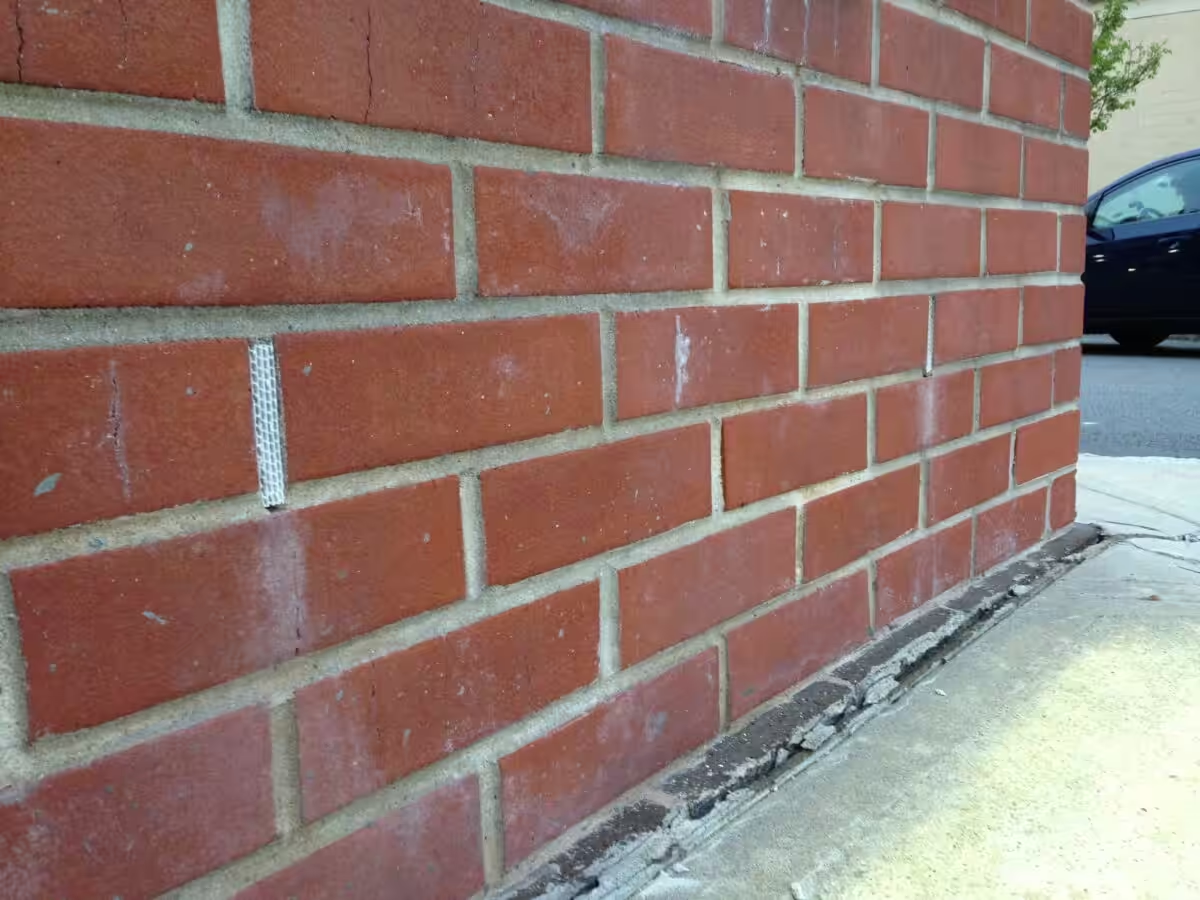
Method 2: Recessed Metal Mesh - Durability and Inspection Tips
Fine stainless-steel or copper mesh is durable and repairable; cut it slightly oversize, roll or fold so it seats behind the brick face and fasten so it cannot be pushed into the cavity. Leave an uncompressed drainage path behind the mesh. Inspect annually and probe through the mesh to confirm flow; run a small stream of water during installation to verify drainage.
Method 3: Short-Term Screening Options and When to Use Them
Fiberglass screening or synthetic scouring-pad pieces work as inexpensive, seasonal insect barriers where long-term access or budget prevents a permanent insert. Replace them after storms and every year to avoid compaction that restricts flow. Reserve these only where a permanent solution is planned soon.
Method 4: External Minimal-Profile Guards and When They Are Appropriate
External guards that clip over the bed joint can work where tooling prevents internal seating, but select guards explicitly rated to leave the drainage path open and to resist UV and freeze-thaw exposure. Never use an external cap that creates a sealed chamber behind the brick; do not rely on surface-mounted plugs where through-wall flashing does not exist.
Sizing, Measurement, and Fit: Concrete Steps
Measure the opening height, width and the mortar profile before ordering parts. Typical bed-joint weeps are often near 10 mm high and 65 mm long on many walls, but variation between brick types and tooling is common. Use a small ruler or caliper for height and a narrow straightedge to estimate recess depth. If a product lists compatibility with a course height, verify it against your measurement before purchase.
Step-by-Step Installation Checklist for Recessed Screens and Mesh
Clear debris first using a plastic pick or soft wire; avoid pushing material into the cavity. Trim the protector so it sits inside the joint without protruding past the brick face. Seat the insert with needle-nose pliers or a manufacturer applicator and confirm flow by running a small stream of water or probing with a thin wire. Record the product and installation date for future inspections.
Tools, Materials, and Items to Avoid
Use corrosion-resistant materials and basic hand tools: stainless or copper mesh, purpose-made screens, snips, needle-nose pliers, a small flat screwdriver or plastic pick, tape measure and flashlight. Do not use foam, mortar, caulk or solid plugs that block the drainage path. Avoid packing materials that degrade and can dislodge into the cavity.
Flashing, Weep-Screed and the Larger Drainage Assembly
Weep holes only work when they discharge to a proper drainage path. Where brick or stucco terminates at the base, a through-wall flashing and a compliant weep screed or clearance to finished grade are required so water exits safely. For regulatory guidance on weep screed placement and required clearances, see the Weep Screed DD-5004-01 guidance (Maricopa County). For a visual reference showing flashing and weep-hole relationships at the base of exterior walls, consult the BASC image reference for flashing and weep holes at the bottom of exterior walls.
Inspection and Maintenance Routine
Inspect weep covers annually and after heavy storms. Use a thin nonmetallic probe or stiff wire to confirm the drainage path is clear and remove trapped debris from the screen. If you clean window and sill weeps, the Building America guide above shows common debris-removal steps and tools that translate directly to brick weeps. Keep mulch and soil pulled back from the brick base to prevent bridging that blocks flow.
Common Retrofit Mistakes that Lead to Failures
Drilling new holes or adding weeps into a solid masonry wall without flashing can create worse problems than the original condition. Sealing weeps permanently with mortar or foam hides ongoing leaks and concentrates moisture. If you see spalling, efflorescence or persistent damp, stop work and obtain an envelope or masonry assessment before proceeding.
Pest Exclusion Performance and Terminology Caution
Screens reduce pest entry but are not a substitute for broader pest control: mice can enter gaps larger than about 10 to 13 mm, and termites require separate treatment and inspection. The term weep or weep hole also appears in window drainage discussions; for a brief note linking pests and window weeps, see the Cornell IPM blog Stink bugs and window weeps - Think IPM Blog.
When to Hire a Masonry or Building-Envelope Professional
Engage a mason or building-envelope specialist if the wall lacks visible flashing, shows active deterioration, or when work requires cutting or repointing near structural elements. Exterior maintenance firms can combine weep protection with cleaning or gutter work; for one example of local exterior maintenance services, the original installer referenced D&D Home Services.
Practical Tools and Product Sources
For replacement or repair tools, consider brush kits, thin snips and small picks designed for masonry weep maintenance; a convenient shopping category is available under Brick weep-hole repair and cleaning tools on Amazon. Use stainless-steel mesh or polymer purpose-made screens for the best long-term performance in exterior exposure.
Related Assembly Guidance and Further Reading
For broader context on cavity drainage and rain-screen assembly principles that affect weep sizing and placement, see the site’s primer on rain-screen walls and practical installation guidance: What Is A Rain Screen Wall and How to Install Rainscreen Siding. For specification-level details that touch on flashing and masonry requirements, consult the site’s Residential Construction Specification.
| Solution | Best For | Key Maintenance Note |
|---|---|---|
| Purpose-made internal screens | Pest exclusion, long-term neat fit | Inspect annually; designed to sit flush inside joint |
| Stainless or copper mesh | DIY, irregular openings | Keep recessed and check for debris build-up |
| Fiberglass screening / scouring pads | Short-term insect control | Replace seasonally to avoid compaction |
```
Weep Hole Covers:
Navigating the nuances of how to cover weep holes in bricks is essential for maintaining the health and integrity of your brickwork while allowing moisture to escape efficiently. These small openings are critical in preventing water damage within brick structures but often need protection from pests and debris without obstructing their function.
| Weep Hole Covering Method | Pros | Cons |
|---|---|---|
| Mesh Screens | Prevents pests; allows ventilation | May require periodic cleaning |
| Ventilation Grills | Durable; easy to install | Possible aesthetic concerns |
| Specialized Weep Hole Inserts | Custom-fit; highly effective | Higher cost; professional installation needed |
The Importance of Weep Holes
Weep holes might look like tiny details, but they play a significant role in preventing water damage in your brick structure. By allowing moisture to escape, they keep the inner walls dry and free of damp issues that could lead to mold growth or structural damage. However, it's curbing unwanted guests like insects and small rodents that make covering these holes a smart move. For an interesting read on stink bugs and their impact on window weeps, delve deeper into the topic.

Mesh Screens: The Balance of Function and Protection
Mesh screens strike a great balance between functionality and pest resistance. Their primary advantage is keeping bugs and debris out while ensuring moisture can still escape. These screens are typically made of stainless steel or other rust-resistant materials to withstand different weather conditions.
However, they must be periodically checked and cleaned to remove any accumulated dirt or spider webs that could block airflow. The good news? Most homeowners find this maintenance minor compared to the advantages they provide.
Ventilation Grills: Robust and User-Friendly
Ventilation grills serve as a more robust alternative, particularly favored for their durability and ease of installation. They come in various designs to match the aesthetics of your home, though some homeowners might find them less visually appealing. Although they can be more noticeable than other options, the peace of mind from having a sturdy barrier against pests often outweighs any aesthetic concerns.
Installation is usually straightforward—you might only need a few basic tools to get the job done yourself, making it a great DIY option for those inclined. For guidelines on irrigation systems that may be relevant in your area, Ohio's local code can provide useful insights.

Specialized Weep Hole Inserts: The Fit that Counts
Specialized weep hole inserts are the custom-tailored suits of the brick world. They are designed to fit your specific weep holes perfectly, providing top-notch performance in keeping pests out while allowing moisture to exit. Their efficiency comes at a higher cost, however, and installation is often best left to professionals to ensure a snug fit and reliable performance.
These inserts are a worthwhile investment for those looking for long-term protection and optimal functionality, despite their initial cost and complexity of installation. Information on the design of catch basins may offer helpful guidance in managing water flow and drainage effectively.

Making the Right Choice for Your Home
When it comes to choosing the right covering for your weep holes, consider factors like the level of pest pressure in your area, your budget, and how much you value ease of maintenance versus aesthetic considerations.
- Seek mesh screens for a balance of cost and functionality, if regular cleaning isn't a hassle.
- Opt for ventilation grills if durability and ease of installation are your top priorities.
- Choose specialized weep hole inserts for the ultimate custom-fit solution, factoring in the higher upfront investment.
Which option sounds like the perfect fit for your home? Share your thoughts or any tips you have on keeping your weep holes functional and pest-free in the comments below!
For more recent articles and insights, explore our blog section to stay updated on architectural innovations and practices.
How to Block Pests from Weep Holes!
Navigating the nuances of how to cover weep holes in bricks is essential for maintaining the health and integrity of your brickwork while allowing moisture to escape efficiently. To further assist, the Buffalo Outdoor channel provides a helpful video demonstrating how to block pests from weep holes using wire mesh or foam inserts, ensuring both protection and proper drainage.
Can you cover brick weep holes?
It may be tempting to seal or block these openings entirely, especially with concrete. However, doing so can trap moisture behind the bricks, leading to serious issues like mold growth, deterioration, and structural damage. A better approach is to use materials that let water drain properly while still preventing debris and pests from getting in.
How to keep mice out of brick weep holes?
A tried-and-true solution is to install galvanized wire mesh or stainless steel wool at the entry points. This creates a protective barrier that rodents can’t chew through, while still allowing moisture to escape. If you choose to apply caulk around the edges, be sure not to block the entire opening—maintaining adequate drainage is essential to preserving your brickwork.
Navigating the nuances of how to cover weep holes in bricks is essential for maintaining the health and integrity of your brickwork while allowing moisture to escape efficiently. These small openings are critical in preventing water damage within brick structures, making it all the more important to cover them properly without blocking their primary function. Using materials like breathable mesh or specialty covers ensures that while you keep pests and debris out, the airflow and moisture management are unhindered. Remember, giving a little attention to these tiny details can significantly extend the life and beauty of your home’s exterior.
Stay Connected and Keep Learning
Thank you for joining me on this journey of discovering how to care for our homes in simple yet effective ways. I hope this post has given you the insights you need to tackle your next home improvement project with confidence. If you’re as passionate about home maintenance and architecture as I am, I invite you to connect with me on social media. For more tips, inspiration, and a community of like-minded enthusiasts, find me on Instagram. Let’s continue sharing our love for beautiful, well-maintained homes, one post at a time!
Covering weep holes in bricks is essential for maintaining the integrity of your structure while preventing water damage. Carefully select materials that match the existing brickwork, and ensure proper techniques are used to allow for ventilation and drainage. Regular maintenance and inspections can help extend the life of your brick façade.
More from Architecture Adrenaline
For additional insights and tips on home improvement, explore our social media channels. Follow us on Instagram for more posts like this and stay updated with the latest trends and techniques.