
How to Find Crystals in Your Backyard is about turning your outdoor space into a practical treasure map by understanding local geology, identifying promising spots, and using simple tools to uncover quartz, agate, jasper, and even jade cobbles. This guide blends hands-on strategies with essential safety and legality considerations, drawing on common backyard-hunting practices and field-tested tips to maximize success while preserving the landscape.
| Strategy | Practical Benefit |
|---|---|
| Know Local Geology | Targets quartz, agate, jasper, and jade-bearing sites; saves digging time. |
| Check Permissions | Avoid fines and access loss by clarifying private/public land rules and permits. |
| Best Backyard Spots | Stream banks, gravel piles, garden fill, old construction spoils, and disturbed soil. |
Plan and Permissions: Set Up for Success
Before you pick up a shovel, confirm land ownership and collecting rules. On private property, obtain written permission from the owner. On public lands, consult the local managing agency (city, county, state parks, BLM, or Forest Service) for hobby-collecting allowances and any required permits. Adhering to rules helps protect sites and keeps access open for future searches.

Where to Look First: Likely Crystals, Many Regions
Focus on environments where natural processes or human activity concentrate rock fragments. Consider:
- Stream and river banks where running water sorts gravels and concentrates quartz and agate.
- Coastal drift lines and beach deposits after storms.
- Garden beds and landscaping rock transported from local quarries that may host crystals or jasper.
- Road cuts, driveway edges, and erosion gullies exposing freshly dug rock faces.
- Old construction or utility trenches where fill may contain float minerals.
For simple cues on recognizing geodes in the yard and practical guidance on safely opening and handling them, see Geodes — Young Naturalist article (Texas Parks & Wildlife).
Tools and Supplies: Keep it Simple and Safe
Start with a minimal, practical kit. Include:
- Sturdy hand trowel or garden spade
- Rock hammer and small cold chisel for breaking rocks
- Hand lens (10x) for inspecting crystal faces
- Sieve or soil screen to separate dirt and gravel
- Safety gear: gloves, eye protection, sturdy shoes
- Bags or containers, labels, and a notebook or GPS for documenting finds
Equip a simple handheld magnifier to inspect surfaces up close, and consider a geology hand lens like the geology hand lens for quick field checks.
Identify Likely Backyard Crystals: Quick Field Tests
Use simple checks to separate quartz and common crystals from ordinary rocks:
- Hardness: quartz will scratch glass (Mohs ~7).
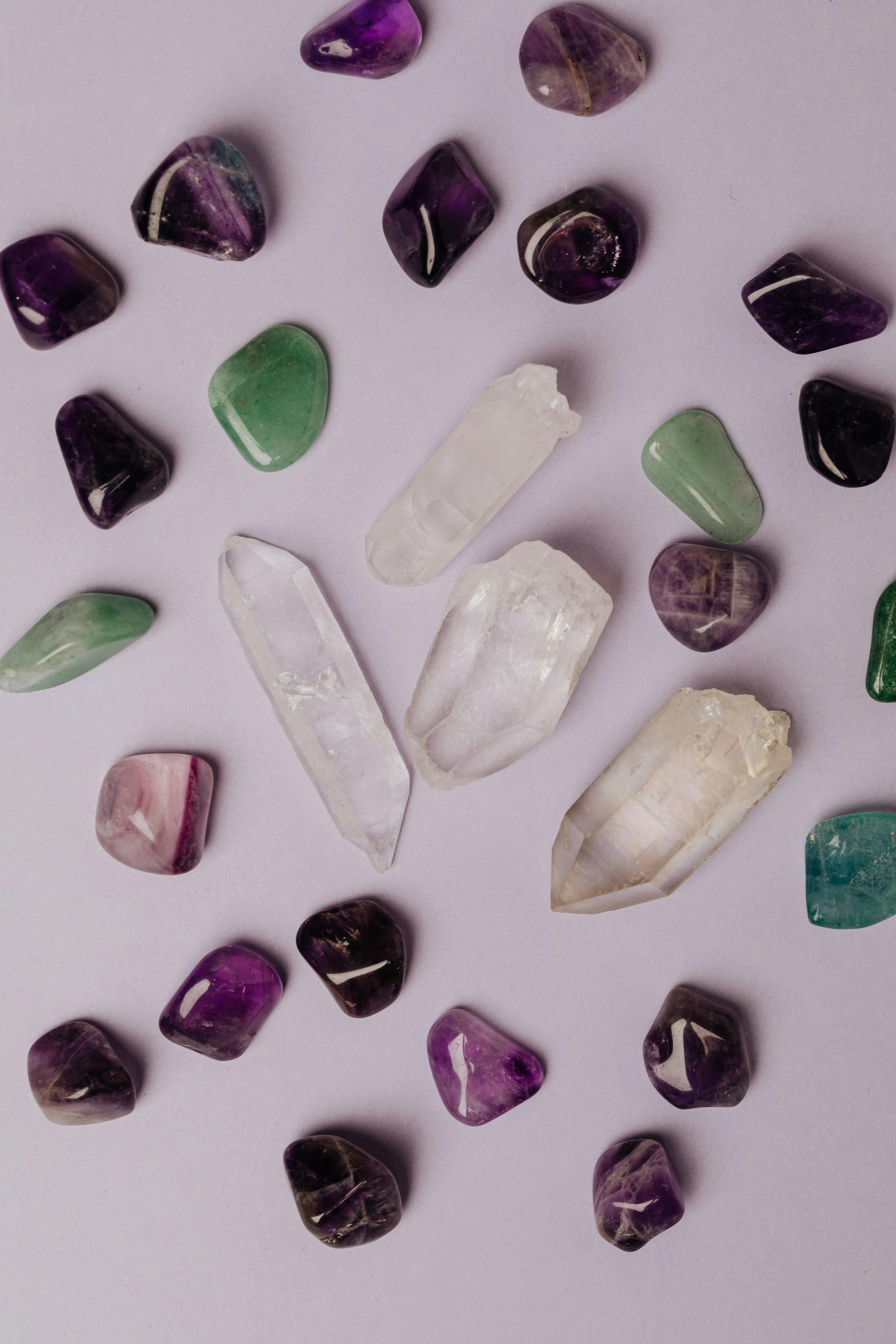
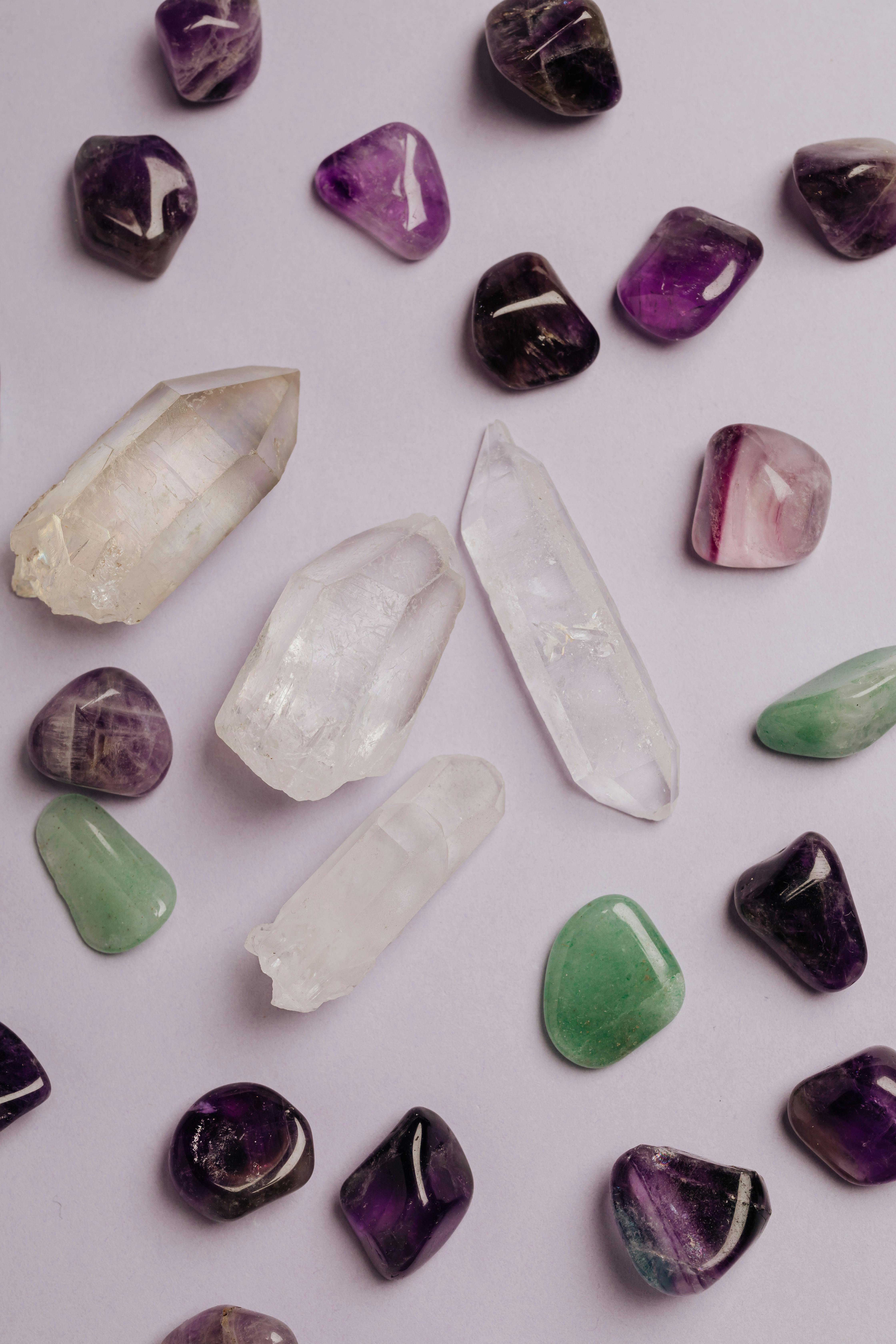
- Crystal form: quartz often shows hexagonal prisms and pointed terminations; amethyst and citrine are common color variants.
- Luster and transparency: crystals are typically glassy with well-formed faces; chalcedony and agate are waxy to dull.
- Cleavage vs. fracture: feldspar displays cleavage planes; quartz tends to fracture conchoidally (smooth curved breaks).
- Host signs: mica, pegmatite textures, or serpentine may indicate nearby jade or pegmatite crystals.
For a quick field reference on in-person rock and mineral identification, you can consult basic guidance from Can you identify my rock or mineral? | U.S. Geological Survey. In-person evaluation by professionals or local clubs is often necessary for uncertain specimens.
Common Backyard Finds and What They Look Like
Across many regions, these are realistic targets for backyard rockhounds:
- Quartz variants: clear, milky, smoky; amethyst and citrine where geology permits.
- Agate and Jasper: banded chalcedony with color patterns suitable for lapidary work.
- Geodes: hollow spheres lined with crystals, often found in sedimentary gravels or old fill.
- Herkimer-type quartz: true Herkimer diamonds are geographically specific; look-alikes occur elsewhere, but true specimens are rarer outside their region.
- Nephrite jade: in jade-bearing zones (e.g., parts of the western U.S. and Pacific Northwest), watch for dense, greasy-feeling green or mottled cobbles in stream gravels.
When you find stones that resemble geodes or notable crystal forms, consider opening them only with appropriate safety and permissions. For broader context on how geodes appear in natural settings, see the Architecture Adrenaline discussion of geodes or geode-inspired design concepts:
- Geodesic Dome Homes: The Ultimate Guide for structural geometry inspiration.
- Geode Kitchen Surfaces for geode-inspired interior finishes.
The Float and Weathering Pattern Advantage
Float refers to rocks or crystals weathered from their original bed and transported by water, ice, or gravity. Following float can lead you toward a parent source. Tips:
- Scan downslope from a known rock to locate potential parent outcrops.
- Check tailings from old digs, road cuts, and garden fill after rain for fresh surfaces that reveal hidden crystals.
- Identify indicator minerals (mica for pegmatites, garnet for metamorphic rocks, serpentine for jade nearby).
Cleaning, Conserving, and Evaluating Backyard Finds
Once you uncover crystals, clean and assess them properly:
- Gently brush with water and a soft brush to remove dirt; use a mild brush for crevices.
- For iron staining, a brief oxalic acid soak can brighten quartz—test on a small area first and follow safety guidelines.
- Label each find with date and location; photograph in situ to document context.
- For potentially valuable pieces (jade, gem-quality amethyst or citrine), seek appraisal from a local gem or lapidary professional before selling.
Selling or Displaying Backyard Crystals: What to Consider
While not every crystal is marketable, attractive specimens, large geodes, or high-quality jade can hold value. Practical steps:
- Clean and stabilize fragile pieces; consider appropriate consolidants if needed.
- Confirm identity and grade with guidance from local gem or lapidary shops (terms like “raw crystals,” “tumbled stones,” and “gem grade” are common).
- Explore local markets: crystal shops, online venues, or gem shows; some buyers seek crystal necklaces, bracelets, or display pieces.
Safety, Legal, and Ethical Guidelines for Backyard Rockhounding
Be practical and respectful of nature and regulations:
- Always obtain landowner permission and follow posted rules on public lands; collect only where allowed.
- Adopt leave-no-trace practices: refill holes, avoid habitat disruption, and do not remove cultural or archaeological material.
- Practice safe digging: watch for buried utilities; wear eye protection when hammering rocks.
Frequently Asked Questions
Can I find gems like amethyst or aquamarine in my yard?
It depends on local geology. Quartz varieties (amethyst, citrine) are more common where silica-rich rocks and pegmatites occur; aquamarine and tourmaline are rarer and usually tied to pegmatite zones.
What’s the easiest crystal to find at home?
Clear or milky quartz and small agates are commonly encountered across many regions. They’re abundant, hard, and weather-resistant, so they concentrate in gravels and soils.
How do I tell real crystals from glass or rhinestones?
Assess hardness (real crystals scratch glass), weight, natural crystal faces, and growth patterns. Rhinestones often have uniform machine-cut facets and backings; real crystals display natural facets and irregularities.
Who can help identify finds?
Local rock and mineral clubs, university geology departments, and reputable crystal shops can help; for valuable specimens, consult a professional gemologist.
Next Practical Steps for Backyard Crystal Hunters
Ready to start this weekend? Follow these steps:
- Check local geology and legal rules for your area via state/federal resources or rockhounding sites.
- Target backyard spots after rainfall to expose fresh material.
- Pack a simple kit (trowel, hand lens, sieve) and document what you find with photos and GPS coordinates.
- Join a local rockhounding club or online group to learn site-specific tips and permission practices.
If you’d like tailored guidance, share your state or ZIP code and I’ll list nearby public collecting sites and likely backyard targets for your geology, along with permit notes.
We’d love to hear about your own backyard finds—what worked, what surprised you, and any photos you’ve captured. Share your experiences in the comments below or tell us about a memorable crystal-hunting moment from your yard.
```
Gemstones in Your Backyard! | Amethyst, Opal, Garnet, and more!:
Finding crystals in your backyard is not only a fun adventure but also a delightful way to connect with nature. Whether you unearth a dazzling quartz or a colorful amethyst, each discovery is like finding a little piece of magic. Remember to be patient and persistent, as treasure hunting often leads to the most rewarding experiences. Don’t forget to take some time to educate yourself about the geology of your area, as it can enhance your search and appreciation for the treasures of the Earth.
Stay Connected for More Adventures!
I hope this guide has inspired you to venture outside and embark on your own crystal-hunting journey. I’d love to see your finds and hear your stories! Stay updated with our latest tips and fun ideas by following us on social media. Check out our adventures on Instagram, and let’s explore the beauty of nature together! Happy hunting!
