
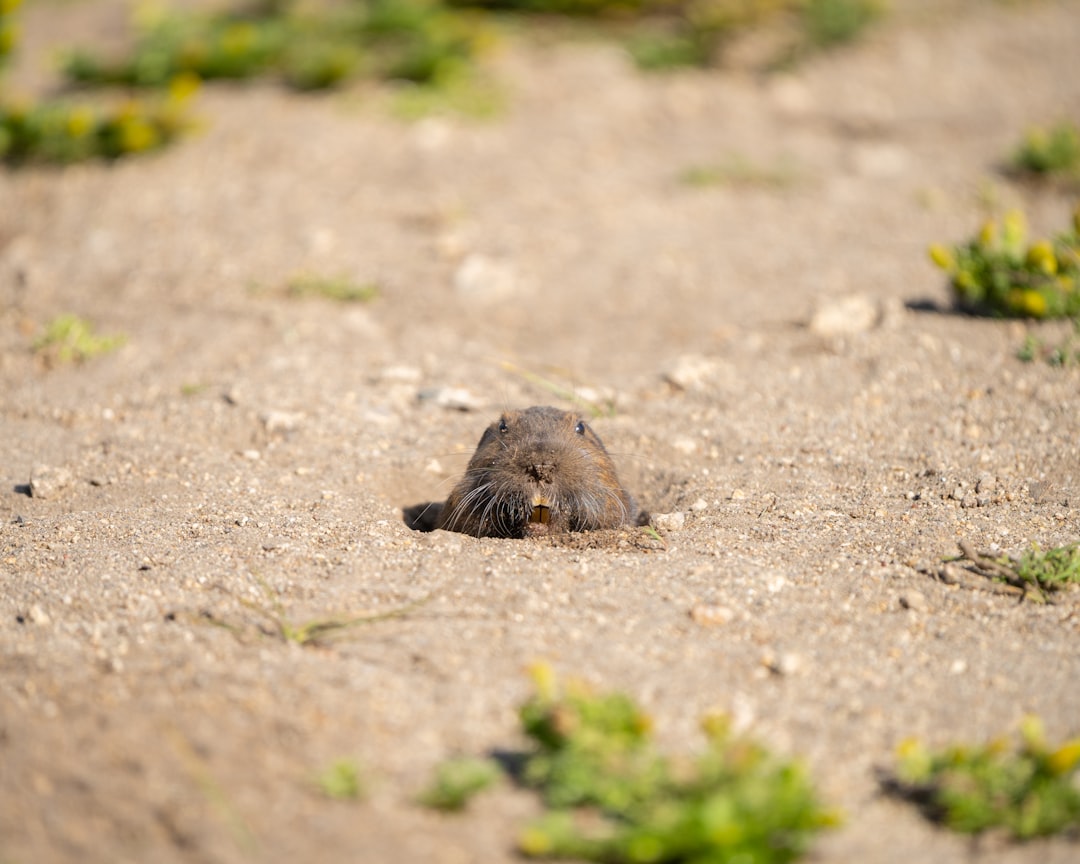
Moles are small, subterranean mammals from the family Talpidae, recognized for their powerful digging abilities. They have velvety fur, tiny hidden ears and eyes, and a distinct snout for sensing their surroundings. Primarily insectivores, moles feed on earthworms, grubs, and other soil-dwelling insects. Interestingly, moles also help control various lawn pests, as noted by the Washington Department of Fish & Wildlife.
Identifying Mole Activity
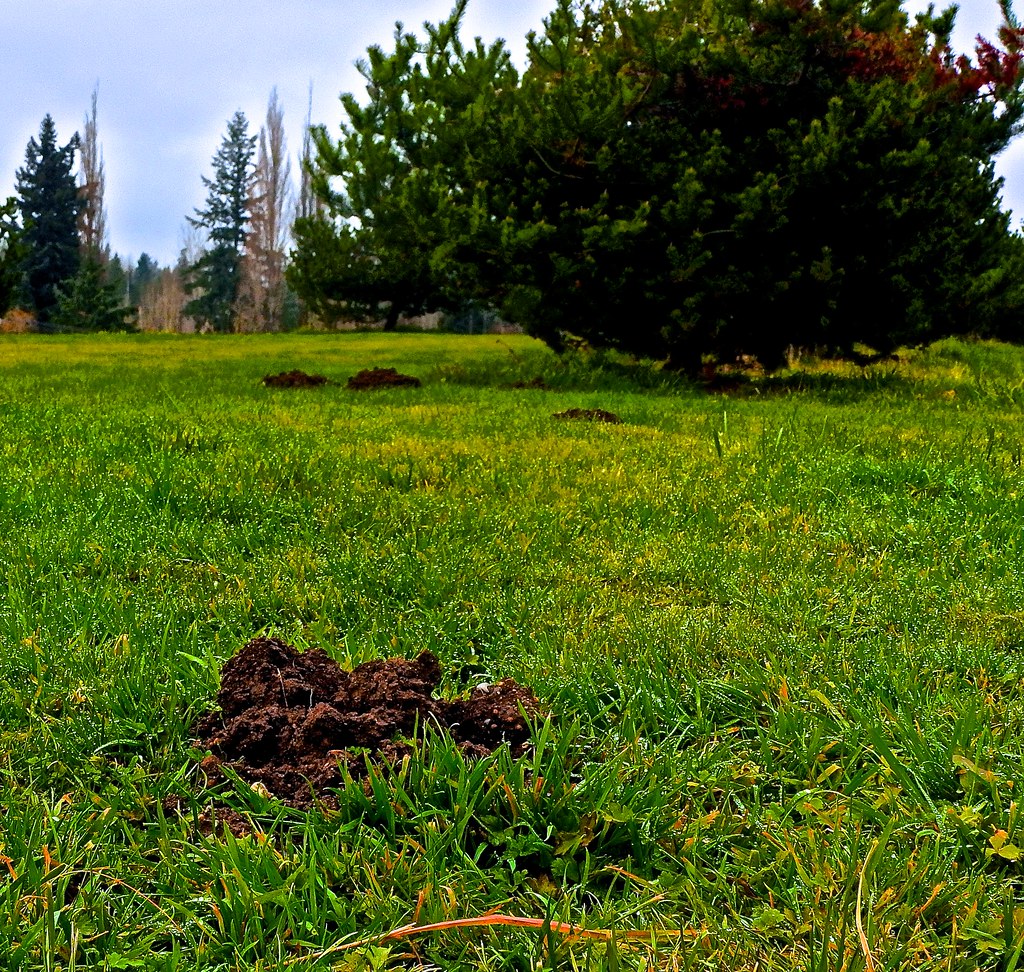
Signs of mole presence include raised ridges and molehills. Other indicators include:
- Patches of dead grass
- Soft ground indicative of collapsed tunnels
- Increased predator activity (e.g., snakes)
Differences between Moles, Voles, and Pocket Gophers
Moles create 3-5 inch raised ridges on lawns with small volcano-like soil mounds. Unlike moles:
- Voles create subtle soil evidence and small, circular entrance holes
- Gophers produce flattened tunnels with fan-shaped mounds and pull roots beneath the ground
Deterrent Methods
Using Vinegar
Mix equal parts of water and vinegar and spray near molehills to repel moles due to its strong scent.
Natural Repellents
Certain plants such as daffodils, marigolds, and alliums deter moles due to their scent or toxic properties.
Homemade Mixtures
Ingredients like castor oil, cayenne pepper, or garlic can be mixed and sprayed to irritate moles.
Ultrasonic Devices
These devices emit sound waves or vibrations that moles find unpleasant. Effectiveness can vary.
Considerations for Repellents and Devices
When using repellents or ultrasonic devices:
- Repellents may need frequent reapplication, especially after rain
- Ultrasonic devices should be moved to avoid mole habituation
- A combination of methods is often more effective
Alternative Control Methods
Humane Solutions
Consider humane solutions like:
- Removing food sources by using beneficial nematodes that target grubs
- Using live traps placed in active tunnels, checking them regularly
- Applying liquid or granular repellents containing castor oil
Lethal Solutions
Mole-specific traps (both below and above ground) can effectively eliminate moles, but they should be a last resort due to ecological impact and risks to pets and children.
Prevention Strategies
Underlying prevention strategies include:
| Strategy | Description |
|---|---|
| Reduce Food Supplies | Remove insects or grubs from the soil to make the environment less appealing to moles. |
| Maintain Dryer Soil Conditions | Moles favor moist areas, so dryer soil conditions can discourage them. |
| Use Barriers | Buried wire mesh around gardens can prevent moles from entering specific areas. |
Ecological Benefits of Moles
While moles can be a nuisance, they also offer ecological benefits. Moles aerate soil, control insect populations, and improve soil drainage, contributing positively to the ecosystem. For more information on moles and their ecological role, check out the article on Moles in the Lawn - MSU Extension.
Professional Help
If issues persist or for safety, consider contacting wildlife control professionals for assistance. Their expertise can provide effective and humane solutions for managing mole populations.
```
