
| Method | Description | Application Timing | Pros | Cons |
|---|---|---|---|---|
| Trapping | Use a mixture of molasses and water to attract and trap adult June bugs. | May to July (adult phase) | Non-toxic | Limited effectiveness for large infestations |
| Beneficial Nematodes | Apply nematodes that target white grubs in the soil. | Active grub seasons: spring and fall | Natural control method | Requires specific timing and conditions |
| Milky Spores | Bacterial spores that infect and kill grubs. | Warm soils in fall | Long-term control over several years | Slow-acting |
| Insecticide Application | Use chemicals like carbaryl or trichlorfon; consider chlorantraniliprole, trichlorfon, or imidacloprid. | Curative: September; Preventive: Early summer | Effective for large infestations | Potential environmental impact |
| Encouragement of Natural Predators | Promote habitats for birds, bats, and other predators. | Year-round | Eco-friendly | May not be enough on its own |
| Neem Oil | Natural pesticide effective against adult beetles. | When adult beetles are active | Natural alternative | Requires frequent application |

Dealing with June bugs can feel like a never-ending battle, especially when their larvae are quietly causing havoc beneath your lawn. These uninvited pests thrive on plant roots and decaying organic matter, leaving telltale patches of brown grass and soil that feels oddly spongy underfoot. Tackling the issue starts with recognizing it, and ultimately using a multi-pronged approach to reclaim your outdoor space.
Identifying the Problem
You might first notice their presence in the form of adult beetles flying awkwardly toward your patio lights at dusk between May and July. But the real damage happens in their larval stage. Grubs, curled up like tiny C’s in your soil, feed on grass and plant roots for up to 10 months, wreaking havoc. If your lawn has brown spots, or you spot curious animals—like raccoons or birds—digging small holes, chances are they're hunting for these grubs.
Trapping and Natural Remedies
If you're looking for non-toxic ways to reduce the June bug population, start with trapping and natural methods:
- DIY Traps: Create your own traps using a simple mix of molasses and water. Place them in shallow containers around the yard during the evening. The sweet smell attracts the beetles, which drown trying to reach it.
- Neem Oil: As a natural pesticide, neem oil works well when sprayed directly on adult beetles. It reduces egg-laying activity, making a dent in the next generation of June bugs.
- Encourage Predators: Welcome birds, bats, and even ground beetles into your yard. Not only are these natural predators eco-friendly, but they also love munching on grubs and beetles alike. Learn more about the May Beetles from the Missouri Department of Conservation.
Targeting Grubs Where It Counts
Getting rid of the larvae isn’t just effective—it's essential. Grub control should be strategically timed, as they’re easiest to tackle when actively feeding near the surface in spring and fall.
- Beneficial Nematodes: Tiny, microscopic organisms like Heterorhabditis bacteriophora are grub-killing specialists. Apply them to damp, warm soil during the early morning or evening for best results.
- Milky Spores: While slow to act, this bacterial treatment establishes long-term grub population control by targeting them directly in the soil. For comprehensive strategies, refer to this USDA ARS guide.
If the infestation is severe, consider an insecticide during peak grub activity. Options like carbaryl or trichlorfon offer immediate relief, while preventive treatments such as imidacloprid or chlorantraniliprole ensure fewer grubs down the line.
Prevention Is Key
The best way to combat June bugs? Stop them before they start. Regular lawn care minimizes the attractive conditions that draw them in:
- Avoid over-fertilization, as excess nitrogen encourages grubs to thrive.
- Ensure your yard stays clean and clear of decayed organic matter, which draws adult beetles for egg-laying. Explore this field guide on the June Beetle for additional insights.
- Mow your grass to a moderate height (3-4 inches) and dethatch the soil as needed, removing bulky thatch layers where eggs may hide.
When to Call in Reinforcements
If natural remedies and preventative measures don’t cut it, it may be time to bring in professional pest control services. Companies like MosquitoNix® specialize in environmentally conscious removal methods, targeting grubs and adult beetles at every life stage. This option is worth considering if you’re managing large-scale infestations or feeling overwhelmed by recurrent pest problems. For more localized insights, refer to resources such as Missouri State's guidance.
What’s your go-to trick for keeping June bugs at bay? Share your tips and stories in the comments below—we’d love to hear how you’re tackling this backyard challenge! For our most recent articles and content, visit our recent posts.
fruit fly traps for indoors mosquito trap bug zapper
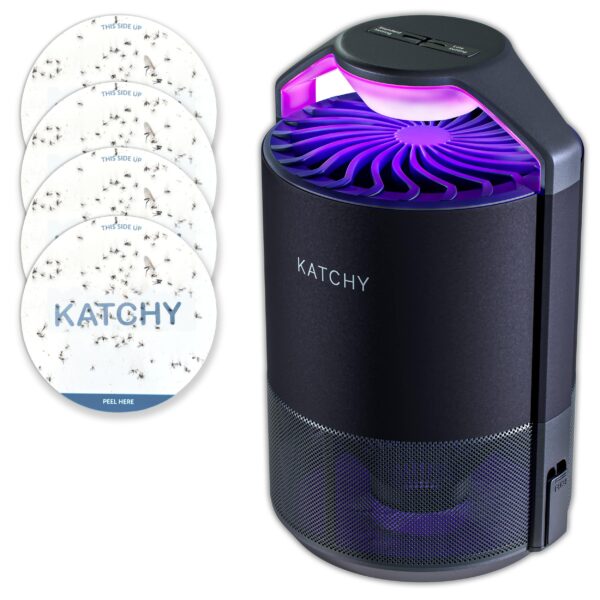
Introducing the Katchy Indoor Insect Trap, the perfect solution for catching and eliminating bothersome insects indoors. Specifically designed to tackle mosquitoes, gnats, moths, and fruit flies, this non-zapper trap utilizes a powerful combination of suction, bug light, and sticky glue to effectively capture pests without the need for harsh chemicals or noisy zapping. Ideal for homes where maintaining a peaceful and bug-free environment is essential, Katchy’s sleek design ensures it fits seamlessly into any room while keeping those pesky insects at bay. Take control of your indoor space and enjoy a more comfortable, bug-free living area year-round.
Why Are There So Many June Bugs Around My Home?
June bugs are particularly drawn to lights, both outdoor and indoor, causing swarms to gather seemingly out of nowhere. These beetles synchronize their emergence in large numbers, which is why your yard or home may suddenly become host to a buzzing horde during the warm months.
Which Scents Naturally Repel June Bugs?
Certain organic essential oils, such as citronella, eucalyptus, pennyroyal, peppermint, and lemongrass, are known to act as natural deterrents. Utilizing these oils can help in creating a bug-free environment by repelling June bugs effectively without resorting to harsh chemicals.
Is Vinegar an Effective Repellent for June Bugs?
Vinegar serves as a practical solution for repelling June bugs both indoors and outdoors. You can create a DIY repellent spray using vinegar to help curb these pests from invading your space, keeping them at bay in a natural, non-toxic way.
What Do June Bugs Transform Into Throughout Their Life Cycle?
As the spring season progresses, June bug larvae undergo metamorphosis into pupae and eventually grow into adult beetles. Equipped with wings for flight, these adult beetles emerge from the ground at night, driven by their instinct to feed and reproduce, thus restarting their life cycle and the recurring influx of June bugs in your area.
We hope these tips help you tackle those pesky June bugs and reclaim your outdoor haven! Remember, it's all about staying informed and proactive. If you're hungry for more insights and inspiration, why not connect with us on social media? We'd love to hear your success stories and any tips you might have to share! Check out our collection of ideas on Pinterest or see our latest updates on Instagram. For a bit of nature chat or to say hi, give us a shout on X, or join the conversation on Facebook. Happy gardening, friends!
