
Yes. Start crepe myrtle seeds the way professional growers do: collect mature seed capsules in fall, give the seeds light contact with a sterile seed-start mix, hold the soil warm and evenly moist, and expect seedlings in two to four weeks with routine care. This guide gives step-by-step timings, transplant thresholds and pest precautions that make seed propagation reliable across USDA zones suited to Lagerstroemia indica.
Why Choose Seed Propagation
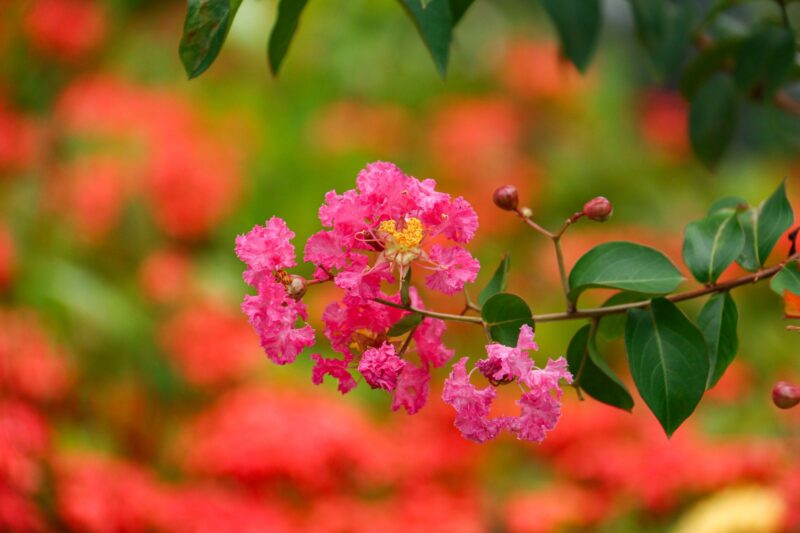
Seed propagation costs less than buying nursery liners and produces many plants quickly; expect genetic variation from hybrid parents, which is useful for selection or producing rootstock but not for replicating a named cultivar. Use seed when you want bulk plants, to trial new flower colors, or to screen for vigor before committing to grafted stock.
Collecting and Preparing Seed
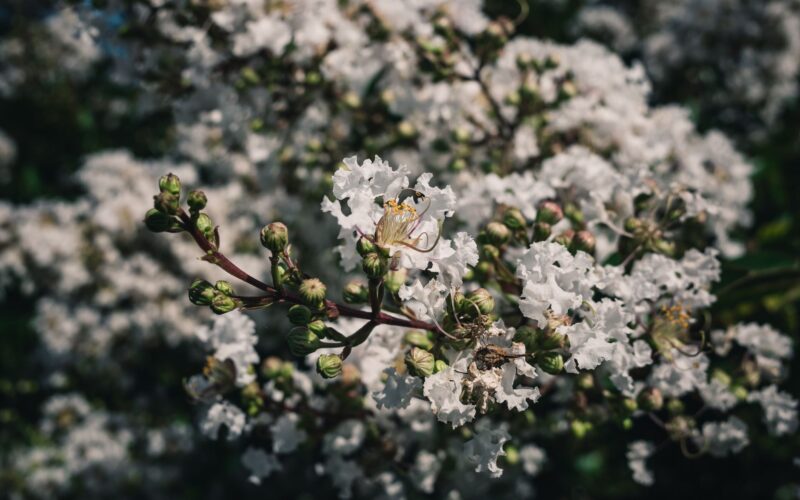
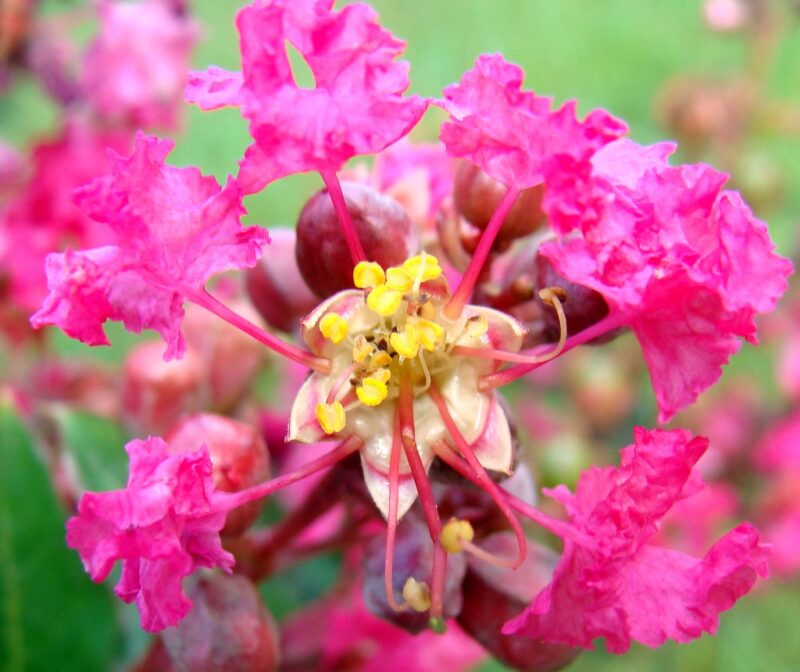
Collect pods in autumn after capsules are brown and beginning to split; open them over a bowl and separate the small winged seeds from chaff. Clean seeds, air-dry for a few days, and store dry in a cool, dark place if you will not sow immediately. When buying or trading seed, avoid mixes that might contain aggressive groundcovers or mislabeled species; see guidance on invasive ground cover with purple flowers for examples of species to exclude from seed mixes.
Optional Seed Pretreatments
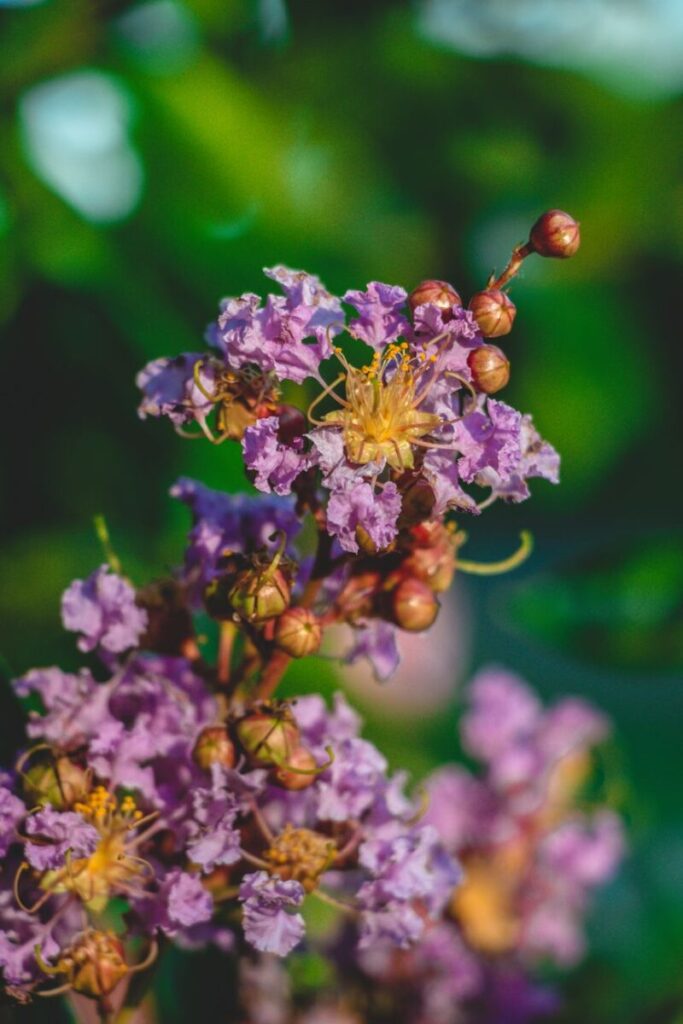
Most crepe myrtle seeds germinate without treatment, but two approaches improve uniformity. For synchronized emergence use cold, moist stratification for 2-4 weeks at 34-40°F. For speed and simplicity, sow fresh seed into warm media held at about 70°F and expect acceptable germination without stratification.
Potting Mix, Depth and Sowing Technique
Use a sterile seed-starting mix or screened peat blended with vermiculite for drainage; pre-moisten until damp but not saturated. Surface-sow tiny winged seeds or press them no deeper than 1/4 inch so they receive some light; cover lightly with fine sand or vermiculite only if you need extra moisture retention.
Light, Heat and Water Management
Sustain soil temperatures near 68-75°F for the most reliable germination; use a seedling heat mat set to about 70°F if indoor air runs cool. Provide bright light immediately after sowing with an LED grow light or fluorescent fixture on a 12-16 hour timer. Keep the surface evenly moist by bottom-watering or misting and avoid waterlogged media to reduce damping-off risk.
Germination Timing and Practical Troubleshooting
Expect sprouts in two to four weeks, though some seeds take longer. If germination is slow, verify three variables: steady warmth, consistent surface moisture and seed viability. If mold or damping-off appears, discard affected plugs, repot into fresh sterile mix and increase airflow with a small fan to lower humidity around seedlings.
Potting Up, Hardening Off and Planting Out
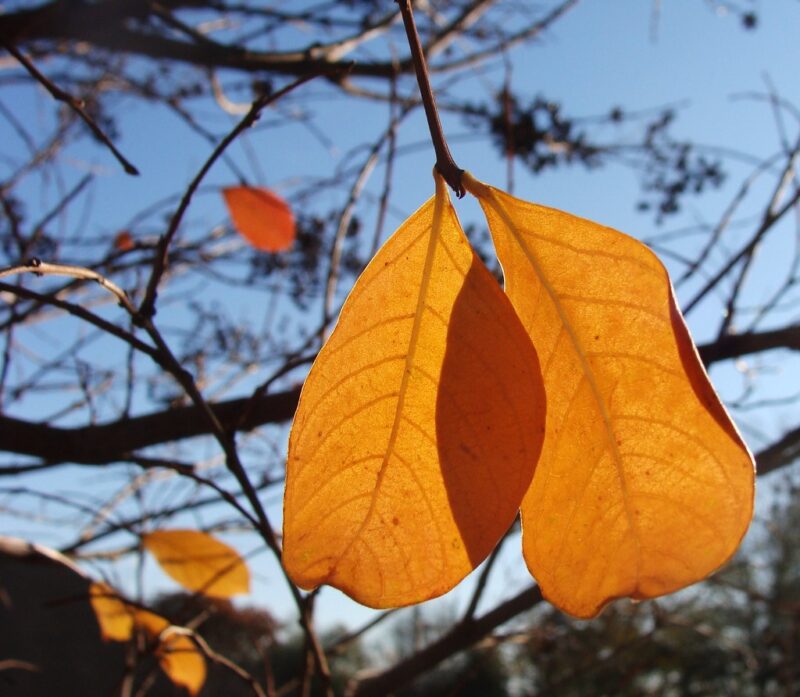
Transplant when seedlings have two true leaves and measure about 1.5-2 inches tall into 3-4 inch pots of a well-draining potting mix. Move seedlings to stronger light and begin feeding at quarter-strength with a balanced water-soluble fertilizer only after roots are established. Harden off over 7-14 days, then plant outdoors in a sunny, well-drained site after the last frost.
Pest Watch: Bark Scale and Other Concerns
Crape myrtle bark scale reduces vigor by producing honeydew and sooty mold; inspect nursery stock and seedlings before planting and maintain vigor with correct watering and trunk protection. For serious CMBS outbreaks follow local extension recommendations, including monitoring and systemic treatments when recommended by your county extension service.
Variety Notes and When to Choose Cuttings Instead
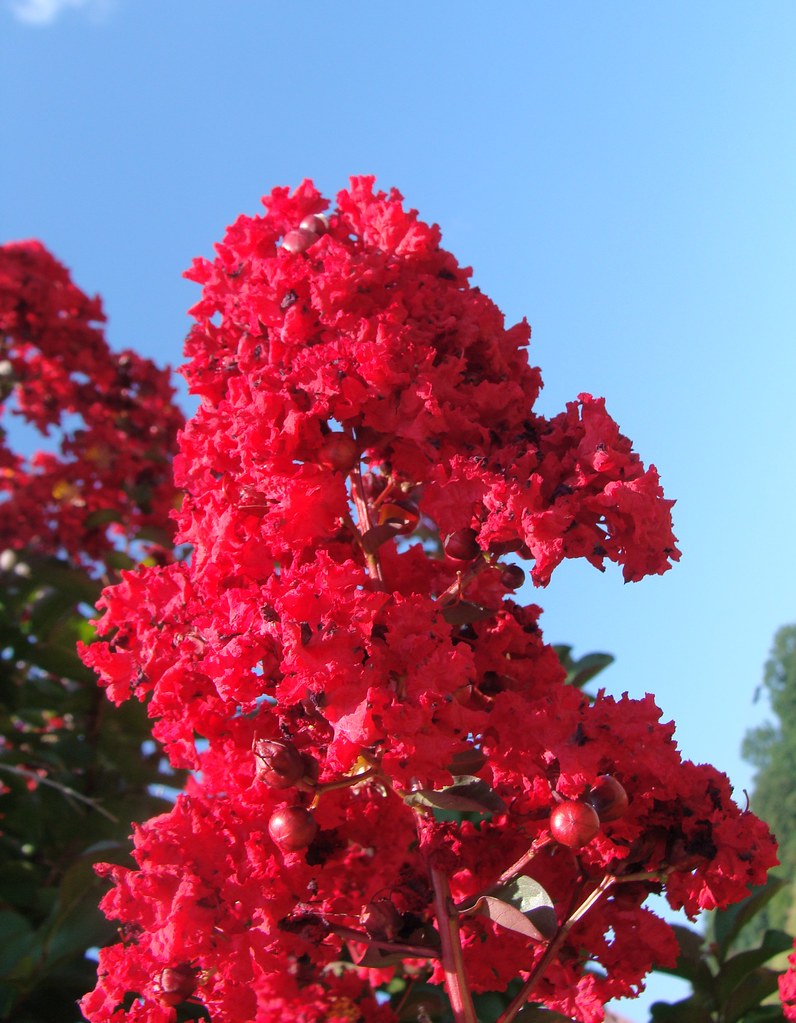
If you require a named cultivar such as Natchez or Black Diamond, purchase grafted or nursery-grown plants or propagate by semi-hardwood cuttings; seedlings rarely reproduce parent characteristics when the parent is a hybrid. For timing and shaping established specimens consult specific pruning guidance such as Prune Crepe Myrtle Blooms before major pruning decisions.
Quick Practical Checklist
- Collect brown dry pods in fall and clean seeds.
- Use sterile seed-start mix; sow at surface to 1/4 inch deep.
- Keep soil 68-75°F with bright, indirect light.
- Maintain even moisture; prevent waterlogging and improve airflow.
- Transplant at two true leaves, harden off 7-14 days, plant in full sun.
| Task | Timing / Condition |
|---|---|
| Seed collection | Fall, when pods are brown and dry |
| Optional stratification | 2-4 weeks at 34-40°F for synchronization |
| Germination environment | 68-75°F, bright light, surface-moist media |
Common Problems and Simple Fixes
For damping-off, switch to sterile mix, avoid overhead watering and increase airflow. For slow growth, raise soil temperature with a heat mat and lengthen daily light to 14-16 hours. If young plants fail to flower, allow several seasons of growth and verify they receive full sun and an open, well-drained site.
Further Reading and Extension Resources
For regional pest management and planting details consult your state extension. The University of Georgia Cooperative Extension bulletin Crape Myrtle Culture covers planting sites, pests and control options. For related practical pruning advice across woody plants see Pruning Tips For Trees, which explains timing and cuts that minimize wounds and long-term damage.
Buy seed-starting supplies or search for seed lots with this Amazon resource: Crepe myrtle seeds on Amazon.
Seed propagation is economical and flexible, but use it for selection or quantity rather than cloning a named cultivar.
Related Video
Growing crepe myrtle from seed can be a rewarding experience. Start by preparing your seeds through the necessary stratification process to break their dormancy. Ensure you provide the seeds with proper moisture and warmth for germination. Once the seedlings develop, transplant them into individual pots and continue to care for them until they are ready for outdoor planting. Patience is key, as it may take some time for them to flourish.
More from Architecture Adrenaline
For more content like this, check out the social channels. You can find helpful tips and inspiration on our Instagram. Engaging with the community can provide additional resources and ideas as you grow your own crepe myrtle.