
Cottonwood, known scientifically as Populus deltoides, is a common firewood option, often surrounded by misconceptions about its effectiveness and odor. Let's dive into the practicalities of using cottonwood for heating and why it might be a viable option for your fireplace or stove.

Cottonwood Characteristics
Cottonwood is a large, fast-growing deciduous tree, reaching heights up to 100 feet. It is easily identified by its distinctive, flat, sail-shaped leaves.
- Part of the Poplar family
- Known for easy splitting when properly seasoned
- Produces a moderate amount of heat
Heat Production and Thermal Efficiency
One common critique of cottonwood is its comparatively low heat output. However, it still provides a decent amount of warmth if used correctly:
- Produces between 14.6 to 17.1 million BTUs of heat per cord
- Less efficient than oak (24 million BTUs per cord), but effective when seasoned properly
- Best used in combination with harder woods like maple or ash
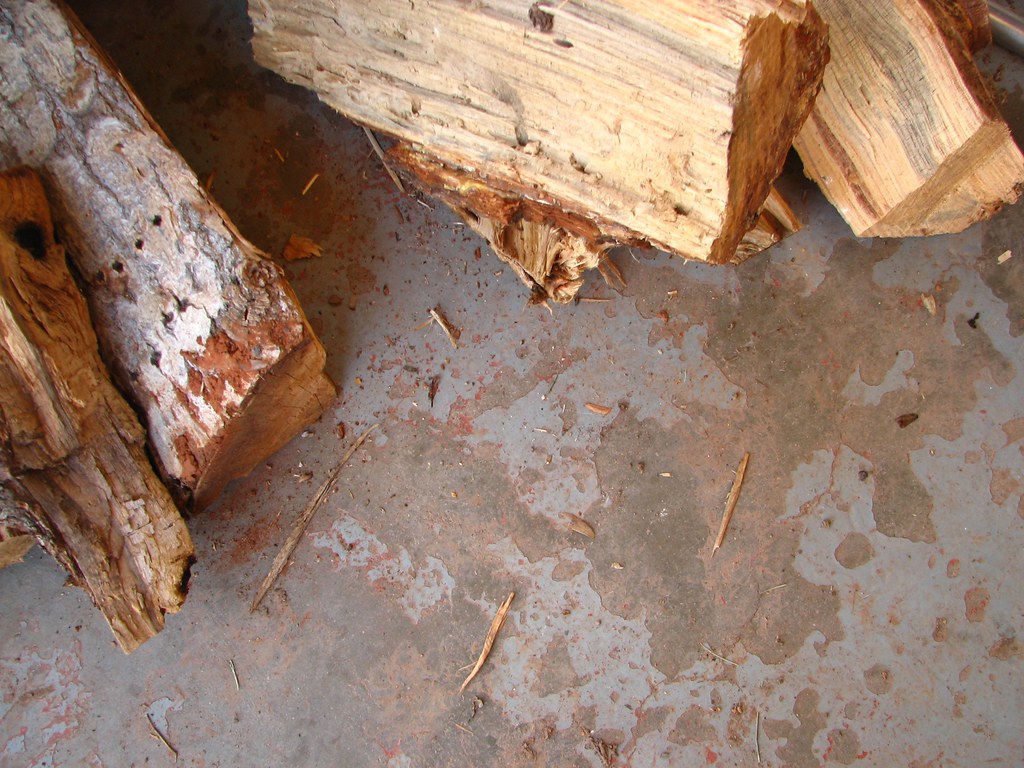
| Wood Type | BTUs per Cord |
|---|---|
| Cottonwood | 14.6 - 17.1 million |
| Red Oak | 24 million |
| Maple | 21.7 million |
Seasoning and Preparation
Proper seasoning is crucial for optimal burning:
- Should be seasoned for about a year. For more detailed information on drying times, consider reading How Long Does It Take Wood To Dry? Unveiling the Real Timeline.
- Look for signs such as a darker color, visible splits, and a hollow ring when struck together
- Moisture content should ideally be below 20%. A handy tool for checking this is the Stihl Wood Digital Moisture Meter.
Properly seasoned cottonwood emits light smoke, while unseasoned wood can produce heavy smoke and a foul odor.
Burning Characteristics
Cottonwood burns faster than denser hardwoods like elm or ash, but it still generates substantial heat:
- Produces a bright, quick fire with minimal leftover ash
- Can leave sufficient coals for restarting the fire in the morning if the stove is packed adequately
- Requires larger logs due to its lower density

Splitting Challenges
Splitting cottonwood can be tricky, especially when green. Some tips include:
- Use a mechanical splitter for green cottonwood due to its moisture content. A useful tool is the BIG RED ATGS012 Torin Hydraulic Log Splitter.
- Seasoned cottonwood is easier to split and more manageable
Smoke and Creosote Production
To minimize smoke and creosote buildup:
- Ensure the wood is well-seasoned before burning
- Avoid burning green cottonwood, which releases excessive smoke
- Burn at higher temperatures for a cleaner burn and less creosote
Odor Considerations
The smell of burning cottonwood can vary:
- Unseasoned cottonwood may emit a strong, unpleasant odor
- Properly seasoned cottonwood has a mild and less offensive smell
To manage any unpleasant smells effectively, you might find the CleanBurn Fireplace and Stove Deodorant - Smoke Odor Eliminator beneficial.
Additional Uses of Cottonwood
Cottonwood ashes can be beneficial beyond the fire:
- Ashes enrich garden soils with essential nutrients like calcium and potassium
Pros and Cons
When considering cottonwood for firewood, weigh the following:
- Pros: Commonly available, easy to split when dry, clean to handle. For a thorough examination of cottonwood's qualities, check out this guide on Is Mulberry Good Firewood? Top Qualities Examined.
- Cons: Difficult to split when green, can emit unpleasant smells if not properly seasoned, burns quickly. You can also explore other options by learning Is Walnut Good Firewood? Pros and Cons to Consider or Is Cherry Good Firewood? Discover Its Unique Appeal.
Can we make FIREWOOD out of NASTY CRAP COTTON WOOD?
In summary, while cottonwood may not rival the high heat output of denser hardwoods, its fast drying time, ease of splitting (when seasoned), and affordability make it a viable option for home heating, particularly in combination with other wood types. If you're looking for more detailed information on firewood options, you can visit Choosing Firewood.
For those interested in mastering the techniques for chopping and drying wood, "Norwegian Wood: The pocket guide to chopping, stacking and drying wood the Scandinavian way" is an excellent resource. You can find it here: Norwegian Wood: The pocket guide to chopping, stacking and drying wood the Scandinavian way.
