
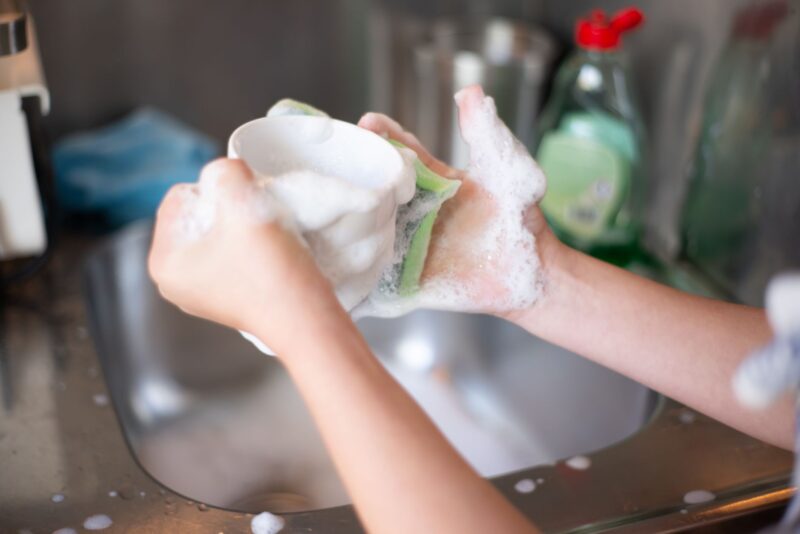
Dawn dish soap is not pH neutral. Manufacturer safety data for Dawn Professional lists a working-solution pH around 8.7 to 9.3, which places the product in the mildly alkaline range rather than at pH 7.
Quick Scientific Answer
The numeric pH range comes from safety-data testing of typical working dilutions rather than the undiluted retail bottle. Sodium hydroxide appears on ingredient disclosures as a pH adjuster, which explains the mildly alkaline measurement reported on the Dawn Professional safety data sheet.
Why Mild Alkalinity Improves Degreasing
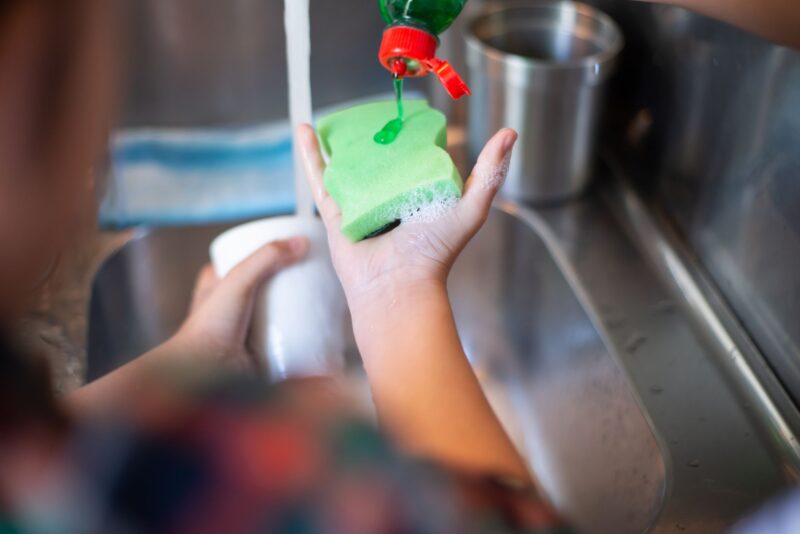
Slight alkalinity raises the effectiveness of synthetic surfactants at breaking oil-to-surface bonds and emulsifying grease. Manufacturers add small alkaline components to stabilize performance so a diluted product removes soils more reliably than a truly neutral surfactant blend.
How Dish Soaps Differ From True Pest or Produce Cleaners
Consumer dish detergents were formulated for grease removal, not for plant- or produce-specific safety. For a clear distinction between soaps labeled for pest management and ordinary dish detergents, see Soaps, Detergents and Pest Management - UF/IFAS Gardening Solutions. That resource explains why a product designed to control insects or pests may have different additives, labeling, and allowable application rates than kitchen dish soaps.
Why You Should Avoid Using Dish Soap on Produce
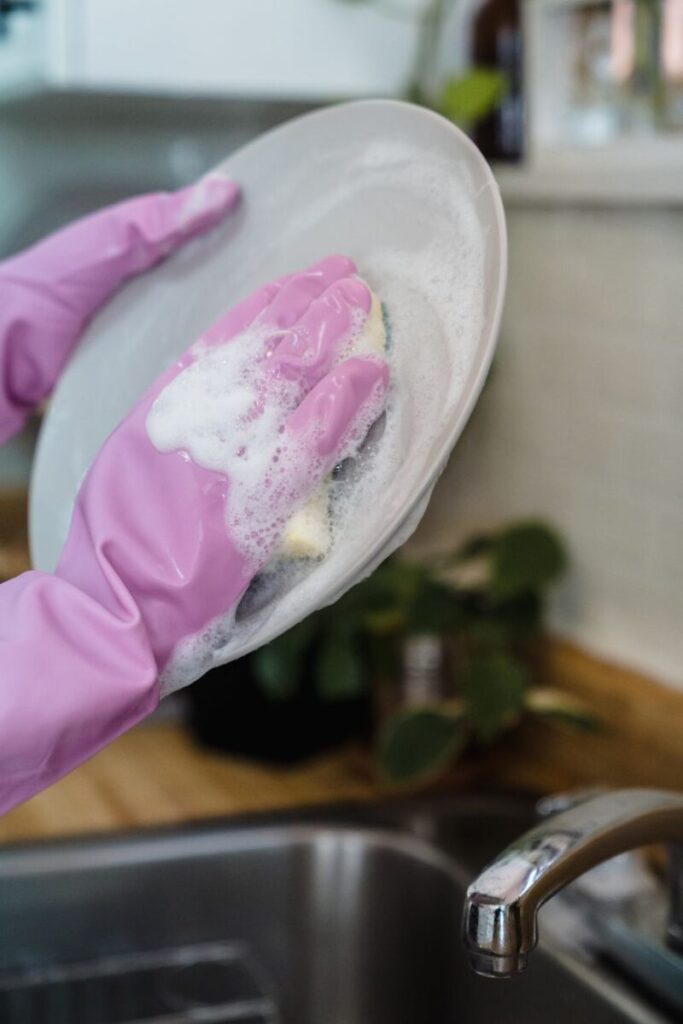
Dish detergents can leave residues and interact with produce surfaces in ways that soap formulas intended for dishes do not. For guidance on washing fruit and vegetables and why consumer detergents are not a recommended substitute, consult How can I wash pesticides from fruit and veggies? - NPIC. That page clarifies which cleaning approaches reduce pesticide residues without introducing other hazards.
Practical Surface Guidance for Homes
Mildly alkaline, diluted Dawn is generally safe on noncalcareous, sealed surfaces such as glazed tile, stainless steel, sealed quartz, and laminated countertops when applied and rinsed. Avoid repeated or concentrated alkaline exposure on unsealed calcareous stones like marble or travertine; when surface chemistry matters, use a labeled pH-neutral product and follow the fabricator’s care instructions.
How to Test the Product Before Regular Use
- Dilute to the exact concentration you will use and measure with pH strips or a calibrated meter.
- Apply the diluted solution to an inconspicuous patch of the material for the same dwell time you plan to use, then rinse and inspect for dulling or etching.
- For ongoing maintenance of sensitive stone, verify the cleaner’s label claim of pH neutrality or use a fabricator-recommended stone cleaner.
When to Choose a PH-Neutral Cleaner
Select a labeled pH-neutral product for routine cleaning of honed marble, untreated travertine, and similar calcareous finishes. To browse consumer options that emphasize pH neutrality and milder formulas, see a selection of dish soap pH neutral products, and always verify the manufacturer’s label and technical data before repeated use on delicate surfaces.
Related Practical Uses and Site Coverage
Architecture Adrenaline has practical how-to coverage that references Dawn in several household contexts. For examples of Dawn used in DIY cleaning mixes and application guidance, see the site’s posts on making a Dawn powerwash and on mixing Dawn with water for specific tasks: How to Make Dawn Powerwash, How Much Dawn and Water to Kill Ants, and practical cleaning cautions in Can I Mop With Dish Soap. These articles treat Dawn as a useful ingredient but do not treat it as pH neutral.
Skin and Safety Considerations
Mild alkalinity increases the risk of skin dryness with repeated exposure. Use gloves for frequent dishwashing or choose hand-focused formulas and consult the product SDS for guidance on eye or skin exposure and recommended first-aid responses.
Quick Comparison Table
| Item | Practical Note |
|---|---|
| Dawn Professional pH | About pH 8.7-9.3 in typical SDS test solution |
| True pH-neutral cleaners | Formulated near pH 7 and recommended for delicate stone and finishes |
| Home recommendation | Dilute and rinse Dawn on sealed surfaces; test before use on unsealed stone |
Concise Conclusion
Dawn is mildly alkaline and therefore not pH neutral; that alkalinity helps degreasing but can damage unsealed calcareous materials over time. When surface chemistry matters, verify a cleaner’s pH claim, perform a dilution patch test, and follow fabricator or manufacturer care guidance before routine use.
Related Video
Dawn dish soap is known for its effectiveness in cleaning, but when it comes to its pH level, it leans slightly acidic. Generally, dish soaps range from pH 6 to 8, meaning they are not neutral but rather mild. If pH neutrality is critical for a specific purpose, consider alternatives designed specifically for that requirement.
More from Architecture Adrenaline
For more posts like this, check out our social channels. Follow us on Instagram for the latest updates and insights on various topics.