
As a cooking enthusiast, I've always been curious about the safety of different cookware materials. Recently, I've focused on enamel cookware, which has gained popularity due to its aesthetic appeal and versatility. In this article, I’ll explore the safety of enamel cookware, common concerns, and tips for using it effectively in your kitchen.
Understanding Enamel Cookware
Enamel cookware is made by fusing glass powder to metal at very high temperatures. This coating creates a non-reactive and easy-to-clean surface that is ideal for a variety of cooking tasks. However, understanding its safety features is crucial for every culinary enthusiast.
- Non-reactive: Enamel does not react with acidic or alkaline foods.
- Durability: The coating is hard and can withstand many cooking methods.
- Variety of colors: Available in many vibrant colors that enhance your kitchen decor.
Is Enamel Cookware Safe for Cooking?
Most enamel cookware available today is considered safe, especially those made by reputable manufacturers. However, there are a few key points to keep in mind:
| Feature | Safety Level |
|---|---|
| Lead Content | Modern enamel cookware is lead-free; vintage pieces may contain lead. |
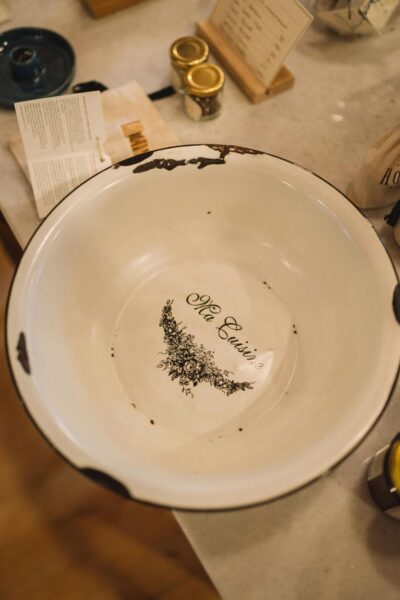
| Chipping | Chipped enamel can expose base metal; use caution. |
| Heat Resistance | Most enamel cookware is safe at recommended temperatures but avoid extreme temperature changes. |
Caring for Your Enamel Cookware
To maximize the lifespan of your enamel cookware, follow these care tips:
- Use wooden or silicone utensils to avoid scratching the surface.
- Clean with non-abrasive sponges or cloths to prevent damage.
- Avoid sudden temperature changes, like placing a hot pot in cold water, to prevent cracking.
Common Concerns About Enamel Cookware
Many users express concerns regarding the safety of enamel cookware. Here are some of the most common questions:
- Is enamel cookware non-stick? While enamel can have a non-stick quality, it's not completely non-stick like Teflon.
- Does enamel cookware leach chemicals into food? No, enamel is generally non-reactive and doesn't leach chemicals when used properly.
- What if my enamel cookware chips? If chipping occurs, inspect for rust; it may still be safe but use caution.
Product Recommendations
Finding quality enamel cookware can enhance your cooking experience. Consider the following products:


For more insights on cookware safety, explore our articles on Le Creuset Cookware and Burnt Plastic Off Stove. You might also enjoy learning about Stoneware Cookware as a safe option.
Interested in learning more about the safety of different cookware? Check out this study on trace elements in cookware and follow the cookware safety guidelines to choose the safest options for your kitchen.
By understanding the safety of enamel cookware, you can make informed decisions that enhance your cooking experience while ensuring your health and well-being.
