
Is Poplar a Hardwood? This is a question that often stirs debate among woodworkers, craftspeople, and DIY enthusiasts alike. While poplar is commonly classified as a hardwood, its defining characteristics, such as its softer texture and lighter density, can blur the lines typically associated with this category. Unpacking these nuances not only helps in understanding poplar’s unique properties but also informs its applications in furniture making, cabinetry, and beyond. Knowing whether poplar fits the hardwood bill is crucial for choosing the right material for specific projects.
| Characteristic | Details |
|---|---|
| Wood Type | Hardwood |
| Density | Light |
| Common Uses | Furniture, cabinetry |
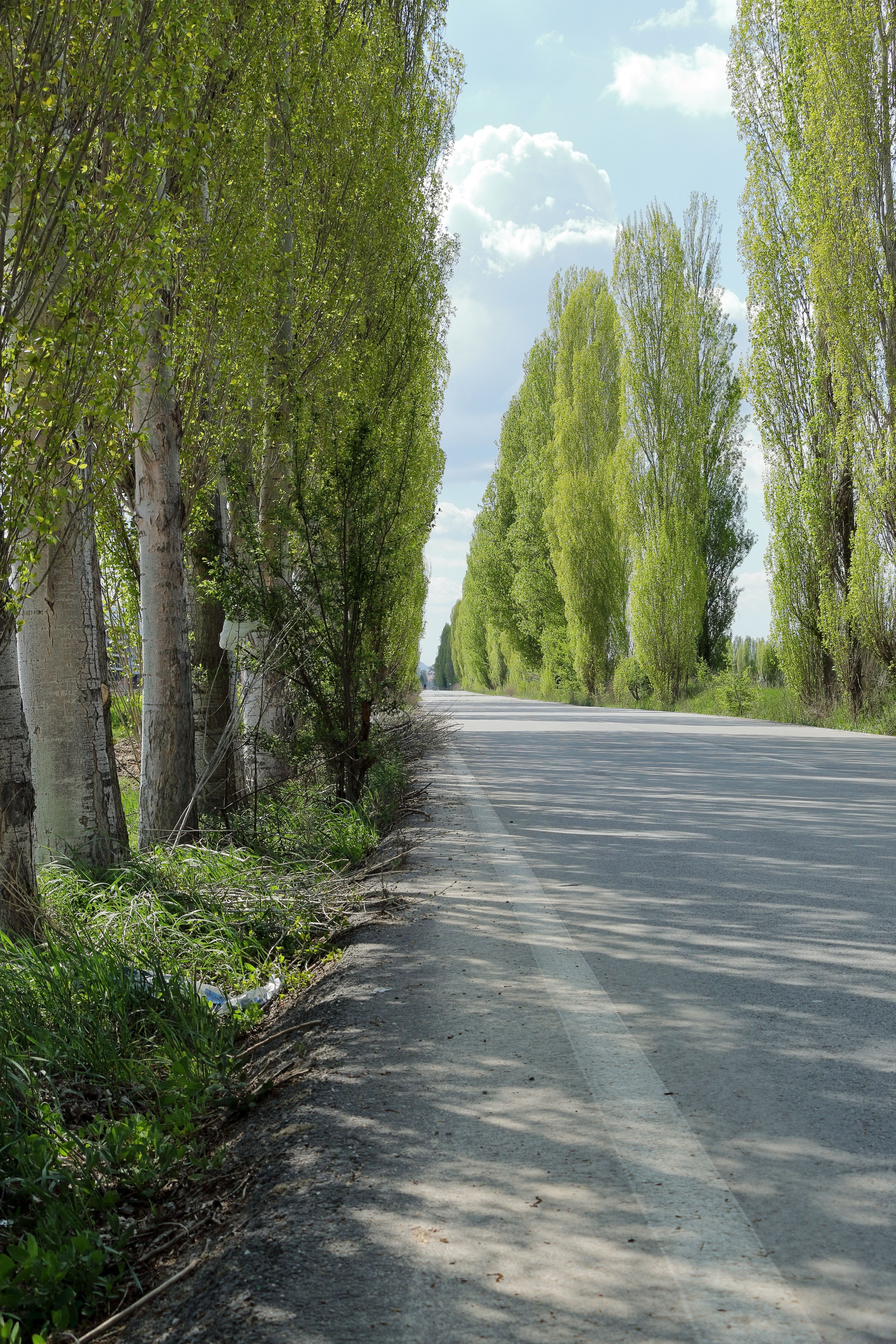
The Hardwood That Feels Like Softwood
Poplar often leaves people scratching their heads because it defies the typical characteristics of a hardwood. Despite its classification, the wood's texture might remind you more of pine than oak or maple. With its softer nature and lighter weight, poplar is a hardwood that doesn't fit the stereotypical mold.

The confusion stems largely from poplar's density—or lack thereof. Hardwood, by definition, comes from deciduous trees and generally packs more density, which is why it's usually favored for structural applications and durable furniture. However, poplar offers beauty in its simplicity: its lightness makes it incredibly easy to work with, especially for beginners who aren't quite ready to tackle more stubborn hardwoods yet.
Advantages of Using Poplar
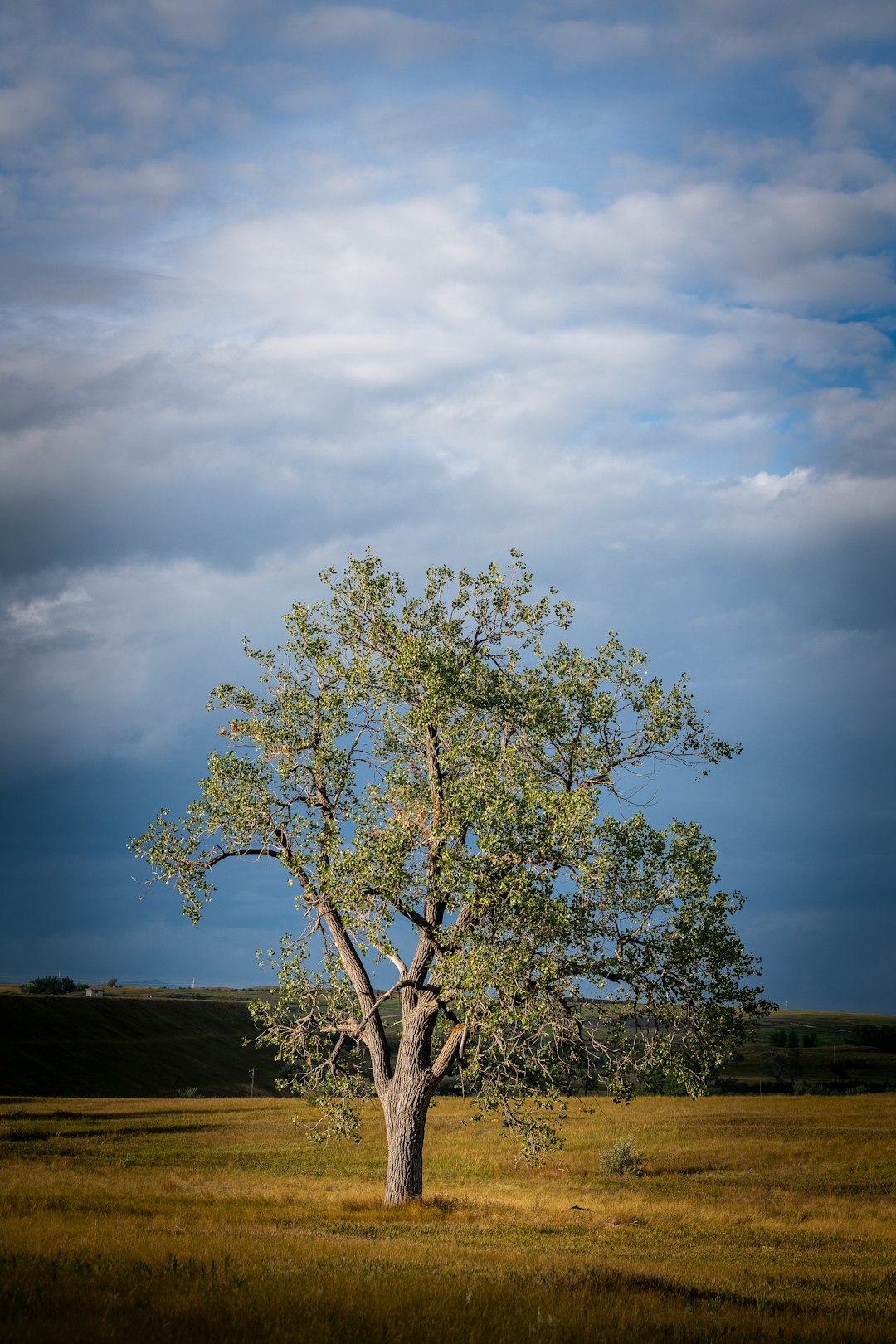
So, why might you choose poplar for your next project? Let's explore some of its advantages:
- Workability: Poplar is a dream for DIY enthusiasts. Its smooth, straight grain makes it easy to saw, paint, and stain, reducing the challenges typically associated with working on more fibrous, dense woods.
- Affordability: If budget constraints are at the forefront of your woodworking decisions, you'll be happy to know poplar is often less expensive compared to other hardwoods.
- Environmental Impact: Poplar grows quickly and abundantly, which makes it a more sustainable option compared to slower-growing hardwoods like walnut or cherry.
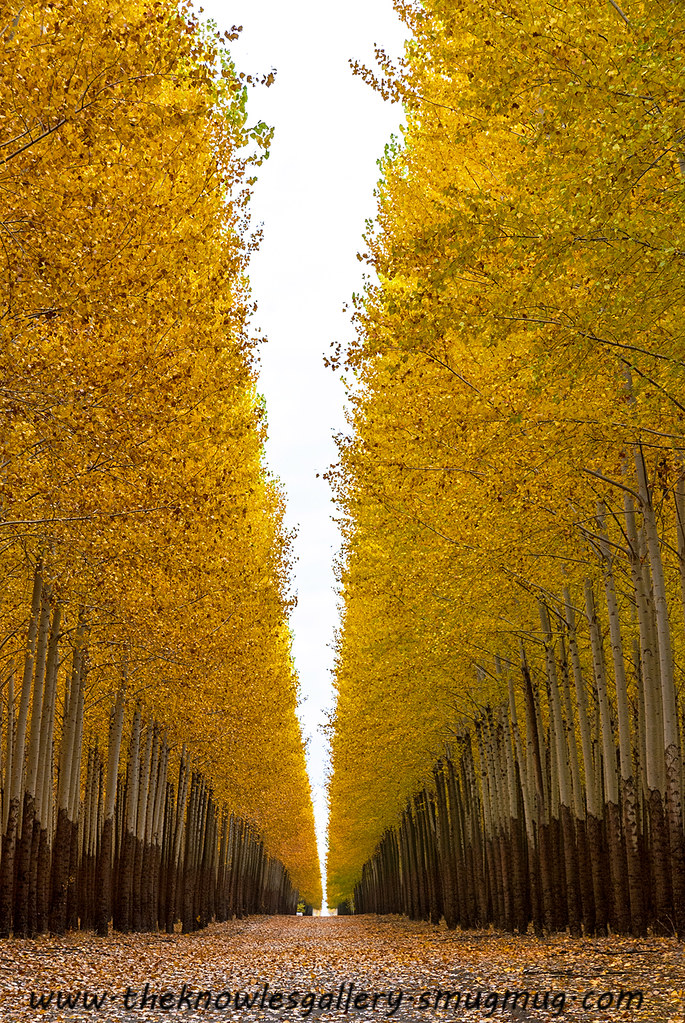
Of course, poplar may not be suitable for every project due to its softness—it might not withstand heavy wear-and-tear as well as other hardwoods do. But for lighter, non-structural applications, it's a fantastic choice.
Choosing the Right Project
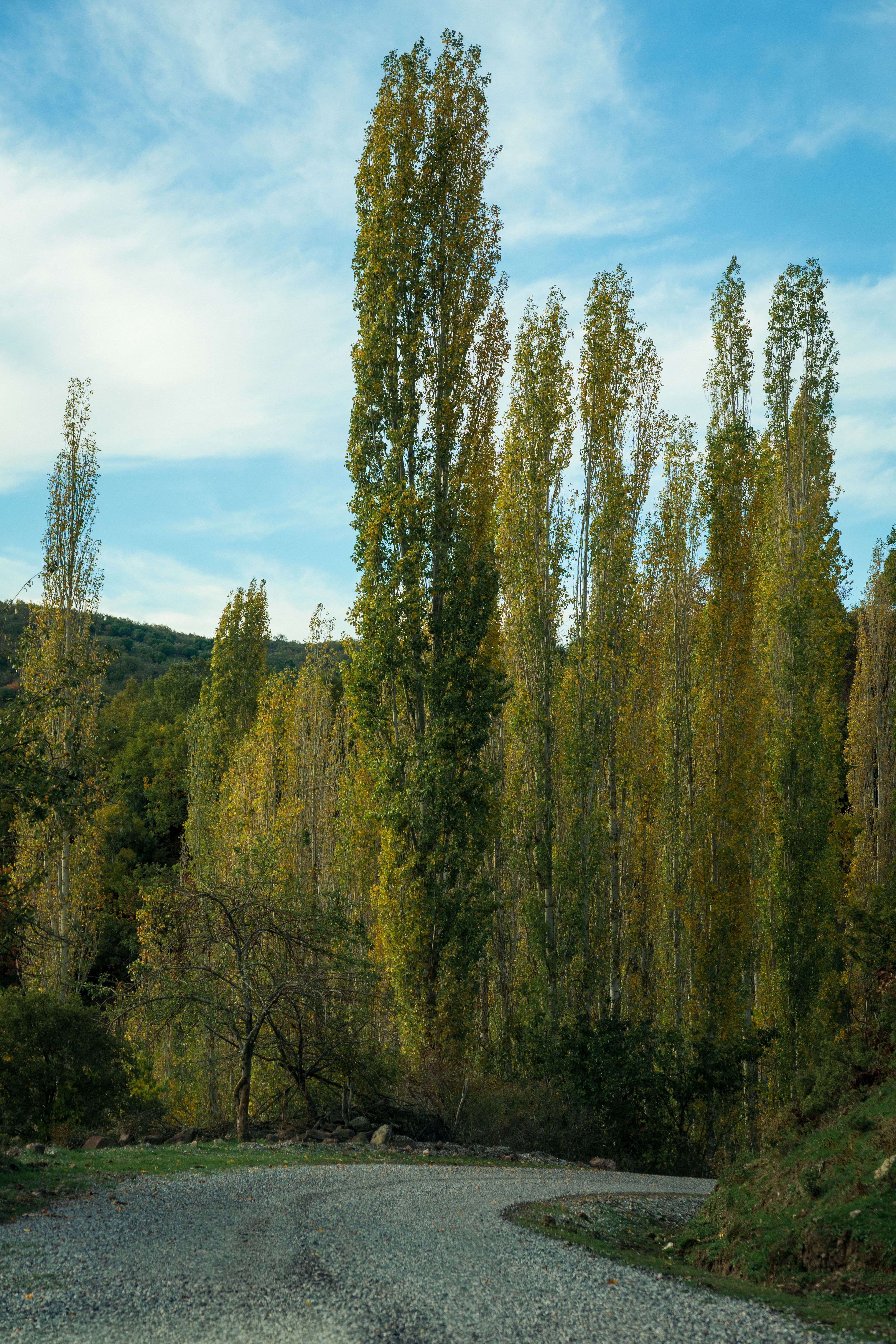
While poplar might not replace mahogany in your next heirloom piece, it does shine in everyday applications. Consider using it for:
- Painted furniture that doesn’t need to hold heavy weight.
- Cabinets, as long as they're not in a high-impact area.
- Small crafts and detailing work where intricate cutting is key.
Ultimately, understanding poplar's characteristics helps you make informed decisions for your projects, aligning functionality with your creative vision.
Thinking of trying poplar in your next project? Share your thoughts or experiences in the comments—whether it's a triumph or a lesson learned, your insights could guide fellow woodworkers!
Explore our most recent articles and content on recent.
Exploring the Versatility of Poplar Wood
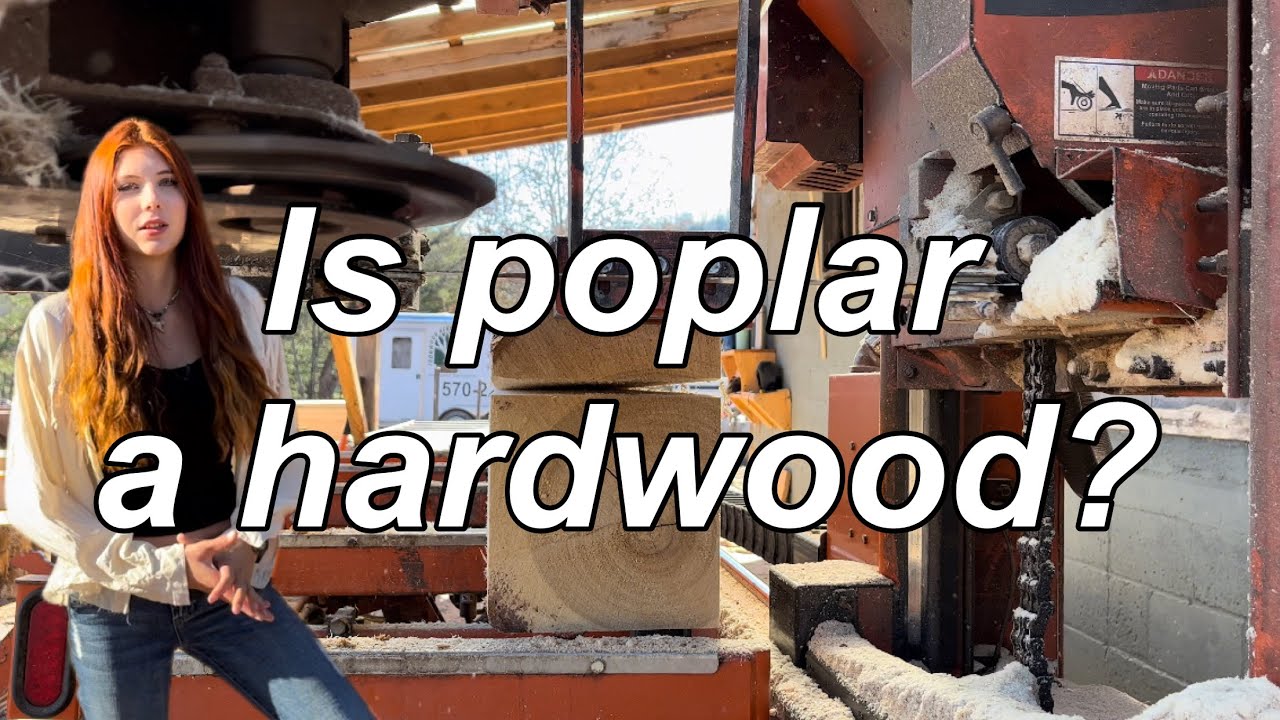
Is Poplar a Hardwood? This is a question that often stirs debate among woodworkers, craftspeople, and DIY enthusiasts alike. While poplar is commonly classified as a hardwood, its defining characteristics, such as its softer texture and lighter density, can blur the lines typically associated with this category. Unpacking these nuances not only helps in understanding poplar’s unique properties but also informs its applications in furniture making, cabinetry, and beyond. Knowing whether poplar fits the hardwood bill is crucial for choosing the right material for specific projects. To delve deeper into the topic, check out the YouTube video titled "All About Poplar: What’s it good for??" from Lumber Capital Log Yard, where you'll learn more about poplar's characteristics and uses.
What Are the Potential Drawbacks of Poplar Hardwood?
Poplar may technically count as a hardwood, but it’s on the softer side compared to species like oak or maple. Because of its relative softness, it can be more prone to dents, scratches, and wear over time. Additionally, poplar’s color and grain pattern are often considered less striking, which might require more finishing or painting for a desired appearance.
Can You Safely Burn Poplar Wood in a Stove?
Yes, you can burn poplar in a wood stove, and it will ignite fairly easily. However, because poplar is less dense than many other hardwoods, it tends to burn faster and produce less heat. If you rely on wood for heat, you may need to replenish your stove more frequently compared to burning denser hardwoods like oak or hickory.
Is Poplar Hardwood One of the Most Budget-Friendly Options?
Poplar is often considered among the more affordable hardwood choices on the market. This cost-effectiveness makes it a popular pick for furniture frames, cabinetry, and interior trim, especially if you plan on painting or staining. Despite its lower price tag, poplar can still deliver a reliable performance in many woodworking projects.
Does Poplar Offer the Same Level of Strength as Oak?
While poplar is respected for its ease of use and workability, it doesn’t match oak in terms of density and overall strength. Oak typically features a more pronounced grain and offers greater durability and resistance to wear. Poplar can still be a solid option for projects where extreme strength isn’t the primary goal, but if you require maximum toughness, oak is generally the more robust choice.
In conclusion, while the debate about whether poplar is a hardwood may continue, its unique characteristics make it a versatile and valuable wood for various projects. Whether you're drawn to its affordability, workability, or subtle grain patterns, poplar remains a popular choice among woodworking enthusiasts and creative minds alike. Embrace its blend of hardwood qualities and softer attributes to elevate your creations with a touch of individuality.
Stay Connected for More Inspiration
If you've enjoyed diving into the world of woodworking and exploring different wood types like poplar, why not stay updated on all things design and architecture? Follow us on Instagram for daily inspiration, behind-the-scenes glimpses, and engaging content that will fuel your creative spirit. Let's continue this journey together and unlock endless possibilities in the realm of craftsmanship and creativity.
