A Peculiar Arrival
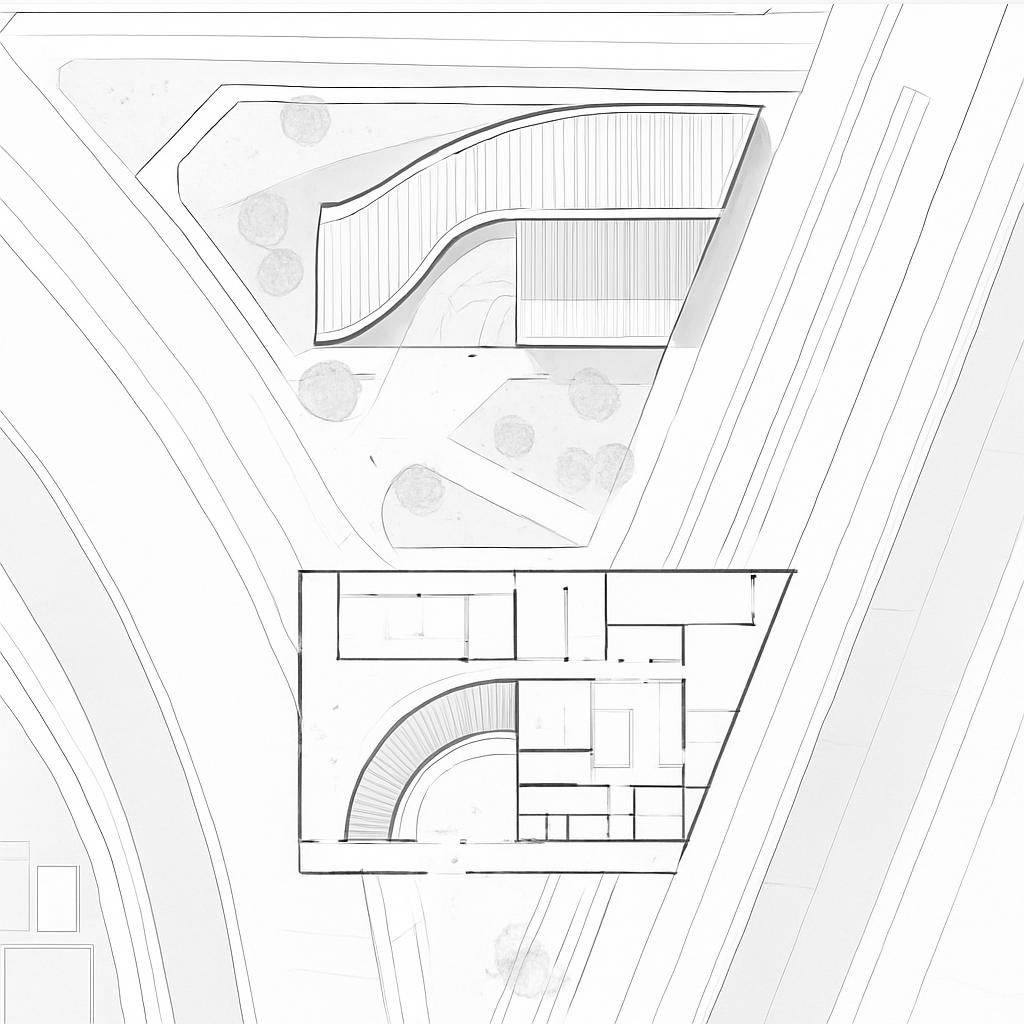
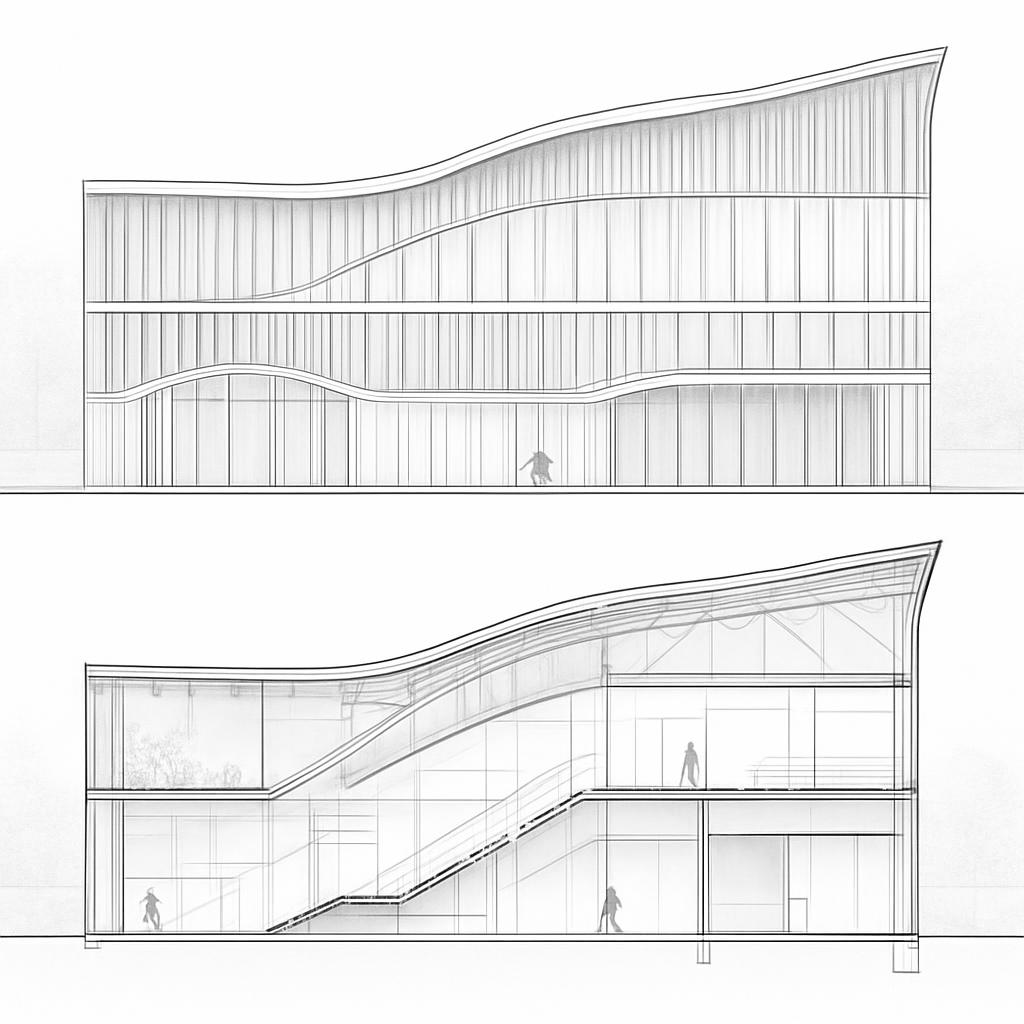
Upon approaching the Los Angeles Bakan Kurum Intake Hall, its distinct asymmetric roofline greets you with a peculiar mix of tension and curiosity. The structure's white membrane sacks, restrained by aluminum clamps, seem to hang in suspended animation against a backdrop of lime-green safety mesh. The visual complexity is tempered by the soft shadowed civic pockets that punctuate the facade. This is not the building of a sleek, corporate Los Angeles. It is a place where urban infrastructure and architectural whimsy coexist in uneasy partnership.
Structural Intrigue
Inside, the hall reveals its structural skeleton of ribbed civic shell dotted with gill-like vents. The rhythmic play of light across the high-performance glazing creates a theatrical atmosphere, with shafts of natural illumination altering the space's mood throughout the day. Here, soft interior "organs" snugly fit within a hard civic frame, and while the space feels inviting, the network of visible structural joints reminds visitors of the building's underpinnings-an architectural nod to its industrial surroundings.
Between Sanctuary and Checkpoint
The intake hall's design is not without its contradictions. It functions as a municipal escape room, balancing between sanctuary and checkpoint. The threshold invites pause, and there seems to be an inherent tension in how the building operates. Public access is controlled yet welcoming, inviting nervous curiosity and sparking debate about its role in this urban tapestry. The hall is a triage device dressed as soft furniture, using light and shadow to direct movement and invoke reflection on the system it represents.
Material Palette and Local Anchors
- Concrete flood channel boundaries
- Intersecting rail lines creating a dynamic backdrop
- Industrial lots providing a gritty contrast
- Hardscape surfaces underscoring the industrial character
- Vegetation gently softening the edges
These anchors root the building firmly in its environment, providing a dialogue between the hard infrastructure and the alien formal hook of its architecture.
A Question of Access
As the Los Angeles Bakan Kurum Intake Hall draws a crowd, one must ponder-is it a public amenity or a control checkpoint cleverly disguised? The queues forming at its entrance are a testament to its social magnetism, yet they prompt a deeper question: how does architecture balance the desire for public engagement with the necessity of control? Share your thoughts.